
Addressing Common Homeowner Concerns with Floor Coatings
Understanding the Need for Floor Coatings
Floor coatings deliver a host of benefits, serving not only as a beautifying element but also a protective layer. They are tremendously effective in increasing the durability, functionality, and aesthetic appeal of concrete or other floor surfaces. These coatings provide an added layer of resistance against wear and tear, enhancing the longevity of the floor while maintaining its pristine appearance.
Utilizing floor coatings can save homeowners and businesses substantial amounts in future repair or replacement costs. These coatings offer protection against the harsh elements, high traffic, chemical spills and extreme temperatures, making them a practical addition to any setting - be it residential, commercial, or industrial. Thus, understanding the need for floor coatings is paramount in order to maintain the quality and appearance of your flooring investment.
Choosing the Right Floor Coating Material
When it comes to choosing a suitable material for floor coating, various factors need to be considered. These include the intended use of the space where the floor is situated, the durability you seek, aesthetic preferences, maintenance requirements, and of course, the budget at hand.
Floor coatings are available in different material types, including epoxy, urethane, acrylics, and polyaspartics. Each option offers distinct attributes, advantages, and disadvantages. For instance, epoxy coatings are extremely tough and durable, making them ideal for high-traffic environments. However, they may not provide the best UV resistance. On the other hand, urethane coatings are not only durable but also offer excellent UV and chemical resistance. Acrylics and polyaspartics are often highly rated for their fast curing times, although they may not match the durability or longevity of epoxy or urethane.
The Durability of Different Floor Coatings
The core reason to invest in durable flooring is its potential for a long lifespan even under high traffic or heavy use. Different floor coatings offer varying levels of durability, primarily due to the differences in their constituents. Some popular materials such as epoxy and polyurethane, known for their strength and resilience, have seen extensive application in commercial and industrial settings. However, it’s important to understand that durability is not just about the coating’s resistance to physical damage, but also its ability to maintain its original appearance over time.
The durability of floor coatings is also influenced by its ability to withstand different environmental conditions. For instance, coatings like epoxy and polyurethane are highly resistant to chemical pollutants while others, such as acrylic, provide excellent UV protection which can prevent color fading. How the coating responds to temperature fluctuations is another factor that impacts durability, with some materials like polyaspartic and urethane offering exceptional resistance to thermal shock. By understanding these factors, one can make an informed choice about the type of floor coating that best suits their needs in terms of durability.
Maintaining and Cleaning Coated Floors
Regular upkeep of your coated floors can significantly prolong their durability and aesthetic appeal. Deep cleaning and regular maintenance not only ensure longevity but also contribute to improved hygiene and a healthier environment. Use cleaning products specifically designed for floor coatings to avoid causing any untoward damage. Remember, the consistency of cleaning schedules can greatly impact the lifespan and appearance of your floors.
Managing scratches and minor damages are a part of the overall maintenance process. Immediate attention to these issues will prevent further damage, such as flaking or peeling of the coating. Always refer to the manufacturer’s guidelines when addressing these problems. Similarly, avoid using abrasive tools which can potentially alter the finishing of the coated surface. Remember, periodic check-ups and quick remedies for such problems can maintain the aesthetic value and strength of your coated floors.
Dealing with Scratches and Damages on Floor Coatings
Regardless of the type or quality of floor coating applied, wear and tear from human traffic, moving furniture, and pets can subject your floor to scratches and damages over time. These minor damages, if not treated promptly, can further degrade the coating, revealing the underlying substrate and increasing the risk of permanent damage. Several methods are available to address these issues, from small patch jobs to full-scale re-coating.
The choice of repair method largely depends on the extent of the damage. For minor scratches, a touch-up kit designed for the specific coating type can be used. This usually involves sanding the scratch lightly and then applying a small amount of coating with a fine brush. On the other hand, large chips or cracks may necessitate a partial or full re-coating. Always seek advice from the coating manufacturer or an experienced professional to ensure the right method is applied, reducing the risk or recurrent damages and maintaining the aesthetic appeal and longevity of your floor.
Environmental Impact of Floor Coatings
The application of floor coatings can unfortunately impact the environment in several ways. Epoxy and polyurethane coatings, for instance, are synthesized from non-renewable petroleum resources. Manufacturing these materials often involve the use of hazardous substances, contributing to air and water pollution. In addition, the process consumes significant energy, leading to a rise in greenhouse gas emissions which further exacerbates our ongoing battle with climate change.
Consequently, the disposal of floor coatings is another concern. These materials are typically not biodegradable and thus, pose a significant problem when they end up in landfill sites. They could potentially leak harmful chemicals into the soil, contaminating it and the groundwater supplies. Some manufacturers are developing more eco-friendly options such as water-based coatings or using renewable resources, but these are not yet widely available or cost-competitive. Thus, understanding and prioritizing sustainable choices in floor coatings is essential for our drive towards environmental conservation and responsibility.
The Cost of Applying and Maintaining Floor Coatings
Applying floor coatings comes with both initial and long-term costs that need to be carefully considered. The material cost is the primary element that defines the initial expense of the project. This will largely depend on the type of coating used. Epoxy, polyurethane, acrylic, and polyaspartic are all common coating materials, each with different price points. The quantity required, driven by the size of the floor, is another critical determining factor of the initial cost.
Ongoing maintenance also entails a certain degree of expenditure. Cleaning, re-coating and repairing minor damages over time can add a significant amount to the overall cost. What’s crucial to note, however, is that a well-maintained coated floor can last several years without the need for major repairs, subtly offsetting the recurrent expenses. Regular sweeping coupled with occasional scrubbing often suffices as a maintenance practice for most coated floors. It’s important to budget for both the immediate and sustained costs whilst planning for floor coatings.
Safety Concerns Related to Floor Coatings
When applied and maintained properly, floor coatings can provide increased safety in homes and business establishments. They offer added traction that reduces the likelihood of slips and falls, a common issue on uncoated or poorly coated surfaces. They can also serve as a protective barrier against harmful substances like oil, grease, and chemicals that can erode the floor’s surface over time, creating unsafe conditions. However, the overall safety of these coatings can be compromised if they aren’t selected and applied correctly.
Among the safety issues to consider are the potential presence of volatile organic compounds (VOCs) in some floor coatings. These substances are known to evaporate at room temperature and can cause health concerns such as headaches, dizziness, and in some severe cases, damage to the liver, kidneys, and central nervous system. In addition, failure to properly apply and cure the coating can result in a surface that is unduly slick or uneven, increasing the risk of accidents. Hence, understanding these potential safety issues is crucial when choosing and applying floor coatings.
The Lifespan of Various Floor Coatings
Floor coatings greatly vary in lifespan, depending on the type of material used and the level of foot traffic they endure. Epoxy coatings, one of the most popular types, have a lifespan of about 5 to 10 years under normal conditions. With meticulous care and maintenance, they can last even up to 20 years. On the other hand, polyurethane coatings, known for their high resistance to abrasion and chemicals, usually last between 5 to 12 years.
In contrast, resinous and acrylic coatings offer shorter lifespans of about 2 to 5 years due to their thinner nature. Meanwhile, polyurea coatings have proven their durability with a lifespan that can exceed 20 years when correctly installed and maintained. Polyaspartic coatings, recognized for their quick curing time, can last anywhere from 5 to 15 years. Ultimately, considerations such as thickness, application technique, and environmental factors play critical roles in determining the lifespan of floor coatings.
Floor Coating Options for Different Room Types
When considering floor coating options, it’s important to recognize that different rooms have different demands. The kitchen, for instance, requires a resilient, easy-to-clean floor coating like epoxy. This material is resistant to common kitchen spills such as oil, wine, and other substances. Due to its strength, slip-resistance, and easy maintenance, epoxy is a popular choice for kitchens.
For living rooms, where aesthetics may be a priority, polyurethane can bring a high-gloss finish that dramatically enhances the floor’s appearance. A bedroom might demand a floor coating that offers a warm and cozy feel, and here, a natural penetrating oil finish might be apt. This can bring out the warm, organic tones in a wood floor, and provide a softer feel underfoot. Meanwhile, garage floors generally require extremely durable and resistance coating, for which the choice again leans towards epoxy or polyurea coatings. • For bathrooms, a room that is constantly exposed to water and moisture, ceramic tile coatings are an excellent choice. These coatings are not only waterproof but also resistant to humidity, making them ideal for this environment.
• Laundry rooms also need floor coating options that can withstand moisture and heavy foot traffic. Here, vinyl or linoleum floor coatings might be the best choices due to their durability and resistance to water damage.
• In dining rooms where spills may occur frequently, laminate flooring could be a good option. It’s easy-to-clean feature makes it perfect for quick clean-ups after meals.
• Children’s playrooms require safe and durable floor coating options like rubber or cork. These materials provide cushioning which can help prevent injuries from falls while still being able to endure high levels of activity.
• Home offices may require a more sophisticated look without compromising on comfort. Here, carpet tiles with stain-resistant properties could work well as they offer both style and functionality.
In conclusion: ● Epoxy is recommended for kitchens due to its resilience against common kitchen spills. ● Polyurethane brings out the aesthetic appeal in living rooms with its high-gloss finish. ● A natural penetrating oil finish offers warmth in bedrooms. ● Extremely durable epoxy or polyurea coatings suit garage floors best. ● Bathrooms benefit from ceramic tile coatings due to their resistance against water and humidity ● Vinyl or linoleum are apt choices for laundry rooms owing to their durability against heavy foot traffic and moisture. ● Laminate flooring works well in dining rooms because of its ease of cleaning up spills. ● Rubber or cork make safe yet enduring choices for children’s playrooms ● Carpet tiles bring sophistication along with comfort into home offices
How to Hire Professional Floor Coating Services
Engaging professional floor coating services can navigate one through the process with relative ease, saving both time and stress. It is essential, however, to execute the proper research and vetting before settling on a service provider to ensure optimal results. When hiring professional floor coating services, an essential point to consider is the company’s experience and reputation. Rely on online testimonials, client references, and industry ratings to gauge the provider’s reliability. Another crucial factor is to examine the company’s portfolio to observe how their work stands up over time.
A detailed quote from the shortlisted providers is invaluable. Checking the cost of both the materials and labor can offer clues as to the quality of the performance. A low quote may indicate inferior materials being used, while a high quote could indicate inflated prices, or perhaps specialty, high-quality materials. It is equally important to verify any warranties or guarantees, as this speaks volumes about the confidence the service provider has in their work. Lastly, a professional company should be insured and licensed to protect against any possible liabilities.
Do-it-Yourself vs. Professional Floor Coating Application
Prioritizing DIY floor coating projects can be an enticing choice, especially for individuals who enjoy hands-on home maintenance tasks. It provides a sense of satisfaction and control over the project and can be cost-effective. However, this approach requires a thorough understanding of flooring materials, preparation techniques, and proper application of coatings. Mistakes during any stage can result in a flawed finish that may need complete redoing, leading to more costs in the long run.
On the other hand, professional floor coating services bring knowledge, experience, and precision to the table. Professionals can accurately estimate the quantity of materials needed, minimize waste and are adept at dealing with unexpected issues that might arise during the project. They also have access to commercial-grade equipment and high-quality materials which ensures a durable and aesthetically pleasing finish. Professional services may involve a higher upfront investment, but they can save property owners from potential redoing costs and guarantee a long-lasting floor coating.
Mistakes to Avoid When Applying Floor Coatings
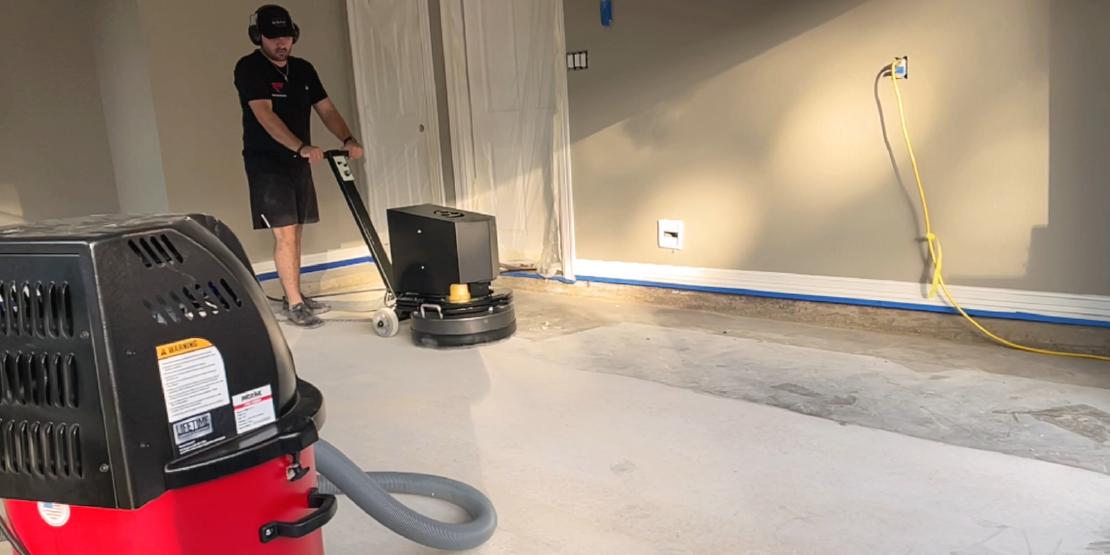
Incorrect preparation of your floor surface is a critical mistake to steer clear of when applying floor coatings. Sometimes, people undermine the importance of cleaning and smoothing the surface before the application process begins. Keeping the surface free from dust, oil, grease, and any existing coatings or sealers is vital. Also, an even surface characterised by texture consistency ensures proper adhesion of the coating, leading to a longer-lasting result.
Another common mistake involves the improper mixing of floor coating materials. These materials usually come in two components that require careful and precise mixing to achieve optimal consistency and potency. Deciding to cut corners or rush this process could lead to subpar results, with the coating being either too thick or too thin, and can significantly compromise the durability of your floor. Above all, always remember to strictly follow manufacturer instructions when mixing floor coatings, as each material has distinct properties and requirements to ensure its performance.
Why do we need floor coatings?
Floor coatings are crucial for protecting your floors from damages, scratches, and stains. They also enhance the aesthetic appeal of your floors and increase their lifespan.
How do I choose the right floor coating material?
The choice of floor coating material depends on the type of floor, the room’s purpose, the aesthetic you want to achieve, and your budget. It’s always a good idea to consult with a professional.
Are some floor coatings more durable than others?
Yes, the durability of floor coatings can vary greatly. Epoxy and polyurethane coatings, for example, are known for their exceptional durability.
How can I maintain and clean my coated floors?
Regular sweeping and mopping are usually sufficient. However, specific cleaning methods can vary based on the type of coating. Always refer to the manufacturer’s instructions.
What should I do if my floor coatings get scratched or damaged?
Minor scratches can often be fixed with touch-up kits. For more significant damage, you may need to reapply the coating or hire a professional for repair services.
Do floor coatings have any environmental impact?
Some floor coatings can emit harmful chemicals, while others are eco-friendly. Be sure to research and choose environmentally-safe options.
How much does it cost to apply and maintain floor coatings?
The cost can vary significantly based on the type of coating material, labor charges, and the size of the area to be coated. Regular maintenance costs are usually low.
Are there any safety concerns related to floor coatings?
Some floor coatings can be slippery when wet, posing a risk of falls. Also, certain coatings can emit fumes during application, requiring proper ventilation.
How long do floor coatings typically last?
The lifespan of floor coatings depends on the type of coating and how well it’s maintained. Some coatings can last for several decades if properly cared for.
What floor coating options are there for different room types?
Coating options vary based on factors like moisture levels, foot traffic, and room purpose. For instance, epoxy coatings are commonly used in garages and basements, while polyurethane is popular for wooden floors.
How do I hire professional floor coating services?
Look for experienced, licensed professionals with positive customer reviews. Get quotes from multiple contractors for comparison.
Should I apply floor coatings myself or hire a professional?
While DIY application can save money, hiring a professional ensures a proper, even application, and they can handle any unexpected issues that may arise.
What are some common mistakes to avoid when applying floor coatings?
Common mistakes include not properly cleaning and prepping the floor, applying the coating unevenly, or not allowing enough drying time between coats. Also, using the wrong type of coating for your floor can lead to poor results.