
Addressing Moisture Issues in Coated Floors
Understanding the Problem of Moisture in Floor Coatings
Moisture presence in floor coatings can pose a significant problem that is often overlooked. When trapped beneath the surface of the coating, water can lead to an array of complications. Most notably, it may result in the degradation of the coating itself. Over time, this degradation can lead to costly repairs and replacement needs.
Moreover, persistent moisture can lead to the growth of mold and mildew, posing a risk for human health. The damage caused by this excess moisture is not only cosmetic but also structural. It affects the adhesion of the coating, causing bubbles, blisters, and peeling. Furthermore, temperature changes can cause the moisture to expand and contract, potentially leading to cracks in the coating.
How Moisture Affects Different Types of Floor Coatings
Regardless of the type, prolonged exposure to moisture can disrupt the integrity of floor coatings, often resulting in various forms of observable damage. This is primarily due to the fact that as water penetrates the coating, it can cause the solid materials within it to separate. In the case of epoxy coatings, notorious for their moisture susceptibility, this can manifest as blistering, peeling, or a complete loss of adhesion over time.
Other forms of floor coating such as urethane and polyurea, while having improved hydrophobic properties compared to their epoxy counterparts, can still suffer the effects of ongoing moisture exposure. Over time, they may contract and expand under varying temperatures, creating an opportunity for water particles to seep into the minute fractures. This can subsequently lead to bubbling or a weakened bond between the floor and coating.
Signs and Symptoms of Moisture Damage on Coated Floors
Coated floors, irrespective of their types, manifest several specific signs when affected by moisture damage. These signs vary based on coating material and the intensity of the moisture intrusion. The most common symptom is discoloration, where the floor starts showing blotches, stains, or spots of different hues on the surface. Visible cracks or flaking, which reveal layers beneath the coating, signify the severe impact of moisture. A more direct indication is the lifting or peeling of the coating, as moisture can compromise the bond between the coating and the substrate.
In addition to the visual cues, some physical changes indicate moisture damage. A change in surface texture, making the coated floor feel rough to the touch, is an important signal. Another symptom is the emergence of a foul or musty odor, indicating the presence of mold or other moisture-borne microbes in the floor. Some coated floors can even become slippery when the coating material interacts with unwanted moisture. Moreover, shrinking or expanding of the floor, alongside the occurrence of “bubbles” or “blistering” in the coating, directly point towards the detrimental impact of moisture. Engaging with these signs early on can enable a timely intervention, preventing severe damage to the floor.
The Science Behind Moisture Penetration in Coated Floors
When it comes to coated floors, moisture penetration is not a straightforward process but rather a result of numerous factors operating in unison. This scenario is best understood when broken down into its principal contributors: Capillarity, Diffusion, and Permeability. Capillarity refers to the tendency of a liquid, in this case, water, to rise against the force of gravity through tiny pores in the floor. This is predominantly seen in concrete due to its porous nature and is significantly influenced by the size of the pores.
In case of Diffusion, water vapor naturally moves from areas of high concentration (e.g., damp basements or humid weather), through the material until it reaches areas of low concentration, causing a slow but steady moisture gain in the floor. Permeability, on the other hand, is the ability of the flooring material to resist water penetration. If the floor’s permeability is high, water can pass through it easily, leading to more significant moisture issues. Permeability is usually defined by the material type and the presence and quality of sealants or coatings on the floor. Understanding these scientific dynamics is a key step in diagnosing and treating moisture problems in coated floors.
Common Causes of Moisture on Coated Floors
Understanding the root causes of moisture in coated floors is key in mitigating possible damage. One common cause is water intrusion from various sources like leaks, floods, or inadequate drainage. In such scenarios, water seeps into the floor and can lead to a rise in humidity levels. This can be very problematic especially if the flooring used is not designed for a high-moisture environment. This situation often arises in basements or bathrooms where water usage is frequent and excessive.
On the other hand, climatic conditions significantly contribute to the moisture levels in coated flooring. For example, locations with high humidity levels or heavy rainfall may experience increased soil moisture. This moisture can easily make its way to the foundation and subsequently to the floors, causing damage. Also, poor ventilation in a building can lead to build-up of moisture, jeopardizing the integrity of even the most moisture-resistant floor coatings. Therefore, in order to retain the quality and longevity of the floors, this moisture issue should be thoroughly addressed.
Impact of Climate and Weather on Moisture Levels in Floors
Tackling issues of moisture, particularly in regions with high levels of humidity and rainfall, becomes a significant challenge. The surrounding climate plays an instrumental role in the moisture content within flooring substrates. Areas with high humidity levels tend to have elevated moisture levels in concrete. Heavy rainfall can lead to water intrusion if the water table rises to the level of the concrete slab or if the slab isn’t properly sealed.
Extreme weather conditions can also significantly influence moisture levels in coated floors. In colder climates, heated indoor air can create condensation on the flooring surface, which increases the moisture content. In contrast, in hot, dry environments, significant temperature swings may lead to expansion and contraction of the concrete slab. This creates spaces which can absorb moisture when conditions become more humid. These are essential considerations when looking to manage the moisture problems associated with coated floors. Understanding the impact of climate and weather on moisture levels in floors requires a detailed look at several key factors:
• High Humidity: Regions with high humidity often have increased moisture content within flooring substrates. This is because humid air carries more water vapor, which can easily be absorbed by porous materials like concrete.
• Heavy Rainfall: In areas prone to heavy rainfall, water intrusion into the concrete slab can occur if the water table rises to its level or if it isn’t properly sealed. The excess water can lead to elevated moisture levels in floors.
• Extreme Cold: In colder climates, heated indoor air may condense on cooler floor surfaces and increase their moisture content.
• Hot and Dry Climates: Conversely, hot and dry environments can cause significant temperature swings that lead to expansion and contraction of the concrete slab. This creates spaces for potential absorption of moisture when conditions become more humid.
• Coated Floors: Coatings are often used as a protective layer against surface damage and staining but they also trap any existing moisture underneath them. Therefore, understanding how climatic conditions affect coated floors is essential for effective management of related issues.
In summary, climate plays an instrumental role in determining the amount of moisture present in your flooring substrate; hence it’s crucial to consider local weather patterns when installing new floors or maintaining existing ones.
Preventive Measures to Control Moisture in Coated Floors
To successfully manage moisture in coated floors, the first line of defense is prevention. Careful selection of appropriate coating materials, efficient installation practices, and regular maintenance routines play vital roles in this aspect. Specific coatings, such as epoxy and polyurethane, have inherent moisture-resistant properties. Accurate installation ensures the coating bonds well with the floor surface, creating a barrier against moisture penetration.
Another crucial preventive measure involves addressing the source of the moisture. For sub-grade and on-grade floors, this could mean improving the site’s drainage to keep ground water away from the structure. It would also be helpful to install vapor barriers during the construction phase to prevent moisture from rising from the ground and penetrating the floor slab. Additionally, it is essential to deploy dehumidifying methods in high humidity areas, such as lowering indoor humidity with air conditioning or using moisture-absorbing materials. Regular inspections and early detection of issues also contribute significantly to moisture control in coated floors.
Selection of Moisture-Resistant Floor Coatings
Selecting a moisture-resistant floor coating is a key step in managing excess moisture in buildings and mitigating damage to surfaces. These types of coatings are specifically designed to resist the penetration of water and other liquids, thereby providing a barrier that protects the underlying material. Typically, these coatings are composed of water-resistant materials such as epoxy, polyurethane, or other types of resins, and they can be further fortified with additives to make them more resistant to extreme conditions, like high humidity or direct exposure to water.
The choice of a moisture-resistant coating should hinge on multiple factors. It’s not just about the water-resistance property; the durability, ease of application, aesthetic quality and maintenance requirements are equally important. The type of floor material also plays a big role in coating selection. For instance, while an epoxy-based coating might work well on concrete floors, a wood floor might necessitate a different composition. It’s also crucial to assess the moisture level and overall condition of the floor before making a selection, as a higher amount of moisture would require a more impervious coating. Empirical knowledge and professional consultancy should be sought to align these factors and make an informed choice.
The Role of Proper Floor Preparation in Moisture Control
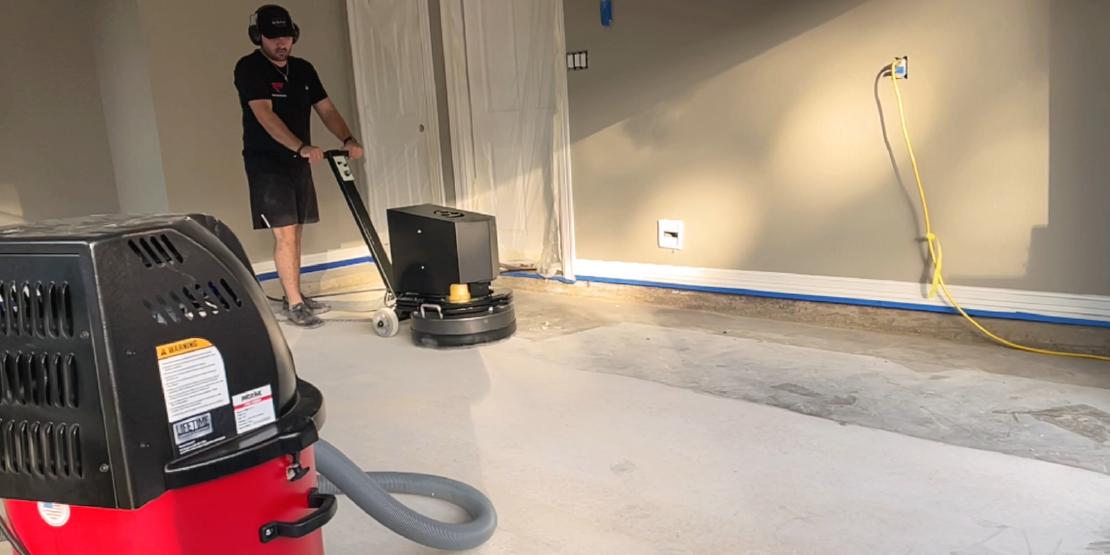
Proper floor preparation plays a pivotal role in moisture control. Whether it is a concrete, wooden, or tiled surface, the condition and preparation of the floor before applying the coating can greatly impact the moisture resistance. This process requires careful assessment of the existing floor, identifying any signs of previous moisture damage, and preparing the surface to ensure it is clean, dry, and smooth.
Key techniques include grinding or shot-blasting for concrete floors, removing any old coatings or sealers, and repairing any cracks or damaged parts. Strong attention is given to mitigating surface irregularities as these can create channels for moisture penetration. Installation of moisture barriers or sealants provides a critical foundation in preventing moisture buildup. It contributes to a longer lifespan for floor coatings and reduces the likelihood of moisture-related issues such as mold, mildew, or structural damage. Consequently, floor preparation becomes a cornerstone for successful moisture control in coated floors.
Techniques for Moisture Testing Before Floor Coating
Moisture testing before floor coating is crucial to achieve a successful and durable flooring solution. Several techniques are available to detect moisture presence and measure its amount. For instance, Calcium Chloride Test, Relative Humidity Testing, and the Anhydrous Calcium Carbonate Test are widely used methods in the flooring industry. Notably, each has its unique procedure and scope, providing a precise way to judge the dampness level of the floor before proceeding to coat. These tests are particularly significant in preventing moisture-related issues that may jeopardize the adhesion and longevity of floor coatings.
In the Calcium Chloride Test, a sealed plastic dome filled with calcium chloride is placed on the cleaned floor area. This salt compound absorbs ambient moisture within a specific timeframe. Later, the weight gain of the used calcium chloride gives an estimated measure of the moisture emitted from the floor. On the other hand, Relative Humidity Testing is more extensive. This method involves drilling small holes into the concrete and placing probes to record humidity levels over time. Unlike the previous test, it provides a comprehensive outlook on the moisture scenario of the entire floor thickness. Armed with accurate moisture measurements, professionals can devise an effective floor coating plan that will yield robust, moisture-resistant floors.
Professional Solutions for Moisture Problems in Coated Floors
Moisture control remains a critical aspect in maintaining the aesthetics and durability of coated floors. Professional solutions offer top-tier methodologies that address moisture issues efficiently and provide long-term protection against future moisture intrusion. Coupling scientific knowledge with practical expertise, these solutions offer a holistic approach to tackling moisture-related problems. They involve assessments to detect potential moisture pockets, creating strategic draining systems, and selecting appropriate moisture-resistant coatings.
One key process in these professional solutions is the usage of advanced moisture mitigation systems. They provide an effective barrier that prevents moisture penetration, ensuring the longevity of the coated floor. Alongside, professional-grade sealers and primers play vital roles in enhancing the moisture-resistance of the coatings. Final maintenance and care instructions are also given to ensure the sustained efficacy of the implemented solutions. This comprehensive approach ensures that the beauty and integrity of the coated floor remain uncompromised, despite potential moisture challenges.
Maintaining and Caring for Moisture Resistant Coated Floors
Maintaining a moisture-resistant coated floor requires regular surveillance and meticulous upkeep. Key to the preservation process is routine cleaning that systematically eliminates dirt and particles, hence limiting possible areas for moisture buildup. The recommended cleaning agents, devoid of harsh chemicals, will not compromise the integrity of the coating. The decision on the type of cleaning agent should be based on the floor coating material to avoid any inadvertent chemical reactions.
Creating a care plan is integral to maintaining moisture-resistant properties. This schedule takes into account factors such as traffic, usage, and environmental conditions affecting longevity. Proactive inspections also play a significant role in early detection of moisture-related problems. Through the inspection, any signs of water leakage, mold, or potential damage can be spotted quickly allowing for prompt action. By following these guidelines, you’re ensuring the durability and persistence of your moisture-resistant coating.
Case Study: Successful Management of Moisture in Coated Floors.
Recently, a large warehouse facility in New Jersey faced significant issues due to moisture problems with its coated floor. The property owner had used a low-quality sealant that was incapable of withstanding the region’s high humidity levels. Over time, the exposure to moisture caused blistering and peeling of the floor coating, severely affecting its aesthetic appeal and operational functionality. Therefore, the need for an immediate solution had become inevitable.
Taking the severity of the situation into account, a team of professional floor coating specialists was hired to resolve this issue. They first conducted comprehensive moisture testing to determine the extent of moisture damage. Based on the findings, a top-quality, moisture-resistant floor coating was selected. Prior to the application of the new coating, the floor was thoroughly prepared by carefully removing the failed coating, cleaning the surface, and allowing it to dry completely. The improved floor coating not only reinstated the floor’s resilience but also dramatically enhanced its appearance. This example showcases the importance of selecting a suitable floor coating and the role of proper floor preparation in managing moisture issues on coated floors.
What issues can moisture pose in floor coatings?
Moisture can lead to several problems in floor coatings such as blistering, peeling, or discoloration. If unchecked, it can degrade the quality of the floor coating, impacting its aesthetics and functionality.
How does moisture affect different types of floor coatings?
Moisture can cause different types of damage to various floor coatings. For instance, it can lead to delamination in epoxy floors, discoloration in acrylic coatings, and corrosion in metallic coatings. The extent to which a coating is affected by moisture can vary depending on its type and quality.
What are some signs of moisture damage on coated floors?
Signs of moisture damage on coated floors can include the appearance of blisters or bubbles, peeling or flaking of the coating, discoloration, and an overall dullness in the finish of the floor.
How does moisture penetrate coated floors?
Moisture can penetrate coated floors as a result of various factors such as improper installation, lack of suitable moisture barrier, or due to the presence of moisture in the substrate at the time of coating.
What are some common causes of moisture on coated floors?
Some common causes of moisture on coated floors can be high humidity levels, leakage or seepage of water, improper floor preparation before coating, or use of low-quality coating materials.
Does climate and weather affect moisture levels in floors?
Yes, climate and weather can significantly impact moisture levels in floors. For instance, regions with high rainfall or humidity can have higher moisture levels in the floors.
How can one prevent moisture in coated floors?
Preventive measures can include using moisture-resistant floor coatings, preparing the floor properly before coating, and regularly monitoring and testing for moisture.
What is the role of proper floor preparation in moisture control?
Proper floor preparation ensures that the substrate is free of moisture before the coating is applied. This can significantly reduce the likelihood of moisture-related problems in the future.
Can one test for moisture before floor coating?
Yes, there are several techniques for testing for moisture before floor coating. These include using moisture meters, calcium chloride tests, or infrared thermography.
Are there professional solutions available for moisture problems in coated floors?
Yes, several companies provide professional solutions for moisture problems in coated floors. These solutions can range from moisture mitigation systems to specialized coatings designed to resist moisture.
How can one maintain moisture resistant coated floors?
Regular cleaning and maintenance, proper ventilation, and periodic moisture testing can help maintain the quality and durability of moisture-resistant coated floors.
Can you share a successful case study on managing moisture in coated floors?
Yes, the article shares a case study on successful management of moisture in coated floors, detailing the problem, the solution implemented, and the results achieved.