
Addressing Moisture Issues in Industrial Environments with Coatings
Understanding the Impact of Moisture in Industrial Settings
In the sphere of industry, moisture presents a significant challenge capable of undermining robustness, productivity, and the lifespan of equipment. This form of unaddressed humidity can incite the corrosion of metal surfaces, compromise the structural integrity of materials, and foster the growth of harmful biological organisms. Prolonged exposure to such conditions can result in the premature failure of machinery thus leading to devastating economic losses, and in certain cases, safety hazards. Thus, managing and mitigating the impact of moisture becomes pivotal to maintaining industrial efficiency.
From processing plants and warehouses to power stations and offshore platforms, every industrial setting boasts of a unique set of conditions, configurations, and moisture-related threats. Be it in the form of airborne humidity, direct contact with water, or indirect influence through weather, moisture-induced damage is an omnipresent menace. However, avenues for abating this risk and safeguarding operations present themselves through advancements in the field of protective industrial coatings. These solutions, specifically designed to curb moisture infiltration, are increasingly being recognized as an instrumental part of maintaining industrial asset longevity and efficient production processes.
The Science Behind Moisture Damage to Industrial Materials
Moisture is more than just a nuisance in industrial settings. It poses significant threats to the structural integrity and performance capabilities of numerous materials through a variety of destructive processes. Irrespective of their strength or resilience, most materials are susceptible to moisture-induced deterioration, which includes corrosion, bio-deterioration, and freeze-thaw damage.
Corrosion, the most common moisture-related damage, occurs from a chemical reaction when moisture meets a metal surface, leading to the formation of iron oxide or rust. This rust weakens the structural integrity of the metal, causing it to crumble, chip, or disintegrate over time. Bio-deterioration is another moisture-induced issue where moisture provides a conducive environment for biological organisms like fungi, mold, and bacteria, thereby damaging or weakening materials. Lastly, freeze-thaw damage is common in colder climates, where water seeping into materials freezes and expands, leading to fractures and cracks. This understanding of the science behind moisture damage is crucial for formulating effective preventative strategies and measures.
Evaluating the Role of Coatings in Moisture Control
Coatings play an indispensable role in moisture control within industrial settings. They act as a barrier between a surface and the surrounding environment, preventing the intrusion of water and moisture. This protective layer is essential to maintain the integrity of installed equipment and infrastructure, defending against corrosion, degradation, and general wear.
A wide array of coatings are utilized, with types varying based on the specific requirements of the industry. Some are formulated for high humidity settings, others for areas prone to water contact, and there are those designed to withstand harsh chemical environments. However, all share the common purpose of moisture defense, an integral aspect in prolonging the life span of industrial materials and equipment.
Types of Coatings Used for Moisture Protection
In industrial environments, moisture-resistant coatings come in many different types, designed to combat harsh conditions. Each type brings unique properties that help to mitigate corrosion, oxidation, and other forms of moisture-related deterioration. Epoxy coatings, polyurethane coatings, and ceramic epoxy coatings are among the most utilized types. These coatings work by forming a barrier that prevents moisture from making contact with the underlying materials.
Epoxy coatings, favored for its exceptional adhesion and chemical resistance, form a hard, tough, and moisture-resistant surface. Polyurethane coatings, on the other hand, provide excellent UV resistance and can endure thermal fluctuations with little material deformation. Ceramic epoxy coatings, a relatively new entrant into the scene, integrate ceramic particles into epoxy resins to provide an even denser and more resilient barrier. A detailed understanding of the features and benefits of each coating type allows for informed and efficient moisture control in industrial settings.
The Chemistry of Coating Materials for Moisture Defense
Industrial materials widely benefit from specialized coatings chemically designed to provide robust protection against moisture. Different types of organic and inorganic compounds are used in the formulation of these coatings. Organic compounds, such as epoxy and polyurethane, are known for their high adhesive strength and resistance to corrosive substances. Inorganic compounds, on the other hand, such as zinc and phosphate, tend to excel in resisting oxidation and providing a solid defense against moisture intrusion. This varied chemistry enables coatings to deliver both an effective barrier and a tenacious adherence to the material surface.
The development of moisture-resistant coatings heavily banks on nanotechnology. Nanoparticle-filled coating materials dramatically augment the moisture defense mechanisms of these protective layers. Silica, alumina, and zinc oxide nanoparticle fillers can significantly enhance the moisture resistance properties of coatings. These particles fill in the micro-pores of the coating surface, effectively blocking the pathway of moisture ingress. To achieve optimal results, nanotechnology is paired with the careful formulation of organic and inorganic compounds, fusing the powerful resistance properties of both domains of chemistry.
How Coatings Protect Industrial Surfaces from Moisture
Moisture-resistant coatings perform a critical role in shielding industrial surfaces from adverse moisture effects. They act as an impermeable barrier between the surface of the material and the surrounding environment, effectively keeping water and vapor at bay. The science behind this process relates to the unique chemistry of the coating materials, which are designed to repel water molecules and prevent their ingress into the industrial surface. Thus, the coated area remains dry and free from damages associated with moisture, such as corrosion, deterioration, or microbial growth.
The effectiveness of moisture-resistant coatings extends to the nanoscale level, where it provides an obstacle to water penetration by filling minute voids and cracks in the surface. In essence, coating technologies form a physical shield against invading moisture and also offer a chemically active defense in some cases. When applied properly, these coatings can extend the lifespan of industrial surfaces significantly, preserving their functional and aesthetic attributes for extended periods, regardless of surrounding moisture conditions.
Application Techniques for Moisture-Resistant Coatings
Different techniques can be employed to apply moisture-resistant coatings depending on the type of coating material and the surface it is applied to. Priming the surface is often the first step, setting a stage that ensures proper adhesion of the coating. A perfectly prepared surface allows the coating to gently bond, eliminating any chance of air bubbles or impurities. The primer also serves as an extra layer of protection against moisture and can help in maintaining the vivacity of the topcoat.
Most widespread application methods include spraying, rolling, and brushing. Factors like the size and complexity of the surface, the required speed of application, and the characteristics of the coating material determine the most suitable method. When spraying, the coating is atomized into tiny droplets that uniformly cover the surface. Brushing and rolling, on the other hand, allow for greater precision but might take more time. It is essential to apply the coating evenly to avoid patches and ensure effective moisture control. The thickness of the coating, layers applied, and curing time also play pivotal roles in how well the coating functions.
Maintenance and Inspection of Coatings in Industrial Spaces
Regular inspection and maintenance practices are vital to the longevity and efficacy of moisture-resistant coatings in industrial environments. These protective layers, although resilient and designed to withstand harsh conditions, are not completely impervious to wear and tear. The process of maintaining these coatings involves routine, detailed inspections to identify any areas of potential damage or wear. Particular attention should be given to detect the signs of corrosion, chipping, peeling, or other noticeable deformities.
One effective approach is the use of advanced inspection tools such as ultrasonic thickness gauges, coating condition monitoring systems, and indirect measurement methods like electrical impedance spectroscopy. More than just identifying damage, the maintenance of these coatings involves timely repairs and, in severe cases, complete re-application. In areas prone to high moisture levels or corrosive substances, more frequent checks and coating upgrades may be required. Regular maintenance and inspection not only help to extend the lifespan of these coatings but also significantly enhance their performance in preventing moisture-induced damage.
Case Study: Successful Use of Coatings in a Moisture-Prone Industry
In the seafood processing industry, one stands out as a striking success story when it comes to the use of protective coatings in a moisture-rich environment. The Alaska Seafood Processing Company (ASPC), located in an environment with high moisture content due to its coastline location and the nature of the work, was facing an issue with constant equipment corrosion. In 2013, they decided to apply a special coating, known as MoistureGuardTM, to reduce the moisture damage.
The initial results post-application were encouraging, with a notable reduction in the dampness signs on the machinery - a common reason that led to their frequent breakdowns. Over time, the ASPC witnessed significant cost savings, with a decrease in machine repair and replacement costs. Additionally, the company’s safety records improved, with fewer accidents reported due to equipment failures. The ASPC story illustrates how the judicious application of coatings could help industries combat moisture challenges effectively.
Common Challenges and Solutions in Applying Moisture-Resistant Coatings
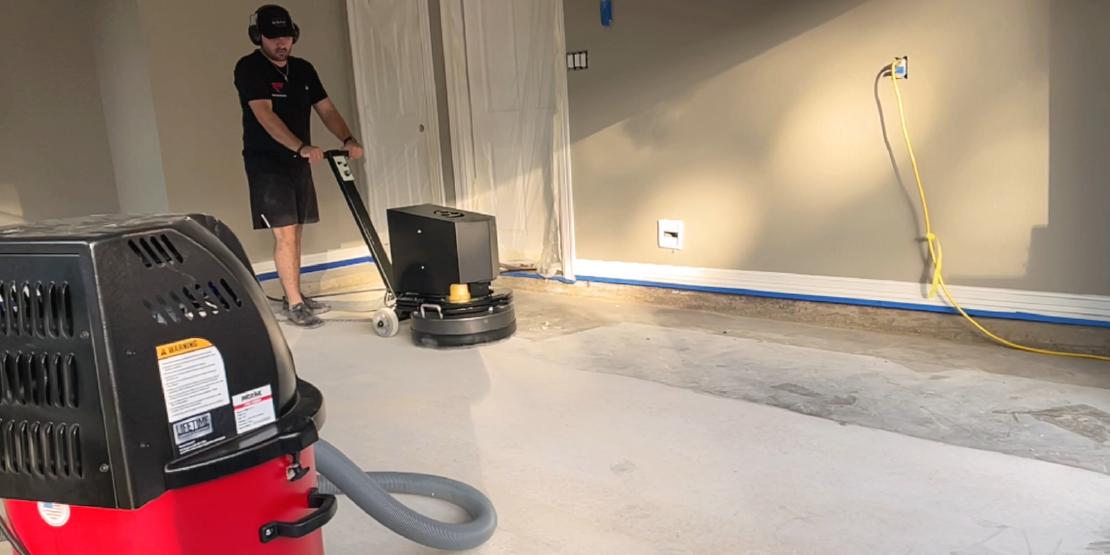
Applying moisture-resistant coatings in industrial settings often involves a range of challenges. One significant hurdle is ensuring a clean, prepared surface for the application of the coating. The presence of dirt, dust, rust, or existing damaged coatings can significantly hinder the adhesion of the new coating, thus diminishing its effectiveness in creating a moisture barrier. This problem necessitates an often time-consuming and labor-intensive process of surface cleaning and preparation prior to coating application.
However, solutions have been developed to address these issues. Detail-oriented surface preparation techniques have been developed to ensure an optimal adhesive surface for the coating. In addition, advancements in coating technology now allow for the inclusion of additives to improve adhesion and offer better mud-cracking resistance. Some modern formulations also tolerate a certain level of surface impurities, granting more flexibility during application. Furthermore, regular inspections and maintenance programs are indispensable in maximizing the lifespan and effectiveness of applied coatings. The second challenge is the difficulty of achieving uniform coating thickness. Uneven application can lead to areas with insufficient coverage, which are more susceptible to moisture penetration. This problem is especially prevalent when applying coatings on complex structures with numerous nooks and crannies, as these areas are often harder to reach.
• Solution: The use of specialized equipment such as airless sprayers or electrostatic spray systems can help ensure a consistent coat thickness across all surfaces. These tools allow for precise control over the amount of coating applied in each area, reducing the risk of uneven coverage. Additionally, training workers in proper application techniques can also play a significant role in addressing this issue.
Another common issue is dealing with environmental conditions during application. High humidity levels and low temperatures can affect both the drying time and overall performance of moisture-resistant coatings.
• Solution: It’s crucial to monitor weather conditions closely before and during the coating process. If unfavorable conditions persist, temporary protective enclosures may be used to create an optimal environment for applying and curing the coating.
Lastly, there’s also potential health risks associated with exposure to certain types of moisture-resistant coatings that contain volatile organic compounds (VOCs).
• Solution: To safeguard worker health, it’s important to provide appropriate personal protective equipment (PPE) such as respirators or ventilation hoods during application processes involving VOC-containing products. Moreover, many manufacturers now offer low-VOC or VOC-free alternatives that pose fewer health hazards without compromising performance quality.
In conclusion:
• Thorough surface preparation techniques are key in ensuring strong adhesion between substrate materials and new coatings • Advanced technologies like airless sprayers aid in achieving uniform layer thickness • Monitoring environmental factors helps optimize drying times • Personal protective measures reduce safety risks associated with VOC exposure
By implementing these solutions alongside regular inspections and maintenance programs companies will be well-equipped to navigate any challenges they face while applying moisture-resistant coatings
Advancements in Coating Technology for Moisture Defense
In recent years, significant strides have been made in the realm of coating technology aimed at fortifying industrial materials against moisture damage. Innovation has been spurred by the increasing need to protect sensitive machinery and infrastructure from deteriorative effects such as rust, corrosion, and microbial growth, resulting from prolonged exposure to moisture. A range of high-performance coatings, employing novel materials and advanced chemical formulations, have made their way into the market. These include nano-coatings, smart coatings and highly impermeable polymers, all designed to provide superior moisture, corrosion, and chemical resistance.
It is also noteworthy to mention the trending development in self-healing coatings. Distinct from traditional protection schemes, these advanced materials capitalize on cutting edge chemistry to endow the coated surfaces with a unique ‘healable’ trait. In the event of a coating breach or microcracking, these materials can autonomously ‘heal’, restoring the protective layer and preventing moisture ingress. This technology not only ensures continual moisture defense, but also paves the way for longer lifespan and reduced maintenance requirements for industrial assets.
The Future of Moisture Protection: Innovative Coating Solutions
In the field of industrial protection, notable leaps are being made in the domain of moisture defense through innovative coating solutions. Material science and nanotechnology are leading the race, offering solutions with enhanced durability, resistance, and eco-friendliness. These advancements promise tremendous potential in protecting a variety of surface types against corrosion, degradation, and moisture-induced damage. In fact, many of these technologies are proving to be game-changers, enabling industries to work in exceedingly moist environments without compromising on the lifecycle of their equipment or on the safety of their staff.
Several up-and-coming coating technologies can potentially redefine the way industries manage moisture issues. Ultra-hydrophobic coatings, for example, use nanotechnology to accomplish incredible feats of moisture repellence. These coatings create a near frictionless surface, reducing moisture adherence and minimizing surface deterioration. Another cutting-edge development is the use of smart coatings. These are coatings capable of responding to changes in their environment, such as fluctuations in temperature or humidity levels, and automatically adjusting their properties to provide optimal protection. As we continually push the boundaries of technology, the scope for moisture protection in industrial settings also expands, offering unprecedented possibilities for safeguarding equipment and infrastructure.
The Cost and Value of Implementing Coating Solutions for Moisture Control
Implementing coating solutions towards moisture control in industrial environments has become an essential investment. These coatings, despite presenting an upfront cost, provide significant return in various forms. Particularly, they prevent costly moisture damage and reduce necessary maintenance, thus resulting in long-term savings. Like all good investments, the value of these moisture-resistant coatings directly correlates with the initial cost, implying the procurement of high-quality, more expensive coatings often pays off in the long run.
However, it’s essential to consider all relevant aspects of costs when evaluating the value of these coating solutions. Apart from the raw material and application costs, additional expenses could arise from labor, infrastructure modifications, and potential production downtime during the coating process. Only with a comprehensive understanding of these factors can industries accurately assess the cost-effectiveness of these solutions. Despite the complexities, numerous case studies and testimonials suggest appropriate moisture-resistant coatings can offer substantial value, proving to be an asset for industries operating in moisture-prone environments.
What is the impact of moisture in industrial settings?
Moisture in industrial settings can cause significant damage, affecting the performance, longevity and safety of equipment. It can lead to corrosion, mould growth and other structural damages, resulting in costly repairs and downtime.
How does moisture damage industrial materials?
Moisture damage in industrial materials typically occurs due to the chemical reactions between the water molecules and the material. This can result in rust, corrosion, and other forms of material degradation.
How do coatings play a role in moisture control?
Coatings serve as a protective layer on industrial surfaces, preventing direct contact between the material and moisture. This helps in reducing corrosion, rusting and other forms of moisture-related damage.
What are the common types of coatings used for moisture protection?
Some common types of coatings used for moisture protection include epoxy, acrylic, polyurethane, and silicone. Each comes with its own set of properties and advantages for specific industrial settings.
How do coatings protect industrial surfaces from moisture?
Coatings work by creating a physical barrier that prevents moisture from coming into contact with the surface of the material. They also contain chemicals that resist the harmful effects of moisture.
What are some techniques for applying moisture-resistant coatings?
Techniques for applying moisture-resistant coatings can include brushing, rolling, spraying or immersion. The choice of technique often depends on the type of coating, the size and shape of the equipment, and the specific industry requirements.
How often should the coating in industrial spaces be inspected and maintained?
Regular inspection and maintenance is crucial for the effectiveness of coatings. The frequency may depend on the type of coating, environmental conditions, and the specific industry guidance. Experts usually recommend at least an annual check.
Can you provide an example of successful use of coatings in a moisture-prone industry?
One example could be the shipping industry, where coatings are extensively used to protect ships from the corrosive effects of seawater. These coatings prevent rusting and corrosion, thus extending the lifespan of the ship’s structure.
What are some challenges in applying moisture-resistant coatings and how can they be addressed?
Some challenges include ensuring a clean and dry surface before application, selecting the right type of coating for the specific material and environment, and applying the coating evenly. These can be addressed by following thorough surface preparation procedures, consulting with coating experts, and using appropriate application techniques.
How has coating technology advanced for moisture defense?
Coating technology has advanced significantly, with new formulations providing better moisture resistance, longer lifespan, and easier application. Some advancements include nano-coatings and smart coatings that can self-heal or change properties in response to the environment.
What is the future of moisture protection in terms of innovative coating solutions?
The future of moisture protection involves the development of more efficient and environmentally friendly coating solutions, which can provide superior protection against moisture and corrosion. This could include materials with self-healing properties, or coatings that can adapt to changing environmental conditions.
What is the cost and value of implementing coating solutions for moisture control?
The cost of implementing coating solutions can vary widely depending on the type of coating, the size and complexity of the project, and other factors. However, the value is significant as it helps to prevent costly repairs and replacement of equipment, reduce downtime, and enhance safety. In the long run, these benefits often outweigh the initial investment.