
Addressing Moisture Issues with Proper Coatings
Understanding the Problem: Moisture Damage
Moisture damage is a pervasive issue menacing infrastructure globally. It refers to the various problems associated with excess moisture and water intrusion in buildings and structures, leading to their deterioration and potential failure. Surfaces, when exposed to repeated or constant damp conditions, incur damages that might be invisible initially but can become glaringly apparent over time. This damage can include swelling, warping, staining, decay, or even complete structural failure in severe situations.
The factors contributing to moisture damage are manifold - varying from climatic conditions such as high humidity or heavy rainfall to poor building design or flawed construction practices. Unprotected materials succumb to the damaging effects of moisture, weakening the integrity of structures and, importantly, jeopardizing the safety of the occupants. Consequentially, comprehending the prevalent issue of moisture damage is the first step towards effective moisture management and prevention. With this understanding, one can make a well-informed choice on appropriate measures, including the use of moisture-resistant coatings.
The Causes of Moisture Buildup
Moisture buildup can result from various sources, contributing to an unfavorable environment for both residential and commercial buildings. Often, inadequate ventilation is a primary factor, particularly in areas such as bathrooms, kitchens, and basements where humidity levels tend to be high. This situation is exacerbated when air-tight modern construction inhibits proper air circulation, causing water vapor to become trapped indoors.
Leaks in the building structure are another significant cause of excessive moisture. Faulty plumbing, roof leaks, and cracks in walls or the foundation can allow water to seep indoors gradually. Meanwhile, condensation can also present issues, occurring when warm, humid air comes into contact with cooler surfaces, leading to droplets that can accumulate over time. Furthermore, external factors such as poor drainage systems and climatic conditions, including heavy rain or high humidity, contribute to the overall moisture buildup.
The Impact of Moisture on Different Surfaces
Moisture exposure plays a significant role in deteriorating various surfaces and materials, affecting their durability extensively. The damage influences different surfaces in various ways, often leading to corrosion, rotting, or mold and mildew growth. Metal surfaces, for example, are prone to rust - a form of oxidation that occurs when metal, oxygen, and water interact. The formation of rust not only mars the aesthetic appeal of the surface but also weakens the structural integrity over time.
In contrast, wood and fiber-based materials suffer extensively due to moisture, resulting in the expansion, warping, or even rotting of the material. Prolonged exposure to moisture can lead to the growth of mold and mildew, causing health hazards for inhabitants. Similarly, concrete and masonry surfaces are not immune to moisture damage. The phenomenon of efflorescence - a crystalline deposit of salts often seen on the surface of concrete, brick, stucco, or natural stone surfaces, can cause aesthetic and structural damage.
Identifying Signs of Moisture Damage
Early recognition of moisture damage can save considerable time, money, and trouble. When seeking signs of moisture damage, one of the most identifiable signs is discoloration on walls, floors, and ceilings. The color tends to lean towards a brown or yellowish shade, and it often takes on a ring-like appearance as the moisture spreads and saturates the surrounding materials. Furthermore, ongoing moisture problems can result in a particular damp, stale, and musty smell that permeates the area.
Another visible sign of excess moisture is peeling paint or wallpaper, which can hint at humidity levels being persistently high. High humidity can cause materials like wood to swell and warp, creating visible deformations that can be a clear signal of ongoing moisture damage. Other more subtle signs may include rust on metal items, an increase in the amount of pests such as spiders or silverfish, and a general feeling of dampness in the air. The urgency in mitigating these issues can’t be overstated, as prolonged moisture exposure can lead to more significant structural damage and potential health hazards.
The Science of Coatings: An Overview
Coatings play a crucial role in controlling and preventing moisture damage. They create a barrier between the surface and the surrounding environment, hindering the passage of water and water vapor. The science behind this revolves around the interaction between the coating material and the surface, which ultimately leads to bonding and the formation of a protective layer. The type of coating chosen for a specific task often depends on factors like durability, adhesion properties, and water resistance.
While there are several types of coatings available, the primary ones used for moisture protection are water-repellent coatings and vapor-permeable coatings. Water-repellent coatings offer a barrier that deflects water and prevents it from penetrating the surface. Their hydrophobic nature ensures that water droplets slide off surfaces, reducing the possibility of moisture buildup. In contrast, vapor-permeable coatings allow water vapor to pass through without letting liquid water penetrate. This feature is particularly useful in conditions where condensed moisture needs to be released to prevent damage. By understanding the science behind these coatings, the most suitable choice can be made based on specific requirements.
Choosing the Right Coating for Moisture Protection
Understanding the right coating to prevent moisture damage can make a significant difference in maintaining physical infrastructure. Key factors such as substrates’ composition, location (interior or exterior), environmental conditions, level of existing damage, and the expected useful life should be considered. Additionally, physical properties such as viscosity, temperature resistance, UV resistance, and flexibility are vital factors to acknowledge. The selection process might be challenging, but the resulting long-term benefits are well worth the effort.
Numerous categories of coatings are employed for moisture protection. Epoxy coatings, for instance, are popular due to their durability, non-permeability, and adherence to different surfaces. These qualities make them an excellent choice for environments exposed to high moisture content. In areas with severe water exposure, polyurethane coatings may be more suitable due to their high water resistance and durability. But ultimately, choice must result from a balanced consideration of all factors related to the specific environment and material conditions. Remember, while all coatings can offer protection, the right one will maximize its effectiveness.
Application of Moisture-Resistant Coatings
When it comes to protecting surfaces from moisture damage, the application process is critical. A well-executed procedure can strengthen the level of protection, while a poorly performed task could leave the surface susceptible even after coating. It’s not enough to merely apply the coating; the quality of its performance depends largely on the method of application, coverage rate, and uniformity. Application of moisture-resistant coatings must always be conducted under the right environmental conditions to prevent issues of adhesion and premature failure.
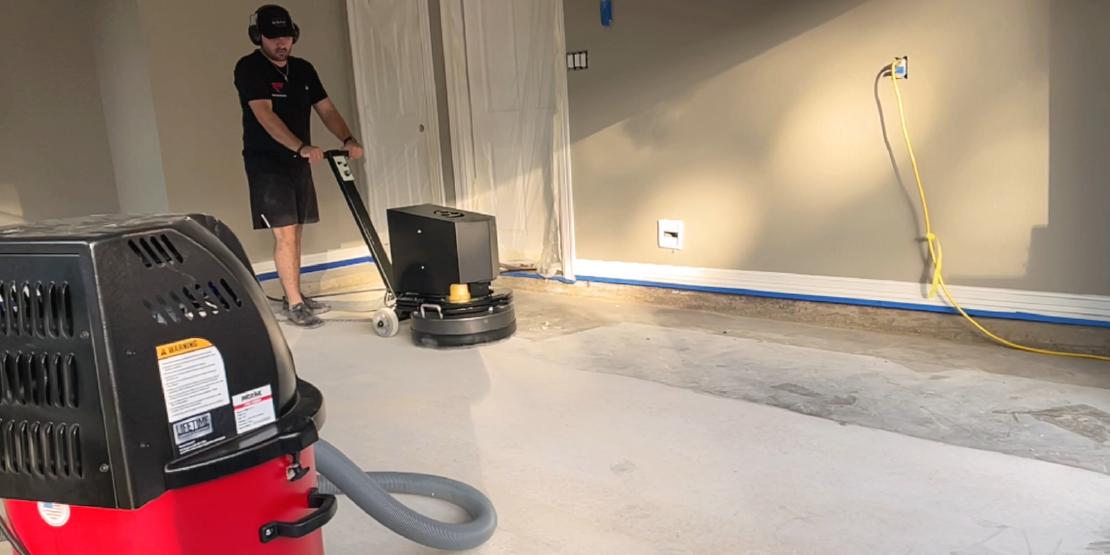
Moisture-resistant coatings should be applied in thin, even layers. A ventilation system should be used in confined spaces to ensure proper drying and curing of the coating, reducing the risks of surface defects and coating failure. Before application, it’s crucial that the surface be cleaned to remove any dust, dirt or contaminants that may interfere with the adhesion of the coating. Use of coating sprays, brush, or roller can depend on the size, shape, and site conditions. After applying the first layer, a reasonable waiting period, depending on the product specification, is required before applying the second layer to ensure that the coating adequately adheres to the surface.
The Role of Primers in Moisture Prevention
When it comes to preventing moisture damage, one pivotal component that should not be overlooked is the primer. Primers provide an important base for subsequent layers of coating, serving not just as a blanket but a bridge between the substrate and the coating. As such, primers play an imperative role by enhancing the adhesion of the coating, ensuring a much more sustained and durable protection against moisture.
The right primer not only boosts the overall effectiveness of the moisture-resistant coating but also improves its longevity. When using a primer, a barrier gets created which prevents the moisture from reaching the surface, thwarting potential damage. However, it is important to understand that not all primers deliver the same performance. The selection of primer should be based on the type of surface as well as the expected environmental conditions. Additionally, proper application is crucial to maximize the moisture preventing efficiency of primers.
Maintaining and Inspecting Coated Surfaces
Regular maintenance is the key to upholding the potency of moisture-resistant coatings. It involves periodic cleaning, especially in areas prone to high exposure to moisture, such as bathrooms, basements or kitchens. Thoroughly cleaning the surface from time to time helps maintain the integrity of the coating by averting the accumulation of dust and grime, which could affect the coating performance. Of importance are the commercial cleaning products planned for use. It would be best to avoid harsh cleaners that could possibly cause harm to the coatings. Therefore, mild cleaning products are highly advisable to achieve a careful balance between cleanliness and coating preservation.
On the other hand, inspection of coated surfaces should occur at regular intervals to ensure the continuous efficiency of the moisture-resistant coating. Special attention should be paid to any signs of wear or deterioration such as bubbling, peeling or chipping of the coating, which indicate that a reapplication may be soon necessary. An important aspect to consider during inspection is the moisture level. If there has been a significant increase, then there are probable chances that a reapplication must occur. Furthermore, an unexpected change in the colour or texture of the coated surface may imply underlying moisture damage, necessitating an immediate action plan. • Regularly clean coated surfaces, particularly in areas with high moisture exposure such as bathrooms and kitchens. This prevents dust and grime accumulation that could interfere with the coating’s performance. • Use mild cleaning products instead of harsh ones. Strong cleaners may damage the surface coating, compromising its moisture-resistance capabilities. • Plan for regular inspections of coated surfaces to ensure they remain effective in resisting moisture. • Pay special attention to signs of wear or deterioration like bubbling, peeling or chipping during these inspections. These are indicators that a reapplication might be necessary soon. • Keep an eye on the moisture level during inspection; a significant increase suggests that it might be time for a reapplication. • Be aware of any unexpected changes in colour or texture on your coated surface - this could indicate underlying moisture damage which needs immediate remedial action.
In conclusion, maintaining and inspecting coated surfaces is crucial for preserving their effectiveness against dampness. By following these guidelines and paying close attention to potential signs of trouble, you can ensure your coatings last longer while providing optimal protection against unwanted moisture-related issues.
Common Mistakes When Applying Moisture-Resistant Coatings
One of the most frequent debunked errors in the application of moisture-resistant coatings is the failure to prepare the surface adequately. Many individuals erroneously assume that a coat of paint or sealant applied directly to a surface will lock out moisture. However, without proper cleaning, leveling, and drying beforehand, the coating may fail to adhere correctly. Even microscopic amounts of dust, oils, or residue can interfere with the adhesion process, leading to premature peeling or bubbling.
Additionally, another common pitfall is using the wrong type of coating for a given situation. Not all coatings are created equal and forgetting to account for variations in temperature, humidity, or material may result in poor moisture protection. For instance, a coating that works well in a cold, dry climate may not fare as well in a humid, tropical environment. Those missteps can lead to undue moisture damage and increased costs for rectification. It’s essential to remember that taking the time to select the right type of protective coating can save a lot of hassle and money in the long run.
The Cost-effectiveness of Using Coatings for Moisture Control
Investing in coatings for moisture control can provide a considerable return over the long term. High-quality sealants and coatings that keep moisture at bay can prevent structural damage, saving property owners significant costs in repair and restoration. Consequently, the initial outlay for these materials is balanced by the savings achieved through their protective properties. Cost-effectiveness indeed comes into play when considering the potential loss from uncontrolled moisture damage against the cost of using coatings for moisture control.
Buildings exposed to wet or humid environments are at a particularly high risk of moisture damage. Expensive maintenance like re-stucco, repainting, or even costly replacements, can be avoided by using moisture-resistant coatings. These coatings shield the surfaces from water absorption, thereby enhancing their lifespan. In large structures like commercial establishments or large residential buildings, this could potentially mean substantial cost savings. Thus, coatings for moisture control offer a fiscally responsible and practical solution that helps in maintaining the structural integrity of buildings.
Case Studies: Success Stories of Moisture Control with Coatings
To highlight the efficacy of moisture-resistant coatings, consider the case of a mid-century office building in the damp and rainy city of Seattle. Years of exposure to high humidity levels and recurrent precipitation had led to significant moisture damage of its exterior. Raw materials, predominantly brick and wood, were showing visible signs of decay resulting in extensive repairs and replacements. To tackle the ongoing issue, the building management decided to opt for high-quality moisture-resistant coatings. In the post-application phase, both a remarkable reduction in moisture absorption and improvement in the building’s overall aesthetic was noted, further emphasizing the indispensable role coatings play in moisture control.
In another instance, a historic public library located in humid Savannah, Georgia, was grappling with a severe moisture problem affecting its interior walls and priceless paper archives. Traditional solutions seemed inefficient and the harm was escalating swiftly. The urgency of the situation mandated cutting-edge moisture solutions and hence, novel coatings were employed. These coatings were formulated specifically for interior use, with the goal of protecting susceptible surfaces from excess moisture. Their application led to a significant decrease in dampness whilst preserving the historical integrity of the structure. A follow-up study after five years revealed that the previously rampant issue had been nearly eradicated. Thus, these cases underscore the success of innovative coatings in combating moisture damage under varied circumstances.
Future Trends in Moisture Prevention and Coatings Technology
The advent of nanotechnology has considerably influenced the moisture prevention bandwagon, revolutionizing the development of novel, potent coatings. Innovations such as nano-coatings, which establish a fully repellent surface, have the potential to dramatically reduce the occurrence of moisture damage. These advanced coatings consist of nanoparticles which interact with the surface at a microscopic level to form a shield, providing unparalleled durability and protection. The increasingly prevalent use of these hi-tech materials is expected to continue marking a significant trend in the forthcoming years.
Conversely, smart coatings are another technological leap in the realm of moisture prevention. These dynamic, multifunctional systems can respond to environmental changes such as temperature and humidity, making them incredibly effective solutions for moisture control. They not only protect surfaces from moisture but also repair themselves if damaged, thereby enhancing the lifespan and reducing the maintenance cost linked to many infrastructures. This remarkable progress in smart, self-healing coatings embodies the future direction of the coatings industry and its commitment to moisture control.
What causes moisture build-up?
Moisture build-up can be caused by a variety of factors, including humidity, condensation, leaks, poor ventilation, and even certain types of building materials.
How does moisture impact different surfaces?
Moisture can cause various types of damage to different surfaces - it can lead to rusting in metals, warp and rot in wood, and encourage the growth of mold and mildew in porous materials.
What are the signs of moisture damage?
Signs of moisture damage can include visible water stains, peeling or bubbled paint, warped wood, rust on metal surfaces, a musty smell, and the growth of mold or mildew.
Can you give me an overview of coating technologies used for moisture protection?
Coating technologies for moisture protection include various types of paints, sealants, and specialized coatings designed to repel water and resist moisture absorption. The choice of coating will depend on the surface material and the specific conditions it is exposed to.
How do I choose the right coating for moisture protection?
The right coating for moisture protection will depend on various factors, including the type of surface, the conditions it’s exposed to, and the potential for moisture exposure. Consulting with a professional or doing thorough research is recommended.
What is the role of primers in moisture prevention?
Primers play a crucial role in moisture prevention. They provide an initial layer of protection and help the top layer of paint or coating adhere better, enhancing its moisture-resistant properties.
What are the common mistakes when applying moisture-resistant coatings?
Common mistakes when applying moisture-resistant coatings include not properly preparing the surface, applying the coating too thinly or unevenly, not allowing sufficient drying time between coats, and using a coating that’s not suitable for the specific conditions.
How cost-effective are coatings for moisture control?
While the initial investment in moisture-resistant coatings can be significant, they can prove cost-effective in the long run by preventing the need for costly repairs due to moisture damage.
What are some future trends in moisture prevention and coatings technology?
Future trends in moisture prevention and coatings technology include the use of nanotechnology to create coatings with superior moisture resistance, the development of environmentally-friendly coatings, and the use of smart coatings that can detect and respond to changes in moisture levels.