
Advanced Floor Coating Application Techniques
Understanding the Basics of Floor Coating
Floor coating is an essential aspect of maintaining and preserving concrete surfaces. These special coatings offer a plethora of benefits such as extending the life of the floor, enhancing its aesthetic appeal, and improving its resistance to wear and tear. It’s a critical process that tackles multiple issues including cracks, stains, and other surface irregularities, ultimately ensuring that the floor remains robust, smooth, and visually pleasing.
There’s an expansive range of floor coating options available, each equipped with unique properties to meet differing requirements. Coating materials include epoxy, polyurethane, and acrylic, each serving distinctive purposes, from protection against harsh chemicals to simply bestowing a glossy finish. Having a rudimentary knowledge of these types helps in selecting the most suitable one according to specific needs and circumstances, thus maximizing the benefits provided by the coating operation.
The Importance of Surface Preparation
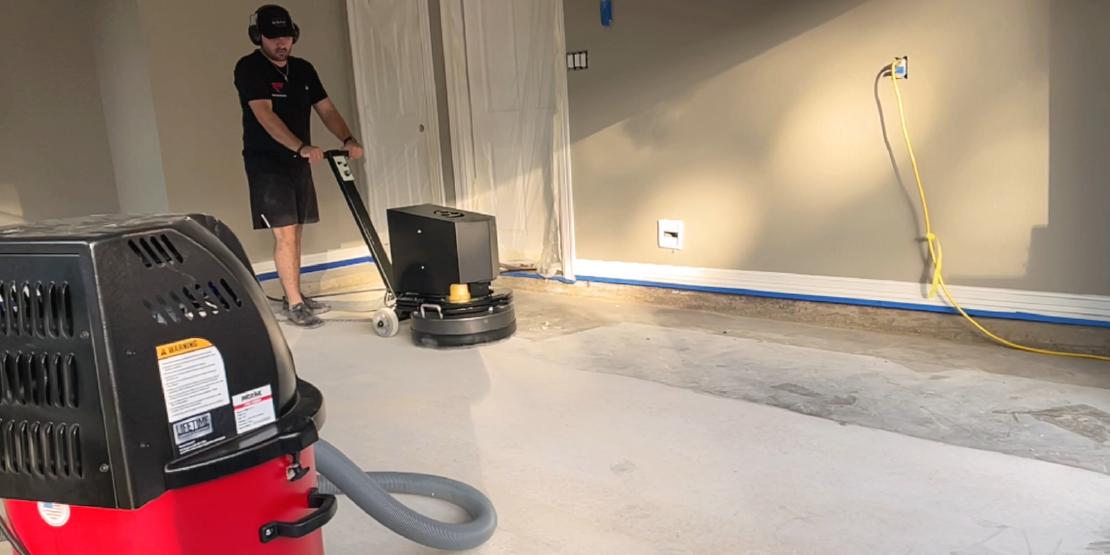
Before embarking on any floor coating project, the crucial step of surface preparation cannot be underscored enough. Surface preparation is the rudimentary procedure that helps ensure the durability and longevity of the coating. This step facilitates the firm adherence of the coating to the floor’s surface, thus preventing the unsightly and potentially damaging peeling or flaking of the coating in the long run.
It involves several processes including grinding, patching, and cleaning, all aimed at creating a smooth and clean surface. Proper surface preparation eliminates contaminants such as dust, debris and oils, which would otherwise inhibit the efficient binding of the coating materials to the surface. Additionally, it aids in the identification and rectification of surface defects, thereby achieving a floor that is flat and level, an ideal condition for successful coating adherence.
Exploring Different Types of Floor Coatings
Floor coating technology has significantly advanced to offer a myriad of options tailored to various needs and applications. Broadly, they can be categorized into three varieties; Epoxy, Polyurethane, and Acrylic. EPOXY coatings are widely revered for their superior adhesive properties, durability, and resistance to chemicals. Ideal for heavy-duty industrial settings, they provide an impervious barrier to substances like oil or solvents. Their ease of application, coupled with an aesthetically pleasing high-gloss finish, makes them an excellent option.
POLYURETHANE coatings, on the other hand, provide superior resistance against UV radiation and possess excellent color retention properties. They are highly flexible, able to contract and expand with floor movements, making them less likely to crack or peel. ACRYLIC coatings, typically used on outdoor concrete surfaces, have the advantage of quick drying times and UV resistance. Understanding the unique attributes of these different floor coating types is crucial to selecting the right solution for a specific floor system.
Guide to Proper Mixing of Coating Materials
The precise mixing of coating materials is a critical component in the floor coating application process. The key to achieving a durable, long-lasting coating largely depends on how accurately and thoroughly the materials are mixed. This ensures that the essential elements in the coating solution are uniformly dispersed, which allows the coating to adhere properly and perform at its peak.
One fundamental aspect in the mixing process is understanding the correct ratios between different components. Although these ratios may vary depending on the specific product, a common rule of thumb is to meticulously follow the manufacturer’s instructions. Under or over mixing can lead to ineffective coating, while improper ratios can result in a less durable finish. Using professional-grade mixing equipment can greatly enhance the precision and effectiveness of this process.
Applying Primer: A Crucial Step
Priming the surface is an essential step in the process of floor coating. It guarantees the strong adhesion of the color coat to the floor’s surface by providing a smooth and clean base. Primer assists in highlighting any imperfections or inconsistencies present on the surface, allowing for an early detection and correction procedure. An appropriately primed floor is also less likely to show signs of peeling or chipping, thereby prolonging the life-span of the coating.
There exist a broad spectrum of primers specifically designed for different types of floor materials. It is crucial to choose the correct primer based on the nature of the surface to be coated. Some surfaces are more porous and require a thicker coat of primer, while others require only a thin layer. More importantly, neglecting primer application can result in poor adhesion of the final coat, defeating the purpose of floor coating. Hence, primer application is a critical step in any floor coating process, which ensures the longevity and durability of the applied coat.
Techniques for Applying the Base Coat
To ensure a successful floor coating application, skillful incorporation of a base coat plays an integral role. This crucial layer not only influences the final appearance but also decides the durability and resilience of the floor coating. Employing the right application methods and tool selection can make a significant difference in the end result.
In the world of floor coatings, the common method to apply base coats involves using a roller or brush. This technique aids in maintaining control over the thickness of the application. While a brush is preferable for smaller areas and corners, a roller, due to its wide coverage, is desirable for broader areas. It’s paramount to maintain even coats, avoiding excessive thickness, which can lead to cracking over time. Additionally, understanding the drying time between coats is significant for a succesful result, typically a well-transitioned 24 hour gap before recoating is advisable. Following these tested guidelines yields a strong, durable base coat that serves as the cornerstone for a high-quality floor coating.
Working with Multiple Coating Layers
The process of applying multiple coating layers requires meticulous precision and patience. Each layer is instrumental in enhancing the floor’s durability, aesthetic appeal, and resistance to various elements. Therefore, understanding the properties and interaction of various layers becomes paramount. Enhanced knowledge allows for a seamless blending of different coating layers, thereby ensuring optimal benefit and longevity.
One common framework involves an initial primer layer, followed by one or more base coats, and finally, a top or sealant coat. Each layer has a specific role; the primer ensures better adhesion to the surface, the base coat provides color and texture, and the sealant layer provides protection. Between each application, ample drying time must be allowed. This facilitates the proper bonding of each layer, ensuring that the final product exhibits the desired qualities and maintains its integrity over time.
The Role of Sealants in Floor Coating
One of the pivotal stages in any floor coating effort is the application of sealants. Functioning along the lines of “the knight in shining armor,” sealants protect the floor from moisture, a prime factor responsible for warping and other such damages. They form a resistant barrier on the surface, hindering the intrusion of water and other harsh substances from penetrating the floor. What’s more, sealants also grant a glossy finish to the coated floor, enhancing its overall aesthetic appeal.
In addition to the functional merits, sealants contribute significantly towards the longevity of floor coatings. A well-sealed floor is not only resistant to moisture but also to scratches, spills, and daily wear. So when it comes to floor coatings, overlooking the role of sealants could spell potential trouble, marring the durability and beauty of the floor surface. Carefully chosen and correctly applied sealants indeed take the floor’s functionality and aesthetics well into the hard-wearing realm.
Troubleshooting Common Floor Coating Issues
One of the frequent issues encountered during floor coating is the presence of bubbles or pinholes. These can be a result from excessive dust, improper mixing of materials, or poor ventilation. Improper preparation of the surface may also result in the coating not adhering to the floor properly. This is often due to the presence of oil, debris, or dust on the floor before the application of the coating material.
The change in color or fading of the floor coating can be another recurring problem. This is usually a sign of exposure to excessive sunlight or harsh chemicals. Cracking or peeling, meanwhile, is generally an indicator of a poor mix quality or inadequate surface preparation. It is also important to anticipate the issue of a slippery surface following the application of certain coating types. To address this, one must consult professionals and explore the option of adding non-slip additives during the coating process.
Maintaining Your Coated Floor
Proactive maintenance is crucial to prolonging the longevity and aesthetics of any coated floor. With proper care, robust floor coatings can last for several years, protecting the underlying structures from multiple types of mechanical and chemical damages. It’s a cost-effective solution which ensures that the surface retains its original appearance and continues to provide a safe, smooth platform for users. Maintenance practices often include regular sweepings and mopings, the removal of harsh substances promptly, and periodic inspections for signs of wear or damage.
When it comes to coated floor maintenance, there is no one-size-fits-all regime. The required maintenance routines depend largely on the specific type of coating applied, the nature of activities performed on the surface, and the adjacent environmental conditions. For instance, epoxy coatings typically require a different care routine than polyurethane coatings. Some might need a mere dust mop or a soft broom for daily cleaning, while others may demand specific cleaning agents to maintain their lustre and functionality. Hence, a clear understanding of the coating material, seeking expert advice, and adhering to manufacturers’ instructions are key to effective maintenance.
Safety Measures During Floor Coating Application
With the application of floor coatings often involving chemicals and machinery, safety considerations should never be overlooked. From the initial stage of surface preparation to the final step of applying sealants, professionals must equip themselves with proper safety gear. Protective clothing, such as heavy-duty gloves, masks, safety spectacles, and even respirators if necessary, can shield them from harmful dust, debris, and toxic fumes.
Beyond personal protective equipment, the workspace must also be sufficiently ventilated, particularly when using solvent-based coatings, as these chemicals can release strong, hazardous fumes. Proper handling of equipment, particularly power tools used for surface preparation, helps prevent accidental injuries. Furthermore, flammable materials need to be handled carefully, ensuring they are stored away from heat sources or open flames. These safety measures during floor coating application can greatly reduce potential risks and hazards.
Environmental Factors Affecting Floor Coating Application
When it comes to successful floor coating application, the surrounding environment plays a significant role. Factors like temperature, humidity, and air quality can greatly alter the application process and the final outcome. High temperatures can accelerate the drying and curing process, perhaps too rapidly, leading to potential defects. On the other hand, cold temperatures might retard drying and curing, resulting in a longer application process. Furthermore, humidity can promote condensation on the floor surface, causing the coating to fail premature.
Another consideration is the air quality during the application. Greater amounts of dust and debris in the air can compromise the adherence of the coating, wrecking the uniformity and the aesthetic appeal of the surface. Additionally, airborne chemicals can interact adversely with the coating materials leading to breakdown or discoloration. Proper environmental control and thorough pre-application preparation are hence necessary to mitigate these potential issues. It’s essential to adhere strictly to manufacturer’s guidelines for best results, taking into account the specific environmental parameters.
Reviewing the Latest Trends in Floor Coatings.
In the ever-evolving industry of floor coatings, there are always new trends and developments that professionals and DIY enthusiasts alike should stay informed about. One such trend is the growing popularity of eco-friendly coatings. These ‘green’ coatings, usually water-based, are not only safe for the environment but also for the occupants of the building. They significantly reduce the emission of hazardous substances while providing high quality, durable surfaces with desirable aesthetics.
Another noteworthy trend is the use of epoxy and polyurea floor coatings. Particularly favored for their superlative durability, these coatings are most commonly applied in commercial settings like garages, workshops, and industrial sites that require rugged, high-performance flooring. These coatings are known to resist chemical spills and impacts while ensuring a clean, shiny, and appealing look. It’s their practical benefits coupled with an aesthetic appeal that make them a favored choice. Innovations in the form of improved formulas and better application techniques continue to redefine the industry standards in the world of floor coatings. • Eco-friendly coatings: These water-based ‘green’ coatings are gaining popularity due to their environment-friendliness and safety for the building’s occupants. They significantly reduce hazardous emissions while providing a high-quality, durable surface with attractive aesthetics.
• Epoxy and polyurea floor coatings: Known for their superior durability, these types of floor coverings are most commonly used in commercial settings like garages, workshops, and industrial sites that require rugged, high-performance flooring. They resist chemical spills and impacts while maintaining a clean, shiny appearance.
In addition to these trends,
• Metallic epoxy floor coating: This is another trend catching up fast in the industry. The metallic pigments create unique color patterns giving an illusion of 3D effects on floors.
• Stained concrete flooring: It’s becoming increasingly popular in both residential and commercial settings because it provides a rustic yet elegant look. It can mimic expensive stone-like marble but at a fraction of its cost.
• Moisture-cured urethane coating: This type of coating is known for its resistance to moisture damage making it ideal for areas prone to dampness or water exposure like basements or bathrooms.
The innovations don’t stop there; improved formulas ensuring quicker drying times without compromising quality have been introduced recently which has revolutionized the application process itself.
Other emerging trends include:
• Anti-microbial Floor Coatings: In response to increased health concerns especially during the pandemic period; anti-microbial floor coatings have gained traction as they inhibit growth of bacteria & other pathogens adding an extra layer of protection against diseases.
• Self-leveling Concrete Floors: For uneven surfaces this kind of flooring offers smooth finish thus enhancing overall aesthetic appeal while also increasing functionality by reducing trip hazards.
These latest developments continue redefining industry standards paving way towards more sustainable & efficient solutions in world of floor coatings.
What is floor coating and why is it important?
Floor coating is a protective layer applied on the floor surface, it helps to protect the floor from damage due to wear and tear, staining, and other forms of degradation. It provides longevity and improves the appearance of the floor.
How significant is surface preparation before applying the floor coating?
Surface preparation is crucial as it ensures that the coating adheres properly to the floor surface. It involves cleaning the surface and removing any debris, dust, or existing coatings.
Can you explain the different types of floor coatings?
There are various types of floor coatings, including epoxy, polyurethane, acrylic, and polyaspartic coatings. Each type has its own advantages and is suitable for certain environments.
What is the proper procedure for mixing coating materials?
The mixing process can vary depending on the specific product, but typically involves combining the base material with a hardener or catalyst. The mixture should be stirred thoroughly until it is uniform.
How crucial is the application of primer in floor coating?
Primer application is a vital step as it helps to ensure a strong bond between the coating and the floor surface. It also enhances the overall durability and performance of the coating.
What techniques can be used to apply the base coat?
The base coat can be applied using brushes, rollers, or sprayers. The method chosen will depend on the size and complexity of the flooring area.
What is the purpose of using multiple coating layers?
Using multiple coating layers can enhance the durability and appearance of the floor. It also provides an opportunity to add decorative effects, such as color chips or metallic finishes.
What role do sealants play in floor coating?
Sealants provide an additional layer of protection, they help to prevent moisture infiltration and resist chemical or staining damage.
What are some common issues encountered during floor coating application?
Some common issues include improper mixing of materials, poor surface preparation, applying the coating in unfavorable conditions, and not allowing sufficient drying time between layers.
How can I maintain my coated floor to ensure its longevity?
Regular cleaning, avoiding harsh chemicals, and addressing any damages immediately can help to maintain your coated floor.
What safety measures should be taken during the floor coating application?
Safety measures can include using proper personal protective equipment, ensuring good ventilation, and following all manufacturer’s instructions and warnings.
How do environmental factors affect floor coating application?
Environmental factors such as temperature, humidity, and lighting can all impact the application and curing process of floor coatings.
Can you discuss the latest trends in floor coatings?
Latest trends include the use of eco-friendly materials, high-performance coatings that offer increased durability, and the use of decorative finishes for aesthetic appeal.