
Anti-Microbial Floor Coatings for Healthcare Facilities
Understanding the Need for Enhanced Floor Hygiene in Healthcare Settings
Healthcare settings are essentially environments characterized by a constant potential for cross-contamination and rapid spread of infections. The floor, often overlooked, plays a pivotal role in this scenario. Acting as more than just a functional surface, it can become a reservoir for disease-causing microbes, specifically when routine hygiene measures are not enforced or inadequate. Anything from staff shoes dragging contaminants, airborne particles settling down, or spillages, can contribute to the build-up of such hazardous elements on floor surfaces.
Existing studies have shown a direct correlation between floor hygiene and cross-contamination in healthcare facilities; a cleaner floor equates to lower risk levels. Despite constant foot traffic, invasive procedures, spillages of various medical disposables - keeping floors devoid of disease-causing agents is imperative. It is hence fundamental to implement enhanced floor hygiene practices and consider durable, easy-to-maintain, and microbe-resistant flooring solutions in healthcare facilities. This not only ensures safety and wellness but also uplifts the overall patient and staff experience, contributing to a positive healthcare environment.
The Science Behind Microbial Growth on Flooring
Floor surfaces witness high foot traffic and often come in contact with various organic and inorganic matters. These habitats create a favorable environment for microbes, such as bacteria, fungi, and viruses to thrive. Microbes need moisture, nutrients, and a suitable temperature to grow, and most floorings, be it ceramic, wood, or vinyl, provide these conditions. Heat from the sunlight or HVAC systems can accelerate microbe growth, while occasional spills or leaks offer moisture.
High-touch surfaces such as doorknobs, elevator buttons, or handrails are frequently cleaned in healthcare settings, but floor hygiene can be particularly challenging. As people walk, they not only provide physical transportation for these microbes, but also shed skin cells, providing a rich source of nutrition. Cleaning may remove visible dirt, but microbe colonies can persist, especially in grout lines or textured surfaces - making it imperative to incorporate microbe-resistant solutions.
The Significance of Microbe-Resistant Floor Solutions in Healthcare
An integral component of infection control in healthcare settings is often overlooked - the flooring. Beneath the constant bustle of medical personnel, patients, and equipment, floors bear the brunt of heavy traffic alongside the potential for spillages and germ proliferation. The need for implementing microbe-resistant flooring solutions goes beyond just maintaining cleanliness. It’s also crucial in reducing healthcare-associated infections (HAIs), which can often stem from bacteria, viruses, and other microbes.
Microbial growth is stimulated by organic matter, moisture, and the right environmental conditions, elements that are frequently present in healthcare settings. In battling these invisible threats, microbe-resistant floor coatings have emerged as a revolutionary solution in recent years. These coatings not only hinder microbial growth but also stand up to rigorous cleaning protocols, thus minimizing the chances of cross-contamination. They provide an added layer of safety, ensuring a healthier environment for both healthcare professionals and patients alike. • Microbe-resistant floor solutions are a crucial component of infection control in healthcare settings. They help to maintain cleanliness and reduce the risk of healthcare-associated infections (HAIs) that can stem from bacteria, viruses, and other microbes.
• Floors in healthcare facilities bear the brunt of heavy traffic, potential spillages, and germ proliferation. Therefore, it is essential to implement flooring solutions that resist microbial growth.
• Organic matter, moisture, and certain environmental conditions stimulate microbial growth. These elements are frequently present in hospitals and clinics making them susceptible to HAIs.
• The use of microbe-resistant floor coatings has emerged as an effective solution against these invisible threats. These coatings not only inhibit microbial growth but also withstand rigorous cleaning protocols.
• By minimizing cross-contamination chances through regular cleaning procedures using strong disinfectants on coated floors, we further reduce HAI risks.
• Microbe-resistant floor solutions provide an added layer of safety by ensuring a healthier environment for both medical personnel and patients alike.
In conclusion: Microbe-resistant flooring plays a significant role in maintaining hygiene standards within healthcare settings while reducing the risk for HAIs. It serves as an additional protective barrier against harmful germs providing peace of mind for both staff members and patients who frequent these spaces daily.
Different Types of Microbe Resistant Floor Coatings
The sphere of microbiology and material sciences has been increasingly innovating to offer a diverse range of microbe-resistant floor coatings intended to mitigate microbial growth and spread in healthcare establishments. On one hand, are the conventional epoxy-based coatings which hold a strong reputation due to their durability and low porosity. These coatings are typically infused with antimicrobial additives like silver, copper, or zinc that impart their microbe-resistant properties.
On the other hand, newer additions to the market include polyurethane coatings and polyaspartic coatings. Polyurethane coatings offer a higher degree of flexibility, making them ideal for areas experiencing heavy traffic or equipment use. Polyaspartic coatings, meanwhile, are hailed for their rapid curing times, contributing to reduced downtime during application. Nevertheless, both these types typically incorporate antimicrobial agents to inhibit the growth of bacteria, fungi, and viruses on the floor surface.
How Microbe-Resistant Floor Coatings Work
Microbe-resistant floor coatings are uniquely designed to provide a hostile environment for microbes, thus hindering their growth and proliferation. This is typically achieved via the incorporation of antimicrobial agents into the coating material, which are released upon contact with microbes. In essence, these coatings function in a two-fold manner; not only do they physically fend off microbes due to their tough, smooth surface texture, but they also eliminate them chemically, as they constantly emit antimicrobial substances.
These coatings are usually non-toxic and environmentally friendly, providing continuous and long-term antimicrobial activity without any risk to the users. Once the coating is applied, the embedded antimicrobial agents begin to work by disrupting the functioning or structure of microbes they come into contact with, killing them or inhibiting their growth. Despite the harsh environment for microbes, these resistant coatings remain safe for human touch and continue to maintain their aesthetic appearance.
Benefits of Using Microbe Resistant Coatings on Healthcare Facility Floors
The utilization of microbe-resistant floor coatings in healthcare facilities provides significant advantages that extend beyond basic cleanliness. For one, these specially designed solutions serve as a potent barrier against harmful microorganisms, thereby reducing the risk of nosocomial infections. This is of paramount importance, as healthcare-associated infections pose a serious threat to patient safety, often leading to extended hospital stay, high medical costs, and an increased mortality rate. Microbe-resistant coatings not only prevent the proliferation of these hazardous microbes but also help maintain a safe, sterile environment conducive for patient recovery.
Beyond health risk mitigation, these coatings offer an impressive array of practical benefits. They enhance the overall durability of the flooring material, subsequently reducing the need for premature replacements and frequent repairs. This long-lasting nature ensures that healthcare facilities can remain operational without undergoing disruptive maintenance procedures. Additionally, microbe-resistant floor coatings are easy to clean and maintain, a feature that allows for streamlined sanitation processes. This results in time efficiency and ultimately contributes to improved healthcare service delivery. Overall, the adoption of microbe-resistant floor coatings is a strategic investment every healthcare facility should consider.
Case Studies: Success Stories of Microbe-Resistant Coatings in Healthcare
The use of microbe-resistant floor coatings has revolutionized the healthcare sector, drastically reducing the presence and spread of harmful microbes. These coatings have been successfully implemented in various hospitals and clinics worldwide, generating remarkable positive outcomes. For instance, at the Riverdale Hospital in Toronto, Canada, replacing conventional flooring materials with microbe-resistant variants resulted in a 70% decrease in nosocomial infections within the initial six months. This aided in elevating the well-being of patients while also lowering treatment costs.
In another significant case, Burnley General Hospital in the UK introduced microbe-resistant floor coatings in its Intensive Care Unit (ICU) and surgical wards. Not only did this facilitate an improved hygienic environment but it also led to a noticeable decline in post-operative infection rates. The hospital staff acclaimed the new flooring and its easy-to-clean nature, that saved considerable cleaning time and resource, thus augmenting overall efficiency. These real-world cases substantiate the effectiveness and need for microbe-resistant floor coatings in healthcare facilities.
Choosing the Right Microbe-Resistant Floor Coating for Your Healthcare Facility
Given the wide array of microbe-resistant floor coatings available in the market, choosing the right one for your healthcare facility may seem like a daunting task. However, making the correct selection is of paramount importance due to the integral role floor hygiene plays in combating hospital-acquired infections. Factors to consider when making this choice typically include the type of microbes prevalent in the area, the ambient atmospheric conditions, and the level of traffic that the floor usually encounters. Durability, cleaning ease, and aesthetic attributes should also be considered.
Antimicrobial agents in the coating, such as silver or copper, can provide excellent protection against a broad spectrum of pathogens such as bacteria, fungi, and viruses. Further, coatings with fast curing times may be advantageous in high-traffic areas to minimize disruption. The choice between single and two-component coatings could be influenced by individual facility requirements and constraints. It’s also essential for healthcare administrators to consult with flooring experts and possibly run pilots before making a final decision. Always remember, the overall goal is to enhance patient safety and the healthcare facility’s hygiene level.
Application Process of Microbe-Resistant Floor Coatings
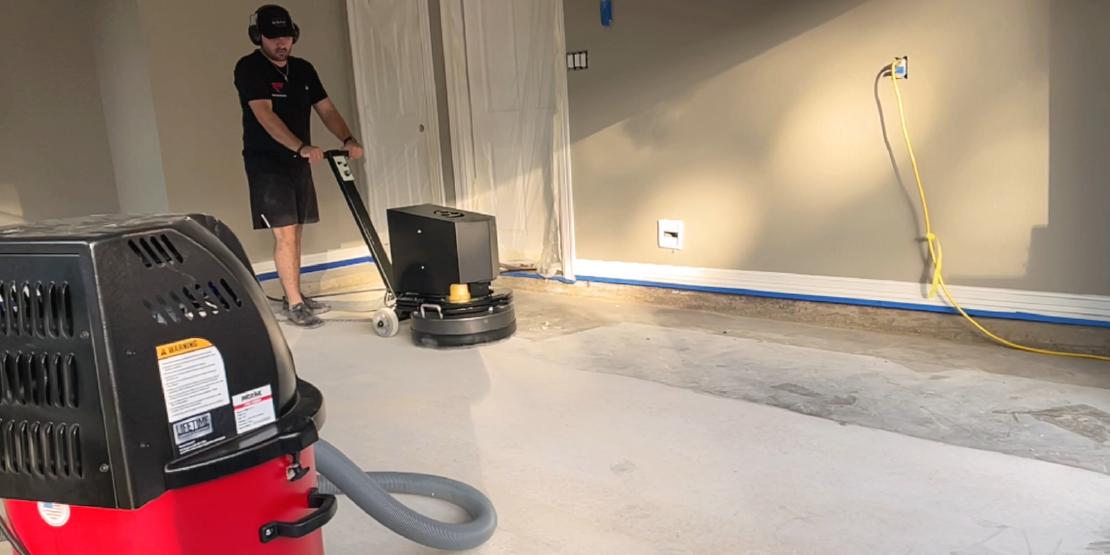
The process of applying microbe-resistant floor coatings involves several meticulous stages. Firstly, preparation of the surface is key to ensuring that the coating properly adheres to the floor. The surface must be thoroughly cleaned, dried, and primed to remove any pre-existing dirt, moisture, or imperfections. This can be done using various methods such as sandblasting or shot-blasting. Once ready, the coating can be applied using tools like rollers or sprayers, much like applying traditional paint.
Ensuring a uniform and adequate spread of the microbe-resistant coating is essential to maximizing its effectiveness. Certain thickness levels must be met for the coating to offer optimal microbial resistance. It is also important to allow the coating to cure for the recommended time before allowing traffic on the floor. This curing time varies depending on the specific product used and environmental conditions, like temperature and humidity. After the curing process, the floor is ready to serve as a durable and effective barrier against microbes.
Maintenance and Longevity of Microbe-Resistant Floor Coatings
The longevity of microbe-resistant floor coatings is largely determined by proper maintenance, which directly contributes to their effectiveness in combating pathogenic organisms. High-quality coatings are usually designed to withstand the toughest environmental conditions and heavy traffic, making them a durable solution in healthcare settings. Regular cleanup and conservation help to enhance this durability, providing a stable and sterilized flooring condition long into the future.
With regard to maintenance, certain methods need to be followed to maximize the coating’s lifespan. Regular deep cleaning using non-abrasive and non-acidic cleaners is crucial, as harsh cleaning materials can degrade the protective layer over time. Additionally, any damages or cracks on the floor coating should be promptly addressed to prevent microbial growth in these vulnerable sites. Thus, a proactive approach to maintenance not only prolongs the life of the coating but also maintains optimal antimicrobial performance.
Potential Challenges and Solutions in Implementing Microbe-Resistant Floor Coatings
Implementing microbe-resistant floor coatings in healthcare settings is not without its share of challenges. Foremost among these is the significant cost associated with the purchase and installation of these specialized coatings. The technology employed in crafting these floor coatings is usually quite sophisticated, thereby driving up the price. Furthermore, there is a degree of complexity involved in their application process. This often requires hiring skilled professionals, which also contributes to the overall cost.
Facilities facing these hurdles, however, can adopt a number of viable strategies. One ideal solution would be exploring various funding and grant options available for healthcare settings that prioritize upgrading their infrastructure for better patient safety. In the interest of minimizing expenses, choosing durable coatings can also help facilities save in the long run, since they do not require frequent replacements. Moreover, investing in staff training for the correct application process of these coatings can save funds in otherwise spent on professional contractors.
Cost Implications of Implementing Microbe-Resistant Floor Coatings in Healthcare
Investment in microbe-resistant floor coatings presents both initial expenditures and long-term cost benefits to consider. The upfront costs include the acquisition of materials for the coating and the labor involved in the application process. Depending on the size of the facility and the type of microbe-resistant coating chosen, the initial costs can be substantial. Furthermore, specialized maintenance may be required to sustain the antimicrobial properties of the coating, contributing to the ongoing expenses.
Over time, the effective implementation of these coatings can lead to significant cost savings. By reducing the potential for Hospital Acquired Infections (HAIs), these resistant floor coatings aid in promoting the health of both patients and healthcare workers, ultimately saving the expenses associated with treating such infections. In the broader perspective, it could result in fewer sick days for employees and more efficient use of healthcare resources. Therefore, while the outlay may seem considerable initially, the long-term benefits have the potential to outweigh the initial investment.
Future Trends and Developments in Microbe-Resistant Floor Coatings
As we look towards the future, advancements in the field of microbe-resistant floor coatings appear promising. The industry is witnessing groundbreaking research and development initiatives fueled by advancements in biotechnology and nanotechnology. Emerging technologies are facilitating the development of more efficient, long-lasting, and cost-effective solutions to combat microbial growth. Many establishments, especially in the healthcare sector, are championing the adoption of these new-age coatings that promise superior protection against a wider range of microbes.
Interestingly, future developments may see the incorporation of self-cleaning and self-sanitizing properties in microbe-resistant coatings. This could be a game changer in maintaining high hygiene standards, particularly in busy healthcare settings where timely cleaning can be challenging. The integration of smart technology and IoT (Internet of Things) in floor coatings is another trend in the pipeline. This could enable real-time monitoring of floor cleanliness, early detection of microbial growth, and timely initiation of cleaning or sanitizing measures. These future trends signal a profound shift in the way we manage and maintain floor hygiene, particularly in sensitive environments such as healthcare facilities.
Why is there a need for enhanced floor hygiene in healthcare settings?
The need for enhanced floor hygiene in healthcare settings stems from the high risk of disease transmission through microbes found on the floor. These environments require a high standard of cleanliness to prevent the spread of bacteria and viruses.
How does microbial growth happen on flooring?
Microbial growth on flooring can occur due to a variety of factors including moisture, warmth, and the presence of nutrients. Bacteria and fungi can multiply quickly under these conditions, leading to a high risk of infection.
What role do microbe-resistant floor solutions play in healthcare?
Microbe-resistant floor solutions play a crucial role in healthcare by minimizing the risk of disease transmission. They prevent the growth and proliferation of harmful microorganisms, contributing to healthier and safer environments.
Can you name a few types of microbe-resistant floor coatings?
Some types of microbe-resistant floor coatings include epoxy and polyurethane coatings, antimicrobial sealants, and nanotechnology-based coatings.
How do microbe-resistant floor coatings work?
Microbe-resistant floor coatings work by creating a surface that is inhospitable to microbial growth. They may contain antimicrobial agents that inhibit the growth of bacteria, viruses, and fungi.
What are the benefits of using microbe-resistant coatings on healthcare facility floors?
Benefits of using microbe-resistant coatings on healthcare facility floors include a reduced risk of infection, improved patient safety, decreased maintenance costs, and increased lifespan of the flooring.
Can you provide examples of successful use of microbe-resistant coatings in healthcare?
Detailed case studies would be provided in the full article. However, there have been instances where healthcare facilities saw a significant decrease in infection rates after using microbe-resistant coatings.
How do you choose the right microbe-resistant floor coating for a healthcare facility?
Choosing the right microbe-resistant floor coating depends on factors such as the type of healthcare facility, the level of foot traffic, and specific hygiene requirements. It’s advisable to consult with a flooring specialist for the best recommendation.
What does the application process of microbe-resistant floor coatings involve?
The application process of microbe-resistant floor coatings typically involves surface preparation, application of the coating, and curing time.
How long do microbe-resistant floor coatings last, and how are they maintained?
The longevity of microbe-resistant floor coatings varies depending on the type of coating and the level of foot traffic. Regular cleaning and maintenance can help prolong their effectiveness.
What potential challenges could arise in implementing microbe-resistant floor coatings?
Potential challenges can include high initial costs, disruption of services during application, and the need for regular maintenance. However, the long-term benefits often outweigh these challenges.
How much does it cost to implement microbe-resistant floor coatings in healthcare settings?
The cost of implementing microbe-resistant floor coatings varies depending on the size of the facility, the type of coating used, and labor costs.
What are the future trends in microbe-resistant floor coatings?
Future trends in microbe-resistant floor coatings include the development of more effective antimicrobial agents, increased use of nanotechnology, and coatings that can self-clean or regenerate.