
Anti-Slip Coatings: Safety and Selection
Understanding the Significance of Slip-Resistant Coatings
Slip-resistant coatings, also known as non-slip coatings, play a pivotal role in reducing accidents caused by slips and falls on surfaces. These coatings, when applied to surfaces, enhance traction and grip, thus minimizing the likelihood of people skidding or slipping even when the surface is wet or oily. This feature is especially crucial in workplaces and public spaces where safety is of paramount importance.
Besides enhancing safety, slip-resistant coatings also have a notable impact on the aesthetics and longevity of a surface. Besides reducing the probability of mishaps, these coatings also provide a layer of protection to the material underneath, preserving its original form and extending its lifespan. Additionally, they are available in a variety of colours, allowing property owners or managers the flexibility to maintain the aesthetic appeal of their establishment while improving safety.
The Science Behind Non-Slip Coatings
Slip-resistant coatings work on the scientific principle of increasing friction between a surface and the object or person making contact. The secret lies in the microscopic roughness introduced through the coating. This rough texture increases the level of friction, hence providing more grip and reducing the chances of slipping or skidding on the surface.
There are various types of slip-resistant coatings, each having a unique blend of elements to enhance grip. For instance, coatings designed for industrial purposes may contain tiny particles of sand, aluminium oxide, or even crushed walnut shell. When the coating is applied, these particles create an irregular, textured surface that increases traction underfoot, regardless of the conditions or nature of use.
Types of Slip-Resistant Coatings Available in the Market
There are numerous slip-resistant coatings currently available in the market, each designed to meet unique needs and offer multiple benefits. Epoxy-based coatings are a popular choice due to their cost-effectiveness and their strong adhesive properties. These coatings create a surface that is resistant to both slips and spills, making it an ideal choice for areas exposed to a lot of moisture such as kitchens, bathrooms, and industrial environments.
Polyurethane coatings are another widely used form of slip-resistant surface and are known for their durability and versatility. This type of coating is especially used in high-traffic areas as it is resistant to wear and tears. For outdoor applications, acrylic coatings are frequently applied due to their ability to resist UV rays, weathering, and yellowing. Meanwhile, silicone-based coatings offer a natural-looking, translucent finish and have excellent adhesion to wood, metal, and concrete surfaces. These are just a few examples; the choice of slip-resistant coating ultimately depends on the specific requirements of a given environment.
Key Features to Look for in High-Quality Non-Slip Coatings
When shopping for high-quality non-slip coatings, one key feature to keep an eye out for is the aggregate used. This is the granular material incorporated into the coating formulation to enhance its grip. Ideally, the aggregate should be hard yet non-abrasive to prevent damage to shoes and floor cleaning equipment. A coating with well-distributed aggregates offers superior anti-slip properties, thus enhancing safety.
Another important characteristic to consider is the coating’s level of adherence on different surfaces. An excellent non-slip coating should possess strong adhesion properties to reduce chances of peeling or flaking over time. This is crucial as poorly adhering coatings can compromise both performance and safety. Therefore, whether you’re applying it to tile, metal, wood, or concrete, the non-slip coating should bond well with the surface and resist wear and tear. • The third feature to look for in a high-quality non-slip coating is its durability. High-quality coatings should be able to withstand heavy traffic, frequent cleaning, and harsh environmental conditions without losing their anti-slip properties or aesthetics.
• Another key characteristic of an excellent non-slip coating is its ease of application. A good product should be easy to apply evenly across the surface with minimal preparation work required beforehand. This saves time and ensures that the finished result looks professional.
• Look out for non-slip coatings that are resistant to chemicals and other substances like oil, grease, and water. This resistance improves the longevity of the coating as well as maintaining its slip-resistant qualities regardless of what it comes into contact with.
• Lastly, consider whether the non-slip coating has low VOC (Volatile Organic Compounds) content or not. Low VOC products are better for your health and also more environmentally friendly since they emit fewer pollutants into the air during application.
In conclusion:
- Check if aggregate used in formulation is hard yet non-abrasive
- Ensure strong adhesion on various surfaces
- Opt for durable coatings capable of withstanding heavy use
- Choose products that are easy to apply
- Pick coatings resistant to chemicals such as oil and grease
- Preferably go for low-VOC options which are healthier & eco-friendly
The Role of Non-Slip Coatings in Enhancing Safety
One of the salient roles of non-slip coatings is in the enhancement of safety especially in high traffic areas such as commercial kitchens, warehouses, and workspaces, or any location where spills may occur. These specialized coatings work by creating a greater coefficient of friction on the surface, reducing the likelihood of slipping hazards. Particularly in industrial and commercial settings, these features can have a profound impact in preventing accidents, fostering a safer environment for everyone involved.
Another significant factor lies in the mitigation of slip-and-fall accidents, which are amongst the leading causes of serious injuries worldwide. Slip-resistant coatings can significantly reduce these risks, reinforcing safety by providing extra traction even in wet or oily conditions. Such advances in floor safety technology offer potential solutions for businesses and homeowners keen to address safety concerns. The adoption and proper maintenance of these coatings, therefore, contribute greatly to enhanced safety outcomes.
Application Process of Slip-Resistant Coatings
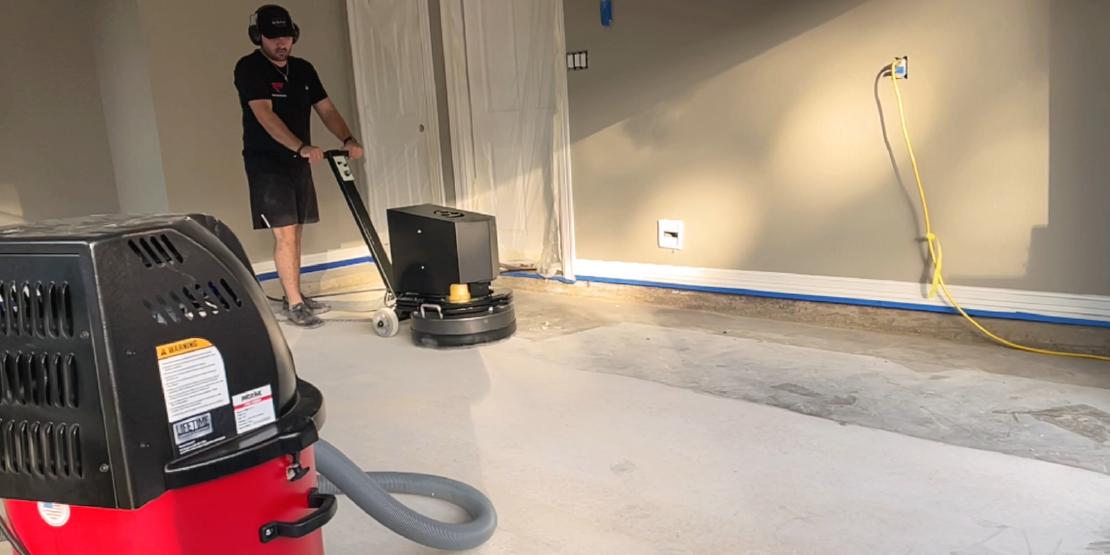
The application of slip-resistant coatings presents a methodical process, essential to ensure maximum effectiveness. Anticipatory measures include thoroughly cleaning and properly preparing the surface intended for the coating. Existing paint, oil, grease, or any debris on the surface may impede the adherence of the coating, compromising its slip-resistant properties. Often, a primer is utilized to better secure the bond between the surface and the coating.
After the preparation stage, the application begins by administering the first layer of the slip-resistant coating. Using a suitable tool such as a roller or a sprayer ensures uniform distribution. Once the initial layer has dried as per the recommended wait time, a second layer is applied to bolster its durability and efficacy. The frequency of reapplications is tightly linked to the volume of foot traffic and exposure to wear and tear factors. Therefore, understanding the specific requirements of the covered space is paramount when implementing slip-resistant coatings.
Potential Surfaces for Applying Non-Slip Coatings
There’s a vast array of surfaces that are excellent candidates for the application of non-slip coatings. Mundane as it may sound, floors are an outstanding candidate, specifically those in areas prone to becoming wet or oily like factories, kitchens, or bathrooms. Areas like staircases and ramps also greatly benefit from these coatings, significantly minimizing the risk of falling and injury. Outdoor surfaces like decks and patios, typically exposed to various weather conditions, can certainly use the added friction provided by these coatings.
Furthermore, marine and aquatic environments also make a solid case for the use of slip-resistant coatings. Pool decks, boat decks and docks—areas that frequently get wet—are more prone to causing accidental slips and falls. On an industrial level, oil rigs and marine vessels require non-slip coatings to ensure the safety of the workforce. Likewise, old and worn parking lots could also benefit from these coatings to prevent tire slippage during wet weather. Even the domestic sphere isn’t immune, with options for applying non-slip coatings on areas like garage and basement floors.
Maintenance and Durability of Slip-Resistant Coatings
The life span and maintenance of slip-resistant coatings are crucial factors to consider, particularly for areas with high foot traffic or those exposed to the harsh elements. Various factors, such as the quality of the material, application process, weather conditions, and frequency of use, hugely impact the durability of these coatings. Properly installed high-quality non-slip coatings can last up to five years; however, cheaper alternatives may wear out sooner. Maintenance is generally minimal, only requiring common cleaning methods similar to conventional surfaces.
It is important to remember that, although slip-resistant coatings are tough and durable, they are not invincible. Certain harsh cleaners or abrasive cleaning tools can slowly degrade the surface, leading to a decrease in slip resistance over time. Additionally, these coatings may get damaged from heavy impacts or scraped off if heavy objects are dragged across the surface. Therefore, it is vital to treat these coated areas with care, using non-abrasive cleaning tools and mild detergents. Regular inspections for any signs of wear or damage can also help in maintaining their effectiveness and extending their life span.
Cost Implications of Non-Slip Coatings
Assessing the financial implications linked to the application of slip-resistant coatings is a crucial consideration for businesses and homeowners. While the initial costs may appear steep, the long-term benefits often eclipse this initial investment. Installation expenses vary significantly, heavily dependent on factors such as the type of coating selected, the size of the area to be covered, and the current condition of the targeted surface. Therefore, it’s essential to evaluate these elements thoroughly before deciding on a specific coating.
Emphasizing a holistic view of the cost structure is imperative for truly understanding the pricing of non-slip coatings. The value of slip-resistant flooring becomes evident when you consider the frequency of slip-and-fall incidents and the potential legal liabilities associated with them. All these costs, when combined with other factors such as ease of installation, maintenance expenditures, and the coating’s lifespan, eventually determine the total cost of ownership. Thus, the full picture makes clear that slip-resistant coatings can be seen as a long-term investment in safety and mobility.
Case Studies: Efficacy of Slip-Resistant Coatings
In a 2014 survey conducted by a renowned retail chain in Australia, it was revealed that post the application of slip-resistant coatings to their store floors, the instances of slip-and-fall accidents remarkably reduced. Not only were these incidents decreased by nearly 70%, but it also lead to reduced insurance claims associated with such accidents. This case provides empirical evidence to underline the effectiveness of using slip-resistant coatings to lower the risk of fall-related injuries and accidents in commercial establishments.
Another notable case involves a UK based public school district that reported a decrease in student injuries due to slipping, especially during the wet season when corridors and stairs could become slick. The use of high-quality non-slip coatings on these surfaces has demonstrated measurable benefits. They observed a significant decline not only in the number of accidents but also a marked improvement in the overall safety of the school environment. As per the school administration, the use of such coatings was also a financially responsible decision due to the reduction in costs associated with treatment of student injuries.
Mistakes to Avoid when Choosing Non-Slip Coatings
While selecting non-slip coatings, make sure to avoid the pitfall of prioritizing cost over quality. Cost-effectiveness plays a significant role in decision-making, but it should not overshadow the product’s efficiency and durability. Cheap alternatives might seem appealing in the short run; however, they could potentially lead to frequent replacements, escalating the overall cost eventually.
Another common error is the lack of thorough analysis of the surface which is to be coated. Surface compatibility is paramount in ensuring the coating’s effectiveness. Each coating material has unique properties that may react differently to various surfaces. Whether your area of application includes ceramic tiles, concrete, or wood, selecting the appropriate product designed for that specific surface will significantly enhance the performance and lifespan of the coating.
Regulations and Standards for Non-Slip Coatings
In the realm of manufacturing and applying non-slip coatings, compliance with regulations and standards is of utmost importance. These regulatory mandates are established by various organizations at the international, national, and local levels. They serve to promote safety, improve product quality, and prevent accidents by setting minimum requirements for the performance, composition, and application of non-slip coatings.
Standards like the Americans with Disabilities Act (ADA) in the United States, and the Workplace Health, Safety and Welfare Regulations in the UK, stipulate technical specifications for coatings to enhance traction and reduce the risk of slips and falls. Similarly, non-slip coatings must also meet the stipulated limit for Volatile Organic Compounds (VOCs) under regulations by bodies like the Environmental Protection Agency (EPA). These regulations foster a safer and healthier environment by limiting the emission of harmful VOCs during the application and lifespan of the coating. Thus, compliance with these regulations and standards is not just a legal necessity, but also a matter of social responsibility for manufacturers and applicators of non-slip coatings.
Future Trends in Slip-Resistant Coatings
As the world continues to advance technologically, the field of slip-resistant coatings is not left behind. One trend that’s becoming increasingly significant is the development of smart coatings. These are dynamic substances that respond and adapt to their environment. For instance, some smart coatings are being formulated to increase traction when they detect moisture. Such transformative features are set to significantly enhance safety across various sectors, including construction and marine industries.
Additionally, sustainability is a major trend shaping the future of slip-resistant coatings. As the global push towards environmental conservation escalates, manufacturers are striving to create eco-friendly non-slip solutions. They are engineering coatings from bio-derived materials that are not only biodegradable but also possess impressive slip-resistance properties. In addition, efforts are being made to reduce the Volatile Organic Compounds (VOCs) emitted during the application of these coatings. These trends indicate a safer, smarter future for slip-resistant coatings.
What is the significance of slip-resistant coatings?
Slip-resistant coatings are essential in ensuring the safety of individuals on various surfaces. They reduce the risk of slips and falls, especially in wet or highly trafficked areas.
How does non-slip coating work?
Non-slip coatings work by creating a textured surface that increases traction and reduces the potential for slipping. The texturing often comes from small particles mixed into the coating that get embedded on the surface during application.
What are the different types of slip-resistant coatings available in the market?
Slip-resistant coatings come in various types including epoxy resin coatings, polyurethane coatings, and acrylic coatings. Each type has its unique features and is suitable for different environments.
What should I look for in a high-quality non-slip coating?
High-quality non-slip coatings should offer excellent slip resistance, be durable, easy to clean, and should adhere well to various surfaces. They should also be resistant to chemicals and UV light.
How do non-slip coatings enhance safety?
Non-slip coatings enhance safety by reducing the risk of slips and falls, particularly in areas exposed to water, oil, or high foot traffic. This is particularly critical in workplaces and public spaces to prevent accidents.
How is a slip-resistant coating applied?
The application process involves cleaning the surface, applying a primer (if necessary), spreading the coating evenly, and allowing it to dry. The actual process can vary based on the type of coating and the surface it’s being applied to.
Where can I apply non-slip coatings?
Non-slip coatings can be applied to a variety of surfaces including floors, decks, ramps, stairs, pool areas, and industrial areas. They are versatile and can be used both indoors and outdoors.
Are slip-resistant coatings durable and easy to maintain?
Yes, high-quality slip-resistant coatings are designed to be durable and easy to maintain. They are resistant to wear and tear, and can be cleaned with standard cleaning methods.
What are the cost implications of non-slip coatings?
The cost of non-slip coatings can vary based on the type of coating, the size of the area to be covered, and the complexity of the application. However, the investment is often justified by the reduction in accident risks and potential liability costs.
Are there any regulations or standards for non-slip coatings?
Yes, various countries have regulations and standards that dictate the minimum slip resistance for different environments. These standards ensure the safety and effectiveness of non-slip coatings.
What are the future trends in slip-resistant coatings?
Future trends in slip-resistant coatings include the development of environmentally friendly products, advanced technologies for better durability and effectiveness, and new formulations for specific applications.