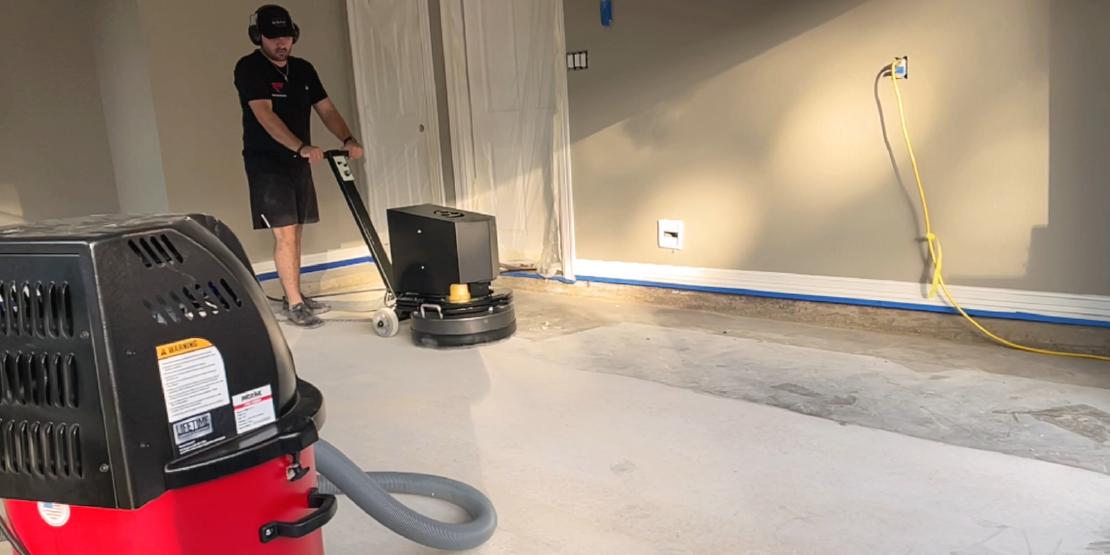

Application Process: Epoxy vs. Polyurethane
Understanding Epoxy and Polyurethane
Epoxy is a polymer compound that undergoes curing—a chemical process of hardening into an exceedingly resilient material. Renowned for its exceptional adhesive properties, it maintains excellent resistance to water, solvents, and heat. These characteristics, along with an extraordinary ability to bind diverse materials, make it a commonly used resource in construction and numerous DIY projects.
On the other hand, Polyurethane is a thermo-plastic that is inherently flexible and exhibits remarkable resistance towards abrasion, extreme temperatures, and corrosive chemicals. Comprising of versatile compounds, this polymer exhibits various forms depending on its creation process. From rigid insulation to flexible foams, it spans a wide range of uses. Its inherent flexibility and long-term durability contribute to its popular choice for floorings, sealants, and protective finishes.
Benefits of Epoxy
Epoxy is widely recognized for its versatility, providing a wide array of applications in various industries. From bonding materials to creating hard-resistant finishes, these resins are known for their robust qualities that can weather even the harshest conditions. With superior adhesion properties, epoxies create a secure and reliable bond, rendering them ideal for adhesive applications. These strong bonding capabilities often find use in the construction and automotive industries.
In terms of resistance, epoxy exhibits superior characteristics against heat and chemicals. High-performance epoxy resins withstand high temperatures and extreme conditions, thereby preventing premature wear and deterioration. Furthermore, one of the strongest draws to using epoxy is its exceptional chemical resistance properties. As such, it’s a preferred choice in industrial settings, where exposure to corrosive chemicals is not uncommon. To add, epoxy coatings offer an excellent finish, delivering both functional and aesthetic benefits, often seen in flooring installations and kitchen countertops.
Drawbacks of Epoxy
While epoxy boasts many admirable qualities, it does possess certain limitations. The first major disadvantage is its sensitivity to UV light. When exposed to sunlight or other forms of UV rays for long periods, the epoxy coating tends to yellow and can eventually lose its glossy shine. This yellowing can cast a dingy shade on the surface, often detracting from the aesthetic value.
Another significant drawback of epoxy is related to its application process. It has a relatively short pot life, which means it needs to be applied quickly after being mixed. If the mixture is not used within a specified time limit, it begins to harden, making it unsuitable for application. The need for speed and precision during the application process can sometimes make it less than ideal for novice DIYers choosing a coating solution. Also, proper ventilation is required during application due to its strong odor.
Benefits of Polyurethane
Polyurethane is highly prized for its incredible versatility. It has remarkable resistance to oil, solvents, fat, and gasoline, making it ideal for settings that demand durability in adverse conditions. Moreover, polyurethane is resistant to temperature fluctuations, as it can endure both very high and low temperatures without compromising its physical integrity. This property makes it beneficial for sectors that work under varying climate conditions.
Another key advantage of polyurethane is its exceptional elongation and resilience capabilities. With its impressive ability to stretch and return to its original shape, it outperforms its rivals in high-stress applications. Apart from its resilience, it also boasts high loads bearing capacity, which adds to its appeal in various industrial applications. Lastly, when it comes to creating aesthetic appeal, polyurethane does not disappoint with its high gloss finishes and its ability to be cast in different shapes and sizes.
Drawbacks of Polyurethane
As advantageous as polyurethane can be, it has its set of drawbacks. Polyurethane finishes, particularly oil-based versions, can significantly alter the color of the applied surface. This may not be an issue in some cases, but for those seeking to maintain the natural color or characteristics of their surface, it can be a considerable disadvantage. While water-based polyurethane has less of an impact on color, it tends to raise the grain of the wood, which may necessitate additional sanding.
Furthermore, polyurethane coatings are susceptible to scratches and may show signs of wear over time. Although polyurethane is typically durable, high-traffic areas may not fare as well. A worn polyurethane coating can look dull and lifeless, detracting from the visual appeal of the surface. Moreover, if a polyurethane surface is scratched or chipped, it can be challenging to repair without leaving visible signs of the fix.
Practical Uses of Epoxy
Known for its strength and adhesion, epoxy is extensively used across numerous industries. It’s a go-to option for the construction and automotive sectors, notably in flooring applications, automotive assembly, and structural and engineering adhesives. Characteristics such as electrical insulation and chemical resistance enhance its suitability for electrical and electronic applications, packing efficiency in insulators, transformers, switch gears, motors, and generators.
Moreover, the marine industry holds a high regard for epoxy for its effective protection against humid environments. Powerfully resistant to water infiltration, slab leakages, and corrosion issues, it serves an ideal choice for boat building and seawall repair. It also stands as an invaluable player in the art and jewelry industry, creating beautiful epoxy resin crafts and jewelry. Industries like food and healthcare use epoxy floor coatings for their hygienic and cleanability benefits.
Practical Uses of Polyurethane
With a promising range of properties including excellent resistance to wear, tear, and chemicals, polyurethane has a broad application base that extends across various industries. It has proven itself to be a material of choice in the automotive industry, where it’s used for making car parts such as bushings, shock absorbers, and tires. In addition, its superior insulation properties along with its flexibility in production (can be molded into various shapes) make it an ideal material for manufacturing thermal insulating foams, extensively employed in the construction domain for various insulation purposes.
Not only in automotive and construction, but the versatility of polyurethane also stretches into the world of footwear, furniture, and textiles. It offers immense benefits like comfort, durability, and water resistance when used in producing shoe soles, making it quite a popular choice. Similarly, in the furniture industry, it’s used in the production of cushions, mattresses, and upholstered furniture owing to its exceptional resilience and comfort. The textile industry too highly values polyurethane for its softness and durability, utilizing it widely in the creation of synthetic leather materials. From the wide array of applications, it is undeniably clear that the polyurethane’s flexibility, durability, and other unique properties make it indispensable across these diverse sectors.
Comparing the Durability of Epoxy and Polyurethane
Epoxy is renowned for its exceptional durability. This resilient material adheres strongly to most surfaces, creating a tough, high-gloss finish that is resistant to chemical spills, impacts and abrasion. Structural epoxy, commonly used in the construction sector, is lauded for its ability to endure harsh environmental conditions owing to its moisture resistance qualities. This often outperforms competing products, even under sustained exposure to the elements, making it ideal for settings such as warehouses and garages.
Polyurethane, on the other hand, also delivers stellar durability but has distinctive strengths. The material provides noteworthy flexibility, being able to expand and contract under fluctuating temperatures without losing its grip. Polyurethane coatings are exceptionally resistant to UV radiation, preventing discoloration and degradation of the underlying material – an area where epoxy falls short. Thus, for outdoor structures, patios, or settings exposed to sunlight, polyurethane often has the upper hand in terms of durability.
Evaluating the Cost: Epoxy and Polyurethane
When evaluating the cost of Epoxy and Polyurethane, numerous factors come into play. These include the size of the project, the product quality, and where it is purchased. Generally, epoxy is less expensive than polyurethane. A typical gallon of commercial-grade epoxy can cost between $30 to $60, while a gallon of polyurethane can range from $55 to $125. However, this initial cost does not reflect the long-term costs related to maintenance and longevity.
Maintenance and longevity are also cost factors that must be considered. Epoxy flooring, noteworthy for its long-lasting properties, tends to demand less in terms of maintenance costs. Conversely, while Polyurethane may require a more substantial initial investment, it can withstand wear and tear more effectively over time. Thus, minimising the frequency of replacement or repair. As a result, the total cost in the long run could be quite comparable between the two.
Environmental Impact of Epoxy and Polyurethane
Both Epoxy and Polyurethane resins have implications for the environment upon their manufacturing, use, and disposal. The production process for these materials requires energy and raw materials, and generates byproducts that can be harmful to the environment. Notably, these resins are derived from petrochemicals, the extraction and refinement of which contribute significantly to greenhouse gas emissions and other forms of pollution.
Despite these negative impacts, steps can be taken to lessen the environmental footprint of these materials. Reclaimed or bio-based epoxies and polyurethanes are increasingly available, helping to reduce reliance on fossil fuels. Additionally, advances in technology have made it possible to recycle some types of epoxy and polyurethane products, preventing them from ending up in landfills. However, the overall environmental impact is still subject to how these materials are used and disposed of by the end consumer.
Safety Measures for Using Epoxy and Polyurethane
When dealing with epoxy and polyurethane, taking suitable precautions is crucial for maintaining a safe working environment. Epoxy resins can be highly reactive, leading to skin and respiratory problems on exposure. Hence, wearing protective gear like gloves, gowns, and masks to avoid direct skin contact comes under the recommended best practices. Ensuring a well-ventilated workspace is also critical to diffuse any harmful fumes that can emerge during the application process.
In the case of polyurethane, while it has comparatively less reactivity, exposure to its uncured form can lead to skin and eye irritation, and in extreme cases, allergic reactions. The same set of protective gear along with the importance of adequate ventilation holds true for polyurethane as well. For both epoxy and polyurethane, it is always advisable to have quick access to safety data sheets for instructions on handling emergencies. These measures, while simple, play a substantial role in ensuring personal safety and health during utilization of these substances.
Maintenance Tips for Epoxy and Polyurethane Surfaces
To maintain epoxy floors, consistent cleaning is pivotal. Regular dust mopping can keep the surface free from abrasive particles. When encountering spills or stains, it is best to immediately clean the area with a damp mop using a mild detergent. Epoxy surfaces should not be cleaned with acids, solvents or other aggressive substances that could potentially harm the coating. Moreover, avoid dragging heavy objects across the floor as this can scratch and damage the surface. Should any scratches occur, spot repair may be necessary to uphold the longevity of the floor.
The maintenance of polyurethane surfaces differs slightly. Polyurethane finish should be dusted regularly followed by cleaning with a lightly dampened cloth. Similar to epoxy, any spills should be immediately blotted to prevent staining. In case of stubborn stains, mildly soapy water can be used followed by a clear water rinse. Direct prolonged contact with rubber objects can cause stains hence best to be avoided. Scratched or chipped polyurethane surfaces can be repaired by sanding the damaged spot slightly and reapplying a new coat of finish. Regular maintenance will ensure your polyurethane surfaces retain their natural look and durability for a long period of time. In addition to the above, here are some specific maintenance tips for both types of surfaces:
For Epoxy Surfaces: • Regularly dust mop the floor to keep it free from abrasive particles. • Clean any spills or stains immediately using a damp mop and mild detergent. • Avoid cleaning with acids, solvents or other aggressive substances that could harm the coating. • Do not drag heavy objects across the surface as this can cause scratches and damage. If scratches occur, spot repair may be necessary.
For Polyurethane Surfaces: • Dust regularly followed by cleaning with a lightly dampened cloth. • Blot any spills immediately to prevent staining. In case of stubborn stains, mildly soapy water can be used followed by clear water rinse. • Avoid direct prolonged contact with rubber objects as they can cause stains on polyurethane surfaces. • Repair scratched or chipped areas by sanding lightly and reapplying a new coat of finish.
By following these guidelines consistently, you will ensure your epoxy and polyurethane surfaces retain their quality look and durability for years to come. Remember that regular maintenance is key when it comes to prolonging the life of these types of floors. It’s always easier (and often less expensive) to prevent damage than it is to fix it after it has occurred!
Choosing between Epoxy and Polyurethane: Factors to Consider
When deciding whether epoxy or polyurethane is the optimal choice for a project, several key factors come into play. Durability and resistance is often the first consideration; where epoxy excels in resisting chemicals and heat, polyurethane is renowned for being robust against physical abrasion and weather conditions. Therefore, the nature of the project environment is a significant determinant.
The cost-effectiveness aspect is another key variable in this equation. While epoxy coating may initially seem lower in price, considering the long-term maintenance often reveals that polyurethane can be more economically efficient. Conversely, if the project involves a lot of aesthetic concerns, such as a need for glossy finish and color stability, epoxy could be the more appropriate choice. The factor of environmental impact also plays a pivotal role with increasingly responsible choices in material selection, with both epoxy and polyurethane having different aspects to weigh. Therefore, the artist’s or craftsman’s overarching needs and constraints dictate the ultimate choice.
What is the basic difference between Epoxy and Polyurethane?
Epoxy and Polyurethane are both types of resin used for coating surfaces. Epoxy is known for its high strength and durability, making it ideal for heavy-duty applications. Polyurethane, on the other hand, is more flexible and resistant to UV rays and chemicals, making it suitable for outdoor use.
What are the main benefits of using Epoxy?
Epoxy is preferred for its high strength, durability, and resistance to wear and tear. It is also resistant to water, heat, and certain chemicals, making it ideal for industrial applications.
What are some drawbacks of using Epoxy?
Epoxy may yellow over time, especially when exposed to sunlight. It is also less flexible than Polyurethane, which could lead to cracks under heavy pressure or extreme temperatures.
What are the main advantages of using Polyurethane?
Polyurethane is highly flexible, resistant to UV rays and chemicals, and has excellent abrasion resistance. It is perfect for use in outdoor environments and in applications where flexibility is required.
What are some disadvantages of using Polyurethane?
Polyurethane is prone to damage from extreme heat and may not be as strong or durable as Epoxy. It also requires more maintenance than Epoxy.
What are the practical applications of Epoxy and Polyurethane?
Epoxy is often used in heavy-duty industrial settings, garages, and basements due to its strength and durability. Polyurethane, with its UV and chemical resistance, is used in outdoor applications such as decks, outdoor furniture, and marine applications.
How do Epoxy and Polyurethane compare in terms of durability?
Both Epoxy and Polyurethane are fairly durable, but Epoxy is generally stronger. However, Polyurethane is more flexible, which can make it more durable in certain applications.
How do the costs of Epoxy and Polyurethane compare?
The cost can vary depending on the application and the specific products used. In general, Epoxy tends to be more expensive initially but may require less maintenance over time.
What impact do Epoxy and Polyurethane have on the environment?
Both Epoxy and Polyurethane are synthetic materials and their production can have an environmental impact. However, many manufacturers are now producing eco-friendly versions with lower VOC levels and other environmentally friendly features.
What safety measures should be taken when using Epoxy and Polyurethane?
Both Epoxy and Polyurethane can be hazardous if not handled correctly. Safety measures include using protective clothing and eyewear, working in a well-ventilated area, and following manufacturer’s instructions closely.
How can I maintain surfaces coated with Epoxy and Polyurethane?
Maintenance typically involves regular cleaning and occasional re-coating, depending on the harshness of the environment and the level of wear and tear. Always follow the manufacturer’s instructions for maintenance procedures.
What factors should I consider when choosing between Epoxy and Polyurethane?
Factors to consider include the intended use of the surface, the environment where it will be used, the level of maintenance you’re willing to perform, your budget, and your environmental impact preferences.