
Applying Epoxy Coatings: Best Practices
Understanding Epoxy Coatings
Epoxy coatings are unique products that serve as a practical solution for various surfaces in both industrial and residential settings. Offering a hard, durable, and resistant finish, these coatings form a high-quality protective layer, safeguarding surfaces from chemical spills, heavy impacts, and other potential damage. Epoxy coatings yield a smooth and seamless surface, providing an aesthetic appeal in addition to their functional advantages.
The key component in these coatings is epoxy resin, which when combined with a hardening agent, undergoes a chemical reaction that results in the hard, sturdy surface finish. The resultant coating is remarkably resistant to wear and corrosion, which accounts for its widespread use in areas like workshops, garages, and factories. Epoxy coatings cater to a broad spectrum of applications, varying from decorative flooring and protective wall coatings to corrosion control on metal structures and non-slip surfaces in pedestrian zones.
The Importance of Proper Epoxy Application
One of the key factors in ensuring the effective performance of any epoxy system is proper application. Proper application directly influences characteristics such as durability, resistance, appearance, and longevity of the coating. An improperly applied epoxy coating may result in premature failure, unpleasing aesthetic, and unnecessary costs for repairs or replacements.
The importance of proper epoxy application extends further to safety measures. An incorrectly mixed or applied epoxy can potentially lead to hazardous situations, from health hazards, such as skin and eye irritation, to more serious safety risks, like fire hazards. By following prescribed application methods and taking necessary precautions, one can mitigate these risks, ensuring that the project is not only done correctly but also safely.
Key Materials Needed for Epoxy Coating
To complete a successful epoxy coating application, it is essential to gather all necessary materials before commencing the project. The first and most important item is the epoxy resin itself. This is the primary coating material which provides the robust and glossy finish. It usually comes in two parts: the hardener and the resin, which must be accurately measured and mixed to work effectively.
In addition to the epoxy resin, other critical tools include a good quality paintbrush, roller, or sprayer for applying the material. Paint trays are also helpful for containing and evenly distributing the epoxy. Furthermore, a clean cloth and a solvent, such as acetone, are necessary for wiping away any dust or debris before and during the application procedure. Safety equipment, like gloves and goggles, is a must to protect the user from potential reactions or injury. Lastly, for those considering a decorative finish, color flakes or chips can be incorporated for additional aesthetics.
Preparation Steps for Epoxy Coating
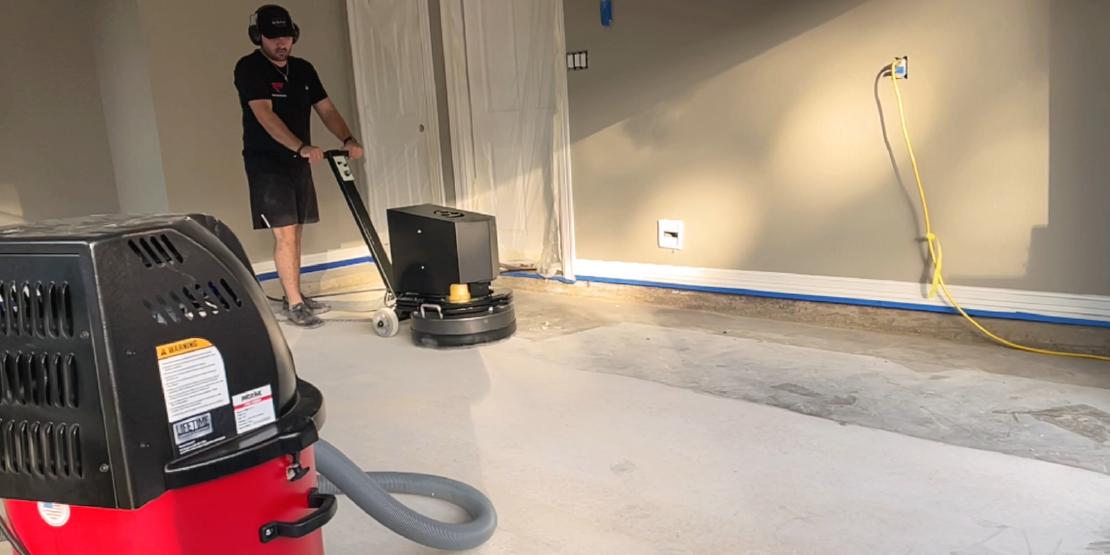
Ensuring a clean and properly prepared surface is paramount in the successful application of an epoxy coating. The surface, potentially a floor, should be free of stains, dirt, and debris, as these can interfere with the adherence of the epoxy to the surface. Degreasers and commercial cleaners can be used to remove oils or grease, while a power washer can be effectively utilized to eliminate stubborn dirt or old paint. For concrete floors, consider acid etching or grinding to create a profile for the coating to ‘grab’ onto.
Next, any existing cracks or imperfections must be repaired to provide an even surface for the epoxy application. For minor cracks or chips, an epoxy paste can be used as a filler. For more substantial repairs, it might be necessary to use a concrete patch. It’s best to ensure that all necessary repairs have been addressed before proceeding to prevent further issues. Remember, epoxy coating won’t fix structural problems but will merely coat the deficiencies. You want to start with the best possible surface to ensure an optimal outcome for the epoxy coating.
Mixing the Epoxy Coating: A How-To Guide
The process of mixing epoxy coating can be likened to the art of creating a culinary masterpiece; every ingredient must be measured correctly. The two crucial ingredients in any epoxy coating are the resin and the hardener. The resin provides the epoxy coating’s high-gloss, durable surface, while the hardener triggers the curing process, which solidifies the coating, ensuring its long-lasting durability. There are a few key steps to follow to guarantee the perfect mix which is absolutely essential to the success of the application process.
Initially, the exact amounts of resin and hardener specified on the coating manufacturer’s packaging must be measured with precision. Generally, epoxy coatings require a specific mixing ratio – often 1:1. However, this can vary among different products. After the ingredients are accurately measured, they must be mixed thoroughly. The mixing process should be a gradually escalating stirring motion for an exact duration specified by the product’s instructions. This process ensures that the two components, resin and hardener, meld perfectly together, producing a mixture that provides an optimally durable, glossy surface once cured.
Techniques to Ensure Even Epoxy Coating
Proper technique is essential when attempting to achieve an even application of epoxy coating. It begins with employing the correct tools for the job; brushes, rollers, and sprayers may all be utilized depending on the surface area and specific needs of the project. Brushes are typically used for smaller, intricate areas where precision is crucial. Rollers are well-suited for larger, flat surfaces where speed and efficiency are desired. Meanwhile, sprayers are often reserved for high-volume jobs, as they allow for quick and even coverage over sizable areas.
Mixing plays a vital role in creating a smooth and consistent epoxy coating. This process requires thorough stirring to ensure that the resin and hardener are well blended. This condition is vital for the chemical reaction that results in the curing of the epoxy. Paying attention to the prescribed mixing ratios provided by the manufacturer can’t be overemphasized; deviation from this can lead to problems such as incomplete curing or a non-uniform finish. Thus, to ensure an even epoxy coating, mastering the right application method and perfecting the mixing process is imperative.
Dealing with Potential Problems During Epoxy Coating
During the application of epoxy coatings, various issues can potentially arise that might disrupt the process. Recognizing these problems early can minimize their impact and allow for timely remedial action. Bubble formation is a typical challenge encountered during an epoxy coating application. This usually results from mixing the epoxy components at a high speed, trapping air within the mixture, or applying the epoxy in an area with high humidity.
To resolve this, use a mixing paddle at low speed and give the mixture ample time to allow entrapped air to escape before application. If humidity is the issue, resort to dehumidifiers or heaters to adjust the room’s conditions suitably. Uneven curing is another common issue with epoxy coatings. This might occur if the surface to be coated is not prepared correctly, or if the coating is applied too thickly. The solution lies in meticulous surface preparation, ensuring optimal conditions for curing, and applying thinner, multiple layers instead of a single thick one. Incompatibility with the substrate is another potential problem to look out for. Certain types of substrates may not be compatible with epoxy coatings, leading to poor adhesion and eventual peeling or flaking off of the coating. To prevent this:
• Always perform a compatibility test before applying the epoxy on a large scale. • Choose an epoxy formulation that is specifically designed for your type of substrate.
Another issue might arise from incorrect mixing ratios. If the components of the epoxy are not mixed in their correct proportions, it can lead to problems such as incomplete curing or weakened strength. Here’s how you can avoid this:
• Follow manufacturer instructions carefully when mixing components. • Use measuring tools to ensure accurate proportions.
Lastly, contamination during application can also disrupt an otherwise smooth process. This could occur if foreign substances like dust or oil come into contact with the surface during application, potentially causing defects in the final finish. Avoid these issues by:
• Thoroughly cleaning and prepping your workspace prior to starting. • Covering nearby areas and objects that might produce contaminants.
By recognizing these potential pitfalls ahead of time and taking appropriate measures, one can greatly reduce any disruptions during epoxy coating applications while ensuring a high-quality finish every time.
Drying Time and Curing Process for Epoxy Coatings
Understanding the drying time and curing process for epoxy coatings is vital for their successful application and performance. After the epoxy coating application, a suitable period must be provided for the product to dry and undergo the curing process. The actual drying time can vary, depending on several factors including temperature, humidity and the type of epoxy used. For most epoxy coatings, a minimum waiting period of 18 to 24 hours is recommended before the coated surface is subjected to mild foot traffic.
The curing process, on the other hand, involves a chemical reaction that results in hardening of the epoxy coating, leading to the emergence of its true strength and resistance properties. This process can require several days, often up to a week, and may be influenced by environmental conditions and the thickness of the coat applied. It’s important to bear in mind that the curing process is not simply waiting for the epoxy to dry—it is a more complex procedure that provides the coating with remarkable durability and longevity.
Maintaining Your Epoxy Coating for Longevity
In order to preserve the impressive longevity of epoxy coatings, routine maintenance plays an instrumental role. Emphasizing cleanliness is key, as dirt and debris can gradually degrade the surface if not adequately and promptly addressed. Regularly sweeping away dirt, dust, and other particles using a soft bristle broom helps maintain the surface integrity of the epoxy coating. Where possible, mild, pH-neutral cleaning solutions should be used in conjunction with a soft mop to avoid any potential chemical damage.
Avoidance of mechanical damage is a crucial aspect of maintenance. Despite their renowned durability, epoxy coatings can also be susceptible to scratches or chips, particularly when subjected to heavy or sharp objects. Measures to prevent impact, dragging or dropping of heavy items should always be in place. Eventual wear is inevitable, and a repeated application of a top-coat every few years helps to maintain the coating’s protective properties and aesthetic appeal.
Safety Measures When Working with Epoxy Coatings
When working with epoxy coatings, safety must be given prime importance. These substances not only contain strong chemicals but can also produce fumes that may be harmful if inhaled. It is crucial to use appropriate personal protective equipment (PPE), which includes gloves, safety glasses or goggles, and a high-grade mask or respirator. A majority of accidents can be avoided by adhering to these safety guidelines.
In addition to wearing PPE, proper ventilation is a key consideration when applying epoxy coatings. Ensure that work is done in a well-ventilated area to prevent the buildup of potentially harmful fumes. Care should also be taken while handling epoxy resins, specifically to avoid contact with the skin, as they can cause allergic reactions or skin irritation in some individuals. As a rule of thumb, treat all epoxy products as potential health hazards and handle them with utmost caution.
Common Mistakes to Avoid When Using Epoxy Coatings
One of the common blunders made during the application of epoxy coatings is improper surface preparation. Many assume that simply cleaning the floor is sufficient, neglecting essential factors such as removing the existing floor coating, repairing concrete cracks, and etching or grinding the surface for better adhesion. It’s crucial to know that epoxy coatings require a properly prepared, clean, dry, and slightly rough surface to stick effectively. Ignoring these steps can lead to peeling and bubbling of the epoxy, resulting in wasted effort, materials, and time.
Another prevalent mistake is misjudging the correct mixing ratios of the epoxy resin and the hardener. Some individuals incorrectly believe that adding extra hardener can speed up the curing process or create a more durable finish. The truth is, epoxy resins and hardeners have specifically designed proportions that ensure optimal adhesion, durability, and curing times. Straying from these calculated ratios risks ruining the entire application, yielding a sticky or weak coating that doesn’t live up to its expected performance.
Case Study: Successful Epoxy Coating Applications
In a recent project, an aged concrete warehouse floor was restored using epoxy coating application. This warehouse, once plagued by cracks and spalling, was given a new lease of life. The process began with a comprehensive surface evaluation conducted by experienced professionals, who mapped out the affected areas and developed a strategic plan. Then, they applied a primer layer which helps the epoxy coating bond thoroughly with the concrete surface.
After this primer stage, the team mixed the two-part epoxy coating in precise quantities following the manufacturer’s specifications. With careful application, they ensured an even distribution of the coating across the warehouse floor. Notably, the application was done in controlled conditions as temperature and humidity significantly affect the curing process. The final result was a shiny, durable, and visually appealing surface that is resistant to chemicals, abrasions, and heavy impact. Importantly, this successful application has led to increased operational efficiency and safety for the warehouse.
Top Tips from Industry Professionals for Epoxy Coating Application
One of the most crucial tips that industry veterans swear by is ensuring a clean and dry surface before application. Any form of moisture, dirt, or debris can seriously undermine the adhesion of the epoxy coating and lead to a variety of problems, such as blistering or peeling, later on. Therefore, each surface ought to undergo thorough cleaning and drying before introducing epoxy. It’s also recommended to apply a primer for improved adhesion, especially when dealing with porous surfaces like concrete.
When it comes to mixing the epoxy coating, professionals insist on following the manufacturer’s instructions meticulously. The precise amount of hardener and resin mixed in the right ratio is fundamental for achieving the desired strength and durability of the coating. Additionally, experts suggest meticulously applying the coating in even layers, taking close notice of the temperature and humidity levels since these factors can affect both the application and curing process of the epoxy.
What are epoxy coatings?
Epoxy coatings are a type of paint that provides a durable, high-performance surface to a wide range of substrates. They are known for their resistance to chemicals, abrasion, and heat.
Why is proper epoxy application important?
Proper application of epoxy is critical to ensure a long-lasting, durable finish. Incorrect application can lead to peeling, chipping, or a lackluster appearance.
What materials are needed for epoxy coating?
The materials needed for epoxy coating include the epoxy resin and hardener, a mixer for combining the two components, brushes or rollers for application, and protective gear such as gloves and safety glasses.
How should I prepare for epoxy coating?
The surface should be clean, dry, and free of any grease or oil. Any cracks or holes should be filled in, and the surface may need to be sanded or etched to ensure good adhesion.
What techniques can I use to ensure an even epoxy coating?
It’s important to mix the epoxy thoroughly and apply it in thin, even coats. Using a brush or roller can help to ensure a smooth, even application.
What potential problems might I encounter during epoxy coating?
Common issues include bubbles forming in the epoxy, the epoxy not hardening properly, or the coating peeling or chipping off.
How long does it take for epoxy coatings to dry and cure?
The drying time for epoxy coatings can vary based on the specific product and environmental conditions, but it generally takes between 24-72 hours. Full curing may take up to a week.
How can I maintain my epoxy coating?
Regular cleaning with a non-abrasive cleaner can help to keep your epoxy coating looking its best. Avoid using harsh chemicals, and repair any chips or scratches promptly to prevent further damage.
What safety measures should I take when working with epoxy coatings?
Always work in a well-ventilated area and wear protective clothing, including gloves and safety glasses. Avoid contact with skin and eyes, and do not inhale the fumes.
What are some common mistakes to avoid when using epoxy coatings?
Common mistakes include not properly preparing the surface, not mixing the epoxy thoroughly, applying too thick a coat, and not allowing enough drying time.
Could you provide an example of a successful epoxy coating application?
While specific case studies would be covered in the article, successful applications often involve thorough surface preparation, careful application, and enough time for the coating to dry and cure properly.
What are the top tips from industry professionals for epoxy coating application?
Industry professionals recommend proper surface preparation, using high-quality materials, applying thin, even coats, and allowing plenty of time for the coating to dry and cure.