
Are Floor Coatings Slip-Resistant?
Understanding the Basics of Floor Coatings
Floor coatings are an essential part of property maintenance which extensively impact the safety, durability, and aesthetics of the given area. Essentially, floor coatings are paints or seals applied to the floor to protect it from various damages such as staining, corrosion, and chemical attacks. They also add to the floor’s appealing look, enhancing the overall interior design. Moreover, they improve the resistance of the floor to wear and tear, contributing to the longevity as well as strengthening the floor’s visual appeal.
Interestingly, floor coatings come with different features and are beneficial in diverse conditions. They are designed with various chemical compositions to meet specific purposes such as slip resistance, hygiene control, chemical resistance, and more. They play a crucial role in industries and businesses that require sanitary environments. Additionally, these coatings have a significant role in homes, helping to prevent accidents and creating a safe environment. In essence, understanding the nature, purpose, and benefits of these coatings can help individuals make informed decisions in choosing the ideal floor coating for their respective purposes.
The Importance of Slip Resistance in Flooring
Slip resistance in flooring is a critical factor that warrants great attention in both residential and commercial settings. It is not merely a design preference or aesthetic consideration, instead, it plays a pivotal role in ensuring the safety of anyone who sets foot on the premises. With proper slip-resistant flooring, accidents related to falling, slipping, or tripping, which are among the most common household and workplace incidents, can be markedly reduced.
Use of slip-resistant coatings minimizes the risk of accidents and adds an extra layer of protection. This makes them especially beneficial in environments where wet or slippery conditions are prevalent, such as bathrooms, kitchens, and industrial workplaces. Additionally, slip resistance also enhances overall floor durability by providing a surface that can withstand high traffic and wear. The application of slip-resistant coatings is therefore a sound investment in both safety and functionality.
How Floor Coatings Enhance Traction
Floor coatings do more than just preserve the aesthetics of facilities; they significantly enhance the traction on the surface. These specialty coatings leverage a precise mixture of resins, hardeners, and aggregates, such as quartz or sand, to create a textured, non-slip surface. The resultant coarse texture helps improve grip and reduce the risk of slips or falls, particularly in workplaces that might be exposed to moisture, oils, or other slippery substances.
Different types of floor coatings such as epoxy, polyurethane, or acrylics, can be manipulated to achieve varying degrees of traction based on the requirement. The degree of traction can be modified during the application process by adjusting the amount and granularity of the aggregate. By allowing the customization of traction, floor coatings offer an effective solution for diverse environments, ensuring safety without compromising appealing aesthetics.
Different Types of Slip-Resistant Floor Coatings
Slip-resistant floor coatings come in a variety of options to suit different environments and requirements. These coatings are designed to increase traction and reduce the potential for accidents due to slips and falls. Each type of slip-resistant coating has unique features that can benefit different industries and types of flooring.
Epoxy resin coatings are a versatile solution. They offer increased durability, strength, and chemical resistance, proving ideal for industrial settings. For outdoor surfaces, acrylic coatings serve well as they are water-resistant and less affected by UV radiation. The polyurethane coatings, on the other hand, are esteemed for their flexibility and abrasion resistance, which is perfect for high-traffic areas. Another variant is the penetrating sealer used for natural materials like stone or concrete - this type doesn’t change the appearance of the flooring but enhances it with added slip-resistance. Understanding these types can help you select the most suitable slip-resistant coating for your flooring needs.
The Role of Aggregate in Creating Non-Slip Surfaces
Adding aggregate to a floor coating is an effective way to create a surface that is non-slip. Aggregate materials, such as sand or fine gravel, are combined with the coating substance prior to application. During this process, their granular structure intermingles with the coating, making the material tougher and more textured. As a result, the coated surfaces gain significant grip and slip-resistance, ensuring that it offers a safe footing even in areas prone to get wet or oily.
Different types of aggregates offer varying degrees of traction and slip-resistance. In general, the larger the particles or the rougher their surface, the greater the traction provided. However, the specific selection somewhat depends on factors like intended use, the expected amount of foot traffic, and the aesthetics. Furthermore, it’s worth mentioning that while most aggregates are naturally sourced, there are synthetic options available that are designed to provide superior performance and durability. Whether natural or synthetic, these aggregates play a crucial role in maintaining safe walking surfaces in myriad environments. • The aggregate materials can be natural or synthetic. Natural aggregates include sand, crushed stone, gravel and others; whereas synthetic aggregates are made from recycled materials such as glass beads, plastic pellets etc.
• When mixed with a coating substance like epoxy or polyurethane, the aggregate forms a rough texture on the surface that significantly increases traction and reduces slipperiness.
• Larger particles of aggregate generally provide more traction than smaller ones. However, it’s essential to consider other factors such as comfort underfoot and visual appeal when choosing the size of the particles.
• Rougher surfaces created by certain types of aggregate offer greater grip compared to smoother ones. This makes them ideal for use in high-traffic areas where slip-resistance is crucial.
• Certain aggregates are specifically designed to withstand heavy foot traffic without wearing down quickly. These durable options are perfect for commercial spaces that see constant use.
• Synthetic aggregates often come with added benefits such as enhanced durability and performance characteristics due to their engineered nature. They may also be more environmentally friendly if they’re made from recycled materials.
In conclusion, whether you’re looking to improve safety in your home or business premises, incorporating aggregate into your floor coating can create a non-slip surface tailored to your specific needs. By considering factors like particle size, material type (natural vs synthetic), expected foot traffic levels and aesthetic preferences - you’ll be able to choose an appropriate aggregate that delivers both functionally safe walking surfaces and visually appealing finishes.
Chemical Composition of Slip-Resistant Coatings
Slip-resistant coatings are a combination of various chemical compounds that work collaboratively to create protection and enhance traction. These primarily include epoxy, polyurethane, and acrylic components. Epoxy floor coatings, known for their durability and resilience, offer excellent chemical resistance. They contain two parts: resins and hardeners, that chemically fuse together to create a rigid plastic material when cured. Epoxy coatings are highly protective of the underlying surfaces and provide an inherent slip-resistance when textured aggregates are incorporated into the mix.
Polyurethane floor coatings, on the other hand, offer flexibility along with durability. They are composed of isocyanates and polyols that react to form a high-strength bond, and are advantageous in areas where both resilience to mechanical wear and resistance to temperature fluctuations are important. Lastly, acrylic floor coatings, composed of polymer resins, offer strong adhesion and color retention. They can be augmented with various additive materials to improve slip resistance, making them a versatile option for enhancing safety on various types of flooring surfaces.
Applying Slip-Resistant Coatings: The Process
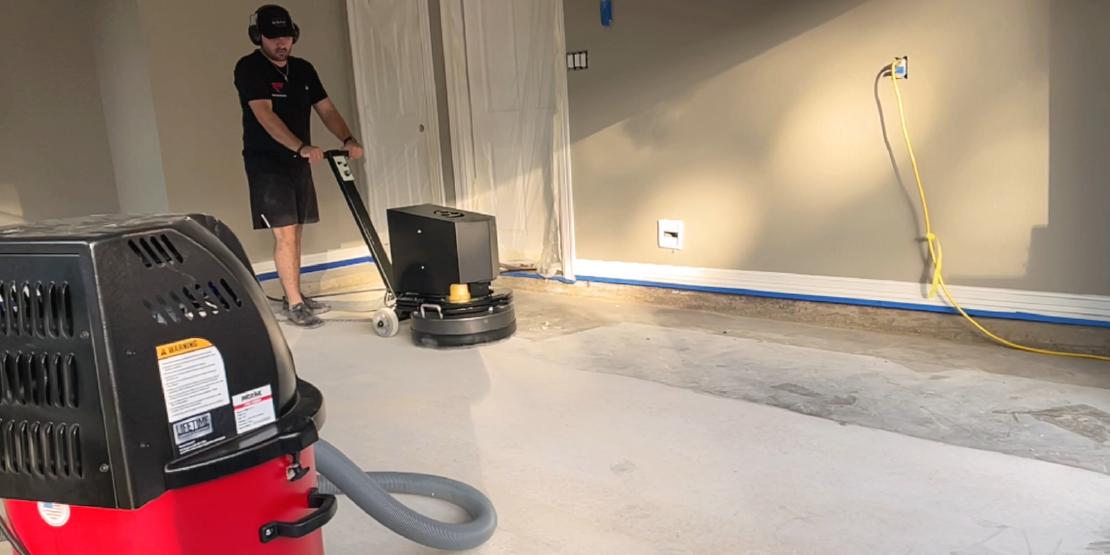
The process of applying slip-resistant coatings requires careful preparation and execution. Initially, the floor surface has to be meticulously cleaned and dried. This is a crucial step, since any sort of debris or moisture can hinder the adherence of the coating and diminish its effect. Most often, a pressure washer, along with a specialized cleaning solution, is used for this purpose.
With a clean surface in place, the next step involves the application of the slip-resistant coating. Typically applied with a squeegee, roller, or spray, this layer must be even for the best possible outcome. Aggregate material is often incorporated into the mix or sprinkled onto the wet coating in order to create a textured, grippy finish. The coating then needs to dry and cure completely which can take a few hours up to several days depending on the specific product used.
Industries that Benefit from Non-Slip Floor Coatings
Various sectors can significantly benefit from the application of non-slip floor coatings. As the title suggests, these sectors heavily rely on maintaining safety and avoiding, as much as possible, any work-related mishaps from slips and falls. Dominantly, the healthcare industry is a prime beneficiary, where frequent and quick movements are essential. Having non-slip coatings in hospitals and clinics can help maintain a safer environment for both the healthcare staff and patients.
In the same vein, the food and beverage industry can utilize these coatings to improve their safety standards. With the inevitable spills and splashes in commercial kitchens, dining areas, and bar sections, slip-resistant coatings can minimize the potential risks. Moreover, industrial plants, particularly chemical and manufacturing sectors, where floors may be regularly subject to various liquid substances, can further enhance their workers’ safety with these floor coatings.
Maintenance and Care for Slip-Resistant Floor Coatings
A significant factor contributing to the durability of slip-resistant floor coatings is regular maintenance and care. While these coatings are designed to be tough and withstand heavy foot traffic, they can degrade over time without proper upkeep. Routine cleaning prevents the build-up of dirt, grime, and other materials that can gradually eat away at the protective surface and decrease its slip-resistance. Utilizing soft bristle brooms or scrubbers, rather than harsh, abrasive cleaning tools, aids in preserving the integrity of the floor coating. It can also be beneficial to establish a regular cleaning schedule, tailored to the amount of traffic the floor experiences, to ensure optimal conditions are maintained.
The specific care requirements for slip-resistant floor coatings may vary based on the particular type used and the environmental conditions of the location. In most cases, using mild, pH-neutral detergents will adequately clean without causing damage to the coating. Regular inspections are also critical in monitoring the condition of the floor coating. They allow early detection of any damage or wear, such as cracking, peeling, or faded areas. Promptly addressing these issues helps extend the lifespan of the floor coating, helps maintain a safe environment, and can save on significant repair costs down the line.
Comparing Durability of Different Floor Coatings
The durability of floor coatings can significantly vary depending upon their type and quality. For instance, epoxy coatings are known for their exceptional durability and resistance characteristics. They are impervious to many elements including water, oil, and even heavy traffic, making them an efficient choice for commercial environments. Furthermore, epoxy coatings offer a seamless surface, that allows for easy cleaning and maintenance, extending the coating’s lifespan.
On the other hand, Polyurethane coatings while still offering robust durability, differ from epoxy in their flexibility and UV resistance. As a result, they can retain color over time while providing a high resistance to scuffs and scratches. Yet another type, the acrylic coatings, although less durable compared to epoxy and polyurethane, are valued for their quick drying times and cost-effectiveness. When considering different types of floor coatings, it’s essential to understand the trade-offs between durability, the intended environment, and the overall investment costs.
The Role of Floor Coatings in Accident Prevention
Floor coatings play a vital role in accident prevention across varying environments, from industrial factories to commercial shops to homes. Industrial environments often require high durability, abrasion resistance, and protection against chemical spills. The right coating creates a seamless floor which minimizes dust, improves the air quality, and lowers the risk of accidents caused by foreign material slippage or falls. Floor coatings provide an effective solution to reduce accidents, injuries, and even save lives.
In commercial shops and other public spaces, aesthetics and safety go hand-in-hand. High-quality floor coatings, specifically ones that are slip-resistant, bring a balance of design and safety to these spaces. They prevent accidents by enhancing traction and providing a higher degree of grip, significantly reducing the hazards of slips, trips and falls. For residential areas, floor coatings provide an added layer of safety, especially in areas that are prone to wetness like bathrooms and kitchens. In conclusion, floor coatings are a critical and cost-effective investment for accident prevention on any property.
Cost-Benefit Analysis of Slip-Resistant Floor Coatings
In determining the value of slip-resistant floor coatings, it’s crucial to weigh the initial investment against the long-term savings potential. Installation cost represents the upfront financial investment needed to procure the material and apply the coating. This cost varies depending on the size of the area requiring coverage, the type of coating selected, and labor cost in the area. However, this initial expense can often be recuperated over time as slip-resistant coatings require less maintenance and repair work compared to traditional flooring systems.
On the other side of the equation, the benefits include not only the tangible monetary savings but also the improved safety and reduced risk of accidents. Slip-resistant floor coatings, by increasing the friction between foot and floor surface, significantly lower the chances of slips, trips, and falls - a leading cause of workplace injuries. In industries such as manufacturing, health care, and food service where such accidents are particularly prevalent, the potential cost savings in terms of reduced workers’ compensation claims, less downtime, and improved productivity can be substantial.
Environmental Impact of Slip-Resistant Floor Coatings
The environmental implications of using slip-resistant floor coatings are multifaceted. Different coating materials have varying levels of ecological footprints. Epoxy, for instance, is renowned for its durability and strength, but it is also a synthetic material that relies heavily on non-renewable resources for its production. Further, volatile organic compounds (VOCs), which are harmful to both humans and the environment, may be emitted during the application process.
Switching over to other types such as water-based or bio-based coatings, there is a more environmentally-friendly alternative. These coatings generate significantly less VOCs compared to their traditional counterparts, thus limiting their adverse ecological impact. Moreover, advances in manufacturing technology have improved their strength and durability to be comparable to synthetic options. However, these sustainable options aren’t completely without drawbacks – their production processes often require more energy. These factors must be judiciously considered when assessing the overall environmental impact of slip-resistant floor coatings.
What are the essential elements to understand about floor coatings?
The essential elements to understand about floor coatings include their basic function, types, the role of aggregate in creating non-slip surfaces, their chemical composition, and their application process.
Why is slip resistance important in flooring?
Slip resistance is essential in flooring because it enhances safety by reducing the risk of accidents due to slipping, especially in high-traffic or wet areas.
How do floor coatings enhance traction?
Floor coatings enhance traction by creating a textured surface that provides grip, reducing the chances of slipping.
What are some types of slip-resistant floor coatings?
There are various types of slip-resistant floor coatings, including epoxy, polyurethane, and acrylic coatings. The choice of coating depends on factors like the type of surface, expected traffic, and environmental conditions.
How does aggregate contribute to non-slip surfaces?
Aggregate, often in the form of sand, quartz, or crushed glass, is mixed into the coating to create a rough texture that provides grip, thereby contributing to a non-slip surface.
What is the chemical composition of slip-resistant coatings?
The chemical composition of slip-resistant coatings largely depends on the type of coating. For example, epoxy coatings are typically composed of epoxy resin, hardener, and aggregate.
How are slip-resistant coatings applied?
Slip-resistant coatings are typically applied in multiple layers. The surface is first prepared by cleaning and possibly abrading it. The coating is then mixed and applied, often by rolling or spraying. Aggregate may be sprinkled on between layers.
Which industries can benefit from non-slip floor coatings?
Numerous industries can benefit from non-slip floor coatings, including manufacturing, food and beverage, healthcare, hospitality, and retail, due to their enhanced safety and durability.
How should slip-resistant floor coatings be maintained?
Slip-resistant floor coatings should be cleaned regularly to maintain their traction. Deep cleaning or reapplication may be necessary over time, depending on the volume of traffic and specific environmental conditions.
How do different floor coatings compare in terms of durability?
The durability of floor coatings depends on their composition and application. Epoxy coatings, for example, are known for their high durability and resistance to chemicals and abrasion, making them suitable for heavy-duty industrial use.
How do floor coatings contribute to accident prevention?
Floor coatings contribute to accident prevention by enhancing the traction of the floor, reducing the chances of slipping and falling, particularly in wet or high-traffic areas.
What are the cost and benefits of slip-resistant floor coatings?
While the initial cost of slip-resistant floor coatings can be high, long-term benefits include improved safety, reduced risk of accidents and liability, and potentially lower maintenance and replacement costs due to enhanced durability.
What is the environmental impact of slip-resistant floor coatings?
The environmental impact of slip-resistant floor coatings largely depends on their composition. Some coatings contain volatile organic compounds (VOCs) that can contribute to air pollution. However, many manufacturers now offer low-VOC or VOC-free options to reduce their environmental impact.