
Biobased Floor Coatings: A New Frontier
Understanding the Concept of Biobased Materials
Biobased materials are naturally occurring substances that are used in the production of goods and commodities. These materials are derived from living organisms, which could range from plants and animals, to microorganisms like bacteria and fungi. Because they are harvested from nature, these materials are noted for their sustainability. Biobased materials are not only renewable but also emit less greenhouse gases when compared to their synthetic counterparts.
In contrast to conventional materials which are found in fossil fuel, biobased materials are often characterized by their biodegradability. This means that the material can break down, through natural processes, into other substances without causing harm to the environment. Modern technologies have enabled scientists to exploit the potential of these materials for multiple applications like food packaging, car parts, and, progressively, in floor coatings.
Exploring the Evolution of Floor Coatings
Historically, floor coatings were products of necessity, primarily used to prevent damage and maintain cleanliness of floor surfaces. Oakum, a mixture of tar and fiber, was one such rudimentary floor coating common in maritime applications. The 19th century saw the advent of varnishes derived from natural resins, lending a glossy finish to wooden floors. However, these lacked durability and sustainability, often requiring frequent reapplications.
In the 20th century, the coating industry witnessed a breakthrough with the introduction of synthetic resin-based coatings, including alkyd, epoxy, and polyurethane. These offered improved durability, enhanced gloss, and resistance to chemicals. However, the negative environmental impact of chemical-based floor coatings became increasingly apparent, leading to an urgent necessity for eco-friendly alternatives. Thus, the 21st century paved the way for the development of biobased floor coatings as an environmentally sustainable solution, propelling a significant shift in floor-coating technologies.
The Need for Environmentally Friendly Floor Coatings
As the world grapples with the consequences of indiscriminate human activity and its effect on ecosystems, it has become imperative to adopt eco-friendly alternatives in every sphere, including in the construction industry. Traditional flooring options, for instance, while providing durability and aesthetic appeal, have adverse environmental impacts. They rely heavily on non-renewable resources for production and their disposal can lead to significant pollution due to the release of toxic substances. There’s an increasing recognition of the need to mitigate such environmental harm.
Switching to environmentally friendly floor coatings is a step towards sustainable construction practices. Biobased floor coatings are designed to be an earth-friendly solution, reducing reliance on non-renewable resources and minimizing pollution during their production. They are derived primarily from renewable resources and are designed to decompose naturally after their useful life, thereby reducing waste generation. These coatings contain no or limited volatile organic compounds (VOCs), lowering indoor air pollution and contributing to healthier indoor environments. The switch to these green alternatives profoundly embodies an environmental consciousness and a viable solution to our world’s pressing environmental concerns.
Transition from Traditional to Biobased Floor Finishes
The transformation from conventional, petroleum-based floor coatings to biobased alternatives is rooted in an increasing global emphasis on sustainable and environmental-friendly practices. Traditional floor finishes, predominantly synthetic and petrochemical in nature, have been in use for decades due to their performance attributes. However, the tide is changing, as these materials are notoriously blamed for contributing to environmental degradation and pollution due to their non-biodegradable nature and high levels of volatile organic compounds (VOCs).
Biobased floor finishes, on the other hand, are derived from renewable resources such as vegetable oils, amino acids, and plant starches. These eco-friendly materials possess comparable or superior properties to petroleum-based coatings while significantly reducing the environmental footprint. Shifting towards biobased floor coatings not only echoes the demand for clean, green materials but also the broader movement to sustainable living and responsible consumption. This transition comes with the understanding that preserving the environment is now not just a moral obligation but also a necessity for sustaining human life.
Composition and Production of Biobased Floor Coatings
Biobased floor coatings are fundamentally composed of renewable materials such as plant oils, sugar derivatives, and even rosin from conifer trees. Unlike their petroleum-based counterparts, these ingredients are sustainably sourced and processed using biochemical techniques. Depending on the specific formulation, these coatings may also contain additives like UV stabilizers and curing agents to enhance their characteristics. However, these additives are generally included in restricted amounts to maintain the eco-friendly nature of the coating.
Producing biobased floor coatings involves a combination of sophisticated processes such as esterification, transesterification and polymerization. These methods allow the transformation of basic raw materials into resins, the core binder for floor coatings. Esterification, for instance, links components of plant oils with sugar derivatives to form a sustainable polyol; transesterification can modify this polyol to achieve desired coating properties; polymerization finally, convert these modified polyols into an applicable coating. These production steps are carried out in a way that ensures product quality and minimizes ecological impact, a major focus of biobased materials.
Unique Benefits of Biobased Floor Coatings
In the sphere of flooring, biobased materials offer some remarkable advantages. The inherent nature of these materials makes them more sustainable than their conventional counterparts. One striking benefit is their ability to mitigate the environmental footprint. Derived from rapidly renewable resources rather than fossil fuels, they emit significantly fewer greenhouse gases during their life cycle, reducing global warming potential. Moreover, they are essentially low in Volatile Organic Compounds (VOCs), which significantly improves indoor air quality.
On the functional front, biobased floor coatings excel in various performance aspects. These coatings are exceptionally durable and resistant to wear, supporting a longer lifespan and requiring less frequent replacements compared to traditional coatings. They deliver a high-quality finish which is resilient to scratches, stains, and impact damage. In addition, they offer high UV resistance which helps to maintain the floor’s original color and appearance for a longer period. The inherent ability of these coatings to biodegrade after their useful life is another attribute that sets them apart.
Comparing Biobased Coatings with Conventional Floor Coatings
Biobased coatings and conventional floor coatings differ substantially, especially regarding their environmental impact and chemical composition. Conventional floor coatings typically include VOCs (Volatile Organic Compounds) which contribute to indoor air pollution and can lead to a host of health issues. On the contrary, biobased floor coatings are formulated using natural, renewable materials and have a significantly reduced VOC content. This makes them a substantially healthier choice for indoor environments.
Alongside environmental and health considerations, there is also a considerable difference in the performance and longevity. Traditional petroleum-based coatings have long been praised for their durability, offering a hardwearing surface that can withstand high foot traffic. However, advancements in technology and formulation techniques have enabled biobased floor coatings to compete on equal footing. Offering excellent durability while being chip and scratch-resistant, these coatings further demonstrate a remarkable resistance to discoloration and deterioration over time.
Application Process of Biobased Floor Coatings
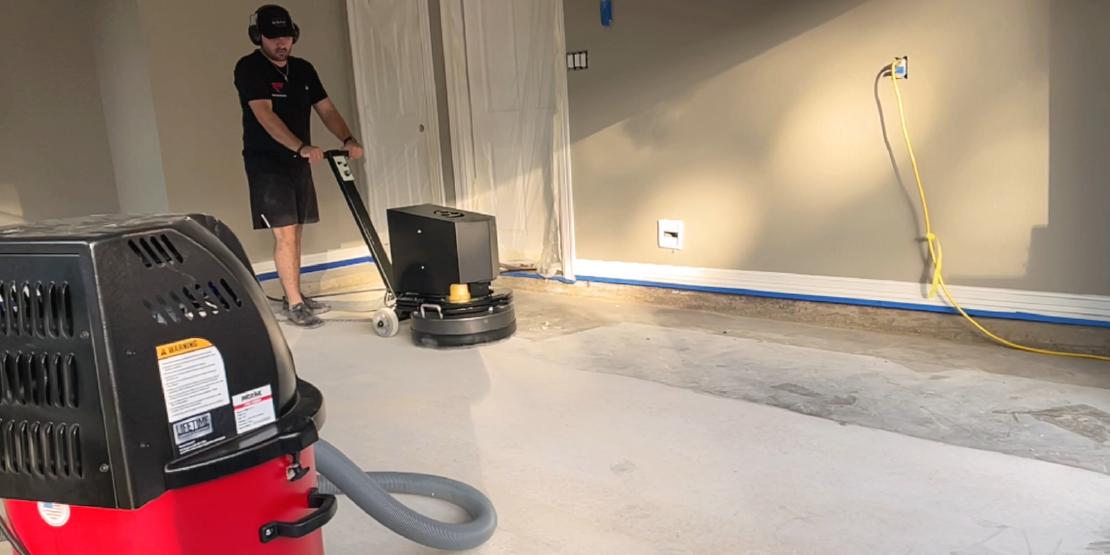
The application of biobased floor coatings does not significantly differ from conventional methods. It starts with a surface preparation which usually involves cleaning, and in some cases, sanding. This step ensures the removal of any impurities like dust, dirt or grease that might impair the coating’s adhesion to the flooring material. The surface might also need to be neutralized to balance pH levels, especially for concrete floors. With the surface duly prepared, the coating might be applied using a roller, brush, or sprayer depending on the type of floor and the preferences of the contractor.
Important in the process is maintaining the right speed of application. Rapid application might result in uneven coats with bubbles and streaks, while slower application can allow the coating to dry too quickly, thus affecting its curing and overall performance. Manufacturers generally provide specific instructions about the ideal temperature and humidity levels for the application process, as well as the necessary layers of the coating to be applied for optimal results. These guidelines must be followed minutely to achieve the desired floor finish. This process is generally simple, making it possible for do-it-yourself enthusiasts to use biobased floor coatings for their projects.
Performance and Durability of Biobased Floor Coatings
The application of biobased floor coatings offer many performance benefits, highlighting their competence in the ever-evolving world of floor finishes. Unlike their synthetic counterparts, these coatings exhibit a high degree of resistance to impact, corrosion, and abrasion. This is largely due their composition which includes biodegradable components that have inherent toughness characteristics. Additionally, such coatings are engineered to endure temperature fluctuations, displaying thermal stability even in extremely cold or hot environments, a trait that is of paramount significance in floor coatings.
Their durability is another notable characteristic that has fueled their rapid adoption in multiple industries. Over a long term, the performance of biobased coatings remain consistent, ensuring an extended lifespan of the floor. Their innate resistance to UV light prevents them from fading, hence maintaining their appearance for a longer time. Furthermore, these coatings have exceptional resistance to chemicals, reducing the chances of wear and tear from harsh cleaning agents. Together, these factors contribute to the superior performance and durability of biobased floor coatings.
Potential Limitations and Challenges of Using Biobased Floor Coatings
While the transition to biobased floor coatings indeed marks a significant stride towards environmentally-friendly building practices, certain drawbacks are yet to be addressed. One challenge lies in the cost factor; the production of biobased materials is generally more expensive than their traditional counterparts. This could pose a financial challenge for businesses or homeowners who want to make sustainable choices but are restrained by budget constraints.
Moreover, another significant concern includes the potential for variations in quality and consistency. Given the relatively nascent stance of this industry, there aren’t as tightly regulated quality controls as witnessed in conventional materials production. Consequently, biobased floor coatings may display inconsistent properties, reliant on the specific type of biomass used or the production process applied. The continuity of aesthetics may be compromised, entailing a more frequent need for potential replacements or touch-ups.
Maintenance and Care for Biobased Coated Floors
Preserving the luster and durability of biobased coated floors depends largely on the efforts exerted in their maintenance and care. Given their unique composition, employing the right care techniques is of utmost significance. Regular sweeping or vacuuming offers the preliminary step, efficient in removing everyday dirt and debris. Be sure not to use excessively wet mops, as they may seep moisture into the floor seams and cause damage. Instead, use damp mops together with pH-neutral cleaners to avoid discolouring or damaging the coating.
Essential is understanding that biobased coatings are not immune to scratches and dents, especially in high-traffic areas. Therefore, use furniture pads under all furnishings and avoid dragging heavy items across the floor. Periodic professional cleaning can also maintain the floor’s original spark, as experts employ detailed, in-depth cleaning methods. Rounding out these maintenance routines with immediate attention to spills prevents them from soaking into the coating and causing unsightly stains. Overall, the key is consistency in employing these care measures to preserve your biobased coated floor’s impressive features.
Market Trends and Future Prospects of Biobased Floor Coatings
Sustainability-driven initiatives in construction and building sectors are pushing the demand for Biobased floor coatings at an incredible pace. With an increasing prevalence of green building trend, these eco-friendly substitutes to conventional floor coatings are set to witness a dramatic growth. Highlighting the market predictions, reports suggest a Compound Annual Growth Rate (CAGR) of over 5.5% for the global biobased coatings market through 2025. Rapid technological progressions in material science and substance engineering have attributed to the accelerated advance in the production of biobased floor coatings, driving significant transformation in the industry landscape.
Evolving consumer preferences towards low carbon and emission-reducing solutions, coupled with the escalating necessity for indoor air quality improvement, spike the potential future prospects of this eco-friendly innovation. The escalating stringency in environmental regulations across countries might also bolster the broad-scale adoption of biobased floor coatings in the imminent future. Despite the envisaged growth, challenges like relatively high cost and lower performance of some biobased products compared to their synthetic counterparts await further innovation and research. Nonetheless, through the integration of advanced bio-technologies and revolutionary material science, the coming years might revolutionize the new era of sustainable and efficient biobased floor coatings. Here are some key points to consider:
• The global demand for biobased floor coatings is on the rise, driven by sustainability initiatives in construction and building sectors.
• The increasing popularity of green building trends is expected to boost the growth of these eco-friendly alternatives to conventional floor coatings.
• Reports predict a Compound Annual Growth Rate (CAGR) of over 5.5% for the global biobased coatings market through 2025.
• Rapid advancements in material science and substance engineering have accelerated progress in the production of biobased floor coatings, driving significant changes within the industry landscape.
• Changing consumer preferences towards low carbon and emission-reducing solutions, along with an escalating need for improved indoor air quality, enhance future prospects for this eco-friendly innovation.
• Increasingly stringent environmental regulations across different countries could also encourage wider adoption of biobased floor coatings in the near future.
Despite promising growth projections, there are still challenges that need addressing:
◦ Some biobased products have relatively high costs which may deter potential customers.
◦ Certain types of these products perform less effectively compared to their synthetic counterparts.
However,
With further research and innovation in advanced bio-technologies and revolutionary material science,
We can expect a new era where sustainable and efficient biobased floor coatings dominate.
Case Studies: Successful Implementation of Biobased Floor Coatings.
A notable case study that exemplifies the successful implementation of biobased floor coatings is the refurbishing project undertaken by the Johnson Elementary School in Charlottesville, Virginia. In this initiative, an environmentally friendly biobased floor finish was used that offered not only aesthetic appeal but also durability and ease of maintenance. Specifically, with the application of a biobased product, the school could significantly reduce volatile organic compound (VOC) emissions, thereby enhancing indoor air quality and creating a safer learning environment for their students.
In the industrial sector, companies like the Northgate Gonzalez Market in California have made a bold shift towards sustainability by using biobased floor coatings in their facilities. In the pursuit of limiting their environmental impacts, Northgate installed a soy-based hardener and a castor-oil-based sealer on their concrete floors, offering robust protection against wear and tear. The switch has resulted in successful outcomes, including improved durability and resistance to high foot traffic, reduced maintenance costs, and an overall reduction in their carbon footprint.
What are biobased materials?
Biobased materials refer to products that are derived from living organisms, such as plants, animals, and marine sources. These materials are renewable and often biodegradable, making them a sustainable choice for various applications, including floor coatings.
How have floor coatings evolved over time?
Traditional floor coatings have been in use for decades, primarily made from synthetic materials. However, the industry has evolved with the introduction of biobased floor coatings, which are more sustainable and environmentally friendly.
Why is there a need for environmentally friendly floor coatings?
Environmentally friendly floor coatings reduce harmful emissions, are less hazardous, and contribute to a healthier indoor air quality. They also align with increasing consumer demand for sustainable and eco-friendly products.
What are the unique benefits of using biobased floor coatings?
Biobased floor coatings offer several benefits, including reduced environmental impact, lower volatile organic compound (VOC) emissions, improved air quality, and sustainability. They are also often more durable and require less maintenance than traditional coatings.
How does the application process of biobased floor coatings work?
The application process of biobased floor coatings is similar to traditional coatings and usually involves a clean, dry surface, primer application, followed by the coating application. Each layer needs to dry thoroughly before the next is applied.
What are some potential limitations of using biobased floor coatings?
Some potential limitations may include higher upfront costs, limited color options, and availability. However, as the industry evolves and biobased products become more common, these challenges are expected to decrease.
How should I care for my biobased coated floor?
Care and maintenance for biobased coated floors often involve regular dust mopping or vacuuming, periodic cleaning with a mild, pH-neutral cleaning agent, and possibly occasional recoating depending on wear and tear.
What is the future prospect of biobased floor coatings?
The future prospects of biobased floor coatings are promising, with increasing consumer awareness and demand for sustainable and eco-friendly products. It is expected that advancements in technology will continue to improve the performance and availability of these coatings.
Could you provide some case studies of successful implementations of biobased floor coatings?
The article provides a detailed analysis of several case studies showcasing the successful implementation of biobased floor coatings in various settings such as commercial and residential buildings. For more specific information, one should refer to the “Case Studies: Successful Implementation of Biobased Floor Coatings” section in the article.