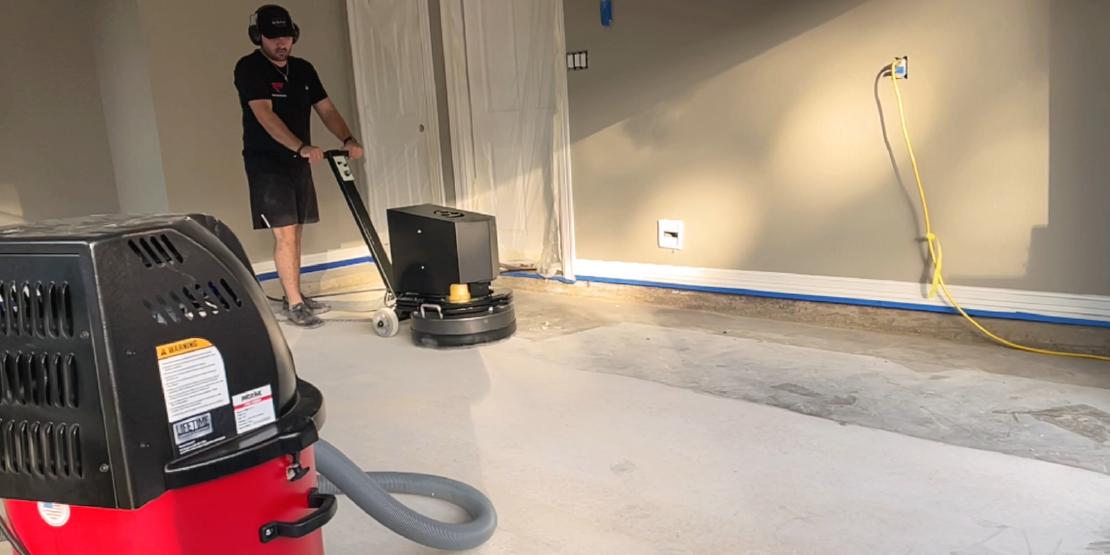

Breakdown of Costs: Materials, Labor, and Preparation
Understanding the Various Expenses Involved in a Project
Managing a project often requires a considerable amount of finance-related planning and decision making. The expenses connected to a project can be significantly diverse, running the gamut from material costs and labor expenses to hidden costs such as delays, damaged goods, or cost overruns. Having a solid awareness of all potential costs can aid in developing a comprehensive budget, which can, in turn, prevent unpleasant financial surprises as the project unfolds.
The primary types of costs to get prepared for include the cost of materials, labor costs, preparation and planning costs, and the cost of time. The cost of materials involves the expenses associated with securing the necessary resources to appropriately execute the project. Labor costs pertain to the payments due to project participants for their time and expertise. Understanding the costs associated with preparation and planning ensures you allocate adequate resources for project setup and structuring while considering the cost of time emphasizes the importance of project timelines and deadlines in financial planning. Additionally, considering these different types of costs can assist project managers in devising strategies to control, reduce, and manage costs effectively.
Dissecting the Cost of Materials
Material costs significantly impact the overall project outlay, often comprising a substantial portion of the budget. They cover all the necessary resources required to successfully execute a project, ranging from raw materials to consumables. A thorough and accurate estimation of these costs is crucial in establishing a realistic project budget and timeline.
Costs associated with materials vary widely, influenced by factors such as quality, market demand, availability, and even geographical location. High-grade materials command a premium price compared to their less superior counterparts. Incidentally, this disparity holds a direct correlation to the end product’s quality, durability, and appeal. Understanding this nexus can equip project managers to make informed decisions that balance cost-saving measures and quality output.
The Impact of Quality on Material Costs
High-quality materials often carry a significant price tag, directly impacting the total cost of a project. Whether it involves construction, product development, or any other industry that relies heavily on materials, the choice of quality can drastically change your overall expenditure. While high-quality materials can assure durability, superior performance, and longer lifespan, they may also drive up the project’s costs due to their relatively high acquisition cost.
However, focusing merely on the purchasing cost can lead to a narrow understanding of actual project expenses. It’s prudent to consider the “total cost of ownership” that involves maintenance, replacement rates, and potential for increasing the project’s overall value. Lower quality, cheaper materials may initially decrease project costs, but they typically require frequent repairs and replacements, inadvertently driving up long-term costs. An accurate understanding of the balance between material quality and cost can ensure more effective cost management. • High-quality materials can provide superior performance and durability, leading to longer lifespans for projects. These benefits, however, come with a higher initial acquisition cost which directly impacts the total project budget. • Construction projects may require more robust materials capable of withstanding various weather conditions and heavy usage. • In product development, high-quality materials can enhance the product’s functionality and customer satisfaction levels.
• The purchasing cost of materials is just one aspect to consider when evaluating overall project expenses. A comprehensive understanding should also include maintenance costs, replacement rates, and potential value increase of the project due to quality material use. • Maintenance costs: High-quality materials often require less frequent maintenance than their cheaper counterparts. This factor reduces long-term costs associated with labor and additional resources needed for upkeep. • Replacement rates: Lower quality or cheaper materials tend to have higher replacement rates due to wear-and-tear or damage. This could inadvertently escalate long-term expenses despite lower upfront costs. • Potential Value Increase: Using high-quality material might increase the overall value of a project by enhancing its durability, functionally or aesthetic appeal.
• Striking an accurate balance between material quality and cost is crucial in effective cost management strategy. • It involves careful consideration of both immediate financial constraints as well as future operational efficiency implications.
In conclusion, while it’s tempting to opt for cheaper alternatives upfront when selecting construction or production materials; taking into account factors like longevity, repair frequency & potential value increment can lead towards substantial savings in the long run. Therefore a holistic approach considering all these aspects would ensure more efficient resource allocation thus improving profitability margins over time.
How to Estimate the Cost of Labor
When initiating a new project, getting a clear understanding of labor costs is pivotal. These should be estimated based on the number of human resources required, the duration of their involvement, and their respective rates of pay. Labor costs generally comprise a significant portion of total project expenses and have a ripple effect on overall project expenditure.
The estimation process begins with the identification of manpower needs. An outline of tasks, roles, and responsibilities must be prepared to accurately estimate the manpower requirement. Afterwards, the wage rates for each role are factored in. Workers’ experiences, skill levels, and geographic location can have a substantial impact on their pay rates. Thus, by considering these variables, a more realistic estimation of labor costs can be achieved. In addition, it’s vital to take into account unforeseen scenarios such as overtime or the need for additional staff.
Factors Influencing Labor Costs
Examining the costs of a project in a comprehensive manner, it becomes apparent that labor costs play a vital role. They can often constitute the most significant percentage of the total project budget, and thus demand careful consideration. Various factors come into play when estimating these costs, influencing their final value and having a direct effect on the project’s bottom line.
One of the primary factors to take into account is the skill level required for the job roles involved in the project. High-skilled workers, such as technicians and engineers, typically command higher wages than those performing basic tasks. Location plays a crucial role in determining wage rates, as well. Some regions have higher labor rates due to increased costs of living or a shortage of skilled professionals. Additionally, labor costs can be influenced by the length of the project, with projects of longer duration usually necessitating higher labor costs. The intricacy of the tasks being undertaken also has a direct bearing on labor costs; more complex tasks generally require more man-hours, thereby escalating the labor costs.
The Importance of Preparation and Planning
In the realm of cost management, preparation and planning plays a pivotal role in ensuring project success. Thorough groundwork establishes a solid foundation for budget forecasts, monitors the financial health of the project, helps to control costs, and aids in minimizing risks. This initial step not only helps to set the baseline for cost estimates but is also a key determinant in aligning the project with the overall company strategy.
Detailed planning can provide a clear and articulate path forward, highlighting possible bottlenecks or inefficiencies that can potentially escalate costs. Understanding the scope of the project, the resources required, and the timeline can help develop a realistic budget. Preparation, on the other hand, allows effective identification of potential hidden costs, as well as the capacity to foresee possible challenges and create contingency plans. The synergy of these two elements – preparation and planning – significantly enhances the probability of project success, with meticulously controlled costs.
Estimating the Cost of Project Preparation
In the initial phases of project planning, a crucial aspect lies in estimating the cost of project preparation. This involves understanding and quantifying the financial and resource investments required before the actual project tasks begin. A thorough preparation includes, but is not limited to, market research, feasibility studies, procurement of necessary permits, and sourcing and price negotiation of resources. Each of these elements contributes significantly to the overall cost and must be accurately accounted for to ensure budgetary control.
To estimate the cost of project preparation accurately, various factors should be evaluated. Device in detailed cost assumptions based on historical data, industry standards or expert judgment as a primary step. It’s crucial to take into account costs associated with regulatory and compliance requirements, training expenses, if new skills or knowledge are required, and the cost of software or tools necessary for project execution. Additionally, the cost associated with trial and testing processes should also be considered while budgeting for project preparation. Remember, underestimating these costs can lead to budget overruns and potentially jeopardize the entire project.
The Role of Time in Cost Estimation
One of the critical elements that significantly impact the cost estimation of any project is time. This factor often influences the calculation of both direct and indirect expenses. Direct costs, including labor and materials, often increase when projects extend beyond the anticipated timeline. Prolonged projects often require additional labor hours, which in turn escalates overall labor costs. Similarly, extended project periods may require additional purchases of materials due to wear and tear or industry price increases.
Moreover, the chances of incurring more indirect costs are higher when the project runs for an extended period. These costs can range from additional rental fees for equipment or machinery, overhead costs like electricity or site maintenance, and opportunity costs, including potential lost business opportunities due to extended project timelines. Therefore, accurate time estimation is essential in managing and controlling the overall budget of a project. It provides a comprehensive picture of where the money will be spent, aiding in effective cost management.
The Hidden Costs You Might Overlook
Project management invariably encompasses a host of unforeseen costs, often termed as hidden costs, that escape the initial budgeting. These elusive expenses can stealthily creep into your project framework, causing considerable budget overruns and disrupting the strategic financial planning. Examples of hidden costs may include unexpected delays, changes in project scope, or urgent equipment repairs. Notably, these costs are unpredictable but can significantly inflate the overall project expenses if not managed effectively.
Another arena often overlooked in cost calculation is the non-productive hours. These include the time employees spend in training or meetings, idle time due to unforeseen circumstances, or time lost due to inefficiencies in the process. Such non-billable hours contribute to the overall cost burden of the project but are usually overlooked during the budgeting process. Therefore, acknowledging and including these hidden costs during project cost estimation ensures an extensive and realistically balanced project budget.
How to Create a Detailed Budget Plan
Creating a detailed budget plan necessitates meticulous organization, strategic foresight, and a deep understanding of project goals. It commences with break down of all the phases involved in the project, along with an extensive list of all the resources required. It’s pivotal to examine each task independently and allocate a specific budget tied to its successful completion. Budget Allocation to individual task guarantees transparency and assists in tracking expenditure.
Derived from the project’s timeline, each task’s budget should be further broken down weekly or monthly, depending on the project’s duration. This enables practical Cash Flow Management, which is paramount in maintaining project solvency. Unforeseen events occur, and being prepared for them is crucial. Hence, the plan must be flexible enough to absorb any surprise expenses or delays without risking the project’s overall financial health. The budget should not only cover the project’s actual costs, but also have a contingency budget to mitigate any risks or uncertainties.
Tools and Techniques for Cost Management
Effective cost management involves a deep comprehension of different tools and techniques utilised globally. These comprise budgeting, forecasting, and variance analysis among others. Budgeting is one of the principal tools in cost management which aids in allocating financial resources for the different elements of the project. It provides a detailed allocation of finances for various facets like material purchase, labor costs, logistical expenses, etc. By clearly defining the expected costs, budgeting helps in setting a financial roadmap for the project while ensuring adequate provision for unforeseen costs.
Another key technique in cost management is the forecasting of costs. This essentially involves predicting the financial repercussions of various project scenarios. It serves as an advanced warning system, allowing project managers to course-correct in time to avoid potential budget overruns. Variance analysis, on the other hand, involves comparison of the actual project costs against the outlined budget. By highlighting the reasons for any discrepancies, this technique facilitates better understanding of deviations and guides corrective actions. These three tools - budgeting, forecasting, and variance analysis - when deployed effectively, can aid in successful cost management.
How to Control and Reduce Project Costs
Understanding and meticulously tracking every financial aspect is a crucial step towards controlling and reducing project costs. It’s necessary to establish a well-organized budget that meticulously details all foreseeable expenses. Employing the use of cost management software can facilitate this process, easing the tracking and allocation of resources, hence, leading to a more efficient utilization of finances.
Moreover, it is imperative to negotiate with suppliers to receive the best possible prices on materials - this can drastically reduce costs. Implementing strategies such as Just-In-Time (JIT) purchasing can minimize the cost of inventory storage. Training team members to increase their efficiency and productivity also plays a vital part in slashing labor costs. Lastly, considering project risks and preparing contingency plans can safeguard projects from unexpected expenditures that can escalate the overall project cost.
The Benefits of Effective Cost Management
Effective cost management presents a competitive advantage for organizations. Tight control over expenditures culminates in a better bottom-line performance, bringing potential cost savings and improving profitability. This promotes financial stability, securing a favorable standing in challenging business environments. The ability to deliver projects within budget, without compromising quality, fosters client trust and satisfaction, directly influencing company reputation.
When utilized appropriately, cost management solutions add value and promote efficiency in various aspects of project execution. From managing individual tasks to overseeing entire project lifecycles, effective cost management enables businesses to eliminate financial wastage and redundancies. It gives stakeholders a clear view of financial resources, streamlining decision-making processes and providing a comprehensive platform for risk analysis. The use of such strategic abilities not only saves costs but also provides better project outcomes and greater business value.
What does effective cost management entail?
Effective cost management involves an understanding of the various expenses involved in a project, dissecting the cost of materials, estimating the cost of labor and project preparation, and identifying any hidden costs. It also involves creating a detailed budget plan, utilizing the right tools and techniques for cost management, and constantly monitoring to control and reduce project costs.
What factors are involved in estimating the cost of materials?
The main factors include the price of the raw materials, the quantity required, and the quality of materials. The quality of materials can significantly impact the overall cost of the project.
How does quality impact material costs?
The quality of materials used can directly affect the cost. Higher quality materials are usually more expensive, but they may reduce long-term costs due to their durability and performance, hence leading to cost savings in the long run.
How can I estimate the cost of labor for a project?
Labor costs can be estimated by considering factors such as the number of workers needed, the complexity of the project, the required skills level, and the duration of the project. It also considers wages, benefits, insurance, and any other costs associated with employing staff.
Why is preparation and planning important in cost management?
Preparation and planning allow you to forecast potential costs accurately, prepare for unforeseen expenses, and create a detailed budget plan. This can prevent cost overruns and ensure the project stays within the budget.
What are some hidden costs I might overlook in cost estimation?
Hidden costs can include things like equipment maintenance, training for new processes or tools, unexpected delays, changes in the scope of the project, legal fees, and even the cost of potential risks that might arise.
How can I create a detailed budget plan?
A detailed budget plan is created by taking into account all possible costs - materials, labor, preparation, time, and even potential hidden costs. It is done in a systematic and organized way, often using specific tools and techniques for cost management.
What are some tools and techniques for effective cost management?
Some common tools include budgeting software, cost estimation tools, project management software, and financial analysis tools. Techniques can include earned value management, cost variance analysis, and cost-benefit analysis.
How can I control and reduce project costs?
Project costs can be controlled and reduced by regularly monitoring and reviewing expenses, identifying and mitigating potential risks, efficiently managing resources, and implementing cost-saving measures where possible.
What benefits can I expect from effective cost management?
Effective cost management can lead to better financial control, improved profitability, reduced risk of cost overrun, increased efficiency, and more predictable project outcomes. It also provides insights for future projects, enabling more accurate budgeting and planning.