
Budgeting for Your DIY Floor Coating Project
Understanding the Cost of DIY Floor Coating
One of the initial aspects of a DIY floor coating project is the financial investment it entails. The overall expense is not confined to the purchase of coating material alone. A comprehensive understanding of all the potential costs can make the difference between a project that drags on needlessly over budget or one that is planned and executed within a precise financial parameter.
The cost of floor coating material can vary greatly depending on the quality and type chosen. From epoxy and polyurethane to acrylic and polyaspartic, each material comes with its own price tag. Another significant factor affecting the cost is the size of the floor that needs to be covered. Some variants require professional contractors for application, leading to an additional labor charge. Then, there are costs related to preparation and finishing of the floor, including grinding, filling cracks, and polishing, as well as cost of relevant equipment and tools. Clear understanding of these components can pave the way towards implementing a realistic budget for your DIY floor coating project.
Choosing the Right Floor Coating Material
When initiating a DIY floor coating endeavor, identifying the suitable material sets the foundation for your project’s success. Broadly speaking, floor coating materials fall into one of five categories: epoxy, polyurethane, acrylic, polyaspartic, and rubber. Each boasts a unique set of characteristics that need to be considered in relation to the specific conditions and requirements of your home.
Epoxy, for instance, is renowned for its durability and is an excellent choice for garages and basements exposed to heavy traffic or machinery. Polyurethane and acrylic, on the other hand, are better suited for areas that require a balance between aesthetic appeal and resilience, such as living spaces. Polyaspartic coatings offer superior resistance to UV exposure, making them ideal for outdoor applications. Lastly, rubber coatings provide a safe and comfortable option for rooms such as playrooms or nurseries, where a softer finish could be beneficial. Remember, your chosen material will greatly impact the overall cost, performance, and lifespan of your DIY floor coating project.
Estimating the Quantity of Floor Coating Material Needed
Understanding the correct quantity of material required is key in floor coating projects. This not only determines the budget but also ensures that the project progresses smoothly without interruption caused by lack of material. A general rule of thumb is that a gallon of floor coating covers approximately 400 to 500 square feet, with one coat. However, this might vary depending on factors like the type of coating, the texture of the floor, and the nature of the surface whether it’s porous or not.
To get a precise estimate, you must measure the area of the floor that needs coating. This can easily be done by measuring the length and width of the floor and multiplying the two. With the total square footage in hand, divide this by the coverage rate of the chosen floor coating material. It’s important to note that you may need more than one coat, hence, adjust your calculations accordingly. Additionally, accounting for a margin of error or a buffer of about 5%-10% would be smart, as it caters to unforeseen conditions.
Pricing Your Floor Coating Material Options
Floor coating materials come in a variety of options, each with different levels of cost and performance. From the cost-effective concrete sealers to the high-priced epoxy or polyurea coatings, there is an array of choices to fit any budget. Carefully considering your specific needs, floor conditions, and project scale can guide you in determining the most economically viable option.
Compare prices from different suppliers before making a decision. Often, the higher the price, the superior the quality, but this isn’t always the case. For instance, you may find an epoxy coating of high-quality at a lower price-point when buying in bulk or during a sale. It’s important to note though, that while saving on costs is ideal, opting for cheaper options can sometimes lead to inferior results and additional expenditures in the long run. Avoiding this scenario requires conducting thorough research and reading reviews on potential materials to discern their true value.
Cost of Prepping Your Floor for Coating
Before embarking on a DIY floor coating project, it’s important to consider the cost incurred when preparing the surface for coating. This phase is crucial to the success of the project because it determines how well the floor coating will adhere to the surface. It involves cleaning the floor meticulously to ensure no oil, dirt or grease is left, which could prevent the treatment from sticking properly. Moreover, if the floor is old or damaged, repairs might be necessary to prepare a sound surface. Repairing may entail patching holes, sealing cracks, grinding uneven surfaces, and potentially dealing with moisture issues.
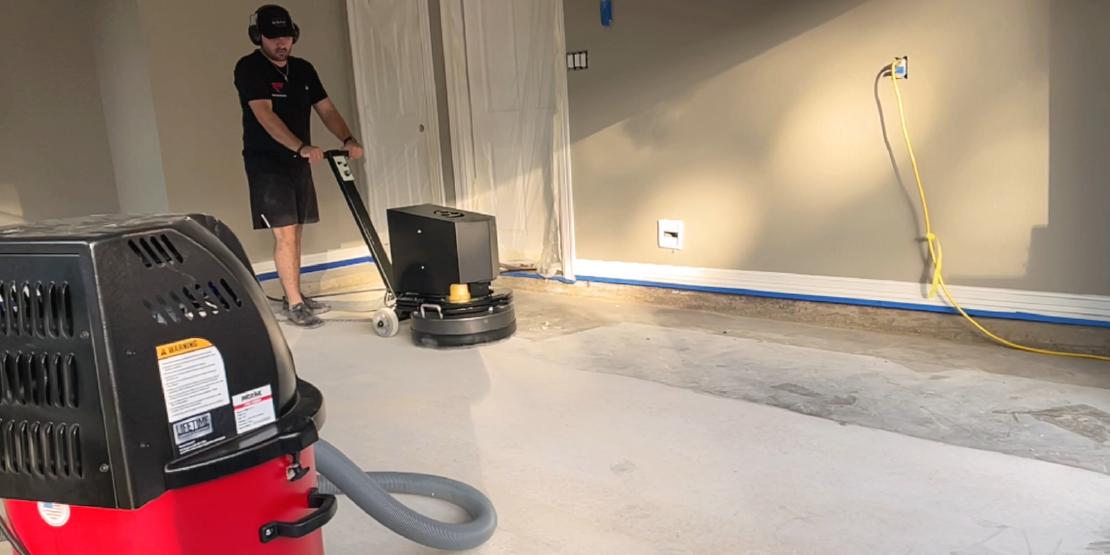
Next, there are material costs involved in prepping the floor for coating. This includes buying cleaners, sealants, patching compound and possibly renting specialized equipment such as a floor grinder or a shot blaster for heavily stained or uneven floors. The cost of these materials and rental equipment can add up, especially considering their variety and the fact that price points can fluctuate based on quality and brand. Also, protective gear like gloves, masks, and safety glasses should be accounted for, those are necessary to ensure safe handling of chemicals and equipment during the process.
Tools and Equipment: What You’ll Need
In any DIY floor coating project, it is essential to have the right tools and equipment on hand to achieve a seamless finish. While some of these may already be available in your home toolbox, others will need to be specifically obtained for this task. Identifying what you’ll need early on can help facilitate a smooth execution of the project and can also help to avoid unnecessary delays or mishaps.
Standard items on this list may include a paint roller or brush for the application of the coating, a finishing trowel, a floor grinder (for surface preparation), a mixing paddle, and safety gear such as gloves and goggles. Heavy-duty plastic sheets will be needed for protecting areas around your workspace. It is also wise to have an array of smaller tools, like scrapers and squeegees, which can come in handy for removing the old coating or cleaning your tools post-application. It is also essential to consider equipment for cleanup and waste disposal, as proper handling of leftover materials will be required.
Sourcing Affordable Tools for Your Project
Undertaking a DIY floor coating project calls for precise application tools and equipment. Cost management is just as crucial as selecting the right type of floor coating material. Frequently, the costs associated with acquiring these devices might swiftly stack up, putting a strain on your project budget. There’s good news though, there are methods for obtaining these tools that won’t require breaking the bank.
Start by exploring local rental options for larger, more expensive equipment like floor buffers or grinders. Many home improvement stores give an alternative to outright purchase, which can be a significant budget saver. For smaller tools like paintbuckets, brushes, and rollers, consider buying in bulk or sourcing from discount or secondhand stores. Remember to stay vigilant about quality, as lower-priced tools can sometimes mean poorer performance.
Unexpected Costs in DIY Floor Coating Projects
Taking the DIY route for floor coating projects certainly has its surprises which can significantly impact your budget. Notably, you may realize midway through the undertaking that you underestimated the amount of coating required to sufficiently cover your floor. This often results in unexpected trips back to the hardware store for additional supplies, tacking on additional expenses not only for the extra materials, but for the transportation costs as well.
In addition, expenses can accrue from the correction of errors. For instance, if the floor surface wasn’t prepped correctly before the initial coating application, it could lead to an uneven finish or cause the coating to peel off prematurely. Correcting these errors may involve purchasing additional tools or hiring a professional to rectify the situation. Remember, beneath the surface costs lie hidden aspects like manhours invested, which could have otherwise been spent on productive tasks.
Ways to Save on Your DIY Floor Coating Project
An effective strategy to curb the costs of your DIY floor coating project involves precise planning and estimation. From carefully choosing the floor coating material — its type, quality, and quantity — to meticulously determining the quantity needed can help avoid wastage and subsequent cost overruns. Early preparation is key, as last-minute buying often leads to unplanned expenses. It’s significant to remember that investing in a high-quality coating material initially might result in long-term savings due to its durability.
Another aspect to consider is borrowing or renting tools and equipment needed for the project instead of purchasing. Not only can renting help you access high-end, efficient tools at a fraction of the cost, but it also saves you the trouble of storing those tools post-project. Furthermore, doing proper research to compare prices at various stores or online platforms can garner significant savings. Buying during sale events or off-season can further reduce expenses. Learning innovative DIY floor coating techniques can minimize the need for professional help, cutting down the project budget considerably. • Begin with a comprehensive plan: Before starting your DIY floor coating project, it’s crucial to have a detailed plan in place. This includes deciding on the type of floor coating material you want to use, its quality and quantity. A well-thought-out plan can help avoid unnecessary expenses.
• Invest in high-quality materials: While it might seem costlier upfront, investing in high-quality floor coating materials can save money in the long run. High-quality materials are often more durable and require less maintenance over time.
• Borrow or rent tools: Instead of buying all the necessary tools for your project, consider borrowing from friends or family members who may already own them. Alternatively, many home improvement stores offer tool rental services which could be significantly cheaper than purchasing outright.
• Compare prices before buying: Take some time to research different stores and online platforms for the best prices on materials and tools needed for your project. Consider waiting for sales events or off-season discounts to further reduce costs.
• Learn DIY techniques: There are numerous resources available online that provide step-by-step guides on how to do various DIY projects including floor coatings. By learning these techniques yourself, you can cut down on labor costs associated with hiring professionals.
In conclusion, saving money on your DIY floor coating project is possible with careful planning and smart decision making. Remember that spending a little more initially on good quality products may result in significant savings over time due to their durability and longevity.
Creating a Financial Plan for Your Floor Coating Project
Crafting a detailed financial plan is highly significant before initiating your DIY floor coating project. To start with, make a comprehensive list of all required materials such as the coating material, prepping tools, personal safety equipment, and the costs associated with them. This list should include small essentials like protective gear or cleaning solutions, as well as big ticket items like the floor coating substance itself or any rental machinery needed.
Next, draft an expected expenditure chart that not only includes the costs of materials but takes into account the potential labor costs as well. This can include your time if you are completing the project solo, or, if you are hiring help, the estimated labor charges. Be sure to allocate a buffer budget for unpredictable expenses. By doing this, you prevent project stall due to insignificant financial hitches, ensuring that your floor coating project progresses smoothly.
Sticking to Your Floor Coating Project Budget
Implementing and adhering to your preset budget ensures that your DIY floor coating project is both successful and financially sustainable. Often, homeowners overlook the importance of strict budgeting in DIY undertakings, which subsequently results in funding strains and potential challenges in complete project execution. Therefore, it is imperative to be disciplined with financial planning from the beginning, ensuring that all project aspects remain within the pre-determined budgetary limits.
Budgeting requires meticulous attention to detail, realistic cost projections, and a contingency provision for unexpected expenses. One useful method is to segregate the overall budget into different project segments, such as materials, tools, labor (if any), and ancillary costs. This approach brings clarity, aids tracking, and facilitates direct cost control on various project elements. Moreover, continuous review and adjustments go a long way in preventing budget overruns and keeping your project on track. Ensuring efficient resource utilization without compromising on quality is the essence of effective project budgeting.
Handling Project Overruns and Unexpected Expenses
Undoubtedly, embarking on a DIY floor coating project can entail unexpected costs and budgetary overruns. These unforeseen expenses may stem from various factors. Mishaps like spillage or breakage of materials can cause a surge in costs. Similarly, unforeseen structural issues, like a damaged subfloor may also need to be addressed and repaired, further straining the budget.
Planning for such contingencies is of utmost importance during the course of the project. A good rule of thumb is to set aside extra 15-20% of the project cost as a contingency fund. This enables adaptability in response to the unexpected expenses that might arise. At the same time, meticulously documenting all expenditures can assist in tracking costs and can prevent further overruns. Being prepared for the unanticipated can help in smooth execution of the project.
Reviewing and Adjusting Your Financial Plan After Completion
Once you have successfully completed your DIY floor coating project, it’s crucial to revisit your initially outlined financial plan. This involves an active and thoughtful review of each expense incurred throughout the project’s course. An in-depth analysis can reveal your spending in clear light, offering substantial insights and illuminating ways you could have saved cost. Bold lessons learned from this evaluation process can act as guiding stars for your future DIY projects.
The next step involves adjusting your financial plan, which might seem daunting but is critical for ensuring investment in subsequent projects. This process includes incorporating the deviations and the subsequent bold understanding you have acquired from your recently completed self-initiatives. It is the perfect opportunity to fine-tune your strategy by categorizing expenses more realistically, allocating funds more efficiently, and carving out budget-saving opportunities to optimize costs in the long run.
Why is it important to understand the cost of DIY floor coating?
Understanding the cost of DIY floor coating is important to determine the budget for the project and to ensure that you can afford all the expenses associated with the project.
How can I choose the right floor coating material?
You can choose the right floor coating material by considering factors such as durability, ease of application, cost, and appearance. You may also want to seek advice from professionals or do some online research.
How do I estimate the quantity of floor coating material needed?
You can estimate the quantity of floor coating material needed by calculating the square footage of your floor and referring to the coverage rate of the product, which is usually indicated on the product’s label or in the product description.
What factors should I consider when pricing my floor coating material options?
When pricing your floor coating material options, consider the cost per square foot, the product’s lifespan, its maintenance requirements, and the overall look and finish you desire.
What are the costs associated with prepping my floor for coating?
The costs for prepping your floor for coating can include things like cleaning supplies, repair materials for any existing damage, and potentially professional help if the floor is in poor condition.
What tools and equipment will I need for a DIY floor coating project?
You’ll need a range of tools and equipment for a DIY floor coating project, including brushes, rollers, concrete etch, squeegees, and protective gear like gloves and goggles.
How can I handle project overruns and unexpected expenses?
You can handle project overruns and unexpected expenses by setting aside a contingency fund in your initial budget. This can help cover any unforeseen costs and keep your project on track financially.
How can I review and adjust my financial plan after completion?
Once the project is completed, review all your expenses and compare them to your initial budget. If there were overruns, try to understand why and consider how you can avoid them in the future. Adjust your future financial plans based on this knowledge.
What are some ways to save on my DIY floor coating project?
You can save by doing the work yourself, shopping around for the best prices on materials, borrowing or renting tools instead of buying them, and using cost-effective coating materials.
Why is it important to stick to my floor coating project budget?
Sticking to your floor coating project budget helps prevent overspending, ensures that the project is affordable for you, and helps you manage your overall financial resources better.