
Can Floor Coatings Be Applied to Any Surface?
Understanding Floor Coatings
Floor coatings provide a protective layer that extends the life of flooring surfaces while ensuring their aesthetic appeal. They serve as a barrier against potential damage brought about by regular foot traffic, chemical spills, or other unavoidable circumstances. Several factors – including the type of surface, environmental conditions, and the specific use of the area – determine the ideal floor coating to use.
There is a broad spectrum of floor coating types, each possessing unique characteristics suited for different purposes. From epoxy to polyurethane to acrylic, the range is expansive, with various options catering to numerous requirements. Optimal results depend on the precise selection of a suitable floor coating matched to the specific surface and conditions one has. This underscores the importance of gaining a clear understanding of each type’s attributes and the nuances associated with its application.
Types of Floor Coatings
There exists a litany of diverse floor coatings each suited for different needs. Epoxy coatings are heavy-duty compounds renowned for their astonishing durability and resistance to chemicals. Ideal for industrial or garage environments, they can withstand tremendous traffic and pressure, making them a worthwhile consideration. They come in a variety of hues to cater to taste and aesthetic preferences.
Polyurethane coatings are characterized by their high-gloss finish that has the capacity to transform dull surfaces into radiant ones. With a protective layer highly resistant to UV light, it guards the surface beneath from discoloration. Another variant, Acrylic coatings, are beloved for their fast drying properties. They provide relatively good protection against mild traffic and abrasion. For the eco-conscious, there are also Green coatings, which are created from natural biodegradable materials, making them a sustainable choice.
Choosing the Right Floor Coating for Your Surface
Selecting an apt floor coating highly depends on the type of surface and the demands of the space where the coating will be applied. High-traffic areas, such as commercial spaces and garages, require durable floor coatings with excellent abrasion resistance. These can include epoxy coatings or polyurea coatings, which are highly resistant to wear, chemicals, and impact.
On the other hand, for spaces that demand aesthetics, like residential interiors, a decorative concrete floor coating may be the best choice. This coating can be stained, dyed, or etched with designs, offering both beauty and durability. The surface type, its texture, and condition also dictate the choice of coating–for instance, concrete surfaces may require different coatings than wooden or tile floors. Hence, scrutinize the surface for defects like cracks, spalling or delamination before determining the coating type.
Application of Floor Coatings on Concrete Surfaces
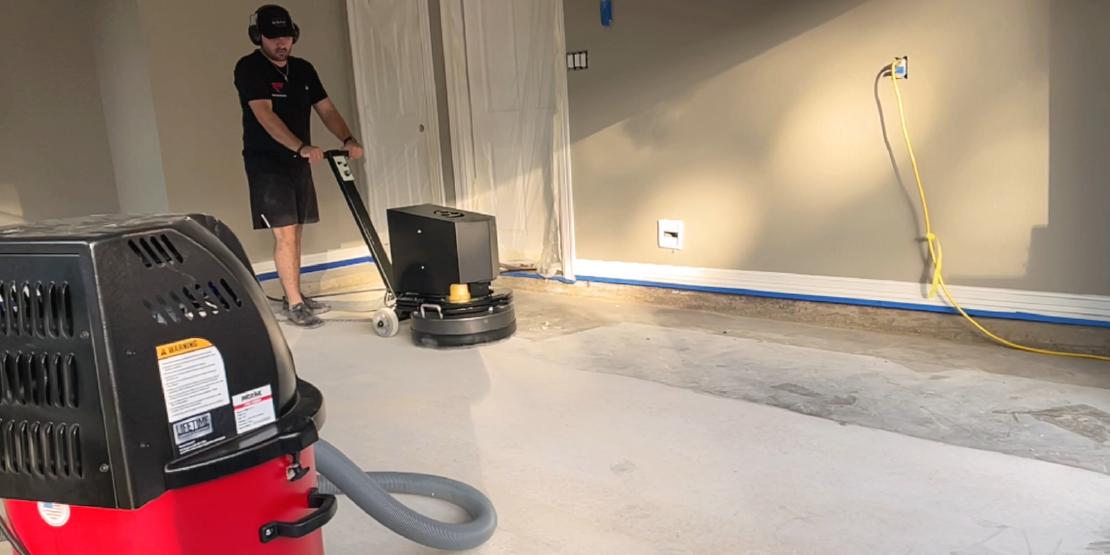
The application process of floor coatings over concrete surfaces starts with the creation of a proper bond. This bond is integral to the durability and longevity of the final floor coat. Essentially, the process involves completing a comprehensive surface prep as well as using the correct primer for the type of coating chosen. Notably, power washing, acid etching, or diamond grinding are some methods employed to achieve a conducive concrete surface ready for coating.
Different types of floor coatings such as epoxy, polyaspartic, or urethane might require different priming solutions and application approaches. A critical step during the coating process is to ensure the primer thoroughly seeps into the concrete pores to ensure a solid bond. This not only enhances the look of the surface but also provides it with a rugged shield against foot traffic, heavy equipment, and even chemical spills. Taking the time to apply a floor coating correctly on a concrete surface results in an attractive, durable, and long-lasting finish.
Applying Floor Coatings on Wood Surfaces
Wood surfaces make a room feel warm, cozy, and natural. However, to preserve their beauty, regular maintenance is required, including applying floor coatings. Selecting the right coating for wood is crucial not just for aesthetic appeal but also for the long term well-being of the wood. Coatings provide a protective layer which guards against everyday wear and tear, reducing surface scratches and keeping the wood from drying out or swelling.
One of the most commonly used wood floor coatings is polyurethane. Available in oil-based or water-based variants, polyurethane provides a layer of protection that is not only tough but also visually pleasing. Oil-based polyurethane is typically chosen for its deep, natural glow, while water-based polyurethane is appreciated for its clear finish that does not yellow over time. Other options include lacquer, shellac, or varnish, each with distinct qualities and finishes, affected by factors such as durability, ease of application, and the final look of the wood floor. Professional advice is recommended for matching the right coating to a specific wood type.
Floor Coatings for Tile Surfaces
Tiles, whether ceramic or porcelain, inherently boast a slick, polished look that might make them seem unsuitable for coating. However, the reality is that tiles can benefit significantly from the right floor coating application. Coating not only enriches the tiles’ vibrant colors but also adds a layer of protection against wear and tear. From enhancing slip resistance to guarding against moisture intrusion, the benefits are multifold. Additionally, higher-end coatings can even provide UV protection, limiting the chances of discoloration and fading over time.
Choosing the appropriate floor coating for tile surfaces can be a bit daunting given the vast number of options available in the market. Typically, acrylic and epoxy coatings are most common for tile surfaces. Acrylic coatings, water-based and easy to apply, offer decent durability, and are ideal for light-traffic areas. On the other hand, epoxy coatings are more resilient and an excellent choice for high-traffic zones like kitchens and commercial establishments. Nevertheless, the right choice ultimately depends on the specific needs of the space and the owner’s personal preference.
Laminate Surface and Floor Coatings
Applying coatings to laminate surfaces can transform the look and feel of a space while adding an extra layer of protection. This is a popular option for those seeking a cost-effective way to refresh the appearance of laminate floors. Coatings specifically engineered for laminate are used to enhance the wear layer, providing resistance to scratch, scuff, and moisture damage. When choosing a coating, it’s essential to consider factors such as the type of laminate, foot traffic levels, and desired finish.
Selecting a high-quality floor coating can significantly extend the lifespan of laminate flooring. Preparing the surface appropriately before application is key to ensuring a successful result. Thorough cleaning and sometimes lightly sanding the laminate allows the coating to adhere correctly. Once prepared, a roller, brush, or sprayer can be used to apply the coating evenly. Following application, the recommended drying time will ensure maximum durability and a professional finish. Remember, it may require a second or even third coating to achieve the desired result. After all, a well-maintained laminate floor is a beautiful and durable floor.
Stainless Steel Surfaces and Floor Coatings
Great care needs to be taken when applying floor coatings to stainless steel surfaces. By nature, stainless steel is smooth and non-porous, which means it does not readily accept floor coatings. Direct application of floor coating on the surface can result in poor bonding. Therefore, professionals typically employ specific techniques to roughen the steel surface before application. This increases the surface area for the coating to bond, thus enhancing its adherence.
Moreover, due to its resistance to staining and corrosion, stainless steel surfaces often demand special types of floor coatings. Epoxy coatings are often chosen for their advantages in both durability and aesthetic appeal. The use of epoxy gives stainless steel surfaces a have a high-gloss, attractive finish that withstands heavy foot traffic and chemical spills. Polyurethane coatings too have gained popularity, providing excellent abrasion resistance and maintaining color stability under heavy ultraviolet exposure. Various types of floor coatings may be required based on the specific needs and conditions of the stainless steel surface.
Challenges in Applying Floor Coatings on Various Surfaces
Applying floor coatings comes with a unique set of challenges depending on the surface type. Concrete, often perceived as standard and straightforward, can present issues such as moisture content that can affect the coating’s adhesion. Similar issues arise with wood surfaces, which are susceptible to temperature changes that could impact the surface’s ability to hold onto the coating. Wood surfaces also require additional sanding to ensure that the coating adheres properly, which adds to the complexity of the task.
Tile surfaces, on the other hand, are a challenge due to their glossy finish which can interfere with the application process of floor coatings. Laminate surfaces are not particularly porous, so getting a floor coating to adhere correctly can be a troublesome task. Diversity in materials such as stainless steel surfaces comes with its own conundrums, mainly because of their tendency to refraction, making it difficult for adhesion. Each surface has its unique set of hurdles that must be acknowledged, addressed, and overcome for adequate and successful application of floor coatings.
Preparation of Surfaces for Floor Coating Application
The process of preparing a surface for floor coating application is a pivotal step in the coating procedure. It involves the cleaning, repairing, and priming of the surface before applying the chosen floor coating. In general, this important step helps to ensure that the coating adheres properly to the surface and lasts for a prolonged period. This process can vary slightly depending on the type of surface, be it concrete, wood, or another material. Each material requires specific preparatory measures to ensure optimal coating application.
Cleaning is the first action undertaken in this preparatory process. The surface must be free of dust, dirt, oil, grease, or any other forms of contamination that could possibly impede the adherence of the coating. Often, a power washer or a pressure washer is used for more effective cleaning. Following the cleaning phase, any cracks or fissures present in the surface are repaired using fillers or sealants to create a seamless surface. Lastly, a suitable primer is applied to further enhance the bonding capability of the coating to the surface. As each type of surface may require a specific kind of primer, it’s crucial to choose the right one to ensure the best results.
Maintenance and Longevity of Floor Coatings
Floor coatings, like any other surface finish, require regular maintenance to ensure their longevity and high performance. Over time, though exceptionally durable, these coatings can take a beating, especially in high-traffic areas, causing them to lose their aesthetic appeal and protective properties. Maintenance practices vary depending on the type of coating applied, the intensity of use and the specific environmental conditions. Common practices include regular cleaning using appropriate cleaning agents and re-coating when necessary.
Long-term durability is a significant advantage of floor coatings. With correct application and diligent upkeep, most floor coatings can last for several years providing continual protection and enhancing the appearance of your floors. The longevity of your floor coating is also significantly influenced by the type of coating selected initially. Epoxy, polyurethane, and acrylic coatings, for instance, offer different degrees of durability. By understanding these material differences, you can make informed choices that optimize the lifespan of your coated surfaces.
Benefits of Applying Floor Coatings
In numerous settings, floor coatings offer a spectrum of benefits. The principal advantage is the enhanced durability of the coated surfaces. They become more resilient against wear and tear, thereby prolonging their lifespan significantly. Even in high traffic areas, these coatings preserve the integrity of the floor, preventing unnecessary damage from scratches, chipping, and stains. Imagine the impact of a warehouse traffic or a manufacturing production line on uncoated floors, the durability offered by these floor coatings transforms the spaces while saving cost.
Another significant benefit is the aesthetic uplift they bring to the area. With a broad selection of colors, patterns, and finishes, floor coatings can enhance the visual appeal of any space, be it residential, commercial, or industrial. Furthermore, these coatings also provide the added advantage of being easy to clean and maintain. They create a non-porous, sealant surface that prevents the absorption of spills, stains, and dirt, making it easier to maintain a clean and hygienic environment. • Enhanced Durability: Floor coatings increase the durability of surfaces, making them more resilient to wear and tear. This prolongs their lifespan significantly, even in high traffic areas such as warehouses or manufacturing production lines. The coating preserves the integrity of the floor by preventing damage from scratches, chipping, and stains.
• Cost-Effective: In addition to enhancing durability, floor coatings also offer cost-saving benefits. By protecting floors from unnecessary damage and extending their lifespan, they reduce maintenance costs over time.
• Aesthetic Appeal: Another significant benefit is the aesthetic uplift that floor coatings bring to any space. With a broad selection of colors, patterns, and finishes available on the market today, these coatings can enhance the visual appeal of residential homes or commercial buildings alike.
• Easy Cleaning & Maintenance: These coatings provide an added advantage by being easy to clean and maintain. They create a non-porous surface that seals against spills and dirt absorption while providing a smooth surface for easy cleaning.
• Hygienic Environment: Lastly but importantly is how these floor coverings aid in maintaining hygienic environments. Their spill-resistant nature prevents liquid substances from seeping into your flooring material which could potentially cause bacterial growth; thus ensuring you have a cleaner living or working area.
In conclusion, applying floor coatings not only enhances the look of any space but also offers practical advantages like increased durability and ease of maintenance making it an excellent investment for both residential and commercial properties.
Common Misconceptions About Floor Coatings
One of the most pervasive misconceptions about floor coatings is the notion that all types are essentially the same. The truth is that floor coatings vary dramatically in composition, performance, and aesthetic appeal. Epoxy, acrylic, polyurethane, or polyaspartic coatings - they each have their own distinct properties and functionalities. Different types of floor coatings are designed to meet varying demands such as chemical and impact resistance, durability, or color stability against UV rays.
Another common misconception is the idea that floor coatings are exclusively used to improve the appearance of floors. While it’s true that a fresh coat of applicator does lend a polished, attractive finish, floor coatings serve many other critical roles. High-quality floor coatings offer protection against wear and tear, reduce maintenance costs, and increase the floor’s longevity. They also provide safety features such as non-slip surfaces, marking lanes for workspace, and improved visibility by reflecting light.
What are the different types of floor coatings?
The article covers several types of floor coatings including those suitable for concrete, wood, tile, laminate, and stainless steel surfaces.
How do I choose the right floor coating for my surface?
The choice of floor coating will depend on the type of surface you have and its specific needs. The article provides comprehensive information on choosing the right floor coating for different surfaces.
Are there any challenges in applying floor coatings?
Yes, there can be challenges in applying floor coatings on various surfaces. The article discusses these challenges and provides tips to overcome them.
How should I prepare my surface before applying a floor coating?
The article offers detailed instructions on how to prepare different kinds of surfaces for floor coating application.
How do I maintain my floor coating?
Proper maintenance will extend the lifespan of your floor coating. The article provides tips on the maintenance and longevity of floor coatings.
What are the benefits of applying floor coatings?
Floor coatings can enhance the appearance of your floors, provide protection against wear and tear, and extend the lifespan of your floors. The article discusses these and other benefits in detail.
What are some common misconceptions about floor coatings?
The article aims to debunk several common misconceptions about floor coatings, helping readers to make informed decisions about their flooring needs.
Can I apply floor coatings on laminate surfaces?
Yes, there are specific floor coatings designed for laminate surfaces. The article provides information on how to effectively apply these coatings.
Is it possible to apply floor coatings on stainless steel surfaces?
Yes, it is possible to apply certain types of floor coatings on stainless steel surfaces. The article provides more detailed information on this topic.