
Can Floor Coatings Be Repaired If Damaged?
Understanding Floor Coatings
Floor coatings are essential in achieving a resilient and long-lasting surface. They are widely used in different industries, including automotive, manufacturing and sports facilities due to their plethora of benefits. Offering enhanced durability, they not only protect the underlying floor but also contributes to its aesthetics. To further emphasize, they can act as a barrier against harmful elements like corrosive chemicals, heavy impact, and environmental factors that can degrade the floor over time.
There is a variety of floor coatings available in the market, each type distinctly engineered to cater to specific needs and functions. Epoxy, polyurethane, acrylic, and polyaspartic are all examples of these types. Studies suggest that epoxy floor coatings are the most popular, as they are touted for their robust nature and versatility. On the other hand, polyurethane coatings are recognized for their exceptional resistance against UV rays and chemical spills, while acrylic coatings are valued for their fast-drying property. It’s important to understand each type to make an informed selection appropriate for your flooring needs.
Causes of Damage to Floor Coatings
Floor coatings are subjected to a diverse array of damages, heavily influenced by both external and internal factors. External causes often encompass physical disturbances such as heavy vehicular and foot traffic, which can lead to scuffs, scratches or even more severe wear and tear. On the other hand, the impact of the daily grind, the dragging of heavy objects and infrequent or improper maintenance can also lead to significant abrasive damage. Spills of chemicals or oils are noteworthy too, as these can eat away at the substance of the coating, causing erosion, discoloration, or severe blight if left unattended.
Internal factors triggering harm to floor coatings are generally related to the improper application of the floor coating itself. Inconsistent or incorrect admixture of the coating components can result in the weakening of the surface, leaving it vulnerable to damage. Alongside this, insufficient surface preparation prior to the application of a coating is a further common internal cause, often leading to peeling, bubble formation, or blisters in the coating. Moreover, the application of the coating in inappropriate environmental conditions – such as extreme temperatures or high humidity levels – can detrimentally affect the coating’s adhesion to the substrate, hence triggering damage.
Impact of Damage on Floor Coatings
Damage to floor coatings can bring about an array of detrimental effects, with both functional and aesthetic implications. The most observable effect is the deterioration of the surface appearance, which can discolor, crack, or chip the floor coating. This not only takes away from the visual appeal of the space but can also potentially reduce the property value.
On the functional side, damage to floor coatings can compromise the protective layer the coating provides. This leaves the underlaying substrate more vulnerable to wear and tear and environmental attacks such as moisture absorption, chemical spills, and heavy traffic. Reduced traction is another adverse consequence, which can increase the likelihood of slips and falls, posing a safety risk. Therefore, regular inspection and timely maintenance of floor coatings are crucial.
Types of Floor Coating Damage
When it comes to floor coating issues, there are several types of damage to take note of. One of the most common is abrasion damage, caused by friction or rubbing against the floor’s surface. This often comes as a result of heavy foot traffic, leading to the gradual wearing away of the coating. Cracks and holes are other familiar examples, caused by high impact force or consistent pressure on a concentrated spot.
Chemical damage is also a significant concern, which occurs when the floor comes into regular contact with harsh chemicals or solvents that erode the coating. Lastly, moisture damage might result from water or other liquids that seep into the cracks or gaps in the coating. This, in turn, can cause bubbles or blisters, making the protective layer less effective. In worst scenarios, it can lead to peeling or total failure of the floor coating.
Assessing the Extent of Floor Coating Damage
Identifying the extent of floor coating damage is vital in outlining an appropriate plan for repair. It begins with a visual examination of the affected area. Look for signs such as discoloration, flaking, chipping, or cracking in the coating. The distribution and size of these signs can indicate whether the damage is localized or widespread. Touch the surface lightly to feel for unevenness or rough textures, which can also hint towards the damage level.
In some cases, further evaluation may be required if the floor coating damage is not immediately apparent. This might involve methods such as moisture testing, adhesion testing, or core sampling. Moisture testing can reveal hidden water damage that may not be visible on the surface. Adhesion testing determines the bond strength of the coating to the underlying floor, which can be compromised if the coating is damaged. Core sampling, the most invasive test, examines the coating’s full thickness and the state of the underlying floor. All these tests provide a more comprehensive picture of the coating’s condition. Using this gathered information effectively guarantees an appropriate subsequent course of action.
Steps to Repairing Floor Coating Damage
The initial step to repairing floor coating damage is a thorough assessment of the extent of the harm. This involves careful examination of the damaged area to identify the level of wear or tear. Minor damages can exhibit visible cracks while major damages could result in large broken or chipped sections. Post-evaluation, it is essential to clean the surface to remove any dust, debris or contaminants that may interfere with the repair process.
After ensuring the surface is clean and dry, the next step is towards the actual repair. For minor damages, filling or sealing the cracks with appropriate filler material and a subsequent layer of coating often suffices. On the other hand, major damages may require removing the damaged section, filling and levelling it before applying the coating. It often aids to use the same type of coating as the original for best results, but if the old type is unavailable or insufficient, a compatible alternative can be sought. The choice of coating material is critical and influences the durability and life of the repaired surface.
Materials Needed for Floor Coating Repairs
The repair of floor coatings necessitates the use of specific materials. The selection and use of these materials are critical to achieving a quality result and extending the lifespan of the coating. Regardless of the extent of the damage, some common items required include a high-quality floor scraper, epoxy resin, a roller tray, protective gloves, a good paintbrush set, and a sealer. Whenever epoxy resin is in use, it is crucial to always have gloves and eye protection, considering the chemical nature of epoxy.
Industrial grade epoxy is often the prime coating material utilized for minor damage. This substance is renowned for its adhesive properties and durability. For major damages, the use of floor leveling compound and underlayment filler may become necessary. These products are used to rectify pockmarks and larger scale breakage or damage to the floor coating. Other supporting materials such as mixing buckets, measuring cups, and spatulas are often needed to mix and apply these compounds effectively.
Preparation Before Repairing Floor Coatings
One foundational step in repairing floor coating damage involves adequate preparation. Thorough preparation ensures that the material used for repair adheres properly to the surface, providing a long-lasting solution. Professionals often recommend cleaning the floor thoroughly so as to rid the surface of dust and debris. A clean surface permits a better adhesion between the repair materials and the coative, enhancing the sustainability of the repair. A broom or vacuum cleaner is commonly used for this step, followed by a mild detergent if needed.
After the cleaning process, it’s essential to inspect the floor. Figuring out if the floor is damp or dry is key because the moisture content of the floor can significantly impact the adhesion and drying time of the repair products applied. In a case where the floor’s moisture surpasses acceptable thresholds, it might be necessary to use a dehumidifier to dry the area. Knowledge of the floor’s condition will aid in selecting the suitable repair materials, contributing to a more efficient and effective repair work.
Process of Repairing Minor Floor Coating Damage
The repair process for minor floor coating damages can be relatively simple and straightforward when performed correctly. The first stage involves the thorough cleaning of the affected area to remove any dust, debris, or oil. Known as surface preparation, this is a mandatory step as any contamination left on the surface can inhibit the adhesion of the repair material to the existing floor coating. The surface might require some light scrubbing with some dish soap and warm water to completely remove the contaminants.
After the surface is clean and dry, the next step involves applying the repair material. For minor damages, a simple epoxy patching compound often suffices. Just mix the compound as per manufacturer instructions and apply it evenly onto the damaged surface using a putty knife or similar tool. Filling the cracks or holes slightly above the floor level is recommended as the repair material may shrink as it dries. Once applied, letting it cure for the specified time will result in a well-merged, seamless surface. The last step in the process is to seal the repaired area. This involves applying a clear coat of epoxy or polyurethane, depending on what was used for the original floor coating. The sealer acts as a protective layer and enhances the durability of your repair job.
Here’s a summary of these steps:
• Begin by thoroughly cleaning the damaged area to remove any dust, debris or oil. Use dish soap and warm water if necessary. • Once clean and dry, apply an epoxy patching compound onto the damaged surface using a putty knife or similar tool. • Fill cracks or holes slightly above floor level to account for potential shrinkage as it dries. • After application, allow enough time for curing before proceeding with sealing. • Finally, seal the repaired area with either an epoxy or polyurethane clear coat.
Remember that each product may come with specific instructions from its manufacturer which should be followed accurately to ensure best results. Additionally:
• Always wear appropriate safety gear when working with chemicals such as epoxies and sealants. • Ensure good ventilation in your workspace to avoid inhaling harmful fumes during application and drying stages. • It’s advisable not to rush through this process; giving ample time at each stage will result in better outcomes.
Process of Repairing Major Floor Coating Damage
When attempting to repair major floor coating damage, it is essential to approach the task methodically and assure the use of the right equipment and material. Initially, a rigorous assessment is performed to identify the extent of the damage at hand. This typically includes cracking, blistering, or delamination of the coating, or extreme wear. Isolated areas that display severe damage may require complete removal or grinding of the damaged coating before proceeding with the repair.
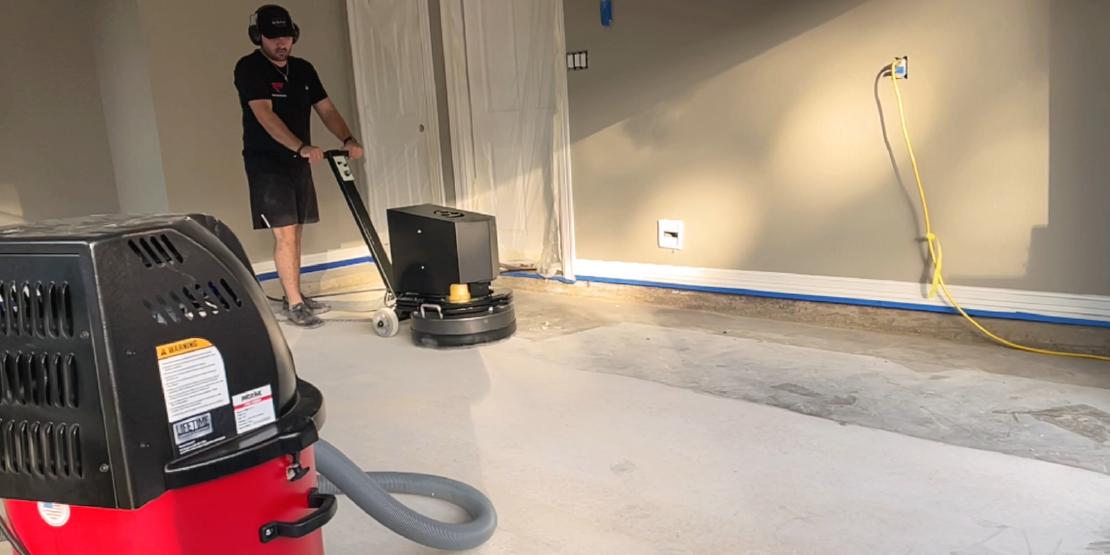
The actual process of repairing major coating damage starts with a thorough cleaning of the damaged area, followed by grinding or shot blasting to ensure a smooth substrate. The next step is to apply a patching compound, which should be compatible with the original floor coating material. An epoxy or polyurethane-based compound is often used for this purpose. This helps in providing a smooth, even surface that ensures a flawless finish after the coating application. A final layer of coating is then applied in accordance with the manufacturer’s instructions, requiring attention to cure times and environmental factors.
Aftercare for Repaired Floor Coatings
Once the floor coating repair process is complete, proper aftercare is paramount for maintaining the integrity and lifespan of the coating. Effective aftercare involves regular cleaning with the appropriate cleaning agents. Mild, non-abrasive cleaners are generally recommended to avoid inflicting extra stress on the repaired area. Sweeping or vacuuming on a regular basis helps to keep detritus from scratching the surface and damaging the coating.
Temperature and humidity control is also essential in the aftercare of repaired floor coatings. Both extremes in temperature and humidity can potentially compromise the coating. Humidity should be kept at a manageable level while drastic temperature changes should be avoided. Employing these practices along with regular maintenance checks will ensure that the floor coating remains in optimum condition for a long duration.
Preventing Future Floor Coating Damage
The importance of preventing future damage to floor coatings cannot be overstated. Appropriate maintenance and care practices play a vital role in preserving the aesthetic and functional qualities of the floor coatings. Firstly, regular cleaning is vital. Use suitable cleaning agents as recommended by the floor coating manufacturer to remove dust, dirt, and spills. Not only will your floors look better, but they will also work better and last longer, protecting your investment.
Prevention should also entail avoiding physical damage where possible, for instance, by utilizing protective measures such as rubber mats or pads under heavy furniture. Additionally, you should control traffic patterns on your floors since excess foot traffic can wear away the coating over time. By practising these preventative measures, you can minimize the potential for expensive and extensive repairs. Do not overlook the issue of humidity and temperature control too, as both can significantly affect the longevity of your floor coatings.
Professional Services for Floor Coating Repair
Availing the services of professionals in floor coating repair is undeniably efficient and reassures high quality results. Their level of expertise and knowledge in dealing with different types of damages, combined with their access to specialized repair tools and products, greatly benefits the overall process. This includes the identification of the extent of damage, the selection of suitable repair method, and the actual repair procedure. Moreover, they can assist in accurately determining the type of coating applied on your floor, which is crucial in choosing the right repair materials.
Apart from addressing the current damages, professional services also offer advice on the best ways to maintain your floor coatings, identifying potential risks and implementing preventive measures. They can guide clients in choosing the most suitable and durable coating product and educate them on the proper cleaning techniques and materials that won’t compromise the quality of the coating. Ultimately, investing in professional floor coating repair services can extend the lifespan of your floor and save you from repetitive repair expenses.
What are floor coatings?
Floor coatings are protective layers applied to floors to enhance their durability, resist damage, and improve aesthetic appeal.
What are the common causes of damage to floor coatings?
Common causes include heavy traffic, impact from dropped objects, chemical spillage, and harsh cleaning methods.
How does damage to floor coatings affect the surface?
Damage can affect the aesthetics, and compromise the functionality of the floor, making it more prone to wear and tear and reducing its lifespan.
What are the types of floor coating damage?
The types of damage range from minor scratches and chips to severe cracks and peeling.
How can I assess the extent of floor coating damage?
To assess the damage, start by visually inspecting the floor. Look for signs of chipping, peeling, discoloration, or cracking. For severe damage, you may need to call in a professional.
What steps should I take to repair floor coating damage?
The first step is to assess the damage and then gather the necessary materials and tools. The process of repair depends on the extent of the damage and could involve simple patching or a complete redo of the coating.
What materials are needed for floor coating repairs?
The materials needed can vary depending on the type of coating and extent of damage, but commonly include patching compound, sandpaper, paintbrushes, and coating material.
How should I prepare before repairing floor coatings?
Preparation involves cleaning the surface thoroughly, removing any loose coating, and ensuring the floor is dry and free of dust and debris.
What is the process of repairing minor and major floor coating damage?
For minor damage, you can simply patch the affected area, sand it smooth, and then reapply the coating. For major damage, you may need to remove the entire coating, repair the underlying surface, and then reapply the coating.
How should I care for repaired floor coatings?
Repaired coatings should be allowed to cure properly before use. Regular cleaning, avoiding harsh chemicals, and minimizing heavy impact can help maintain the repair.
How can I prevent future floor coating damage?
Regular maintenance, using floor-friendly cleaning methods, and addressing minor damages immediately can prevent future damage.
What professional services are available for floor coating repair?
Professional services range from consultation and damage assessment to complete floor coating repair and reapplication. These services can help ensure a durable and quality repair.