
Can I Apply a New Coating Over an Old One?
Understanding the Basics of Coating Application
Coating applications serve a vital role in many industries, predominantly in protecting materials from environmental damage and extending their lifespan. This process revolves around the application of a substance onto a surface to form a hard, continuous layer. The prime purpose is to protect the underlying material from corrosion, abrasion, or environmental conditions, or to offer aesthetic enhancement.
There are several types of coatings, each with its specific characteristics and uses. For instance, paint is a popular coating applied on walls and furniture for aesthetic purposes and protection, while a thin layer of gold can be applied to jewelry to enhance its visual appeal. Similarly, varnish and lacquer are often used on wooden surfaces to emphasize the wood grain and protect against damage. Understanding the correct choice and application method of these coatings is integral to achieving the desired finish and longevity.
The Importance of Surface Preparation
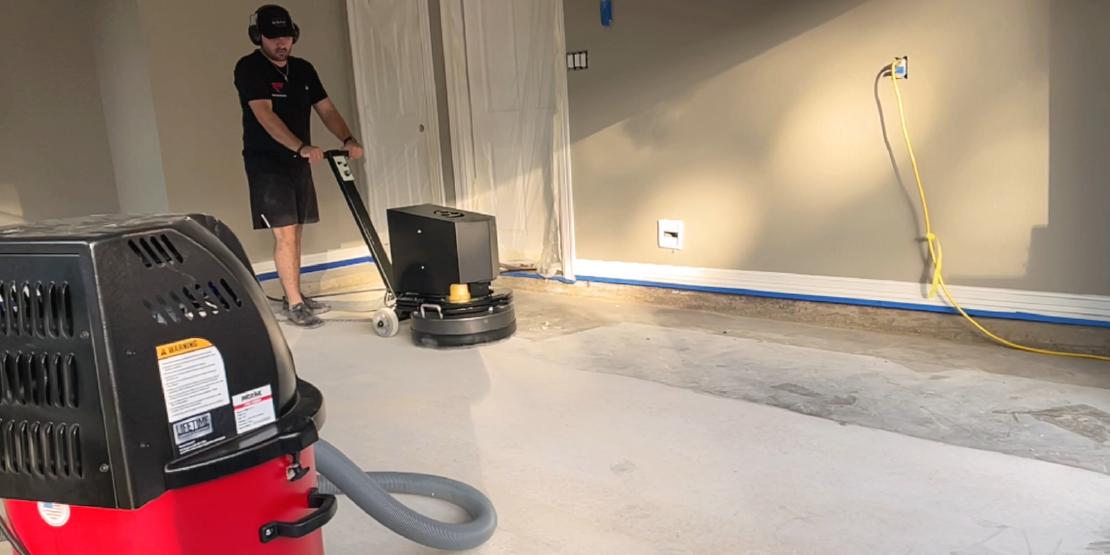
The initial phase in the coating application process is surface preparation. This crucial step is often overlooked, but it significantly impacts the quality and longevity of the applied coatings. Surface preparation aids in achieving a bond between the coating and the substrate, paving the way for better adhesion. Inadequate or improper preparation can lead to poor binding, resulting in the potential for coating failure, peeling, or flaking.
Thorough surface preparation involves the removal of surface contaminants, dirt, and old paint. Chemical cleaning or abrasive blasting are common methods used to achieve a clean surface. After cleaning, the substrate must be dried completely before applying the new coating. Unwanted moisture can compromise the application process and ultimately the coating’s performance. Moreover, surface roughness is crucial as it increases the surface area for the coating to adhere to. Hence, it becomes evident that surface preparation is an indispensable stage in coating application.
Assessing the Condition of the Existing Coating
Before diving into the application of a new layer of coating, it is crucial to evaluate the state of the existing coating. This assessment is not merely a surface-level observation but requires an in-depth examination for any signs of underlying issues. Evidence of problems like peeling, bubbling, cracking, chalkiness, or rust points towards a compromised coating that may hinder the effective application of a new one.
One of the fundamental aspects of this assessment process involves evaluating the adhesion quality of the existing coating. This can be done using several standardized adhesion testing methods, like the pull-off test or the cross-cut test. Other factors to consider include surface contamination, moisture content, and surface profile. Notably, moisture and contamination are among the leading causes of coating failure, emphasizing the necessity of comprehensive assessment.
Common Types of Coatings and Their Uses
One significant type of coating widely used across various industries is epoxy coating. This is lauded for its robust resistance to chemical and physical damage, thus extensively used in industrial and commercial flooring. Epoxy coating has a remarkable ability to withstand various degrees of temperature and is known for offering a glossy finish. On the other hand, it requires careful handling and application due to its tendency to become brittle over time.
Another prevalent kind of coating is polyurethane, which is popular for its unique features including flexibility, resistance to abrasion, and excellent weathering characteristics. This coating is often chosen for outdoor surfaces as it provides resistance against UV rays and has a long life. Meanwhile, acrylic coating deserves mention for its superior aesthetics and cost-effectiveness, although it may not offer the same level of resistance as other types. Consequently, it is most suitable for indoor and decorative applications.
Deciding When to Re-Coat
Knowing the appropriate time to apply a new layer of coating is crucial in maintaining the durability and aesthetic appeal of a substrate. Various factors come into play when making this decision, and a clear understanding of these variables can ensure optimal coating performance. Weather conditions, the physical state of the existing coating, the quality of the surface under the coating and its exposure to wear and tear are all variables that must be evaluated.
The life span of the previous coating is a vital determinant of when a re-coat is necessary. Over time, coatings may lose their protective properties due to aging and environmental stressors. Visible signs of deterioration, such as flaking, cracking, peeling, and fading, often indicate a pressing need for re-coating. A regular inspection schedule can assist in identifying these issues early, thereby extending the lifespan and maintaining the integrity of the substrate. ● The presence of moisture on the surface can also affect the decision to re-coat. If a substrate is constantly exposed to high humidity or water, it may lead to premature failure of the coating due to blistering and delamination. Regularly checking for signs of moisture damage can help determine if a new coat is required.
● Another crucial factor in deciding when to re-coat involves assessing the condition of the existing coating. If there are visible signs such as chalking (a powdery residue on the surface), alligatoring (a cracked pattern resembling an alligator’s skin), or rusting, these are clear indications that a fresh layer needs application.
● The type and quality of substrate underneath also play significant roles in determining when to apply another coat. For instance, wood surfaces typically require more frequent re-coating than metal ones due to their porous nature which causes them absorb more paint.
• Understanding how much wear and tear your coated surface endures daily is vital too. High traffic areas like floors will need regular re-coating compared with walls or ceilings that experience less physical interaction.
• Different types of coatings have different life spans; some might require annual touch-ups while others could last up-to five years before needing attention again. Hence knowing what kind of coating was previously used can be very helpful in making an informed decision about its maintenance schedule.
• Environmental conditions such as exposure to sunlight, rain, wind etc., significantly impact how long a coating lasts before requiring another layer. Areas exposed directly under harsh weather conditions would likely need frequent checks for any signs indicating deterioration.
By considering these factors carefully, one can make informed decisions about when it’s time for a new coat thus ensuring longevity and maintaining aesthetic appeal over time without unnecessary expenditure on premature recoats
Preparation Steps for Applying a New Layer of Coating
The success of any coating project largely depends on the meticulous removal of the existing coating or paint. Prior to gearing up for the new application, inspect all surfaces for loose, flaking, or chipping particles. Use an appropriate removal method, such as sandblasting, chemical strippers, or scraping, ensuring they align with both the type of substrate and the present coating. An analysis of the substrate should then be conducted to identify any signs of damage which could impair adhesion of the new coating, such as corrosion, rot, or mildew.
Next, the surface should be thoroughly cleaned to rid it of dust, grease, or any other contaminants. Commonly used cleaning methods include power washing, solvent cleaning, or steam cleaning, each having its own unique set of benefits. Surface roughness, a key factor in determining the bond strength between the coating and the substrate, can be assessed post-cleaning using profilometers. Lastly, right before the application of the new layer of coating, applying a suitable primer plays a significant role in enhancing the durability of the finished layer and promoting adhesion between the coating and the substrate.
Potential Problems with Applying New Coating Over Old
One of the primary concerns when applying new coating over old is incompatibility. This occurs when the new layer of paint or varnish reacts poorly with the pre-existing coat, leading to issues such as peeling, bubbling, or discoloration. Other problems may arise from improper surface preparation. For example, if the previous coat has visible defects, applying a new coat without proper assessment and remediation can exacerbate these issues, resulting in a less than satisfactory finish.
Another common issue arises from incomplete removal of the old coating. Even after a thorough cleaning, traces of old coating can interfere with the adherence of the new layer, leading to uneven surface finish. The presence of dust, oils, or other contaminants on the surface can also hinder the application process, further compromising the quality of the new coating. It’s recommended to seek professional advice when dealing with complicated coating projects to avoid such potential problems.
Benefits of Layering Coatings
Layering coatings indeed brings numerous advantages to the table. Firstly, it extends the lifespan of the surface onto which the coating is applied. The additional layers serve to protect the underlying surface from external threats such as moisture, dust, ultraviolet rays, chemical spills, or heavy wear, increasing the durability of the material.
Secondly, it can enhance aesthetic appeals. Layering different coatings could result in varying colors, gloss, and textures, adding depth and interest to the finished surface. For instance, a glossy top coat over a metallic base can create an eye-catching, premium look. Layered coatings can also mask minor flaws and irregularities on the underlying surface, ensuring an overall smooth and harmonious appearance.
Step-by-Step Guide to Applying a New Coating Over an Old One
There’s a systematic approach to applying a new layer of coating over an existing one. Starting with the crucial stage of surface preparation, this initial step demands thoroughness in cleaning and possibly sanding to ensure a smooth and ready base for the new layer. Old, loose coating or residue must be diligently removed to avoid peeling, blistering or cracking of the individually applied layers. After this preparation stage, proper drying is a necessity to facilitate good adhesion of the new coating.
Once the surface is impeccably prepared, the new coating application is the next stride. This phase, often split into numerous sub-stages, typically encompasses primer application, allowing adequate drying, followed by a series of light applications of the chosen coating, permitting the necessary dry time in between sessions. Care must be taken to ensure even distribution of the coating across the surface, avoiding overly thick or thin spots. Finally, the application concludes with a comprehensive inspection to detect and rectify any missed coverage or application issues.
Maintaining and Inspecting Your Coatings
Effective maintenance of coatings allows them to serve their purpose, protecting the underlying material, retaining aesthetic appeal and extending the life of the material. Regular inspections are essential to detect any flaws or issues at an early stage, including checking for discoloration, blistering, peeling, rusting, or the development of mold. Scheduled maintenance checks should be part of a comprehensive maintenance plan. Detailing what to look for and how to address the identified issues will help to ensure the coating stays in top condition and performs its protective role.
When it comes to inspecting the coating, a methodical approach is crucial. Conducting a thorough inspection under good lighting can illuminate any visible defects or degradation in the coating. While conducting these checks, particular attention should be paid to areas susceptible to wear and tear or exposed to harsh environmental conditions. By adopting these recommended practices for maintaining and inspecting your coatings, the performance and durability of your coatings can be maximized.
Best Practices for Applying Multiple Coatings
Ensuring the effective application of multiple coatings requires stringent attention to surface preparation. Surface preparation is arguably the most critical process in coating application as it can significantly influence adhesion, performance, and longevity. Start with removing any contaminants like dust, dirt, or rust, and follow with proper surface profiling to improve adhesion. Professionals recommend using abrasive blasting or power tool cleaning for optimal results as these methods meticulously clean and provide a suitable profile for the new coating.
Another aspect to consider is the coating selection. It’s important to understand that not all coatings are compatible with each other. The nature of the underlying coating can affect how well the additional layer adheres to the surface. Thus, selecting the right type of coating material is crucial. A common practice among professionals is the use of intermediate or ’tie’ coats, especially when dealing with different types of coatings. These intermediate coats not only help in compatibility issues but also act as a critical barrier layer, providing added protection and durability.
Professional Tips for Applying New Coating Over Old
Before diving into applying a new coating over the old, it’s imperative to assess the state of the existing layer. Properly ‘^‘assessing the condition of the existing coating’^’ can provide valuable insights about whether it’s suited to receive a new layer. A heavily aged coating with signs of extensive cracking, peeling, or blistering might need complete removal rather than a new layer. Always ensure to ‘&’^clean the surface’^’ thoroughly, to provide a sound and debris-free surface for the new coating to adhere to.
Choosing the right coating plays an equally pivotal role. The ‘^‘type of coating’^’ should be compatible with the existing layer, as some coatings may react unfavorably when applied over certain types of existing coatings. Hence, understanding the ‘^‘common types of coatings and their uses’^’ can guide in making a suitable selection. Even within the same type of coating, different brands can have distinct characteristics, making brand compatibility an aspect worth considering. Testing a small area before complete application can help in proving or disproving such compatibility.
Common Mistakes to Avoid When Applying New Coating Over Old
One of the most prevalent errors in applying a new coating over an old one is neglecting surface preparation. Proper preparation can significantly impact the adhesion level, durability, and overall appearance of the new coating. Yet, many disregard this essential task, leading to an uneven finish, peeling, or blistering of the new layer. The key is to clean the surface thoroughly, removing any grease, dirt or loose existing coating, ensuring utmost receptiveness to the new coating.
Another issue is choosing the improper coating for the task. Each variety possesses its unique qualities, intended for specific surfaces, conditions, or desired finishes. Without careful consideration, a user may select an incompatible layer, leading to an unsatisfactory result or a coating that quickly deteriorates. To avoid this, knowledge about different types of coatings and their uses is a significant advantage in enhancing the aesthetic appeal and lifespan of the coated material.
What are the basics of coating application that I should understand?
Applying a coating requires knowledge about the surface type, the coating type, and the correct application method. This is to ensure that the coating adheres properly and lasts longer.
Why is surface preparation important before applying a new coating?
Surface preparation helps in removing any dirt, dust, or old coating that could interfere with the adherence of the new coating. It also helps in revealing any surface defects that need to be addressed before the coating is applied.
How do I assess the condition of the existing coating?
You can assess the condition of the existing coating by checking for any signs of peeling, blistering, or cracking. If these signs are present, it means that the existing coating is failing and needs to be removed before applying a new one.
What are some common types of coatings and their uses?
Common types of coatings include epoxy, acrylic, and polyurethane. These are used for various purposes like protecting surfaces from corrosion, enhancing aesthetic appeal, and providing resistance to wear and tear.
When should I decide to re-coat?
You should decide to re-coat when the existing coating is showing signs of wear and tear, or when you want to change the appearance of the surface.
What are some potential problems with applying a new coating over old?
Applying a new coating over an old one can lead to problems like poor adhesion, bubbling, flaking, and uneven color. This is usually because the new coating is unable to bond properly with the old one.
What are the benefits of layering coatings?
Layering coatings can enhance the durability and longevity of the surface. It can also provide added protection against elements like UV rays, moisture, and chemical exposure.
What is the best practice for applying multiple coatings?
The best practice for applying multiple coatings is to ensure that each layer is fully dry before applying the next one. It’s also important to use compatible coatings to ensure proper bonding.
Do you have any professional tips for applying a new coating over an old one?
Professional tips include preparing the surface properly, using the right type of coating, applying it in the right manner, and allowing sufficient drying time between layers.
What are some common mistakes to avoid when applying a new coating over old?
Common mistakes include not preparing the surface properly, applying the new coating before the old one is fully dry, using incompatible coatings, and applying the coating in unfavorable weather conditions.