
Can I DIY Floor Coating, or Should I Hire a Professional?
Understanding the Basics of Floor Coating
Floor coating is a critical process that enhances the functionality and aesthetic appeal of floors. At its most basic, floor coating entails applying a layer of protective material over a floor to give it longevity, durability, and resistance to wear and tear. The coating serves as a barrier against damage such as scratches, abrasions, and chemical spills, while simultaneously providing a sleek and polished finish. Different types of coatings can be used, depending on the nature of the floor material and the specific requirements of the use case.
Materials commonly used in floor coatings include epoxy, polyurethane, and polyaspartic coatings, each with its unique properties and benefits. Epoxy, for instance, is known for its high adhesion and resistance to chemicals, making it ideal for industrial settings or garages. In contrast, polyurethane coatings boast exceptional UV resistance and flexibility, hence their frequent usage in outdoor spaces. Understanding the fundamentals of floor coatings is an essential step on the journey of either DIY floor coating or hiring professionals, allowing individuals to make an informed choice that best aligns with their needs and budgets.
Essential Tools and Materials for DIY Floor Coating
Before embarking on any do-it-yourself project, having the right tools and materials on hand is crucial. This is particularly the case when dealing with DIY floor coating. The array of necessary items can be broad, but knowing precisely what you need in advance will help ensure a smoother, more efficient project.
A large, rigid and long-handled roller is an essential tool in this regard, with an extension pole attached can cover wide areas, reduce bending and reach areas that are difficult to access. Quality paintbrushes are also essential, especially for edges and corners where precision is key. You will also need mixing and measuring tools, as accurate proportions are fundamental to the success of the mixture. As for materials, a reliable floor coating product of choice - whether epoxy, polyurethane or acrylic - will form the most crucial part of your toolbox. Don’t forget to be equipped with protective gear, including gloves, safety goggles, and coveralls. Remember that preparation and cleaning materials, such as sandpaper and detergent, are also vital to ensure the floor is ready for coating.
Detailed Step-by-Step Guide to Floor Coating
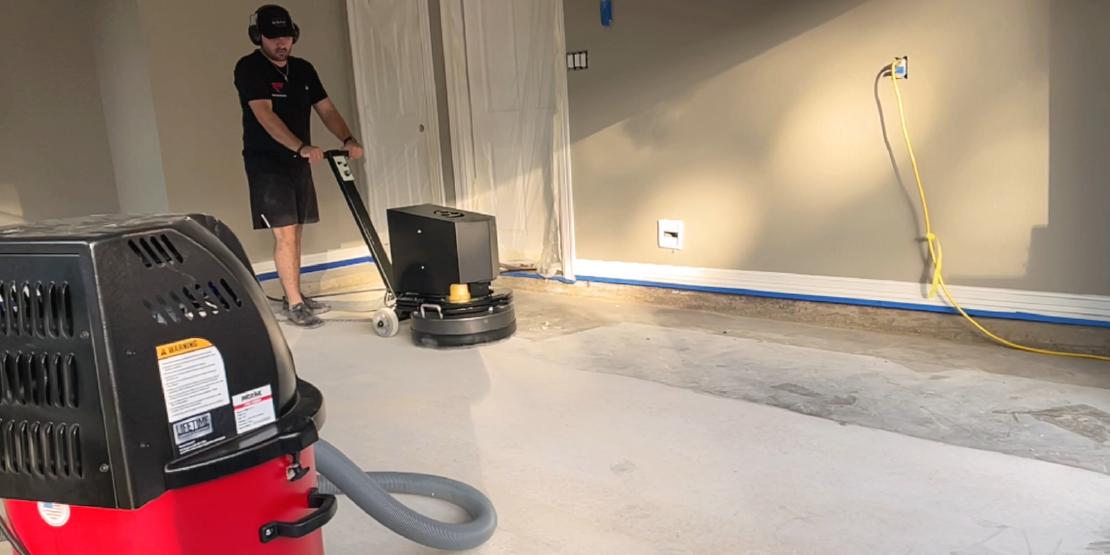
The first critical phase in DIY floor coating involves the preparation of the floor. This involves clearing any furniture, sweeping, and thoroughly cleaning the area to remove any dust, dirt, or grease. A degreaser could be particularly helpful in this step as it tackles stubborn grime that can prevent adhesion. Roughen the surface using a hand grinder or shot blaster for secure bonding—the cleaner and rougher the floor, the better the coating application will be.
Coating application is the next major step. Begin at the furthest corner of the room and work your way out to the entrance to avoid stepping on the fresh coat. Pour a manageable amount of the coating material onto the floor. Use a roller affixed to a pole to spread and smooth the coating, ensuring even coverage. Pay attention to the spreading rate specified by the product manufacturer. Finish off by using a brush to reach corners and edges. After application, allow the surface to dry according to the drying time recommended in the product instructions. The third step involves applying a second coat of the floor coating. This will ensure that your floor is fully protected and has an even, glossy finish. Before you start this process, make sure the first layer has dried thoroughly as per the manufacturer’s instructions. Repeat the same application method used in step two but apply it crosswise to create a crisscross pattern for better coverage.
• Clear any furniture from the room. • Sweep and clean the area thoroughly to remove dust, dirt or grease. • Use a degreaser if necessary to tackle stubborn grime preventing adhesion. • Roughen up the surface using either a hand grinder or shot blaster for secure bonding.
For coating application:
• Start at furthest corner of room and work your way out towards entrance. • Pour manageable amount of coating material onto floor. • Utilize roller affixed to pole for spreading and smoothing out coating evenly across surface. • Adhere strictly to product manufacturer’s specified spreading rate • Finish off with brushwork on corners and edges where roller couldn’t reach.
For second coat application:
• Make sure first layer is completely dry according to manufacturer’s instructions before starting second coat application • Apply second coat crosswise over initial layer for optimal coverage
Finally, after all coats have been applied, allow sufficient time for curing based on product guidelines. Avoid foot traffic during this period so as not disturb or damage newly coated flooring. Once cured properly, replace furniture carefully without dragging them along floor which could scratch new finish.
Curing steps include:
• Allow enough time based on product guidelines before walking on newly coated floors • Keep away from foot traffic during curing period • Replace furniture carefully without scratching new finish
Common Challenges in DIY Floor Coating
Undertaking a DIY floor coating project is an excellent opportunity to save costs and exercise one’s craftsmanship. However, as with most home improvement projects, DIY floor coating also presents a unique set of challenges. From achieving a smooth, even surface and proper curing to managing the work’s inherent messiness, these challenges can test frustration tolerance levels and stretch the project’s timeline considerably.
Selecting the right kind of coating can be a formidable task for beginners. With a variety of products including epoxy, polyurethane, and acrylic, each with its individual strengths, pitfalls, and application techniques, making an informed choice can be quite daunting. Additionally, the meticulous preparation work, which includes thorough cleaning and complete removal of contaminants like oil, grease, and dust, is also a significant impediment faced by many DIY enthusiasts. Inadequate preparation can lead to a less than satisfactory final finish, making all the effort not quite worth it.
Safety Precautions to Consider in DIY Floor Coating
Safety precautions are integral when attempting do-it-yourself (DIY) floor coating. It’s essential to understand and implement protective measures to mitigate risks associated with this strenuous project. Significant safety measures include wearing the proper personal protective equipment (PPE) consisting of gloves, safety goggles, and a respirator. The respirator, in particular, safeguards your respiratory system against harmful and toxic fumes released during the floor coating process. It is also wise to ensure sufficient ventilation in the work area. Such precautions maintain a safer work environment and uphold your health whilst undertaking your project.
For a flawless and secured DIY task, it is advisable to not only focus on the skills but also understand the potential hazards that can occur if precautions are not taken into account. The tools and materials used can pose a potential threat if not used or stored correctly. Sharp tools need to be carefully handled and stored away from the reach of children. The floor coating substances, being often highly flammable, should be stored away from any heat source. It’s equally crucial to turn off all power sources in the working area to avoid any chance of electric shock. Taking safety precautions seriously can save you from added stress, injury, and potential disasters.
The Importance of Proper Preparation for Floor Coating
Proper preparation in any project is the cornerstone of its successful completion, and floor coating is no exception. Time spent on preparing your floor will likely result in a smoother application process and ultimately, a higher quality result. Correctly assessed and prepared surfaces can significantly reduce the likelihood of issues such as coating failure, adhesion problems, and uneven results. Foundation issues, minor imperfections, and existing coatings must be thoroughly addressed, ensuring a clean, sound substrate upon which to apply the new coating.
In addition, understanding the type of floor and its condition plays a critical role in preparing for floor coating. Concrete floors, for instance, have unique characteristics that may require special preparation techniques compared to wooden surfaces. Each type of floor has peculiar requirements including optimal humidity levels and temperature range for the coating to adhere efficiently. Hence, investing in proper preparation not only safeguards the projected outcome, but also extends the longevity of the coating, enhancing its durability and aesthetics.
Comparing Different Types of Floor Coatings
For a variety of floor surfaces, the range of floor coatings available is vast. Consideration of the type of floor to be coated, as well as the primary purpose of the area, governs the choice of floor coating. Epoxy, polyurethane, acrylic, and latex are among the common types of floor coatings. Each embodies unique qualities, making them suitable for different environments. Epoxy creates a glossy and sleek finish, providing a high level of durability and chemical resistance, frequently chosen for garages and industrial areas. On the other hand, polyurethane, which is UV resistant and possesses excellent glossy features, is a common option for outdoor spaces.
Acrylic and latex coatings, however, are primarily used for indoor use, owing to their long-lasting color, ease of application, and water-resistance. Latex, specifically, is favored for its minimal odor during application and quick drying properties. On a note of cost, latex and acrylic are more affordable than epoxy and polyurethane. Essentially, each type of floor coating offers unique advantages and disadvantages pertaining to aesthetics, durability, cost, and ease of application. It’s crucial to examine these variables, align them with personal needs and preferences, to settle on the most appropriate floor coating.
How Long Does DIY Floor Coating Take?
The time taken for a DIY floor coating project differs among various people, resting on factors such as experience level, the type and size of the flooring area, and the specific coating process being used. As an average estimate, a basic DIY floor coating project for a mid-size garage (around 500 square feet) generally takes about a weekend’s time - this includes preparation, application, and drying time. In some cases, more complex floor coating techniques can necessitate additional days to accomplish depending on the number of layers to be applied or the necessity for complex patterns or finishes.
That said, it is integral to understand that floor coating is not a process that should be rushed. Quality results often demand patience. An initial stage of preparation is needed, often the lengthiest part of the process, which includes cleaning the surface thoroughly, removing any old paint or residue, and fixing cracks or damages. Following the prep, applying the coating typically takes less time, but various coats are often needed, each requiring drying time in between. The drying period is another major factor in the total time, which can vary based on the type of coating, temperature, and humidity conditions.
Evaluating Your Skills: Are You Ready for DIY Floor Coating?
Deciding to embark on a DIY floor coating project requires a certain level of skill and comfort with handling tools and materials. It’s not merely about having the determination to get hands dirty, indeed, self-assessment is the primary step. It involves being realistic with your current skill set and knowledge about the task. For this task, it is crucial to understand the types of floors, their composition, the right type of coating to be chosen, and the correct method of application.
Several tutorials and online help guides will make the process appear simple; however, the ground reality can vary. Individuals must have the ability to use a variety of tools effectively and safely. Moreover, they should have a tolerance for detailed, meticulous work, since floor coating also involves a decent amount of prepping, cleaning, and drying stages, which require patience and precision. Each step profoundly impacts the end result. If these tasks seem too daunting or time-consuming, it might be prudent to consider professional help for your floor coating requirements.
The Role of Professionals in Floor Coating
In the realm of floor coating, professionals bring to the table years of experience, advanced skills, and an in-depth understanding of the process. These experts are trained to handle numerous floor types and coating materials, enabling them to deliver a flawless and durable finish. Their proficiency allows them to sidestep common mistakes often encountered during DIY projects, ensuring that the finished product not only looks professional but stands up to wear and tear.
One of the main advantages professionals offer is their ability to efficiently handle unforeseen challenges that may arise during the coating process. Their familiarity with the signs of potential issues allows them to intervene at the right time, preventing damage and saving costs in the long run. Furthermore, in cases where specialised tools are required, professionals often come equipped, eliminating the need for homeowners to invest in expensive equipment. Therefore, hiring professionals for floor coating can be cost-effective and save on time and frustration.
Assessing the Cost: DIY vs Hiring a Professional
As we step into exploring the economic aspects, it’s interesting to note that the primary attraction towards the DIY approach is often the perceived cost-effectiveness. This belief holds true up to a certain extent, as sourcing your own materials and forgoing labor costs could indeed drive the total expenses down. Material costs for DIY floor coating significantly depend on several factors, including the type of floor, the quality of materials selected, the total area to be covered, and the region where you live. Depending on the complexity of the task, potential rental of specialized equipment might be necessary as well.
On the flip side, hiring a professional service seems to be a pricier route on the surface but it comes with its own set of economic benefits. This involves the assurance of a meticulously done job, thus reducing the chances of future costs caused by premature wear and tear, errors, or coating failures. Further, professional services often have partnerships with suppliers, resulting in lower costs for materials. It’s always important to remember the adage, “You get what you pay for.” In essence, while initial outlay might be greater when hiring professionals, long-term costs and potential issues could be minimized.
Instances When Hiring a Professional is Beneficial
Despite the attractiveness of a DIY approach to floor coating, there are specific instances where it’s more prudent to enlist the help of professionals. These situations usually arise when the task exceeds the capacity of your skillset or when tackling it could have significant repercussions if not done correctly. Such situations include properties with extensive floor damage, intricate design patterns, or specific technical requirements for special surfaces, where a single mishap can lead to costly damages and setbacks.
Furthermore, time constraints and project deadlines also call for professional involvement. If you’re working within a rigid schedule that doesn’t allow for the learning curve typically associated with DIY projects, hiring professionals is the way to go. Not only do they bring experience to the table, but they also have the tools and manpower to expedite the process. Ultimately, the benefit of professionals lies in their ability to marry speed with quality, ensuring a seamless and efficient floor coating operation.
Making the Final Decision: DIY or Professional Help
Assessing the need for Do-It-Yourself (DIY) or professional help for floor coating requires careful consideration of several aspects. First, one’s capacity for the task; are you well-versed with the procedure and confident in your ability to perform the task to completion? Can you accurately estimate the amount of time it will take and do you have this time at your disposal? What about cost implications; are the potential savings worth the time and effort required?
Secondly, factor in the complexity and scale of the project. Small rooms or spaces are generally manageable for significant DIY enthusiasts. However, large areas or commercial spaces may present challenges that necessitate professional help. Also, quality expectations should be kept in mind; professionals offer guaranteed workmanship while DIY outcomes depend solely on personal effort and skill. Therefore, situation analysis is crucial before choosing between DIY and hiring a professional.
What are the basics of floor coating I need to understand?
The basics of floor coating involve understanding the purpose of floor coating, which is to protect and enhance the floor’s longevity. In addition, you need to know the different types of floor coatings available and their specific applications.
What tools and materials are needed for a DIY floor coating?
Essential tools and materials for DIY floor coating may include roller brushes, paint brushes, a paint tray, protective gear, a high-quality floor coating, and a primer. Some coating types might require additional materials.
Can you share a step-by-step guide to floor coating?
This article includes a detailed, step-by-step guide to floor coating. This guide will take you through the process from the preparation stage to the actual application of the floor coating.
What are some common challenges in DIY floor coating?
Some common challenges include ensuring an even application, managing the curing time, and dealing with environmental factors like temperature and humidity that can affect the coating process.
Are there any safety precautions to consider in DIY floor coating?
Yes, safety precautions are essential, these may include using protective gear such as gloves and safety glasses, ensuring good ventilation in the work area, and properly storing and disposing of coating materials.
Why is proper preparation important for floor coating?
Proper preparation ensures that the floor surface is clean, smooth, and ready for the coating application. This can significantly impact the final result and durability of the floor coating.
How long does a DIY floor coating project typically take?
The duration of a DIY floor coating project can vary depending on the size of the floor area and the type of coating being used. However, it typically might take a few days including preparation, application, and curing time.
What skills should I evaluate before deciding on DIY floor coating?
You should evaluate your ability to properly prepare the floor, your understanding of the application process, and your patience and attention to detail. You should also assess your ability to follow safety precautions.
What role do professionals play in floor coating?
Professionals can provide expert advice, ensure proper application, and save time and effort. They are trained to handle different types of coatings and are familiar with the challenges and safety precautions involved.
How does the cost of DIY floor coating compare to hiring a professional?
The cost of DIY floor coating can be considerably lower as it eliminates labor costs. However, it requires a significant time investment. Hiring a professional may be more expensive, but it can ensure a quality result with less effort on your part.
When is it beneficial to hire a professional for floor coating?
Hiring a professional is beneficial when you lack the time, skills, or resources to undertake a DIY floor coating project. It’s also advisable if the project is large or complex, or if you want a guarantee for a quality finish.
How do I make the final decision between DIY and professional help for floor coating?
Making the final decision involves evaluating your skills, the project’s requirements, your budget, and your timeline. Based on these factors, you can choose whichever option is most suitable for you.