
Case Studies: Before and After Garage Floor Transformations
Understanding Garage Floor Issues
Unaddressed problems in your garage flooring can lead to multiple complications over time. It begins with visible cracks, dents, or discoloration that reveal the surface’s ageing process. These signs of wear and tear are not just unsightly, they can indirectly damage your vehicles as well. Over time, sections of the floor may chip off, creating potential hazards such as tripping, punctures, or dents to equipment. Additionally, the misshapen surface can collect rainwater or snowmelt, leading to damp conditions perfect for mildew and mold growth, a significant health risk.
On a more subtle level, an aged garage floor becomes porous, soaking up automotive fluids like oil and brake fluids which are not only hard to clean but are also potential fire hazards. Spilled knockdown texture fiber could settle in these pores, making the floor look permanently dirty. Even if the floor looks clean to the naked eye, inadequate sealing can still lead to substantial, unnecessary tire wear. Therefore, it’s crucial to understand and address these potential garage floor issues before they become complex problems. Here’s a rundown of the common garage floor issues:
• Visible Cracks and Dents: This is usually the first sign of an ageing garage floor. These can cause damage to your vehicles, create tripping hazards, or lead to equipment punctures.
• Discoloration: Over time, the surface of your garage floor may discolor due to wear and tear. This not only makes your garage look worn out but could also indicate underlying problems like moisture seepage.
• Chipping Off Sections: If sections of the floor start chipping off, it can create potential hazards such as tripping or damaging your equipment.
• Rainwater/Snowmelt Collection: A misshapen surface can collect water from rain or melting snow. The damp conditions are perfect for mildew and mold growth – a significant health risk.
On a more subtle level, other issues include:
• Porous Surface: An aged garage floor becomes porous over time. It soaks up automotive fluids like oil and brake fluids which are hard to clean up and pose potential fire hazards.
• Spilled Knockdown Texture Fiber Accumulation: When knocked down texture fiber settles in these pores, it makes the floor look permanently dirty even if it appears clean on the surface.
• Inadequate Sealing Leading To Tire Wear: Even if there’s no visible dirt or debris on your flooring, inadequate sealing can still lead to substantial tire wear over time.
Understanding these issues will help you address them before they escalate into complex problems that require costly repairs. Regular inspection and maintenance of your garage flooring is key for its longevity.
The Importance of Garage Floor Renovations
Garage floor renovations are often overlooked, but they hold significant importance for a variety of reasons. Foremost, a deteriorated or damaged garage floor can greatly impact the overall functionality and safety of the garage. Cracks and pitting on the concrete surface could potentially damage car tires or become trip hazards. Stains from oil, grease, and other automotive fluids not only degrade the physical appearance of the floor but can also seep into the concrete and weaken its structural integrity.
Moreover, an unattractive garage floor could decrease the curb appeal and subsequently, the value of a property. Renovating the garage floor can boost a property’s aesthetic appeal, especially for potential buyers who value a clean, well-maintained garage. Regular renovations ensure that the garage floor remains in top-notch condition and extends its lifespan. Therefore, it aids in avoiding the hefty costs of comprehensive garage floor replacement in the long run.
Assessing the Current State of Your Garage Floor
Before deciding to renovate any area, it is essential to determine its current condition and consider what you hope to achieve by transforming it. The assessment is particularly relevant in the context of a garage floor where existing issues such as cracks, oil stains, chips, and wear and tear can complicate the job. Garage floor assessment also involves evaluating the existing flooring material and structure, potentially identifying hidden damage, the source of recurring problems, or underlying issues that need addressing.
Additionally, it is important to establish the functional requirements of your garage floor. Remember, not all garages serve only to store vehicles; some also function as workshops, gyms, or additional living space. This requires an understanding of the daily stresses placed on the garage floor. Whether the garage houses heavy machinery, deals with high foot traffic, vehicle parking, or exposure to chemicals, your garage floor assessment should consider these factors. This evaluation will help homeowners make informed renovation decisions, ensuring the durability of the newly transformed garage floor.
Planning Your Garage Floor Transformation
Before jumping into a garage floor transformation project, it’s essential to have a concrete plan. The first step requires comprehending the scope of transformation, which depends heavily on the existing condition of the floor. Assessing the prevailing issues like cracks, uneven surfaces, staining, or water leakage will differ from garage to garage. Such factors play a significant role in determining whether your floor needs a complete overhaul or a minor retouching, which consequently affects the plan’s complexity and budget.
The next crucial step in planning involves choosing the right materials to fix the identified issues and adequately blend with the rest of the property’s aesthetic. Epoxy flooring, polyaspartic coatings, or concrete resurface are some popular choices owing to their durability, cost-effectiveness, and easy maintenance. Additionally, design elements need to be considered - whether to stick to traditional grey or explore other color options, adding decorative flake systems or not, etc. Coupled with a good understanding of the project timeline, any surprises during the transformation process can be minimized.
Choosing the Right Materials for Your Garage Floor
Determining the ideal material for your garage floor predominantly depends on the intended use and the current condition of the floor. Homeowners prioritize different aspects; some focusing on durability, others on aesthetics or affordability, and some requiring a mix of these factors. The four main types of garage flooring materials include epoxy, polyaspartic, interlocking tiles, and concrete seals. All these materials come with their own set of advantages, and understanding these can inform you in making the right choice.
Epoxy is a popular option, known for its durability and aesthetic appeal. While it requires careful preparation for a successful installation, its resistance against oil spills and hot tire pick-up makes it a preferred choice. On the other hand, polyaspartic flooring offers quick installation and high durability, albeit at a higher cost. Interlocking tiles provide a simple, DIY-friendly solution that is easy to replace in case of damage. Lastly, concrete seals offer a budget-friendly option that offers basic protection for your garage floor. Thoroughly assessing your garage needs can result in a stunning, long-lasting garage floor renovation.
Professional Consultation for Garage Floor Overhauling
Consultations with professionals can provide indispensable insights when planning your garage floor overhaul. Their expertise can pinpoint issues you may miss and suggest solutions tailored to your specific circumstances. They have a firm understanding of materials best suited for different weather conditions and levels of usage. Professional consultations play a key role in ensuring your garage floor transformation is both practical and aesthetically pleasing - giving you a thorough understanding of the project scope.
Additionally, professionals can highlight any potential problem areas due to plumbing or wiring. They can ascertain whether the current state of your garage floor can withstand the weight of your vehicles and tools. They can also offer advice on the design aspect - helping you choose patterns and colours that embellish and uplift your garage’s overall ambience. Engaging with a professional consultation evidently ensures your garage floor overhauling achieves the perfect blend of durability, functionality, and style.
DIY vs Professional Garage Floor Transformations
When it comes to a Garage Floor Transformation, the decision between doing it yourself (DIY) and hiring professionals can be tricky. Both methods have their merits and choosing one largely depends on the budget, skills, and the project’s complexity. The allure of DIY rests on the potential cost savings, providing you have the requisite skills and tools required for the task. Moreover, DIY projects offer a certain level of flexibility and can be adapted or altered mid-process without significant inconvenience.
On the other hand, Professional Garage Floor Transformations bypass the requirement of personal skills and tools, and alleviate the burden of manual labor. Professionals often come with industry expertise and knowledge about the latest technologies and trends. This ensures that every detail is attended meticulously and result in a flawless finish. Although this option might be more expensive, guaranteeing your garage floor’s durability and appearance is an investment worth examining.
Cost Implications of Garage Floor Renovations
When planning a garage floor renovation, it’s important to factor in costs from various aspects. Unquestionably, materials form a substantial part of the budget - the kind and quality of flooring chosen has a significant effect on the overall price. Factors such as durability, the area of application, and desired aesthetics need to be contemplated when selecting the floor. Preparatory procedures such as floor leveling and concrete repair can add additional costs.
Moreover, labor costs can’t be overlooked, especially if the renovation involves professional contractors. The complexity of the job, duration and the area of operation substantially influence labor expenses. Consultation fees, periodic maintenance costs, and potential costs associated with unforeseen issues such as foundational damage or plumbing challenges are other factors to consider. Factoring in these costs ensures a realistic budget and aids in avoiding potential financial stress during the project.
Step-by-Step Guide to Garage Floor Overhauling
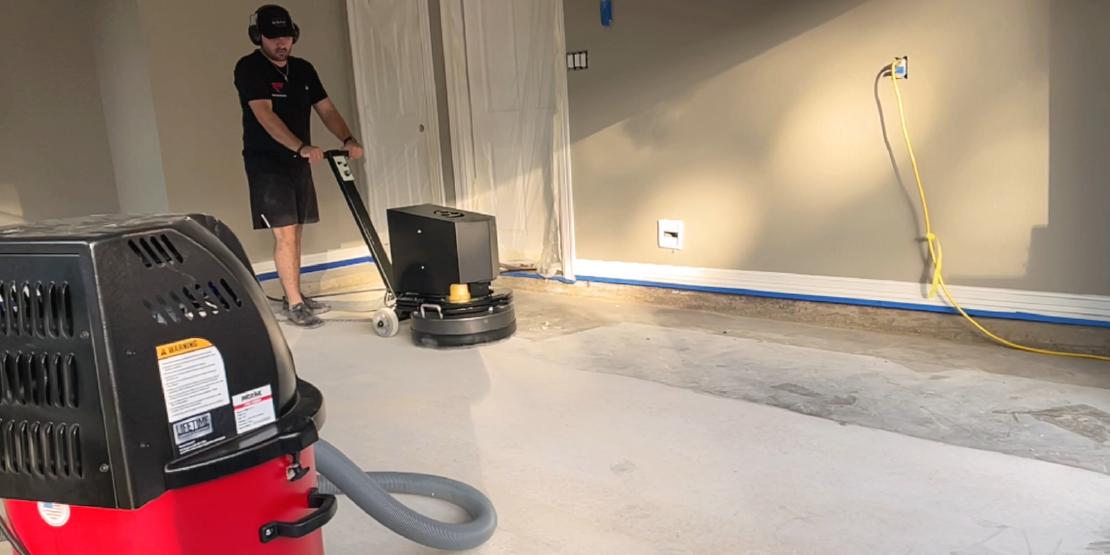
The first crucial step in the transformation of your garage floor is diagnosing any pre-existing issues. Previous damage can come in various forms such as cracks, oil stains, and worn spots. Once identified, preparations should include the cleaning of the garage floor. This would include sweeping off loose debris, removing grease or oil stains, and filling in any holes or cracks. In case the floor is very uneven, you might need to consider grinding it down or using a self-leveling concrete mix.
Next, consider the type of floor treatment to apply. You may opt for concrete stains for a simple, cost-effective upgrade, or epoxy coatings for a more durable and polished finish. If choosing an epoxy finish, remember to mix the two components thoroughly before use to ensure proper hardening. Depending on the chosen material, the application process may vary. Generally, however, this involves spreading the material evenly over the surface, allowing it to dry, and subsequently adding any finishing touches such as decorative flakes or a final top coat. Following the manufacturer’s instructions at this stage is crucial, as it directly influences the quality and longevity of the renovation.
Actual Examples of Garage Floor Transformations
In the suburban outskirts of Chicago, the Smith family embarked on a transformation process for their garage floor. An unrefined and worn-out space, it was seriously in need of an upgrade. They hired a professional renovation team and chose an epoxy material, which is renowned for its high resistance to abrasions, stains, and water. The transformation, once completed, totally transformed their garage. The floor was aesthetically pleasing and also more functional, allowing easy maintenance and durability.
In contrast, the Andersons from Toronto decided to experience a garage floor renovation as a DIY project. They had a more hands-on approach and researched extensively about the processes and best materials. Their pick was polyurea, a substance that is comparable to epoxy but dries faster and can be applied in a greater variety of temperatures. After meticulous work, their garage featured a glossy, smooth floor that was an absolute testament to their hard work and dedication.
Details of a Successful Garage Floor Transformation
First and foremost, a successful garage floor transformation begins with careful assessment and planning. The current state of the floor, including any cracks, chips, or stains, is taken into consideration. This stage is vital for determining the extent of necessary repairs as well as the potential cost of the project. With these details taken into account, homeowners can begin to explore different renovation options that align with their budget. In addition to the budget considerations, the desired aesthetic and functional features of the new floor are also essential components of the planning phase.
The choice of materials also plays a significant role in the success of a garage floor transformation. From concrete and epoxy coatings to rubber tiles and rolled garage flooring, the possibilities are extensive. However, the best option depends heavily on the specific needs and preferences of the homeowner. Another key detail of a successful garage floor renovation involves the actual installation process. Whether the transformation is a DIY project or conducted by professionals, special attention must be paid to the procedure’s detailed steps to ensure a high-quality result. Volunteers or professionals must adhere strictly to the manufacturer’s instructions regarding correct installation and curing times. This meticulous installation is crucial for both the floor’s longevity and the final visual appeal.
Challenges and Solutions in Garage Floor Renovations
Undertaking garage floor renovations can come with a set of unique challenges. Often, faulty installations from previous renovations or natural wear and tear lead to cracks in the concrete. Water infiltration could lead to more severe damage if not addressed promptly. Another common issue lies in dealing with uneven surfaces which can be a result of natural settlings over the years. The presence of oil and grease stains can also compromise the integrity of the renovation work, making it difficult for new materials to adhere properly.
However, all these challenges can be effectively addressed with the right solutions. Small cracks and divots can be filled with a concrete repair mix, and water infiltration issues can be sorted out through proper sealing techniques. An epoxy coating can be used to level an uneven surface. Oil and grease stains can be removed using specially designed cleaners for hardened and stubborn stains. Moreover, emerging technologies are paving the way for better garage flooring materials which are not just more robust and durable but also offer solutions to many of these common renovation challenges.
Maintaining Your Newly Transformed Garage Floor
Upon completing a successful transformation of your garage floor, it’s crucial to adhere to a steady maintenance schedule. This not only keeps the floor aesthetically pleasing but also extends the durability of the chosen flooring material. Regular cleaning is paramount to avoid accumulation of dirt and debris that might scratch or wear out the floor finish over time. The use of a light broom or a special garage floor mop can provide the needed delicacy to clean without causing damage.
Sealer application is another crucial aspect of maintaining a newly transformed garage floor. This applies especially to concrete floors which are prone to moisture and stain absorption. A quality sealer acts as a protective barrier and helps the floor resist these detrimental factors. It also enhances the floor’s shine, making it look brand new for an extended period. In addition, it is advisable to perform reparative tasks - such as filling of small cracks and chips, when they are still in the early stages to prevent further escalation.
What are the common issues with garage floors?
Garage floors can suffer from various problems such as cracks, stains, dampness, and degradation due to heavy vehicles, oil leaks, or harsh weather conditions.
Why is renovating a garage floor important?
Renovating your garage floor can increase the longevity of your garage, improve its aesthetics, and prevent further damage due to usage and weather conditions.
How can I assess the current state of my garage floor?
The state of your garage floor can be assessed by examining it for cracks, checking for dampness, and identifying any visible signs of wear and tear.
What should I consider when planning my garage floor transformation?
When planning a garage floor transformation, consider your budget, design preferences, the type of use the garage will see, and the kind of materials you want to use.
How do I choose the right materials for my garage floor?
The right material for your garage floor depends on your budget, the garage’s intended use, and the climate in your area. Options can range from concrete, epoxy, tiles, or even rubber mats.
Should I consult a professional for garage floor overhauling?
Yes, a professional consultation can provide you with expert advice on the best materials to use, expected costs, and potential challenges that might arise during the renovation process.
Is it better to DIY or hire a professional for a garage floor transformation?
While DIY can be a cost-effective solution, hiring a professional ensures a high-quality finish, faster work, and often comes with a warranty for the work completed.
What are the cost implications of garage floor renovations?
The cost of garage floor renovations can vary greatly depending on the materials used, the size of the garage, and whether you hire a professional or do it yourself.
Can you provide a step-by-step guide to garage floor overhauling?
A detailed guide should include steps like cleaning the existing floor, repairing any damage, applying the chosen material, and finally, sealing the floor for durability.
Can you provide some examples of successful garage floor transformations?
Successful transformations can range from simple repairs and resurfacing to complete overhauls using high-end materials like epoxy or interlocking tiles.
What challenges might I face in garage floor renovations and how can I solve them?
Challenges can include budget constraints, finding the right professional for the job, and dealing with unexpected damage. Solutions might involve careful planning, getting multiple quotes, and being prepared for potential additional costs.
How do I maintain my newly transformed garage floor?
Regular cleaning, immediate attention to spills or damage, and periodic resealing can help maintain your newly transformed garage floor.