
Case Studies: Budget-Friendly Floor Coating Transformations
Understanding Floor Coating Transformations
Floor Coating Transformations refer to the process where floors are enhanced and fortified using various coating materials. These transformations play a pivotal role in both the aesthetic and functional aspects of a building. They can significantly change the look of a space, offering several possibilities for customization, whether it’s a subtle polished look or a more dynamic, colourful design. More importantly, floor coating transformations can increase the lifespan of a floor, offering protection against daily wear, spills, and stains.
Different types of coatings are available in the market to cater to a wide array of flooring requirements. From epoxy and polyurethane, to acrylic and polyaspartic, each coating type offers distinct benefits. Epoxy coatings, for instance, are known for their excellent durability and resistance to chemicals, making them ideal for industrial or commercial spaces. On the other hand, acrylic coatings dry quickly and provide good UV protection, making them suitable for outdoor applications. Understanding the various options can enable homeowners and commercial property owners alike to select the most suitable solution for their specific floor coating needs.
The Need for Affordable Flooring Solutions
Homes and business spaces alike require well-constructed, aesthetically pleasing, and durable floorings to establish a comfortable and productive environment. However, finding cost-effective flooring solutions without compromising quality can be a daunting task. With the multitude of choices available for floor coatings, each varying in cost, it becomes essential to find affordable options that align with the property-owner’s budgetary constraints.
Affordable flooring solutions are not just about minimizing initial installation costs. It’s a complex balance to maintain quality, durability, and longevity alongside cost-effectiveness. For instance, a cheaply priced coating might save funds initially but could incur higher maintenance costs, negating the initial savings. Conversely, a slightly expensive but high-quality coating might seem expensive upfront but could offer long-term savings by reducing regular maintenance and replacement costs.
Exploring Different Types of Floor Coatings
Floor coatings come in a wide array of options, each serving a specific purpose based on the requirements of the particular space. Epoxy coatings are one of the most popular choices, providing a high-gloss and durable surface that dramatically enhances the appearance of a space. With resistances to water, oil, chemicals and abrasion, they are particularly suited for industrial premises or garages. Epoxy is also relatively affordable, offering a balance between price and performance.
Another common type is polyurethane coatings which are typically chosen for their excellent resistance to UV light, thus preventing the yellowing effect that can occur with other coatings. They are also highly flexible, reducing the chance of cracks even under heavy foot traffic or weight. Other types include acrylic coatings, favorited for their quick drying nature and long-term color retention, and polished concrete, a green and economical solution preferred for its sleek, modern aesthetic. All these types of floor coatings can be chosen based on the need, budget constraints, and aesthetic preference of the consumer.
Factors Influencing the Cost of Floor Coatings
Several elements contribute to the final cost of floor coatings. The primary factor among these is the type of coating material chosen. Epoxy and polyurethane are known for their durability and resilience, but they also come with a high price tag. Other alternatives like acrylics or urethane provide a relatively cheaper option. However, these materials compensate for their lower price with less durability and a higher need for ongoing maintenance.
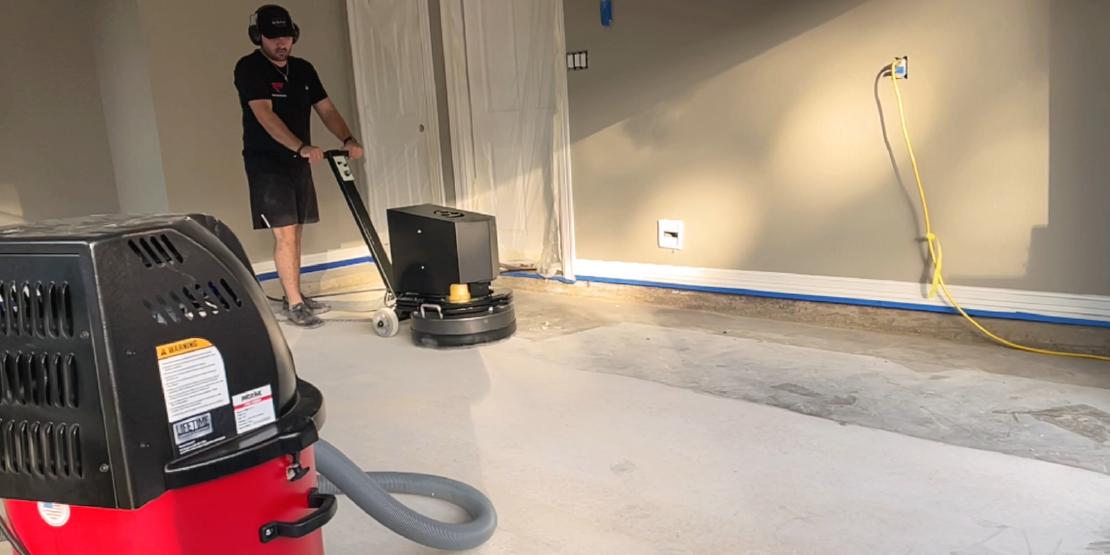
Another important consideration is the size and condition of the surface area to be coated. Larger spaces require more coating material, thus escalating the costs. The current state of the floor is also crucial. Floors that are uneven or have extensive damage necessitate pre-treatment and thorough cleaning before proceeding with the coating process. The necessity for such preparatory work can significantly add to the overall cost of the project. Specialist equipment may also be required for the application of certain types of coatings, adding yet another expense.
Real-life Instances of Economical Floor Coating Overhauls
Floor overhauls need not be exorbitant; several successful instances have proven the viability and affordability of economical floor coating transformations. A small restaurant in Chicago, for instance, faced critical wear and tear issues following intense foot traffic. The management team, on a limited budget, chose an epoxy floor coating that offered affordability along with superior durability. This single decision ensured an aesthetically-pleasing, hard-wearing floor that stood up to heavy usage without forcing the restaurant into financial strain.
Another compelling example is a warehouse facility in California that needed a flooring solution capable of withstanding heavy machinery and regular, intensive use. The selection of a polyurethane floor coating, known for its strength and long-lasting properties, provided a cost-effective solution. It not only successfully transformed the industrial flooring to a higher standard but also mitigated downtime and loss of productivity. These two examples, among many others, highlight effective ways to achieve floor coating transformations within budget constraints.
How to Plan a Budget for Floor Coating Transformation
When it comes to planning a budgeted floor coating transformation project, a preliminary factor to take into account is the type of coating you wish to apply. Costs can vary dramatically; for instance, epoxy and polyurea are on the high end while sealants and paints are more affordable alternatives. Alongside the material cost, keep in mind the size and condition of the floor to be coated. Larger areas or those requiring extensive preparation - such as removal of old coatings or repair of cracks and divots - may require a larger budget allocation.
Secondly, labor costs can significantly influence your overall budget. Hiring professionals might seem expensive upfront but could save money in the long run due to expertise and efficiency. DIY might be cheaper, but only for those who are confident in their abilities; unexpected issues can easily inflate costs. Draw a clear line between money spent and value obtained in terms of life expectancy of the coated floor to aid decision making. Don’t disregard the aspect of ongoing maintenance and repair costs; a cheap coating that requires frequent attention could end up costing more over time.
Choosing the Right Floor Coating for your Budget
When it comes to effective and affordable transformations, selecting the right floor coating can make a significant difference. Numerous factors such as material costs, durability, aesthetics, and maintenance needs should be factored into your budget planning. Likewise, understanding the performance characteristics of different types of floor coatings is also a crucial step in making this budget-friendly choice. Epoxy, for example, is a commonly preferred option due to its high durability and affordability compared to other high-end materials.
Additionally, identifying and prioritizing the functional needs of a space is imperative. High-traffic areas may require more durable materials such as polyurea, even if it slightly stretches the budget, considering the long-term savings on recurrent repair expenses. Exploring the range and prices of available market alternatives helps a homeowner choose a floor coating that matches performance expectations and falls within the set budget range. Thus, balancing cost, quality, and functionality can lead to successful, budget-friendly floor transformations.
DIY vs Professional: Comparing Costs
While considering a floor coating transformation, comparison between Do-It-Yourself (DIY) and hiring professional services is inevitable. The costs associated with each approach can vary significantly and greatly influence the budget for the project. DIY floor coating might appear cost-effective on the surface, with materials and tools accounting for the bulk of expenditure. The affordability potions majorly from eliminating the labor costs, which form a significant portion of the budget in professional services. Further savings can be achieved by sourcing materials from discounted or wholesale suppliers.
However, opting for professional floor coating services can offer distinct advantages. The proficiency and experience of professionals often translate into superior quality and durability of the coating, potentially reducing long-term maintenance and replacement costs. Additionally, professional services often include warranties that cover potential faults or defects in the floor coating, offering additional financial protection. In contrast, DIY approaches carry the risk of erroneous application, purchasing excess materials, or facing complications that require professional intervention, all contributing to unforeseen costs. Thus, while upfront costs of professional services might seem higher, they can offer more predictable and potentially lower costs in the long run. • DIY Floor Coating Costs: ◦ Initial costs are generally lower in DIY floor coating as compared to professional services. ◦ The major portion of the budget goes into purchasing materials and tools. ◦ Savings can be achieved by eliminating labor costs, which is a significant part of the budget when hiring professionals. ◦ Further savings are possible if materials are sourced from discounted or wholesale suppliers.
• Professional Floor Coating Costs: ◦ Upfront costs might seem higher due to inclusion of labor charges and service fees. ◦ The quality and durability offered by professionals could result in reduced maintenance and replacement costs over time. ◦ Many professional services offer warranties that cover potential defects or faults, providing additional financial protection.
• Risks Associated with DIY Approach:
◦ There’s always a risk of erroneous application leading to subpar results that may necessitate rework or repair sooner than expected.
◦ Purchasing excess materials not only leads to wastage but also escalates project cost unnecessarily.
◦ Any complications during the process might require professional intervention, adding unforeseen expenses.
In conclusion, while both approaches have their pros and cons, it’s important for homeowners to consider all factors before making a decision. While upfront costs might be lower with DIY approach, long-term benefits such as warranty coverage and superior finish provided by professionals should not be overlooked.
Maintenance and Longevity: Keeping Your Transformation Budget-Friendly
A significant aspect often overlooked in the process of a floor coating transformation is the regular upkeep and durability factor. These elements are crucial for staying within the budget while ensuring that the new finish lasts for an extended period. By opting for high-quality materials, not only one can benefit from the added resilience, but they can also achieve a low-maintenance surface, which will require less frequent repairs and replacements in the long run.
When it comes to longevity, the type of coating chosen can greatly influence the expected lifespan of your new floor. Epoxy and polyurea, for instance, are known for their exceptional resistance to wear and tear, making them suitable for high-traffic areas. For a way to trim down cost substantially, consider a regular cleaning schedule and damage checks. By detecting issues early, the cost for maintenance can be greatly reduced. This approach to floor care will help keep your transformation project budget-friendly.
Long-term Savings with Quality Floor Coatings
Investing in quality floor coatings can contribute to considerable long-term savings. Initially, one might get swayed by lower-priced alternatives, but these can lead to frequent replacements and repairs, thus escalating the costs in the long run. By choosing higher-quality coatings, initial costs may be higher, but it ensures durability and longevity. This can significantly reduce maintenance costs and negate the need for costly replacements down the line.
Moreover, quality floor coatings offer added benefits like increased resistance to wear and tear, staining, and damage caused by chemicals or heavy traffic. Such coatings are built to endure intense conditions, thereby offering cost-efficiency over time. Aesthetically, they remain appealing for longer periods, enhancing the overall visual appeal of the space. Thus, quality floor coatings provide sustainable and affordable solutions by offering long-term savings.
The Impact of Floor Coating Transformations on Property Value
It can’t be denied that floor coating transformations considerably boost the property value. Primarily, functional and aesthetic improvements brought about by these transformations greatly appeal to prospective buyers. Enhanced durability, ease of maintenance, and attractive aesthetics tend to increase the perceived value of the house or commercial property. Moreover, high-quality coatings such as epoxy and polyurethane are known to refurbish and protect floors from damage, reducing long-term maintenance costs. This elevated resilience contributes to property longevity, further impacting real estate value.
In parallel, market trends reveal an increasing demand for properties with impressive and durable utilities. Homes and businesses with high-quality floor coatings often enjoy a competitive edge in the market. Materials such as stamped concrete, paver sealer, or terrazzo design not only provide utility but also enhance the overall aesthetic appeal. They are more likely to catch the attention of discerning buyers, subsequently escalating the property’s market value. Therefore, investing in floor coating transformations can bring about substantial financial gains in the long run.
Tips to Keep your Floor Coating Project within Budget
Keeping floor coating projects on track with your budget requires smart planning and strategic implementation. The first step involves thorough research. Get to know different types of floor coatings like epoxy, polyurethane, and acrylic along with their respective pros, cons, and pricing. Take time to understand the property’s unique needs and standards to judge which coating is a good fit. Factor in considerations like durability, aesthetics, cleaning requirements, and long-term maintenance costs. This way, you’re less likely to make pricy mistakes or unnecessary investments.
Another viable strategy is to compare estimates from different service providers. It also helps to insist on detailed, itemized quotations so that you know exactly where your money is going. Hidden fees can bust even the strongest of budgets. Also, contemplate the long-term advantage of investing in quality coatings. They may seem costly upfront, but the savings on future maintenance, repair, and replacement can balance things out over time. It’s crucial to recognize that while cost is key, it should not compromise the quality and longevity of your floor coating transformation. Remember, in the grand scheme of things, durable and well-installed floor coatings are always more economical.
Inexpensive Floor Coating Solutions: Success Stories
One stellar example of an affordable floor coating project is the reconditioning of the historical town hall of Woodville, North Carolina. Limited by a tight budget, the committee overseeing the restoration project opted for an epoxy coating solution for their worn-out hardwood floors. The enhancement not only dramatically improved the aesthetics of the town hall but also ensured durability and ease of maintenance – making it a practical choice in the long-run.
In a completely different scenario, a local basketball court in Rochester, New York, also exemplified the effectiveness of a budget-friendly floor coating transformation. The community decided on a polyurethane coating for the court’s surface. The choice proved resilient against high foot traffic and rigorous physical impact. Consequently, the brilliant reformation caught the attention of the locals, bolstering the court’s popularity and utilization rate dramatically.
What is a floor coating transformation?
A floor coating transformation is the process of applying a protective or decorative layer of coating material over the existing floor to enhance its aesthetic appeal, durability, and functionality.
Why is there a need for affordable flooring solutions?
Affordable flooring solutions are needed to cater to homeowners and business owners who want to improve or maintain their properties without breaking the bank. They offer a cost-effective way to enhance the look and durability of floors while also increasing property value.
Can you name some types of floor coatings?
Sure. Various types of floor coatings include epoxy coatings, polyurethane coatings, acrylic coatings, and polyester coatings, each offering different degrees of protection, durability, and aesthetic appeal.
What factors influence the cost of floor coatings?
The total cost of floor coatings is influenced by factors such as the type and quality of the coating material, the size of the floor area to be coated, the condition of the existing floor, and whether the job is done by a professional or DIY.
Can you share some real-life instances of economical floor coating overhauls?
Due to confidentiality, we can’t share specific customer details, but we’ve seen numerous cases where homeowners and businesses have successfully carried out affordable floor coating transformations, enhancing the look and longevity of their floors while staying within budget.
How can I plan a budget for a floor coating transformation?
To plan a budget for a floor coating transformation, you should consider the cost of the coating material, labor charges if hiring a professional, preparation work needed for the existing floor, and the cost of maintenance over time.
How do I choose the right floor coating for my budget?
You can choose the right floor coating for your budget by researching the different types of coatings available, their costs, and their benefits. It’s also advisable to get quotes from various suppliers and professionals to make a cost-effective decision.
Can DIY floor coating be more cost-effective than hiring a professional?
While DIY floor coating may seem cost-effective at first, it often requires a learning curve and can result in errors that need correcting. Hiring a professional can provide a better finish and long-lasting results, which can save money in the long run.
How does maintenance impact the budget of a floor coating transformation?
Regular maintenance helps to prolong the lifespan of the floor coating, preventing the need for frequent re-coating. Therefore, factoring in the cost of maintenance can help to keep the overall budget of a floor coating transformation low.
Can quality floor coatings lead to long-term savings?
Yes, investing in quality floor coatings can lead to long-term savings as they tend to last longer, require less maintenance, and add value to the property.
Does floor coating transformation impact property value?
Absolutely, a well-executed floor coating transformation can significantly increase the aesthetic appeal and durability of the property, thereby increasing its market value.
What tips can help to keep my floor coating project within budget?
Tips to keep your project within budget include planning ahead, getting multiple quotes, choosing quality materials that offer long-term value, and maintaining the coating properly to prolong its lifespan.
Can you share some success stories of inexpensive floor coating solutions?
While we can’t share specific details, we’ve seen many instances where homeowners and businesses have successfully used inexpensive floor coating solutions to transform their spaces. These transformations not only enhanced the look of the properties but also increased their durability and value.