
Case Studies: Green Floor Coating Projects
Understanding Green Floor Coatings
“Green floor coatings” is a broad term that refers to a variety of flooring finishes designed with sustainability and environmental impact in mind. These coatings typically use materials and production processes that are environmentally friendly, reducing their carbon footprint significantly compared to traditional alternatives. They can include natural oil finishes, water-based finishes, or coatings made from renewable resources, among others.
On a microscopic level, these coatings form a protective barrier that shields the floor from daily wear-and-tear, improving its durability and extending its lifespan. The green coatings are engineered to have low or no Volatile Organic Compounds (VOCs), chemicals often found in traditional floor finishes that can evaporate into the air and cause health issues. Furthermore, the materials used in green floor coatings are often derived from renewable or recycled sources, contributing to a circular economy, where waste is minimized, and resource efficiency is maximized.
Environmental Impact of Traditional Floor Coatings
Traditional floor coatings, often comprised of materials like epoxies, urethanes, and quick-dry solutions, have been a staple in construction and renovation for decades. However, these substances pose significant environmental concerns. Not only do they rely heavily on nonrenewable resources for production, but they also frequently contain volatile organic compounds (VOCs); these VOCs can lead to air pollution, often contributing to smog and other detrimental atmospheric conditions.
The production process of these conventional floor coatings often leads to the release of harmful byproducts into the environment. These effluents can contaminate water sources, harming aquatic life and threatening biodiversity. Moreover, the disposal of unused or spent floor coatings is an additional environmental concern; these substances often end up in landfills, leaching toxins into the ground and further exacerbating ecological issues. Furthermore, the degradation of these floor coatings contributes to microplastics pollution, introducing another layer of complexity to the environmental impact linked with traditional floor coatings.
Why Choose Eco-Friendly Floor Coatings
The adoption of eco-friendly floor coatings is a commitment to a healthier, safer, and more sustainable environment. They offer similar durability and aesthetically pleasing finishes as conventional floor coatings, but without the harmful chemical content. These environmentally-friendly alternatives are derived from natural and renewable resources, contributing to the conservation of ecosystems around the world. Choosing green coating options reflects a responsible and conscientious investment in our planet’s future.
The benefits of eco-friendly floor coatings are extensive and far-reaching, from improved indoor air quality to enhanced recyclability. Traditional floor coatings often emit volatile organic compounds (VOCs), leading to olfactory discomfort and potential health hazards. Green floor coatings eliminate these concerns, providing healthier spaces for occupants. Moreover, eco-friendly coatings can be recycled or even composted at the end of their lifecycle, avoiding the landfills where traditional floor coatings often end up. Ultimately, shifting from traditional coatings to eco-friendly alternatives signifies a proactive step towards achieving sustainable living and working environments.
Elements of a Green Floor Coating Project
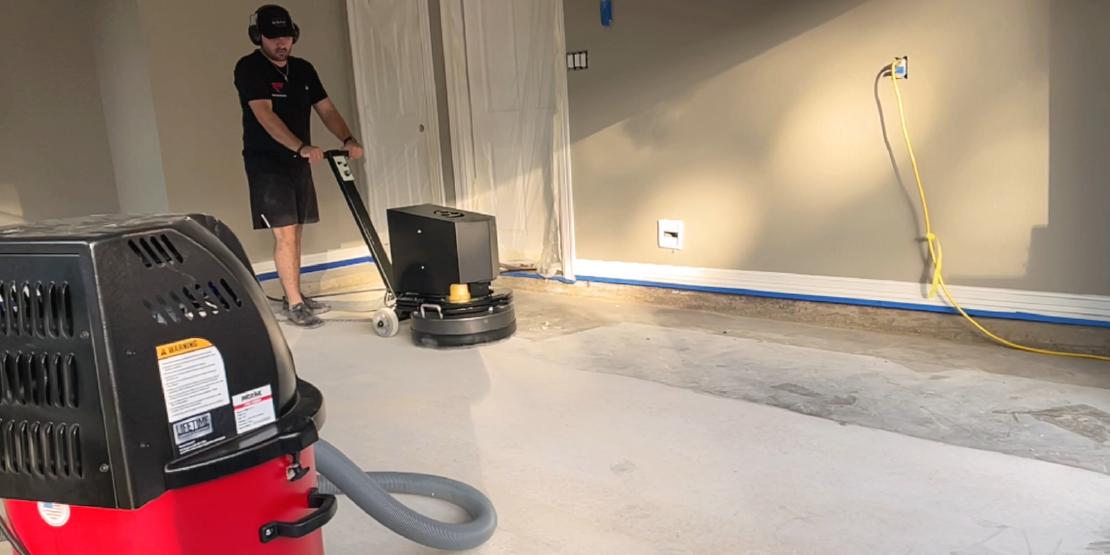
To implement a successful green floor coating project, several vital elements must be considered. Planning and Preparation play a crucial role, beginning with a thorough cleansing of the floor area to be coated. Any existing residue, dust, or debris can create a barrier that prevents the green coating from properly adhering. Additionally, understanding the existing floor structure and its material composition help in determining the correct eco-friendly coating product to be used.
Additionally, applying Eco-Friendly coating products marks the key step in a green project. These products are typically comprised of materials with low VOC (Volatile Organic Compounds) levels and minimal harmful emissions, contributing significantly to the reduction of environmental pollution. Furthermore, Precision in application and proper maintenance post-application ensures longevity of these coatings, making them a cost-effective and sustainable solution.
Project One: Sustainable Warehouse Flooring
Initiating the transition towards sustainability, a renowned logistics company decided to incorporate green floor coatings across their expansive warehouse facilities. The core reason behind this choice was to reduce the environmental impact of their operations while simultaneously boosting the company’s reputation in terms of corporate social responsibility. The selected floor coating was composed primarily of low VOC materials and contained recycled constituents, significantly trimming down the carbon footprint of the overall project.
The project execution was seamless, primarily due to the non-toxic nature of the eco-friendly materials that negated the necessity for any specialized protection for the workers. The on-site team appreciated this, as it made the installation process both safer and more convenient. The completed flooring system not only proved resilient in terms of withstanding the high-traffic environment of the warehouse but also yielded significant energy savings, as its reflective property enhanced the illumination efficiency. This instance served as a great example of how going green can provide compounded benefits to businesses.
How a Green Floor Coating Benefited a School: Project Two
In order to improve sustainability efforts, Lincoln Elementary School made the wise decision of replacing traditional floor coatings with green alternatives. This project, implemented at the start of the 2019 academic year, aimed to solve the longstanding durability issues encountered with the prior flooring. It also addressed health concerns related to volatile organic compounds (VOCs), commonly found in non-eco-friendly floor materials.
The initiative immediately demonstrated several advantages. Indoor air quality dramatically improved due to the conscious elimination of VOCs. Students and staff members started reporting diminished allergy symptoms, saving the school in healthcare costs and reducing pupil absenteeism. Furthermore, the green floor coatings exhibited superior resistance to prevalent wear and tear, reducing the total maintenance expenditure. The addition of the sustainable solutions did not only create an eco-conscious image but also ensured the health and well-being of the school community while being economical.
Revamping a Restaurant: Eco-Friendly Flooring Project Three
Project Three spotlighted a popular downtown restaurant determined to enhance its commitment to sustainability. The management decided to not only revisit their sourcing and waste management practices but also turn their attention to the actual physical structure of the restaurant. One significant change the restaurant embarked on was the decision to install eco-friendly flooring, a move that catapulted them into the limelight for green initiatives within the service industry.
The team selected for this project employed a green floor coating made from rapidly renewable resources. This eco-friendly coating, made mainly from linseed oil, cork dust, mineral fillers, and resin, provided the high style and durability needed for a high-traffic restaurant environment. The new flooring became a major selling point for the establishment, aligning with its overall commitment to sustainability and environmental preservation. The number of diners increased as word about the restaurant’s green initiatives spread within the local community.
Project Four: A Green Makeover for an Office Building
The fourth project in our series revolved around an extensive office building located in the heart of the business district. The client, a rising tech firm, expressed concern regarding the significant carbon footprint of their existing vinyl-based flooring. In response, our team proposed a comprehensive overhaul of the office’s interior surface with our low VOC, waterborne epoxy green floor coating. This eco-friendly floor coating would not only benefit the company’s sustainability initiative but also help to improve indoor air quality, an essential factor conducive to the wellbeing and productivity of the office workforce.
A meticulously executed plan ensured a seamless transition to the new, greener flooring. The first step included the careful removal of the existing floor coating, followed by the expert application of the low-emission green floor coating. The project’s successful completion exceeded heightened expectations, with the pristine, durable and ecological flooring surface gleaming beneath the office lights. As an added bonus, the fresh floor coating contributed to a significant reduction in maintenance tasks, offering an attractive blend of both environmental and economic benefits.
Success Story Five: Eco-Friendly Flooring in a Retail Store
Located in the heart of New York City, a popular retail store made headlines by transforming their traditional flooring into an eco-friendly masterpiece. This was no ordinary makeover; the flooring project placed skilful craftsmanship and environmental sensitivity at its core. The goal was to create a visually appealing yet sustainable space that would reflect the company’s commitment to green practices. With an ever-increasing consumer consciousness around environmental issues, this was a strategic move to appeal to and resonate with customers while promoting sustainable living.
The transformation began by replacing the old vinyl flooring with a green floor coating made of bio-based resins and recycled glass fillers. This material proved to be extremely durable, withstanding the heavy foot traffic a retailer faces daily without losing its lustre. Remarkably, the use of these materials reduced the store’s carbon footprint, conserving both energy and resources. Furthermore, the inevitable wear and tear over time will not result in harmful emissions or toxic waste, a significant environmental victory. Through this forward-thinking approach, the retail store successfully advanced its green initiative while fostering an eco-friendly shopping experience.
Lessons Learned from Green Floor Coating Projects
Our exploration into green floor coating projects has allowed us to gain several crucial insights. One of the first key lessons is the importance of preparing and planning. All green floor projects need thorough research into suitable materials, techniques, and potential challenges. Prior preparation becomes a pivot point in the success of the job. Additionally, it has been clear that proper applicator training is equally essential. The result’s quality is directly proportional to the training and experience of the people carrying out the work.
Green floor coatings’ environmental benefits have been strongly evident in all project scenarios. Yet, this advantage needs to be balanced with durability considerations. Several projects revealed that while eco-friendly materials reduced environmental impact, there were instances of reduction in wear resistance. Hence, careful choice of green materials by examining their lifecycle and performance in different conditions is pivotal to achieve a balance between environmentally friendly and practical solutions. Factors such as temperature, traffic wear, and cleaning routines should all be taken into account in this process.
Benefits Realized from Green Floor Coatings
Adopting green floor coatings has been linked to substantial energy savings, one of the most evident benefits to the environment. These coatings reflect light better than their traditional counterparts, reducing the need for heavy artificial lighting. This, in turn, saves energy and can significantly reduce utility costs. Over the lifetime of the floor, these savings can be substantial, making eco-friendly flooring not just an environmentally conscious decision, but a financially savvy one too.
Apart from energy savings, the use of green floor coatings greatly improves indoor air quality. Traditional floor coatings often emit harmful volatile organic compounds (VOCs) that pollute the indoor air. With green floor coatings, VOC emissions are minimal or non-existent, creating a healthier indoor environment for occupants. This is particularly beneficial in settings like schools, hospitals, and office buildings, where occupants spend a majority of their time.
Challenges in Implementing Green Floor Coating Projects
While the green floor coating revolution continues to gain momentum, it’s not without its own set of challenges. A significant obstacle is the general lack of awareness and understanding towards the benefits and functionality of eco-friendly alternatives. People tend to lean towards traditional floor coatings, often out of habit or familiarity without realizing the detrimental environmental impact these materials present. Furthermore, there’s a dominating misconception that green materials are invariably more expensive which deters potential users.
Another major impediment is the limited availability and choice of green materials in the market. Despite considerable advancements, the product range is still not as extensive as it is for conventional solutions. Additionally, installation of eco-friendly flooring often requires specialized professionals. The scarcity of such expertise not only limits the adoption of these materials but can also raise the cost due to increased labor and installation charges. With more research, innovation, and policy intervention, these challenges can be significantly mitigated. However, the implementation of green floor coating projects also faces other challenges such as:
• Regulatory Hurdles: Despite the clear environmental benefits, there are still regulatory hurdles that need to be cleared. This includes meeting building codes and obtaining necessary permits which can slow down or even halt projects.
• Limited Lifespan: While green materials are generally more durable than their traditional counterparts, some may not last as long. The lifespan of these materials is often shorter due to natural wear and tear, requiring more frequent replacements and thus potentially increasing costs in the long run.
• Lack of Standardization: There’s a lack of standardization across different green products. This makes it difficult for consumers to compare products and make informed decisions.
• Resistance from Industry Players: Traditional flooring manufacturers may resist change due to fear of losing market share. They might engage in anti-competitive practices or spread misinformation about green alternatives to maintain their dominance.
Despite these challenges, implementing green floor coating projects remains an important step towards sustainability. It contributes significantly toward reducing our carbon footprint while providing healthier living spaces for individuals. By addressing these issues head-on through education, policy changes, research and development; we can overcome these obstacles and accelerate the adoption rate of eco-friendly flooring solutions.
In conclusion:
• Raising awareness about the environmental impact of traditional coatings and understanding the benefits & functionality of eco-friendly alternatives is crucial.
• Ensuring availability & choice by expanding product range will encourage adoption.
• Training professionals in installation techniques will reduce labor costs & increase efficiency.
Overcoming regulatory hurdles & resistance from industry players requires strong policy intervention backed by scientific evidence demonstrating superior performance & benefits offered by green coatings over conventional ones.
Each challenge presents an opportunity for innovation - driving us closer towards a sustainable future with each hurdle crossed!
Future Perspectives on Green Floor Coating Projects
As environmental awareness continues to grow, the demand for green floor coatings is expected to increase drastically. The industry as a whole is rapidly transforming to meet the needs of eco-conscious customers, entrepreneurs, and government bodies. Innovations are aggressively adopted to ensure improved sustainability, while reducing harm to the environment. More robust and cost-effective solutions are the primary driving factors for the growth of green floor coatings in the international market.
Furthermore, collaboration among manufacturers, policymakers, and consumers is significantly fueling the development and acceptance of efficient eco-friendly solutions. Governments from around the globe are enforcing stringent regulations and norms that encourage the use of green construction materials in projects. Thus, the future for green floor coating products appears bright, as the world leans toward comprehensive sustainability. These endorsed practices and policies not only promise viability for the planet but also for the economic coherence of the businesses involved.
What are green floor coatings?
Green floor coatings are eco-friendly alternatives to traditional floor coatings. These coatings are made from sustainable materials and have lower environmental impacts.
What are the negative environmental impacts of traditional floor coatings?
Traditional floor coatings often contain harmful chemicals that can release volatile organic compounds (VOCs) into the air, polluting the environment and causing health risks. They also contribute to waste due to their short lifespan and need for frequent replacements.
Why should we opt for eco-friendly floor coatings?
Eco-friendly floor coatings are safer for the environment and human health. They are made from sustainable materials, emit fewer VOCs, and have a longer lifespan than traditional coatings, reducing waste.
Can you provide examples of successful green floor coating projects?
Yes, the article mentions several successful projects such as a sustainable warehouse flooring project, an eco-friendly school flooring project, a restaurant revamp with green flooring, a green office building makeover, and an eco-friendly retail store flooring project.
What are the lessons learned from these green floor coating projects?
The key lessons learned include the need for careful planning, the importance of using high-quality materials, and the benefits of investing in sustainability for long-term cost savings and environmental benefits.
What benefits have been realized from green floor coatings?
Benefits include improved indoor air quality, reduced environmental impact, cost savings over time due to the durability of the coatings, and improved aesthetics.
What challenges are there in implementing green floor coating projects?
Challenges can include higher upfront costs, potential difficulty in sourcing eco-friendly materials, and the need for specialized installation techniques and maintenance.
How do you see the future of green floor coating projects?
The future of green floor coating projects is promising. As more people become aware of the environmental impact of their choices and seek out sustainable alternatives, we expect to see a continued rise in the adoption of eco-friendly floor coatings.