
Case Studies: Residential Floor Coating Transformations
Understanding the Importance of Floor Coatings in Homes
Floor coatings play a significant role in enhancing the durability and beauty of the indoor living space. They provide an extra layer of protection to underlying structures, safeguarding against damage caused by wear and tear, moisture, and stains. With a wide range of designs and finishes available, floor coatings also allow homeowners to customize their homes’ aesthetic, greatly enhancing the overall living space’s appeal. From polished concrete finishes to vibrant epoxy coatings, the spectrum of options caters to diverse taste and home décor options.
Not to be overlooked is how floor coatings contribute to a healthier living environment. By providing a smooth, easy-to-clean surface, floor coatings minimize the accumulation of dirt, allergens, and bacterial growth. This boosts indoor air quality and promotes a healthier living space, particularly beneficial to households with individuals who suffer from allergies or respiratory conditions. Furthermore, a well-coated floor reduces the risk of injuries from slips or falls, offering both aesthetic and safety benefits.
The Basics of Residential Floor Coating Process
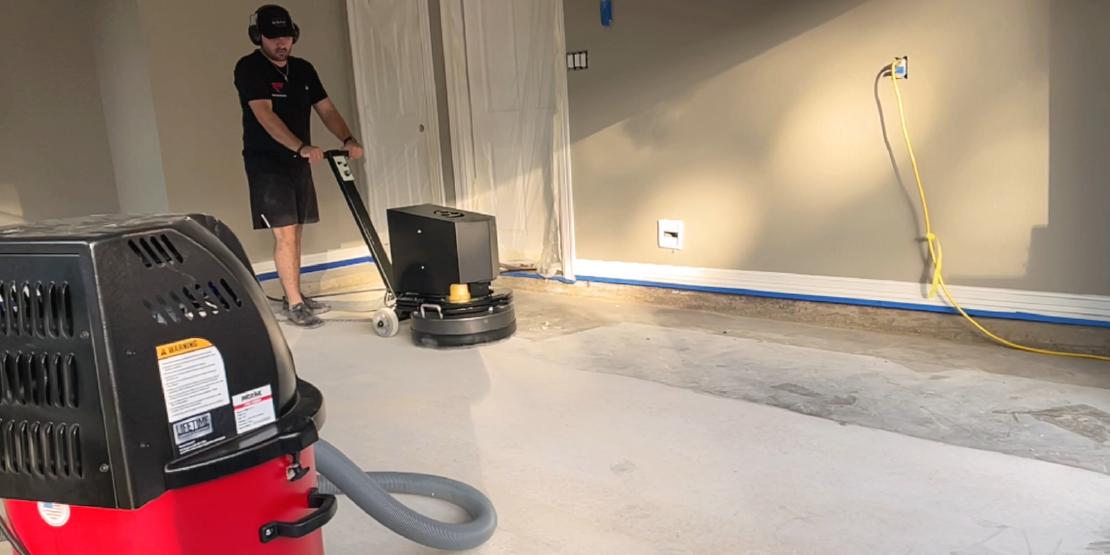
Residential floor coating is a multi-step process that begins with surface preparation. Surface preparation is critical as it determines the longevity and durability of the coating. Initially, any old paint or sealant present on the floor is removed using methods such as shot-blasting, grinding, or chemical stripping. Next, the surface is cleaned thoroughly to get rid of any dust, debris, or contaminants that could interfere with the coating process.
Once the surface is ready, a high-quality primer is applied to the floor. This primer ensures that the surface is smooth and provides a strong adhesive bond for the coating. After the primer has dried, the actual floor coating material is then applied. This material may vary based on the aesthetic requirements and functional needs of the homeowner. Typically the coating is applied using rollers or sprayers and may require more than one coat for optimal performance. It is then left to cure for a specified period until it hardens, providing a durable finish.
Exploring Different Types of Residential Floor Coatings
Residential floor coatings come in several variants, each offering distinctive features and advantages. Epoxy coatings are renowned for their durability and resistance to oil, grease & chemicals, making them an excellent choice for garages and basements. They come in a variety of colors that can bring a vibrant appeal to any space. Polyaspartic coatings are newer to the market but have gained popularity fast due to their quick cure times. These coatings can withstand extreme temperatures and are resistant to UV damage, making them perfect for outdoor spaces.
Also in the lineup of options are acrylic coatings, popular due to their affordable price point and ease of application. While not as robust as epoxy or polyaspartic, they do offer a solid level of protection and are quite easy to maintain. Finally, urethane coatings are known for their significant resistance to chemicals and abrasion. Simple to clean and available in various finishes, they provide excellent color retention, ensuring your floors maintain their look over time. Additionally, these coatings are perfect for areas subjected to heavy use due to their outstanding durability.
Before and After: Home Flooring Makeover Stories
One of the most fascinating home flooring transformations involved an older, historic home in the Midwest. This grand dame of a house had been blessed with beautiful, original oak floors that, unfortunately, had lost their luster over decades of use and neglect. They were worn, scratched and faded, detracting significantly from the home’s overall aesthetic. The homeowner, keen to restore the property to its former glory, decided it was time to take action and explore the world of residential floor coatings.
The results were indeed remarkable and offered a gleaming testament to the transformative power of floor coatings. Post-treatment, the once drab and lifeless oak floors exuded warmth and brilliance. The coating enhanced the natural grain of the wood, giving it depth and a rich, robust quality that was previously missing. More importantly, the floor was now resistant to future wear and tear, ensuring that the homeowner could enjoy its beauty for many more years. The transformation not only brought renewed life to the flooring but also significantly improved the overall aesthetic of the home, much to the delight of the owner.
Floor Coating Application: Step by Step Guide
The process of floor coating application begins with an essential first step, the preparation of the surface. This involves thorough cleaning, usually with the aid of professional-grade cleaners to ensure removal of stains and dirt. Elimination of moisture, oils, and waxes from the surface is key for effective application. Often times, the surface will be abraded or sanded to facilitate better adhesion of the coating. Care should be taken that the surface is dry and dust-free before moving on to the next step.
Subsequently, the actual coating process commences, beginning with the application of a primer. This foundational layer provides an optimal surface for the subsequent coats to bond. The primer should be thinly and evenly applied, ensuring no air bubbles are left behind. Upon drying, the coating or paint can be applied. Several coats may be necessary for an effective seal and to reach the desired aesthetic effect. It is imperative that adequate time be allowed for each layer to dry completely, avoiding premature sealing that could trap moisture within the flooring. The final step is the application of a sealant or top coat, which provides the glossy finish and significantly extends the longevity of the flooring by offering further protection against wear and discoloration.
The Role of Professionals in Residential Floor Coating
Coating floors is a task that demands precision and expertise. Professionals bring a wealth of experience and specialized knowledge to the table. They are well-versed in using equipment efficiently to ensure flawless results. Additionally, they have a deep understanding of the numerous types of coatings available and can provide suitable suggestions tailored to the specific needs of your home flooring. Their practical know-how also ensures the accuracy in determining the right quantity of coating used, avoiding wastage or insufficient application.
Furthermore, professionals are familiar with the potential challenges that may arise during the process. They are trained to handle complications and unexpected situations in effective, non-disruptive ways. This underlines their value in guaranteeing swift, uninterrupted work timelines. Importantly, with years of experience and the support of professional associations, these experts are upgraded with the latest techniques and trends in the industry, ensuring top-notch service quality and cutting-edge floor solutions for homeowners.
How Floor Coating Enhances the Aesthetic of a Home
Floor coatings can dramatically transform homes by offering a new dimension of aesthetic pleasure. They bring a polished, sleek look that can complement or contrast interior designs, bringing an air of elegance. The variety in colors and designs, a trait inherent in floor coatings, allows homeowners to fully tailor their space to align with their unique sense of style. Bold, vibrant colors can energize a room while soft, subtle hues can create a calming environment. With various textures and finishes, from high-gloss to matte, a sense of depth and complexity is added to the interior layout, serving as an appealing backdrop in any home setting.
Notably, floor coatings amplify the aesthetic appeal without taking away from the practical usage of floors. Residential floor coatings can mimic the appearance of different materials such as marble, granite, or wood, yet offer more resilience and durability. This translates into visually pleasing surfaces that are easy to maintain and uphold over time. Beyond mere appearances, tastefully coated floors can enhance the perception of space in a house, making rooms seem larger or cozier, depending on the chosen color and finish. Hence, floor coatings play an instrumental role in enhancing home aesthetics, running parallel to functionality and sturdiness.
The Durability Factor: How Coatings Extend the Life of Floors
One of the main reasons homeowners opt for floor coatings is the durability they provide. Regular flooring materials are prone to scratches, stains, and general wear and tear, however, coating adds a protective layer enhancing its lifespan. Flooring coated with high-quality materials can withstand heavy foot traffic, extreme temperatures, and even exposure to chemicals. The robust nature of these coatings ensures that the floors remain in good condition for an extended period, thereby reducing replacement or repair costs.
However, all floor coatings are not created equal. The longevity of the floor relies heavily on the kind of coating material used. Epoxy, for instance, offers extreme toughness and sturdiness, making it a popular choice for garage and industrial floors. Polyurethane on the other hand, imbues the floor with resistance to UV light, scratches, and corrosive substances, hence it is favored for outdoor applications. Homeowners need to make informed decisions about which type of coating best suits their needs and priorities for maximal durability. Irrespective of choice, any form of floor coating indisputably extends the floor’s lifespan. Here are some key points to consider when choosing a floor coating for durability:
• Epoxy Coatings: Known for their extreme toughness and sturdiness, epoxy coatings can withstand heavy foot traffic and exposure to chemicals. This makes them an ideal choice for areas such as garages or industrial floors.
• Polyurethane Coatings: These coatings offer superior resistance against UV light, scratches, and corrosive substances. Their resilience makes them suitable for outdoor applications where the flooring is exposed to harsh weather conditions.
• The Right Choice: Homeowners need to make informed decisions about which type of coating best suits their needs. Factors like location of application (indoor vs outdoor), expected foot traffic, exposure to elements etc., play a crucial role in determining the right kind of coating.
• Longevity Factor: Regardless of the type chosen, any form of floor coating significantly extends the lifespan of your floors by offering an added layer of protection against wear and tear.
In conclusion, investing in high-quality floor coatings not only enhances the aesthetic appeal but also contributes significantly towards extending its longevity. Whether you opt for epoxy or polyurethane or any other kind of protective coat depends largely on your specific requirements and environmental factors. However, one thing remains certain - with proper care and maintenance; coated floors will outlast uncoated ones by many years.
Economic Benefits of Residential Floor Coatings
Residential floor coatings offer substantial financial advantages to homeowners. They create a durable finish that can withstand wear and tear, thereby reducing the need for frequent repairs or replacements. High-quality floor coatings are resistant to a variety of damages, including scratches, chips, and even moisture build-up. This seemingly invincible layer serves as a protective shield for the original floor, ultimately extending its life span and saving on costly renovation expenses.
Furthermore, many are drawn to the aesthetic enhancement that floor coatings provide. This enhancement can significantly improve a home’s market value. When it comes time to sell, have beautifully coated floors can impress potential buyers and command a higher selling price. This, combined with the fact that floor coatings are usually more economical than a complete floor overhaul, makes the investment in residential floor coatings a financially sound decision for any homeowner.
How Floor Coatings Contribute to a Healthier Living Environment
To start with, residential floor coatings offer a barrier of protection against dust, allergens, and moisture. These microscopic particles, if left unchecked, can cause various health issues such as respiratory disorders, allergies, and even skin irritations. Especially in households with children or elderly, maintaining a clean, allergen-free environment is crucial. Thus, by sealing off the floor surface, coatings prevent such harmful particles from accumulating. This promotes improved indoor air quality, contributing to healthier living conditions.
In addition, some floor coatings come integrated with anti-bacterial and anti-fungal properties. These specially designed coatings actively combat the growth of harmful microorganisms on your floor surface. In wet and humid spaces of your home, like bathrooms or basements, such coatings can prevent the proliferation of mold and mildew. Both are notorious for causing ailments, from mild allergies to severe lung infections. Therefore, by arresting microbial growth, anti-microbial floor coatings significantly enhance the healthiness of your living environment.
Customer Experiences: Stories of Remarkable Floor Transformations
Robert, a homeowner from New Jersey, shared a remarkable floor transformation story. He was disheartened to see the dull, worn-out hardwood flooring of his century-old Victorian house and was contemplating a full replacement. On his contractor’s recommendation, he decided to try floor coating before investing heavily into new flooring. Following the application of a high-quality, lustrous wood floor coating, Robert was thrilled to witness the transformation. His floors reclaimed their original grandeur, displaying a rich color, depth and an appealing shine. The new coating provided a modern, sophisticated finish, and he was amazed to see his old hardwood floors stand the test of time and use.
In another incident, Maria from Florida had a similar experience when she renovated her quaint beach house. She wanted to preserve the existing Terrazzo flooring of her house which held memories of her childhood summers. She wasn’t prepared to bear the high cost and the significant mess associated with replacing the floor. So, she opted for a Terrazzo floor coating as a cost-effective yet attractive solution. She was ecstatic that her decision not only saved her a ton of money, but also revived the vintage charm of her precious beach house. After the coating was applied, the Terrazzo floor sparkled with colorful chips showing through, blending nostalgia with practicality.
Maintaining the Shine: Tips for Keeping Coated Floors Looking New
Keeping coated floors looking new can be simple if you follow some basic maintenance routines. Regular cleaning is essential to maintain the shine of coated floors. Use mild-floor cleaners designed specifically for these types of surfaces, and avoid abrasive materials. Regular sweeping or vacuuming will also prevent dust and debris from scratching your flooring surface, thus helping it shine for longer periods. Remember, spills should be cleaned immediately to prevent any possible staining. Keep your flooring out of direct sunlight as UV radiation can cause discoloration over time.
Floor coating manufacturers may also recommend specific maintenance products or procedures, and it’s essential to follow these to maintain the coating’s effectiveness and clarity. Floor mat usage can protect areas prone to heavy traffic or frequent spills and are a good preventative measure for coated floors. If your floor faces frequent heavy usage or harsh conditions, consider periodic re-coating to maintain the original shine and beauty. With the right care, your coated floor can retain its lustrous new look for many years.
Future Trends in Residential Floor Coatings
In sync with the rapid technological advancements, residential floor coatings are witnessing a significant transformation. Modern market demands for eco-friendly solutions have led to the development of organic and sustainable coatings. In fact, the use of VOC-free (Volatile Organic Compounds) and water-based coatings are becoming increasingly popular. Not only are these options better for the environment, but they also prevent potential health hazards associated with conventional floor coatings.
Innovation is not limited to the composition of the coatings alone. New application techniques are evolving to enhance the durability and aesthetic appeal of the floors. For instance, 3D epoxy floor coatings are gaining traction for their unique visual impact. Also, the integration of smart technology in coating application, such as the use of automated machines and robots, promises precision and speed. Thus, the world of residential floor coatings is on the verge of a revolution, promising superior aesthetics blended with functionality and sustainability.
What is the importance of floor coatings in residential settings?
Floor coatings in homes are important as they enhance the appearance, extend the longevity of the floors, and create a healthier living environment.
What are the basic steps involved in the residential floor coating process?
The basic steps involve cleaning and preparing the floor, applying a primer, then the coating material itself, and finally a sealer for protection.
What are some common types of residential floor coatings?
Common types of residential floor coatings include epoxy, polyurethane, acrylic, and polyaspartic coatings.
How does floor coating improve the aesthetic of a home?
Floor coatings can bring out the natural beauty of the flooring material, add shine and gloss, and can even be customized with colors and patterns to match the home’s decor.
Does floor coating contribute to the durability of the floors?
Yes, floor coatings can significantly extend the life of the floors by protecting them from damage, stains, and wear and tear.
What are the economic benefits of residential floor coatings?
The main economic benefits include reduced maintenance and repair costs, increased property value, and long-term savings due to the extended lifespan of the floors.
Can floor coatings contribute to a healthier living environment?
Yes, floor coatings can create a healthier living environment by reducing dust, allergens and microbes, and by creating a non-slip surface for enhanced safety.
How can I maintain the shine and new look of my coated floors?
Regular cleaning, using suitable cleaning products recommended by the coating manufacturer, avoiding harsh chemicals, and periodic re-sealing can help maintain the shine of coated floors.
What are some future trends in residential floor coatings?
Future trends include eco-friendly and sustainable coating materials, personalized and customizable coatings, and advanced technologies for increased durability and ease of maintenance.
Should I hire a professional for residential floor coating?
While it’s possible to DIY, hiring a professional ensures the coating is applied correctly, efficiently, and safely, and they can also provide valuable advice on the best type of coating for your specific needs.