
Case Studies: Restoring and Maintaining Aged Coated Floors
Understanding the Basics of Aged Coated Floors
Aged coated floors refer to various types of flooring that have a protective finish that has aged or worn over time. These surfaces can be made of a range of materials, including hardwood, laminate, vinyl, and tile. The protective coating is typically a form of varnish or sealant geared to protect the floor from damage. It extends the life of the floor while simultaneously enhancing its aesthetic appeal. Over time, however, this coating can wear off, leading to a dull or damaged appearance.
Regular maintenance of coated floors is crucial to prolong their lifespan and retain their aesthetic appeal. Understanding the basic components and characteristics of aged coated floors is the first step towards effective maintenance and restoration. This often involves regular cleaning, timely repair of wear and tear, and periodic re-application of the protective coating. It’s also important to know that different materials require different types of care and maintenance, so being aware of the specific type of your coated floor is necessary.
The Importance of Regular Floor Maintenance
Regular floor maintenance plays a significant role in preserving the aesthetic appeal and ensuring the longevity of aged coated floors. An integral part of this maintenance is the timely identification and repair of any damage that occurs. Furthermore, this activity helps to promote a healthier indoor environment by eliminating dust, dirt, and pathogens that can accumulate over time.
In addition, regular maintenance of aged coated floors can also prevent costly repairs in the future. When minor issues are addressed promptly, it spares the need for extensive, often expensive, restoration work later on. Ultimately, the sustained diligence in maintaining the floors’ upkeep helps to bolster their durability, keeping them in top condition for the longest time possible.
Typical Problems Encountered with Aged Coated Floors
Notwithstanding the resilience and durability of aged coated floors, they are, in most cases, not impervious to regular wear and tear. Over time, they may develop a sundry of issues such as flaking, chipping, and spotting, primarily due to environmental exposure and intense use. Flaking or chipped surfaces often result from heavy foot traffic or seismic activities, jeopardizing the overall aesthetic appearance as well as the structural integrity of the floors. Alongside these articulate physical indicators of damage, spotting, mostly unseen to the untrained eye, transpires from the deposition of grime and dirt over time which ultimately discolors the floor’s coating.
Another common issue homeowners face with aged coated floors is the gradual fading of their original color. Often, direct sunlight or continuous exposure to harsh interior lights can lead to discoloration, tarnishing the visual appeal of the floor. Imperfections like scratches or scuffs arising from daily use, accidents or unintentional abrasive actions also heavily contribute to the wear and tear process. Furthermore, moisture, a pervasive threat to wooden coated floors, is capable of causing warping, cupping, or buckling, heavily damaging the once smooth and sleek surface. Finally, inappropriate use of cleaning solutions or tools, or inadequate maintenance can expedite the deterioration process of aged coated floors.
Identifying Signs of Wear and Tear
Before restoration work on aged coated floors can begin, it’s crucial to inspect the surface for evidence of deterioration. Signs can range from clear visual cues like scratches, marks, or discoloration to more subtle signs such as changes in texture or diminished shine. Yet, not all signs are visual. Sometimes reduced slip resistance or increased noise upon footfall can suggest that the coating has worn out.
Recognizing these signs can be challenging, particularly for untrained eyes, but they are essential for assessing the floor’s current health status. Some property owners might notice certain areas of the floor seem dull even after regular cleaning, indicating the protective coating is wearing thin. Others may see streaks or cloudy spots on the floor, a sign of trapped moisture, or experience a certain stickiness to touch - clear indicators of a deteriorating coating. Evaluating these aspects helps in identifying the need for immediate floor restoration.
Appropriate Cleaning Techniques for Aged Coated Floors
Coated floors, especially those in high-traffic areas, tend to accumulate dirt and grime over time. Regular cleaning is indispensable to preserve their beauty and enhance their longevity. Two popular methods for cleaning coated floors involve the use of pH-neutral cleaning solutions and microfiber mops. These products are gentle on the floor’s coating and won’t trigger any unwanted chemical reactions that might damage or discolor the surface.
Different types of coated floors may require specific cleaning techniques. For instance, coated hardwood floors should never be cleaned with excessive water as it can seep into the wood and cause it to warp or rot. Instead, slightly damp mopping with a wrung-out mop is a safer approach. Water-based stains on coated floors can typically be removed with a soft cloth, while stubborn scuffs may necessitate gentle rubbing with a mildly abrasive cleaner. In all these processes, it is crucial to follow manufacturer guidelines for product usage, so as not to compromise the integrity and longevity of the coating.
Selecting the Right Restoration Tools and Materials
The correct choice of restoration tools and materials is significant when dealing with aged coated floors. It isn’t just about picking any cleaning agent or tool available, each floor type comes with a suitable set of materials for effective restoration. Paying attention to the specifications of these tools and materials is key for a job well done. Brands that are reputable and well-known for floor care should be of prime consideration to avoid exacerbating the current condition of the floor.
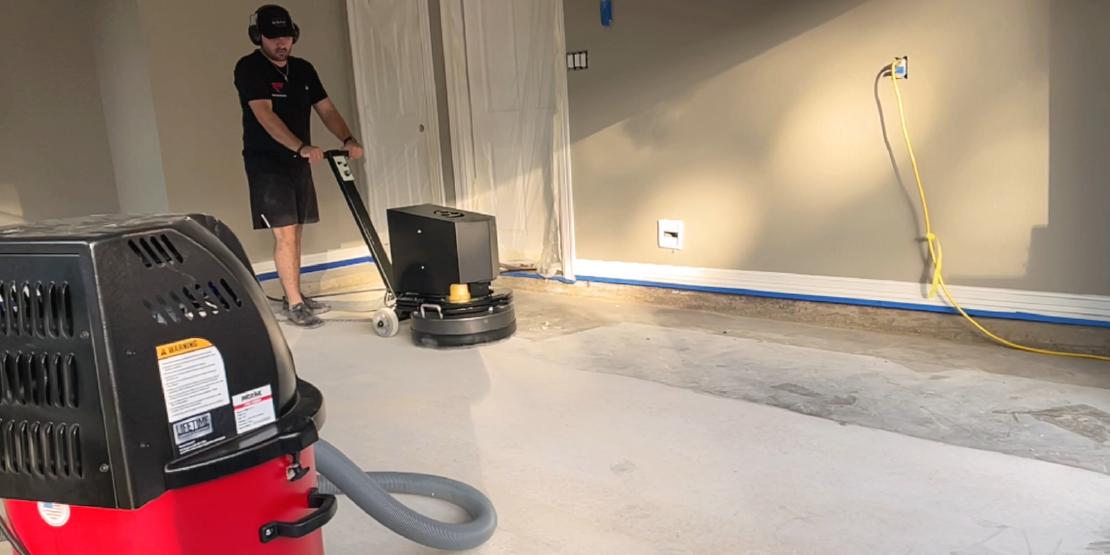
Matching the correct restoration tools to the specific needs and demands of the floor coating ensures not just a clean surface, but also the longevity of the floor’s lifespan. Various kinds of specialized brushes, scrubbers, polishers, and vacuums are among the tools to consider. When it comes to restoration materials, the selection ranges from various types of strippers, finishes, seals, and waxes. It is essential to choose the ones that match the specific needs of the aged coated floor and safe for every subsequent use.
Step-by-Step Guide to Restoring Aged Coated Floors
Firstly, inspect the floor diligently to locate any deep gouges, scratches or cracked areas. These blemishes will need individual attention before the full-scale restoration begins. Once they have been identified, they should be fixed with a filler compatible with the floor material. Afterwards, let the patched areas dry completely. Then make use of sandpaper to level these patched areas until they match the rest of the floor’s surface.
The next step would be to clean the floor thoroughly. A commercial-grade cleaner designed for the specific floor material can achieve optimal results. This process is vital to remove any surface oils or dirt that may hinder the new coating from properly adhering to the floor. After cleaning, give the floor ample time to dry before proceeding. Once the floor is completely dry, the new coating can be applied uniformly, strictly following the product instructions. After application, the coating should be allowed to cure for the recommended period to ensure maximum durability and continued aesthetics. By adhering to this guide, daunting task of restoring aged coated floors become manageable.
Overcoming Challenges in Floor Restoration
Restoring aged coated floors comes with a unique set of challenges that could intimidate even the most experienced DIY enthusiast. The time consumption and physical strain of stripping off an old coating can seem daunting. Moreover, certain damage types, such as deep scratches and surface-level cracks, require meticulous attention and adept handling. Inappropriate restoration techniques could potentially worsen the existing floor condition, leading to an escalation of restoration costs.
Navigating these challenges demands a strategic approach that combines the use of the right restoration tools, adequate knowledge about the floor material, and appropriate restoration techniques. Tender patience is another key necessity, as rushing through the process might lead to damages, missed spots, or uneven application of the coating. The aim is to achieve a uniform, seamlessly restored floor surface that not only enhances the aesthetic appeal but also prolongs the lifespan of the floor. Hence, overcoming challenges in floor restoration involves careful planning, determination, and proper execution of every restoration step.
Effective Strategies for Maintaining Your Restored Floor
Once restoration is complete, it’s critical to implement strategies to maintain your newly renovated floor. Regular cleaning is non-negotiable for the sustenance of the floor’s shine and integrity. The use of appropriate cleaning materials, specifically those recommended by the manufacturer or your professional service, ensures the preservation of the floor’s coating. Regular Cleaning and Use of Appropriate Cleaning Materials are key strategies in floor maintenance.
Another indispensable strategy is prompt repair or re-treatment of any wear or damage noticed. Avoiding procrastination in dealing with minor issues prevents escalation to major problems that might necessitate another round of comprehensive restoration. Moreover, taking preventive steps such as using rugs, pads, or runners in high traffic areas or practicing careful furniture movement contributes immensely to floor maintenance. In totality, Prompt Repairs, Preventive Measures, and Careful Furniture Movement are integral to floor longevity.
Preventing Future Damage to Your Coated Floor
One of the critical aspects of a coated floor’s lifespan is the prevention of damage. Regular upkeep, the use of suitable cleaning products, and prompt repairing of minor damages are beneficial preventive measures. Carefulness in preventing blemishes like scratches and regular inspection for any signs of wear and tear is paramount. The use of proper protective mats or rugs in high-traffic areas also significantly reduces the risk of scuffs, thus extending your floor’s lifespan.
Choosing between refinishing and recoating is another key factor. If your floor displays deeper wear, refinishing may be required, which involves removing the old finish, sanding the bare floor, and applying new finish. In contrast, for minor wear or superficial scratches, recoating would suffice. Therefore, understanding the condition of your coating and taking appropriate action aids in preventing future damage, ensuring that your coated floor remains pristine for years to come.
The Role of Professional Services in Floor Restoration
Engaging a professional service for floor restoration activities proves beneficial in diverse aspects. Among the many advantages they bring to the table, experience and expertise top the list. They ensure that the job gets done accurately, quickly, and efficiently, reducing the chances of errors that might come with do-it-yourself approaches. Their technical proficiency and superior skills also guarantees a flawless finish, potentially adding great value to your space’s overall aesthetics. Professional crews are also unarguably time-effective, eliminating the need for you to devote long downtime hours to the restoration project.
Importantly, professional services employ the use of advanced tools and techniques unknown to the average homeowner. This equipment is often specific to certain types of flooring, ensuring that the right method is used for your particular floor type and condition. Furthermore, professionals also provide a systematically documented follow-up maintenance plan, a beneficial feature that extends the lifespan of your renewed surface. Thus, the role of professional services in floor restoration is invaluable, and indeed marks the difference between an ordinary and extraordinary floor restoration project.
Here are some of the key roles that professional services play in floor restoration:
• Experience and Expertise: One of the significant benefits of hiring professionals for floor restoration is their vast experience and expertise in this field. They know exactly what needs to be done, how it should be done, and when it should be completed. This ensures a high-quality finish without any errors.
• Time-Effectiveness: Professional crews are incredibly time-effective. They complete the project within a stipulated timeframe, eliminating your need to devote long hours or even days to the task.
• Use of Advanced Tools and Techniques: Professionals employ advanced tools specific to different types of flooring materials. These tools not only make sure that the job is done efficiently but also guarantee an excellent finish.
• Customized Maintenance Plan: After completing the restoration process, professionals provide a systematically documented follow-up maintenance plan tailored according to your specific needs. This extends the lifespan of your restored surface significantly.
In conclusion, engaging professional services for floor restoration ensures accuracy, efficiency, aesthetics improvement, time-effectiveness as well as longevity through proper maintenance planning. Therefore, it’s safe to say that their role is invaluable in achieving an extraordinary result on any floor restoration project.
Cost Considerations for Floor Restoration and Maintenance
When embarking on a floor restoration project, careful thought must be placed into the financial components involved. This includes considering several elements such as the cost of professional services, restoration tools, maintenance packages, and frequency of required upkeep. The kind of materials used affects the overall budget too. For instance, high-quality sealers and finishes might require a hefty investment initially, but they will extend the lifespan of the floors, thereby reducing long-term maintenance costs.
Other significant expenses should also be kept in mind, like potential charges for minor repairs ensuing from the removal of the old coating. This, combined with labor costs and the square footage of the area to be restored, could add up to a considerable sum. Thus, it’s crucial to get detailed quotes from different contractors and companies before making a decision. Transparency in costs affords homeowners the opportunity to meticulously plan their budget for floor restoration and ongoing maintenance.
Real Life Examples of Successful Floor Restoration Projects
Recently, a local community hall took on the task of restoring their 100-year-old wooden floors, which had suffered extensive wear over the decades. Despite the initial appearance, the careful restoration process brought back the charm and highlighted the beauty of the original wood grain. The dedicated team employed the use of professional-grade sanding tools, eco-friendly stains, and high-quality sealants. This case highlights the potential of aged floors when handled with appropriate care and skill, turning a time-worn surface into an asset that adds historic charm to the property.
In a different setting, a popular restaurant chain decided to undertake the restoration of their much-abused kitchen floors. The wear was significant due to heavy foot traffic, spillages, droppings and the like. The experts embarked on a meticulous process that included deep cleaning, repairing damaged areas, sealing, and finally, adding a durable top coat. The result was a highly resistant and visually pleasing surface that not only met but exceeded health and safety standards. This instance exemplifies the exceptional results that professional floor restoration can bring to commercial settings.
What are the basics of aged coated floors?
Aged coated floors typically have a surface layer of varnish, paint, or other finish that has worn away over time. This can leave the underlying material exposed and vulnerable to damage.
Why is regular floor maintenance important?
Regular floor maintenance is crucial to prolong the life of your floors. It helps in retaining the shine, preventing damage, and maintaining overall cleanliness.
What are some common problems encountered with aged coated floors?
Some common problems with aged coated floors include scratches, surface damage from furniture movement, discoloration due to sunlight exposure, and damage from chemicals or moisture.
How can I identify signs of wear and tear on my floors?
Signs of wear and tear include fading color, scratches, dents, stains, and an overall dullness of the finish.
What are the appropriate cleaning techniques for aged coated floors?
The appropriate cleaning techniques depend on the type of coating on the floor. However, generally, daily sweeping or vacuuming, regular mopping with a mild cleaner, and periodic professional deep cleaning are recommended.
How do I select the right restoration tools and materials?
The selection of right tools and materials largely depends on the type of your floor and the extent of damage. You may need a range of items from sanders and scrapers to brushes, cleaners, and finish or sealants.
What are the steps involved in restoring aged coated floors?
The steps typically involve assessing the condition of the floor, removing the old coating, repairing any damage, applying a new coating, and letting it dry thoroughly.
What challenges might I face during floor restoration?
Some common challenges include finding the right match for old floor materials, dealing with unexpected damage, and managing the dust and disruption caused by the restoration process.
How can I maintain my restored floor effectively?
Regular cleaning, using furniture pads, avoiding exposure to direct sunlight, and promptly addressing any minor damage can help maintain your restored floor.
How can I prevent future damage to my coated floor?
You can prevent future damage by implementing a regular maintenance schedule, using proper cleaning techniques, and taking precautions like using rugs or mats in high-traffic areas.
What role do professional services play in floor restoration?
Professional services bring in expertise, proper tools, and years of experience. They can assess the condition of your floor, provide appropriate solutions, and ensure the restoration is done correctly and efficiently.
What are the cost considerations for floor restoration and maintenance?
The cost of floor restoration and maintenance can depend on the type and size of your floor, the extent of damage, the materials used, and the professional services involved.
Can you provide some examples of successful floor restoration projects?
In the main article, we have shared several real-life examples where people have successfully restored their aged coated floors, bringing them back to life and adding value to their properties.