
Case Studies: Successful DIY Floor Coating Projects
Understanding DIY Floor Coating Projects
DIY floor coating projects have skyrocketed in popularity due to their affordability, customizability, and the sense of accomplishment they bring. They serve as a promising alternative to professional services, bringing both style and durability to spaces such as garages, kitchens, living rooms, basements, and outdoor patios. These projects involve a process of cleaning, repairing, priming, and finally applying the floor coating. The final result is a sturdy and appealing surface that dramatically enhances the aesthetic and functional value of the allotted space.
Choosing the right materials is a critical step that greatly influences the longevity and look of the finished floor. Epoxy, polyurea, and urethane are amongst the popular choices that offer high-strong surface protection and easy maintenance. Conducting a DIY floor coating project demands an understanding of the material properties, working conditions and desired project outcomes. Although these projects can be wonderful DIY attainments, they also bring with them certain challenges, including surface preparation issues, incorrect application techniques, and potential health risks. Hence, safety precautions, appropriate planning, and learning from others’ experiences play vital roles in the success of DIY floor coating projects.
Importance of Choosing the Right Materials
Finding the appropriate materials for your DIY floor coating project can mean the difference between a successful transformation and an effort that falls short. Quality materials not only provide a superior finish at first glance, but also offer increased durability and longevity. This may reduce the necessity for frequent touch-ups or complete redoing of the project. Thus, investing in premium products from the outset can save both time and money in the long run.
Moreover, the right materials can also greatly impact the project’s difficulty level. High-quality products often have better formulation that aids in smoother application and faster drying times. These aspects can make the job quicker and more manageable, especially for beginners. Ensuring proper research and selection of materials used can essentially make or break the final result, emphasizing the vital role they play in DIY flooring projects.
Step-by-Step Process of DIY Floor Coating
Floor coating is a feasible Do-It-Yourself project that can greatly enhance the aesthetic and functionality of the surfaces at home. Primarily, the process revolves around surface preparation, choosing the right coating, actual application, and providing ample drying time. It can be executed with a bit of planning, the right tools, and understanding the vital steps involved.
The first step to any successful DIY floor coating project is ensuring the surface is clean, dry, and free of any existing adhesives, sealants or old coatings. Thus, the floor needs to be thoroughly scrubbed and rinsed, allowing for proper adhesion of the new coating. Afterward, the homeowner must carefully select a floor coating. It’s crucial to choose a product that suits the aesthetic, practice and climate conditions of the said room or facility. Epoxy and polyurea are popular choices for their durability and customizable colors and textures. Once the floor is prepared and the coating has been chosen, it’s time for application. Ensuring an even spread is key for a uniform look and to avoid pooling. Finally, drying time will depend on the coating used, but generally it is best to let it cure for several days before walking or placing furniture on it.
Featuring a Garage Floor Coating DIY Project
A garage provides shelter for vehicles, storage space for tools, and often doubles as a workspace for various tasks. Its multipurpose use necessitates a sturdy floor able to withstand high foot traffic, heavy machinery, oil spills and more. One high-worth investment that leads to increased longevity, aesthetics, and ease of cleaning is the application of floor coating. A DIY garage floor coating project can give professional results if the right steps are followed.
This particular coating project involved a two-car garage space. The old concrete floor was showing signs of age, with cracks and divots scattered across the surface. Material selection was the first key step, consisting of a high-quality epoxy that provides an industrial-level resistance to harsh conditions. Prepping the floor, an often overlooked phase, was given significant time, ensuring every flaw was filled and the surface perfectly cleaned. The application process required precision to avoid streaks and uneven spots. After close to 48 hours for curing, the garage emerged with a renewed, gleaming surface, transforming it from a normal storage space to a statement-making part of the home.
Transformation of a Basement with Epoxy Floor Coating
With an epoxy floor coating, a dull and underutilized basement can transform into an appealing and practical space. These robust, waterproof coatings adhere directly to cement floors, delivering a smooth and polished surface that refracts light brilliantly to break the typical murkiness of a basement. In addition, they’re highly resistant to oil, bleach, gasoline, cleaners, and transmission fluid, ensuring the basement floor remains stain-free and easy to clean.
The application process for epoxy involves a series of key steps, starting from surface preparation which includes cleaning and power washing to remove dirt, oil, and grease; to crack repair to ensure a seamless finish; and lastly, the actual application of the epoxy mixture. This requires accuracy and a meticulous hand, leaving no room for haste. While the task might seem daunting, with the right tools and materials, it’s a viable DIY project that can add immense value to your home.
DIY Kitchen Floor Coating: A Detailed Account
When it comes to enhancing the aesthetic appeal of your kitchen, floor coating is often underestimated. However, with just some prudent choices and elbow grease, a DIY floor coating project can completely revamp the look of your kitchen. On an account of my most recent DIY undertaking, I embarked on a project to give my tired and worn kitchen floors a fresh, new look using quality, durable floor coating materials.
The initial stage required careful selection of coating materials. The myriad of options may seem daunting at first, but by focusing on my kitchen style and rigorously researching properties such as resilience, glossiness, and stain-resistance, I shortlisted a few. My choice was a high-grade epoxy coating, renowned for its durability and resistance to grease, spills, and constant foot traffic. It was the perfect fit considering my bustling kitchen environment. The coating process, though labor-intensive, was straightforward, only requiring me to pre-clean the floor, apply a primer, followed by the floor coating, and then a sealer to complete the project. This DIY endeavor, although challenging, resulted in a formidable, gleaming kitchen floor that perfectly complemented the rest of my kitchen décor.
DIY Floor Coating: A Living Room Makeover Story
Engaging in a do-it-yourself floor coating task revitalizes the aesthetic of a living room and elicits a certain sense of accomplishment. After years of wear and tear, the rustic hardwood floor in this featured living room had lost its luster, leveling down the overall appearance. The homeowners, eager to give their beloved space a fresh look, decided to opt for a DIY floor coating project.
Before embarking on the project, they thoroughly inspected the expanse of their living room floor, noticing warped planks, protruding nails, and pesky splinters. Armed with a floor leveling compound, they smoothed out inconsistencies and prepared the surface for varnishing. They then selected a high-quality polyurethane coating to provide a durable, glossy, and water-resistant layer on top of the pristine hardwood. With each brushstroke, they skillfully transformed their worn-out living room floor into a polished and inviting space the family could truly enjoy.
An Outdoor Patio Floor Coating DIY Success
A backyard patio serves as a nucleus for family gatherings, so it’s imperative that its floor remains durable and visually appealing. The adventure began when a homeowner decided to undertake a DIY outdoor patio floor coating task. He decided to utilize an epoxy floor coating, widely lauded for its resistance to harsh climactic conditions and slips, and its high durability.
His journey commenced with a meticulous cleaning process, ensuring no dust or dirt was left. The key to a successful coating is the correct mix of epoxy, and he followed the manufacturer’s guidelines to a T. After applying the epoxy, he used a display roller to evenly spread the coating. His patience and precise follow-through of instructions bore fruit. The end result was a beautifully coated floor that elevated his patio’s look, exuding an aesthetic appeal and resilience.
Key Challenges in DIY Floor Coating Projects
DIY floor coating projects are highly rewarding but come with a unique set of obstacles that need to be skillfully managed. One of the fundamental challenges lies in selecting the appropriate floor coating material. From epoxy and polyurethane to acrylic and polyaspartic, the wide array of options can be overwhelming. Add to this the debate on waterborne versus solvent-based coatings, primer requirements, and desired gloss level, the selection process becomes complex. A bad choice could leave you with a scratched, yellowing, or prematurely peeling surface.
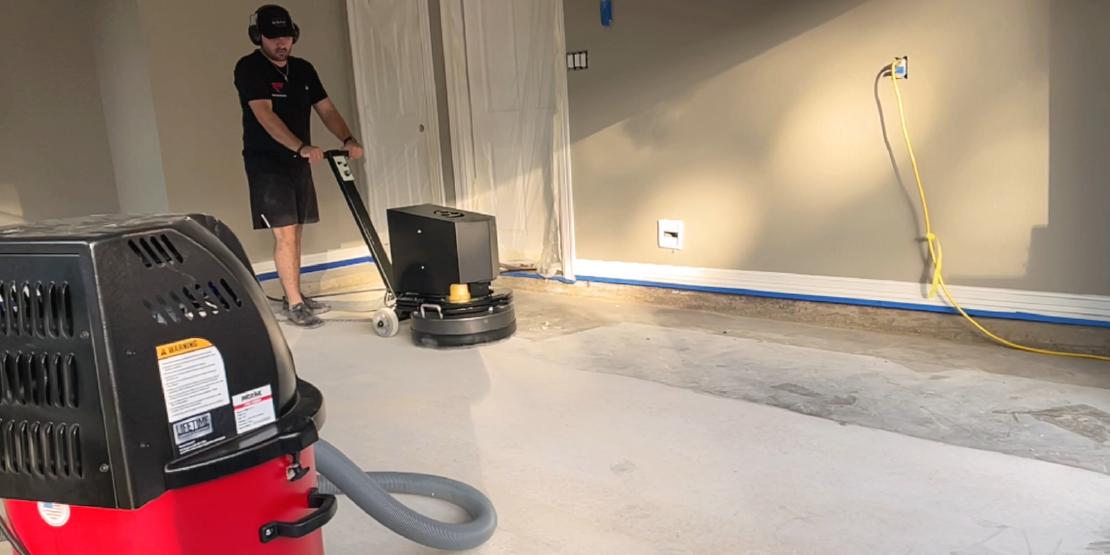
Further, understanding the actual process of coating is key, yet often underestimated. Surface preparation, including cleaning, crack repair, and concrete grinding, are all vital steps, where even the smallest mistake could undermine the whole project. Besides, accurate mixing of components (for two-part coatings), maintaining the optimal temperature, and achieving a ‘just-right’ consistency require precision. In addition, donning appropriate safety gear, managing the fumes triggered during the application, and dealing with the relatively long period of curing, make DIY floor coating a task that necessitates patience and a keen eye for detail.
Overcoming Obstacles: Stories of DIY Floor Coating Victories
Venturing into the world of DIY floor coating can be quite challenging. Many homeowners report facing numerous hurdles, from selecting the appropriate materials, preparation processes, to the application techniques and post-project maintenance. Yet, stories of DIY victories are aplenty, illustrating the resilience and resourcefulness of DIY enthusiasts.
Johnathan Peterson, a homeowner in Chicago, encountered a dilemma with his garage floor coating project. The epoxy paint he initially used was not resistant to hot tire pick up and started peeling off within a few weeks. Undeterred, Johnathan researched extensively and discovered a Polyurea-based product that promised better durability. His second attempt was a massive success, proving that research is an invariably crucial aspect of any DIY projects. Similarly, Martha Jenkins from Texas shared her triumph over creating a beautiful and durable kitchen floor using metallic epoxy. She faced challenges with the application process but persisted and sought professional advice. Her story is proof that determination and patience can overcome the steepest of learning curves in DIY floor coating. • Sarah Thompson from New York also shared her DIY floor coating victory, transforming a dull concrete patio into an outdoor oasis. She initially faced difficulties with the surface preparation and found it challenging to remove old paint and sealers. However, after using a diamond grinding machine and applying a high-quality concrete stain, she was able to achieve professional-looking results.
• Another inspiring story comes from Dan Miller in California who managed to successfully coat his basement floor despite facing several obstacles. The high moisture levels in his basement were causing the previous epoxy coatings to blister and peel off. After researching various solutions, he decided on using a vapor barrier primer before applying the new floor coating. This effectively solved his moisture problem while providing him with an aesthetically pleasing finish.
• In Florida, Lisa Davis took on the challenge of renovating her pool deck area which had been neglected for years. The harsh weather conditions had caused severe wear and tear on the existing surface making it look unattractive and unsafe for use. Lisa chose a slip-resistant acrylic texture product that not only gave her deck a fresh new look but also made it safer for family activities.
In conclusion:
- Research is vital when undertaking any DIY project as Johnathan Peterson’s experience showed.
- Persistence pays off as demonstrated by Martha Jenkins’ successful kitchen flooring project.
- Adequate surface preparation can make all the difference between failure or success as shown by Sarah Thompson’s patio transformation.
- Choosing suitable materials based on specific environmental conditions is crucial; this was evident in Dan Miller’s victory over high moisture levels in his basement.
- Safety should never be compromised during renovation projects; Lisa Davis exemplified this by choosing slip-resistant material for her pool deck renovation.
These stories are clear examples that overcoming challenges related to DIY floor coating projects is possible with research, persistence, proper preparation processes, appropriate material selection based on specific needs or environments, patience during application techniques learning curves and post-project maintenance planning commitment – all while never compromising on safety.
Maintaining Your DIY Floor Coating: Post-Project Care
Proper maintenance is paramount to preserve the aesthetic and structural integrity of your DIY floor coating. After devoting your time and resources, it becomes necessary to establish a regular maintenance schedule to ensure the longevity of your project. This includes daily, weekly, and monthly cleaning rituals that help prevent damage and staining. Utilizing suitable cleaning tools such as a soft broom or a wet-dry vacuum for dust and debris removal is recommended to prevent scratches or gouges.
Apart from routine cleaning, the application of a fresh sealant every few years can aid in preventing wear and tear. This protective layer enhances the durability and color luster of your floors, ensuring they continue to look their best. It’s also beneficial to be mindful of the type of cleaning products and methods used on your coated floors. Certain harsh detergents or abrasive scrubbing may cause unnecessary damage. Therefore, using PH-neutral cleaners and gentle scrubbing techniques can be instrumental in preserving your floor coating’s life span.
Lessons Learned from Successful DIY Floor Coating Projects
Venturing into do-it-yourself (DIY) projects, such as floor coating, can serve as a rich learning experience for homeowners. One key takeaway is the importance of meticulous preparation. Ensuring the floor is thoroughly clean, free from oil or grease stains, smooth, and dry before applying the coating is a critical lesson learned by many. Correct surface preparation is pivotal to achieving the long-lasting, durable finish that epoxy and other floor coatings promise.
Another salient lesson is understanding the need to choose high-quality materials for the best results. This includes everything from the epoxy resin or concrete sealer, to the paint rollers and application tools. Investing in high-quality materials ensures a smoother application process, an unbeatable finish, and expansive longevity of the floor coating. Moreover, it is equally crucial to pay attention to weather conditions and temperature, which have been learned to significantly affect drying time and final appearance.
Tips for Planning Your Own DIY Floor Coating Project
Embarking on a DIY floor coating project involves a range of considerations. First and foremost, ample planning is fundamental. This includes the selection of desired coating material suitable for your floor. It is essential to choose a product that is durable, resilient to wear and tear, aesthetically appealing, and within your budget. Researching product reviews and consulting experts in the field can enable you to make informed decisions.
Equally crucial is the process of preparing your area for the project. For instance, ensuring that the floor surface is clean, dry, and free from any form of debris makes for an effective application of the coating. Similarly, obtaining the correct tools essential for the task and taking accurate measurements of the floor area to be coated is necessary to avert shortages or wastage. Planning should also involve setting realistic timelines for each stage of the project - from preparation, application, to curing. A well-strategized project ensures a smooth application process and a professionally finished result.
What is a DIY floor coating project?
A DIY floor coating project refers to a do-it-yourself project where you apply a protective or decorative layer over a floor. These projects can be conducted in various parts of your home such as the garage, basement, kitchen, living room, or outdoor patio.
Why is choosing the right materials important for DIY floor coating?
Choosing the right materials is crucial because it determines the durability, appearance, and maintenance requirements of your floor. Different materials have different properties, so it’s important to consider factors such as wear and tear, moisture exposure, and the desired aesthetic look.
Can you briefly explain the process of DIY floor coating?
The process typically involves cleaning and preparing the floor, applying a primer (if necessary), applying the coating, and then allowing it to dry. Depending on the type of coating, you might need to apply multiple layers.
How can I maintain my DIY floor coating post-project?
Maintenance will depend on the type of coating used, but generally, it involves regular cleaning to remove dirt and avoid scratches, and occasionally reapplying a topcoat to maintain the floor’s appearance and protection.
What are some common challenges with DIY floor coating projects?
Some common challenges include choosing the right materials, preparing the floor properly, applying the coating evenly, and ensuring the coating dries without bubbles or other defects. It’s also important to consider the weather, as temperature and humidity can affect the drying process.
How can I plan my own DIY floor coating project?
Start by determining the purpose of the project, whether it’s for aesthetic or protective purposes. Research and choose appropriate materials, and gather all necessary tools. Prepare the area to be coated and plan enough time for the coating to dry.
What lessons can I learn from successful DIY floor coating projects?
Successful projects show the importance of preparation, using the right tools and materials, and allowing enough time for the project. They also highlight the satisfaction and cost savings that can come from completing a DIY project.
What are some examples of DIY floor coating victories?
Examples of victories can include successfully transforming a dull garage floor into a shiny, durable surface, or turning a basement floor from basic concrete into a stylish, water-resistant floor. The victories lie not just in the end result, but also in the process of overcoming challenges and learning new skills.