
Case Studies: Successful Floor Coating Applications
Understanding Floor Coating Applications
Floor coatings are an indispensable part of the construction and manufacturing industry. They enhance the longevity of the floors by providing a protective shield against the daily wear and tear. Apart from providing durability, they also play a key role in enhancing aesthetics. These coatings can be tailored to match the specific needs of various industrial applications. Depending upon the requirements, they could be stain resistant, fire resistant, slip resistant and even withstand chemical erosion, thus making floor coatings an instrumental part of ensuring safety and efficiency in the operations.
The process of floor coating application involves methodical planning and execution. Initially, the floor surface must be thoroughly cleaned and prepped to ensure effective adhesion of the coating material. This is followed by the application of primer, which allows the coating to bond effectively with the floor surface. Post the primer application, the actual floor coating is applied, often in multiple layers to obtain the desired thickness and durability. After the final layer is applied, it’s allowed to cure and harden for a certain period of time before the floor becomes ready for use.
The Importance of Floor Coatings in Various Industries
Floor coatings play a pivotal role across a spectrum of industries, markedly enhancing both functionality and aesthetics of facilities. These specialized coatings are designed to protect underlying surfaces from damages caused by heavy loads, abrasion, impacts, and chemical spills. High-performance industrial floor coatings offer excellent resistance to wear and tear, delivering an extended lifespan for floors in demanding environments. Moreover, they also act as a shield against moisture intrusion, hence preventing the growth of mold and fungus which can compromise the structural integrity of the flooring.
In manufacturing and warehouse settings, floor stains and damages can lead to serious accidents, significantly affecting productivity and profit. Ergo, floor coatings are essential for maintaining safety and ensuring smooth operations. Similarly, in industries such as food processing or healthcare, floor coatings with antimicrobial properties are imperative in meeting strict hygiene standards and preventing healthcare-associated infections. Undeniably, the relevance of floor coatings extends far beyond just a superficial application, significantly contributing to the operations and safety of industries.
Key Components and Characteristics of Floor Coatings
Floor coatings are primarily composed of two essential components; a base and a curing agent. These two components work together to form a robust layer of protection on the floor surface. The base or resin often determines the coating’s specific properties, such as whether it’s epoxy, polyurethane, or acrylic. The curing agent, also referred to as hardener, induces a chemical reaction that allows the coating to solidify and adhere firmly to the floor’s surface. These components can be versatile in their formulations, enabling a wide array of coating options suitable for different environments and floor conditions.
As for the characteristics of floor coatings, they are broadly recognized for their strength, durability, and ability to resist certain chemicals. Industrial floor coatings offer a solid barrier against heavy foot and machinery traffic, helping to prevent wear and maintain the floor’s structural integrity. They also provide a safe and hygienic surface, being easy to clean and resistant to bacteria and mold proliferation. Another defining feature is their enhancing effect on aesthetics, allowing for a variety of colors and finishes that can thus complement the interior design schemes. Concurrently, these coatings are famously resistant to heat, moisture, and stains, demonstrating a well-rounded profile of beneficial attributes.
Examining the Process of Floor Coating Application
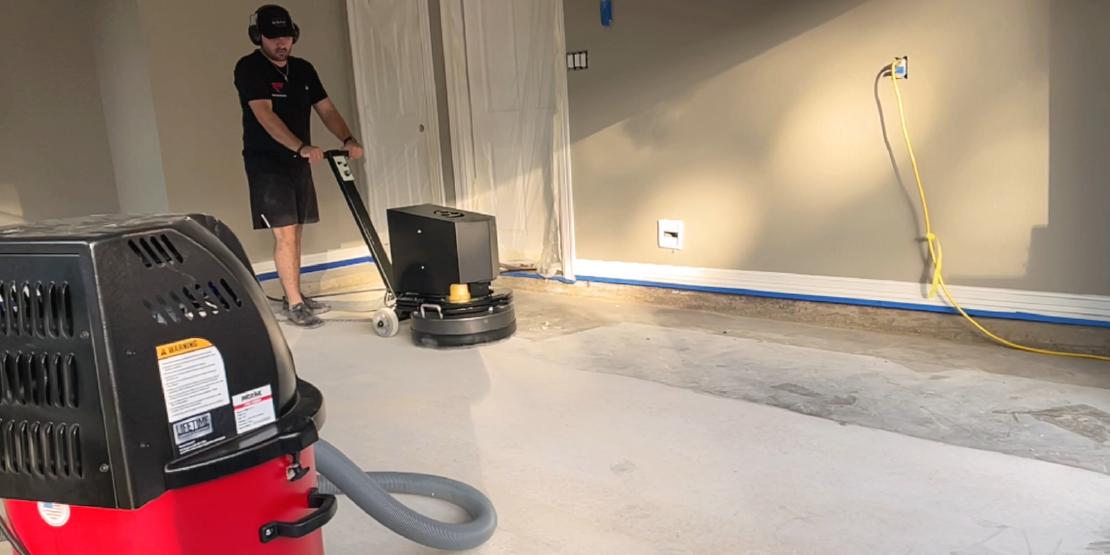
The first step in the floor coating application process involves surface preparation. This stage is vital to the system’s success as it ensures the substrate is clean, dry, and defect-free, facilitating proper adhesion of the coating. Surface preparation involves deep cleaning and grinding for smoother textures, removal of old paint layers, filling gaps, and uncovering potential issues such as cracks. This guarantees the surface is devoid of substances that might impede adhesion, such as grease, oil, or dust, resulting in a standardized, uniform surface.
The subsequent stage concerns the selection and application of the appropriate floor coating. Various flooring solutions cater to different settings considering the intended use, traffic, and environment of the space. Factors such as slip resistance, impact resistance, chemical resistance, and appearance play crucial roles in determining the ideal coating. The chosen floor coating is then applied in layers, ensuring each is fully cured before proceeding with the next. This methodical layering process culminates in a resilient, durable floor system capable of withstanding daily wear and tear.
The Role of Floor Coating in Improving Durability and Aesthetics
Floor coatings play an instrumental role in extending the lifespan of floors in residential, commercial, and industrial settings. By adding a protective layer on the surface, they defend against abrasion, chemical spills, and other forms of physical damage that could degrade the underlying material. The durability provided by these coatings offers substantial cost savings in the long run, reducing the need for extensive repairs or premature replacement.
In addition to their practical benefits, floor coatings significantly enhance the aesthetic appeal of spaces. They are available in a variety of colors, textures, and finishes to cater to diverse design preferences and requirements. The transformative effect of professionally applied floor coatings results in environments that are not only more resistant to wear and tear, but also visually striking. Whether it’s a glossy finish for a showroom floor or a matte look for a cozy café, the versatility of floor coatings ensures that every space radiates a unique charm.
Analyzing the Success of Floor Coating in the Manufacturing Industry
The manufacturing industry thrives on efficiency and safety; two parameters greatly aided by the successful application of floor coatings. High-performance floor coatings provide the heavy-duty functionality required in manufacturing environments, while ensuring heightened safety, boosted efficiency, and improved aesthetics. Manufacturing plants often grapple with various issues tied to their flooring system such as stains, scratches, cracks and even catastrophic failure this is where floor coatings step in.
In an industry where adherence to compliances and operational capabilities can’t be compromised, floor coatings offer extensive benefits. Be it vibrantly colored epoxy applications designating different workflow areas for optimal personnel movement or anti-slip polyurethane coatings markedly reducing onsite accident risks, the manufacturing industry continues to leverage the potential of floor coatings. As the industry’s success thrives on preventive maintenance and operational continuity, the durability and ease of maintenance offered by floor coatings prove incredibly beneficial. Resistant to spillage of various industrial chemicals, these coatings safeguard the base flooring structure, proving their worth in various manufacturing setups.
How Floor Coating Enhanced Safety in the Food Processing Industry
A significant breakthrough in the food processing industry has been the prolific use of floor coatings. These sophisticated materials not only offer durability, but they also positively impact workplace safety. Robust floor coatings provide a slip-resistant surface that mitigates accidents, protecting employees from potentially hazardous fall injuries. This factor is crucial in an industry where the work environment may be greasy or wet, significantly increasing the propensity for mishaps.
In addition, food processing plants often deal with destructive elements such as chemicals, acids, and high temperature variances, all of which can compromise the integrity of the floor. However, utilizing specialized floor coatings bolster resistance against such factors, maintaining a safe environment for workers. Reports have emerged of a significant reduction in workplace injuries and increased worker productivity since the introduction of these high-end floor coating solutions. Indeed, the revolutionizing safety enhancements brought by floor coatings cannot be overlooked in the food processing industry.
The Impact of Floor Coating in the Health Sector
The health sector places immense importance on having clean, properly maintained facilities, vitally crucial for hospitals, clinics, medical labs, or pharmacies. In these environments, floor coatings have proven essential, offering a significant impact on both functionality and health standards. The use of high-quality floor coatings contributes to maintaining cleanliness, preventing potential contamination that could be hazardous to both staff and patients. Additionally, their robust nature renders maintenance more manageable, ensuring a sanitary environment that aligns with healthcare regulations.
Key players in the health sector are continually seeking practical solutions for reducing the risk of bacterial and viral spread - a priority highlighted more in the COVID-19 era. Specific floor coatings containing antimicrobial technologies help meet this demand. These coatings create an inhospitable environment for bacteria, fungi, and other microorganisms, thus enhancing the overall safety of medical facilities. Beyond this, smoother floor coatings minimize trip and fall risks, simultaneously improving aesthetics and creating a more welcoming environment for patients.
How Floor Coating Proved Beneficial in the Automotive Industry
In the automotive industry, floor coatings have proven to be an invaluable asset. The industry is characterized by intense mechanical operations, usage of heavy machinery, and high traffic. Such conditions naturally wear down the surfaces – a setback that is effectively curbed through the application of floor coatings. They provide a resilient, durable surface resisting abrasions, chemicals, and pressure.
In addition, safety becomes a major concern in such an environment, with the risk of accidental slippages and trips escalating due to oil, grease, or other lubricants. The implementation of floor coatings, particularly with anti-slip properties, significantly reduces these hazards. Moreover, their seamless and impervious nature facilitates ease in maintaining cleanliness, a mandatory requirement in automotive factories for efficient machinery operation and high-quality production.
The Role of Floor Coating in the Retail Sector
In the retail sector, meticulous attention to detail directs every aspect of the consumer experience, from the layout and lighting to the color and texture of the floor. Hence, floor coatings have increasingly been recognized as a vital component to both the operational functionality and visual appeal of retail facilities. Finding the correct floor coating can enhance the aesthetics of the retail space, create an inviting environment and lure more customers. Floor coatings can range from glossy, reflective finishes that brighten the retail area to matte finishes that exude a warm, inviting ambiance.
Apart from aesthetics, floor coatings also play a significant role in promoting safety in the retail sector. High-quality, durable floor coatings provide a safe, non-slip surface that prevents accidents and injuries. They are also highly resistant to stains and damage from heavy foot traffic, spills, dropped merchandise, and equipment, ensuring seamless operations. Significantly, in the retails sector, where cleanliness is paramount, floor coatings serve as a line of defense against pathogens, as they are easy to clean and maintain. Overall, floor coatings in the retail sector are not merely an aesthetic choice but a strategic one, impacting safety, maintenance, and customer experience.
Reviewing the Long-Term Benefits of Successful Floor Coating
Successful floor coating applications come with a myriad of long-term benefits. The most prominent benefit is durability. A construction site built without appropriate floor coating considerations may bear the burden of high replacement and maintenance costs. These costs arise due to the damage from heavy machinery, constant foot traffic, and exposure to a range of potentially harmful substances. However, with a proper floor coating, the floor becomes more resistant to such damages, resulting in a prolonged lifespan and significantly reduced maintenance costs.
Another standout benefit of floor coating extends to the safety aspect. Coated floors do not only possess an appealing aesthetic quality, but they also tend to be slip-resistant and easy to clean, making them a perfect fit for industries such as food processing and healthcare, where hygiene and safety are of paramount importance. Moreover, in sectors like automotive and manufacturing, floor coatings prevent accidents that could be triggered by oil spills and other hazardous substances. Therefore, successful floor coating applications play a significant role in providing safe and effective working environments across various industries.
Challenges Overcome Through Successful Floor Coating Applications
Industry sectors, especially those involved in heavy-duty activities such as manufacturing, automotive, and food processing, often face considerable challenges with the longevity and safety of their floorings. Structural damage, chemical corrosion, and wear and tear are some of the significant issues that can greatly compromise efficiency and productivity. However, these challenges have been effectively tackled through successful floor coating applications. This has not only improved the durability of the floors but also ensured a safer and cleaner environment for employees.
Variety, versatility, and adaptability are key components of successful floor coating applications which have made this possible. Different types of coatings are tailored to specific requirements, such as those with special properties to resist chemical spillage, heat resistant coatings for areas exposed to high temperatures, and anti-slip coatings to prevent accidents and injuries. Furthermore, the right application of coatings, powered by technology, ensures a seamless and uniform finish that significantly increases the lifetime of industrial floorings. This, in turn, results in cost savings and a higher return on investment for the businesses.
Practical Tips and Best Practices for Successful Floor Coating
Planning is a key component in the successful application of floor coatings. It is crucial to think ahead, analyzing the existing floor condition, identifying any repair needs, and preparing the floor surface fully before application. This includes cleaning, drying, and grinding the floor surface to achieve a high-quality finish. One surefire practice is to run comprehensive tests to ascertain the readiness of the floor for coating–moisture tests and adhesion tests are notably valuable.
Utilization of high-grade materials and equipment is equally as important. The quality of the coating product and the tools used for application have a direct impact on the outcome. It’s recommended to choose wear-resistant, durable floor coatings with properties that match the needs of the area. For instance, anti-slip coatings are excellent for high-traffic areas while chemically resistant coatings work best in areas exposed to harmful substances. Experienced professionals should be engaged to ensure correct application techniques. Honesty, patience, and attention to detail during the application process significantly improve the longevity and effectiveness of the floor coating.
What are the different types of floor coatings?
There are numerous types of floor coatings including epoxy, polyurethane, acrylic, and polyaspartic coatings. Each of these coatings has unique characteristics and is suited to different applications.
Why are floor coatings important in industries?
Floor coatings are crucial in industries as they provide a durable and resilient surface that can withstand heavy traffic, mechanical wear, chemical spills, and other harsh conditions typically found in industrial settings. They also enhance the aesthetics of the space and can contribute to safety by reducing slip and fall incidents.
How does the floor coating application process work?
The floor coating application process begins with preparing the surface, which can include cleaning, repairing any damages, and roughening the surface to create a strong bond. Then, the coating material is mixed and applied to the floor. It is allowed to cure for a specified period before it is ready for use.
How does floor coating improve durability?
Floor coatings provide a protective layer that shields the floor from wear and tear, scratches, chemical spills, and other damage that can degrade the floor over time. This leads to a longer lifespan for the floor.
What benefits does floor coating offer in the manufacturing industry?
In the manufacturing industry, floor coatings can enhance safety by providing a slip-resistant surface. They can withstand the heavy machinery and traffic typical in these settings, and they resist chemicals, oils, and other substances that can damage the floor.
How has floor coating improved safety in the food processing industry?
Floor coatings used in the food processing industry are often antimicrobial and easy to clean, contributing to a hygienic environment. They also provide a slip-resistant surface, reducing the risk of accidents.
How does floor coating benefit the retail sector?
In the retail sector, floor coatings can significantly enhance the aesthetics of the space, creating a more welcoming environment for customers. They are also durable and easy to clean, which is crucial in high-traffic areas.
What are some challenges that can be overcome through successful floor coating applications?
Some challenges that can be addressed through successful floor coating applications include dealing with high-traffic areas, resisting chemical spills, preventing slip and fall accidents, and maintaining an aesthetically pleasing environment.
Could you share some practical tips for successful floor coating?
Sure, first, it’s crucial to properly prepare the surface before applying the coating. This can include cleaning, repairing any damages, and roughening the surface. Also, ensure to choose the right type of coating for your specific needs and follow the manufacturer’s instructions for mixing and applying the coating. Lastly, allow the coating to cure for the specified time before using the floor.