
Case Studies: Successful Industrial Floor Coating Projects
Understanding Industrial Floor Coating
Industrial floor coatings play a pivotal role in safeguarding the integrity and functionality of a facility’s workspace. These specialized, durable surface layers are designed to withstand heavy traffic, resist chemicals, repel dust and debris, and consequently, prolong the lifespan of the concrete substrates. Challenging environmental conditions, chemical spillage, and heavy machinery usage are unavoidable aspects of most industry settings, hence the need for robust floor coatings.
Moreover, industrial floor coatings lend themselves to aesthetics and cleanliness, contributing to the overall workspace appeal. They are available in a versatile range of colors and finishes, allowing for customization per visibility requirements, industry standards, and brand identity. Additionally, certain floor coatings offer antimicrobial properties which are highly beneficial in food, beverage, and pharmaceutical industries as they promote hygiene and minimize the risk of contamination. Thus, the importance of quality industiral floor coating cannot be overstated.
The Importance of Quality Floor Coating in Industries
One simply cannot overstate the significance of high-quality floor coating in industrial environments. This aspect serves as the foundation of daily activities and is integral to ensuring safety, efficiency, and durability in the workspace. Optimal floor coatings are often resistant to chemicals, abrasions, and impacts, providing a robust yet flexible surface to withstand the testing conditions that characterize various industries.
Aside from its immediate functional benefits, superior industrial floor coating plays a crucial role in the longer-term economic viability of business operations. It reduces repair and maintenance expenses by standing up well to heavy traffic and physical demands, thereby extending the life of the floor significantly. Furthermore, a well-installed, quality floor coating can enhance visibility in the workspace, contributing to increased productivity and safety.
Examining a High-Traffic Warehouse Flooring Solution
The industrial environment of a warehouse is notably high-traffic, demanding a robust and hard-wearing flooring solution. Warehouses typically encompass vast spaces that require the loading, unloading, and transport of goods, often using heavy machinery. The flooring thus needs to endure the repeated stress of forklifts, pallet jacks, and sometimes even larger vehicles. Crucially, the floor coating choice can significantly contribute to the efficiency of operations, maintenance requirements, and longevity of the warehouse structure.
One modern solution often chosen for such applications is epoxy floor coating. Epoxy floor coating presents a compelling array of advantages including its exceptional strength, toughness, and resistance to chemicals, abrasion, and even moisture. This type of coating forms a seamless and robust layer over the concrete substrate, offering superior quality and performance for heavily used floors. Also, with an added attribute of improved light reflectivity, it often proves conducive to a safer, brighter, and more productive workspace. Furthermore, advanced epoxy formulations can also possess anti-slip properties, thereby augmenting overall safety.
Highlighting a Food Processing Facility Floor Upgrade
Within this industry, the quality and durability of floor coatings determine the smoothness of operations and overall productivity. Facilities specializing in food processing require floors that can withstand heavy machinery operation, damp conditions and rigorous cleaning processes. Therefore, floor upgrades in these facilities should focus on improving resilience and sanitation. The selection of high-quality, slip-resistant floor coatings contribute significantly to this upgrade.
One notable example is a particular facility that recently invested in an epoxy floor coating for their refrigeration unit. The priorities were determined to be both the endurance of sub-zero temperatures and the ability to sustain tough cleaning regimes. Accommodating the frequent temperature fluctuations common in such environments, this advanced floor solution has shown excellent abrasion resistance as well, demonstrating the transformational power that a carefully chosen floor upgrade can have on a food processing facility.
Showcasing a Chemical Industry Floor Coating Solution
Industrial environments, such as chemical industries, face unique flooring challenges. Chemical exposures, abrasive wear, temperature fluctuations, and heavy machinery operation can all contribute to floor deterioration. An effective floor coating solution can make a significant difference by providing a reliable, resilient, and long-lasting surface suited to these harsh conditions. A worthy example of such an upgrade was recently witnessed in a major chemical plant.
The plant, dealing with a range of volatile substances, opted for an epoxy-based floor coating. This high-performance material offers a robust defense mechanism against chemical spillages, corrosion, and mechanical impact. It also enhances aesthetics by offering a glossy finish, creating a cleaner and brighter workspace. Application of the coating was done professionally, with careful consideration to cure times to allow optimal bonding with the concrete substrate. This transformation has led to a significant improvement in the plant’s daily operations.
Detailing a Successful Automotive Factory Flooring Renovation
The dynamic conditions in an automotive factory necessitate a durable and robust floor coating. A recent renovation project in a renowned car manufacturing facility emphasized these factors, employing an innovative epoxy floor coating solution. Not only did this high-grade epoxy provide a sturdy, long-lasting surface, but it also elegantly improved the overall aesthetic of the factory. Key components in this successful transformation were surface preparation and expert application, vital in ensuring the floor coating’s longevity.
The renovation project didn’t just positively transform the appearance of the factory; the improvements went deeper, impacting the workers and the factory’s overall efficiency. Post-renovation, the factory has reported a noticeable reduction in accidents. The upgraded, non-slip floor coating played a significant role in this achievement, enhancing the safety of the workers. Moreover, the streamlined surface facilitated easier movement and efficient operations, attesting to the critical role of quality floor coating in an automotive factory setting.
Benefits Realized from a Successful Industrial Floor Coating Project
Industrial floor coating projects, when executed successfully, can provide a multitude of benefits to the facility they serve. For starters, coatings offer enhanced durability and longevity to floors that regularly encounter high traffic, heavy machinery or hazardous chemicals. This increased resilience can save businesses significant costs in repair and replacement over the long term. Furthermore, a well-applied coating serves to strengthen the underlying surface, effectively safeguarding it from potential damage.
A secondary but equally vital advantage of high-quality industrial floor coatings lies in their contribution to safety and efficiency. These coatings often have anti-slip properties that dramatically lessen the risk of workplace accidents. Similarly, certain types of industrial floor coatings are specifically tailored to withstand extreme temperatures or chemical spillages, thereby securing a safer environment for employees. Also, with color-coding strategies, floor coatings can streamline workflows and ensure smooth operations by directing traffic in a systematic way. Meanwhile, a bright, glossy finish can also improve lighting conditions by enhancing surface reflectivity, thereby boosting both efficiency and morale.
Challenges Encountered in Industrial Floor Coating Projects
Industrial Flooring projects don’t come without their fair share of complications. One of the major hindrances in this process is the curing time associated with the application of floor coatings. This constraint demands an interruption in operations, causing a temporary halt in productivity that many facilities can ill-afford. In a high-paced, output-driven environment such as a car factory or pharmaceutical lab, time is a precious commodity and any disruption could lead to potent cost implications.
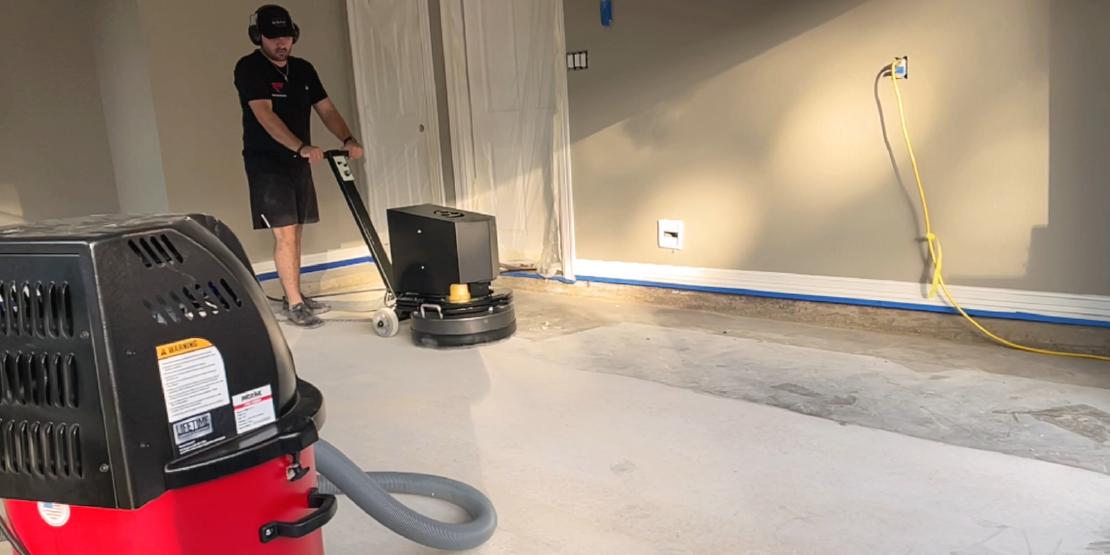
Another integral challenge lies within the adherence of the coating to the concrete substrate. The presence of moisture, oil, or existing coating could prevent the new coating from properly bonding, leading to peeling and flaking over time. The inconsistencies and imbalances of the floor surface also interfere with the coating’s efficacy and lifespan. Therefore, meticulous surface preparation is paramount to ensure a proper bond and long-lasting result. However, this process is often time-consuming and requires specialized equipment, further exacerbating the issues mentioned above.
The Role of Professionalism in Floor Coating Projects
Industrial floor coating projects demand an incredibly high level of professionalism, especially given their intricate nature and the safety implications associated with them. It entails not just the technical know-how and experience, but also a diligent, proactive approach to engage with everyone involved in a project - from suppliers to installation teams - to ensure successful completion. It certainly goes beyond simply applying a coat on a surface; it involves understanding the unique requirements of the client, the operational conditions, and the substrate condition, all of which are crucial to recommending the most ideal coating system.
Experts in industrial floor coating projects possess a deep understanding of a vast array of products available in the market, and can narrow down to the best fit, without compromising on either longevity or durability. The process also necessitates thorough planning and rigorous tests to guarantee lasting satisfaction for the client. They abide by strict time frames and budgets, without any compromise on quality and safety. Professionals, therefore, play a critical role in ensuring that these aspects transcend throughout the project, subsequently enhancing the success rate.
Exploring a Pharmaceutical Industry Floor Coating Transformation
The pharmaceutical industry demands some of the highest levels of cleanliness and hygiene among all industries. Floor coatings in this sector play an instrumental role in maintaining these stringent standards. An ideal pharmaceutical floor coating should not only be easy to clean but also resistant to a host of chemical agents. Furthermore, they should bear the ability to withstand heavy loads and have a non-slip surface, ensuring the safety of the workforce.
One notable instance of a successful transformation in pharmaceutical floor coating revolves around the use of epoxy resin. Known for its durability and high resistance to chemical spills, epoxy resin has emerged as a popular choice in such demanding environments. An added advantage of this material is its seamless nature, which eliminates cracks and crevices where dirt and germs might accumulate. This fundamental feature makes epoxy resin a game-changer, aiding in maintaining the much-needed hygiene levels in the pharmaceutical industry.
The Impact of Floor Coating on Safety and Efficiency
Floor coatings greatly influence the safety measures within industrial environments. High-quality floor coatings provide a non-slip surface that can significantly reduce the risk of accidents. In industrial settings where heavy machinery and equipment are frequently in use, these coatings become even more vital. Floor coats that are resistant to chemicals, oils, and other common industrial substances can reduce the likelihood of slips, falls, and other hazardous incidents.
Equally important is the impact of floor coatings on operational efficiency. Considering the high traffic typical in industrial settings, an inadequate or damaged floor can cause delays and downtime. A well-installed floor coating provides a smooth, durable surface that allows for the free movement of personnel and equipment. With a high-grade floor coating, industrial operations can run smoothly, meeting production targets while minimizing potential safety risks.
Insights Gained from Successful Floor Coating Projects
Following a scrutinization of various successful industrial floor coating projects, some critical insights surface that can guide future undertakings towards success. One paramount observation lays emphasis on the need for initial comprehensive assessment before project commencement. An elaborate understanding of the floor’s current state, level of deterioration, and the impact of industrial operations on the floor is of utmost importance. It is indispensable to choose the correct coating material, taking into account the environmental influences related to the workplace, from humidity to potential exposure to chemicals.
Simultaneously, it becomes lucid that teamwork plays a pervasive role in the effective implementation of industrial floor coating projects. Professionals from different backgrounds - from contractors, engineers, to industrials hygienists - need to collaborate for the optimal outcome. A clear and detailed communication among team members at all phases fosters comprehensive planning and efficient execution. Meticulous scrutiny of successful projects underlines that whilst time-consuming, diligent preparation paves the road for a well-executed and long-lasting industrial floor coating project.
Key Takeaways from Industrial Floor Coating Success Stories
The implementation of industrial floor coating comes with numerous rewarding benefits which can drastically transform the ambiance of workplaces and reinforce operational efficiency. High-quality floor coating solutions increase the durability of industrial floors, enabling them to withstand the rigors of demanding industrial activities. Their resistance to damage from heavy machinery, abrasion, and chemical spills ensures a long-lasting lifespan, saving businesses hefty repair or replacement costs in the long run. Effortless maintenance is another substantial takeaway, given these floor finishes only require simple cleaning routines to preserve their appealing aesthetic and robust structure, therefore, reducing expenditure on advanced cleaning supplies or professional services.
When it comes to safety measures, industrial floor coatings significantly contribute to fostering a safer working environment. Non-slip finishes are essential in preventing workplace accidents, notably in areas prone to contamination by liquid spills or other slippery substances. Moreover, they strategically facilitate the demarcation of specific zones, hence promoting safer movement and more organized operations within the premises. The application of these coatings results in a well-constructed, bright and reflective surface that enhances visibility, effectively aiding to minimize incidents related to poor lighting conditions. As seen from numerous successful stories, the attainable merits of adapting high-grade industrial floor coatings are undeniably substantial and far-reaching.
What is the importance of industrial floor coating?
Industrial floor coating is vital for industries because it enhances safety, efficiency, and aesthetics of the floor. It can withstand heavy traffic, resist chemical spills and dampness, and is easy to clean and maintain.
Can you provide an example of a high-traffic warehouse flooring solution?
A high-traffic warehouse flooring solution involves the use of durable and resistant epoxy or polyurethane coatings. These coatings can handle heavy machinery traffic, resist abrasion and are quick to install and maintain.
How can floor coating improve a food processing facility?
Floor coatings in a food processing facility can enhance hygiene and safety standards. They are resistant to bacterial growth, easy to clean and can withstand heavy machinery and high-temperature washdowns.
How does floor coating benefit the chemical industry?
In the chemical industry, floor coatings provide resistance to chemical spills or leaks, enhancing safety and reducing the risk of floor damage. They also offer easy maintenance and improve the overall look of the facility.
What improvements were seen in the automotive factory after flooring renovation?
The automotive factory reported increased efficiency, safety, and durability after installing a high-quality floor coating. It also resulted in an aesthetically pleasing environment which can boost worker morale.
What are the challenges encountered in industrial floor coating projects?
Challenges in industrial floor coating projects can include dealing with existing floor damage, selecting the right coating material, managing downtime during installation, and ensuring proper maintenance post-installation.
How does professionalism play a role in floor coating projects?
Professionalism in floor coating projects ensures high-quality installation, proper handling of materials, adherence to safety standards and timely completion of the project.
Can you narrate a success story of a pharmaceutical industry floor coating transformation?
A pharmaceutical industry transformed its facility by installing a high-quality epoxy floor coating. It improved the lab’s cleanliness, resistance to chemical spills, and overall appearance, contributing to better working conditions and productivity.
How does floor coating impact safety and efficiency?
Floor coating enhances safety by providing a slip-resistant surface, reducing the risk of accidents. It improves efficiency by offering easy maintenance, durability, and resistance to damage from machinery or chemical spills.
What are some insights gained from successful floor coating projects?
Some insights from successful floor coating projects include the importance of using high-quality materials, the need for professional installation, and the benefits of regular maintenance. These projects also highlight the positive impacts on safety and efficiency in various industries.
Can you summarize the key takeaways from industrial floor coating success stories?
Key takeaways from industrial floor coating success stories include the significant role floor coating plays in enhancing safety and efficiency, the varied benefits across different industries, the importance of choosing the right coating material, and the value of professional installation and maintenance.