
Case Studies: Transformations with Commercial Floor Coatings
Understanding the Significance of Commercial Floor Coatings
In the sphere of commercial infrastructures, floor coatings act as a significant factor in ensuring long-lasting protection and enhanced aesthetics for concrete surfaces. Acting as a barrier against wear and tear, they not only preserve the structural integrity but also elevate the visual appeal through their glossy finish. From warehouses and manufacturing hubs to retail stores and restaurants, commercial floor coatings lend a touch of durability and sophistication to every setting.
Keeping pace with the challenges of heavy traffic, chemical spills, and abrasive materials, commercial floor coatings translate into a sound investment for property owners. The potency of these coatings is further accentuated by the diverse range they come in, including epoxy, polyurethane, and acrylic, each offering distinct benefits and specialized usage scenarios. Thus, realizing the significance of commercial floor coatings becomes imperative in setting a stage for effective maintenance and performance of commercial flooring.
Delving into the Types of Commercial Floor Coatings
Commercial flooring is more than just a base layer; it ensures safety, boosts efficiency, and enhances the aesthetics of a workspace. Foremost among the various types of commercial floor coatings available in the market are epoxy, polyurethane, and acrylic. Their unique properties allow them to fulfill specific demands across diverse applications. These floor coatings are incredibly versatile and customizable to match the requirements of various sectors, including hospitality, healthcare, retail, and industrial spaces.
Epoxy Floor Coatings are recognized for their durable, resistant nature and high load-bearing capacity, proving indispensable in areas exposed to heavy industrial machinery and high foot traffic. The protective ‘seal’ created by the epoxy improves the lifespan of the floor, reduces maintenance and, simultaneously, enhances its aesthetic value. Polyurethane Floor Coatings offer excellent resistance against chemicals, abrasion, and excess temperature variations. They retain their original color and gloss for extended periods, refracting away harmful UV rays that can lead to discoloration. Finally, Acrylic Floor Coatings, known for their faster drying times, provide a reasonable balance between cost and performance. They extend a good level of resistant to dirt, moisture, and mild chemicals, making them a popular choice for commercial premises.
Analyzing the Benefits of Epoxy Floor Coatings
One of the most talked-about and utilized commercial floor coatings in today’s market is epoxy due to its numerous benefits. This type of coating boasts excellent chemical, heat, and slip resistance. Epoxy coatings can withstand extensive wear and tear, this resilience makes them fitting for high-traffic areas such as industrial buildings, warehouses, garages, and commercial kitchens. They are lauded for their durability while also being easy to clean, aiding in maintaining hygiene standards in various industries.
Further, epoxy floor coatings are often appreciated for the versatility they offer. One can customize the look with a wide array of colors, textures, and patterns. Beyond aesthetics, epoxy offers the unique advantage of improving brightness in a facility. It demonstrates a high light reflectivity rate, often illuminating spaces up to 300%. This functionality reduces the need for additional lighting fixtures, thereby potentially contributing to substantial energy savings in the long run. Epoxy floor coatings, hence, are a multi-faceted solution to many commercial flooring concerns.
Exploring the Advantages of Polyurethane Floor Coatings
Stepping into the world of polyurethane floor coatings, some of their most significant advantages are immediately obvious. They are incredibly durable, which makes them an ideal choice for high-traffic areas. Their resistance to impact and abrasion means they can handle the wear and tear of commercial settings effortlessly. Moreover, they exhibit excellent resilience to chemicals, making them a top pick for environments where chemical spillage is a likelihood.
Another standout advantage is the variety of finishes, catering to an extensive array of aesthetic preferences. Polyurethane coatings come in high-gloss, semi-gloss, and matte finishes, each with its distinct appeal. Also noteworthy is their ability to mitigate the yellowing effect that prolonged exposure to sunlight can cause – a resistance that makes them perfect for sections with abundant natural light. Quite fascinatingly, despite their hardwearing nature, these coatings have a more flexible and elastic attribute compared to their epoxy counterparts, hence providing a slight cushioning effect which is highly appreciated in commercial establishments.
Highlighting the Uses of Acrylic Floor Coatings
Acrylic floor coatings are pervasively used in an array of commercial settings due to their unique features and resilience. Owing to their UV resistance, they are especially favoured for outdoor applications, including playgrounds, patios, and driveways. These coatings also find extensive employment in warehouses, retail stores, offices, and restaurants, as they can easily endure high foot traffic and are relatively simple to maintain.
The versatility of acrylic floor coatings extends to their usage over decorative concrete as well. This coating can protect the aesthetics of the concrete, preventing discolouration and maintaining the concrete’s visual appeal. In settings such as showrooms or art galleries, where visual aesthetics are paramount, these illumination enhancers play a crucial role. Over the years, these coatings have emerged as a favourite choice for commercial flooring due to their wide range of applications and unmatched durability.
Unveiling Real-Life Transformations with Epoxy Coatings
Within the realm of commercial flooring, epoxy coatings have been instrumental in effecting dramatic transformations. Typically defined by their toughness, durability, and visually appealing nature, these coatings are often the preferred choice for diverse enterprises, right from the manufacturing sector to retail outlets. These establishments have witnessed an overhauling of their visual identity and functional aesthetic courtesy of epoxy coatings. With their potential for customization, businesses can blend aesthetics with functionality, thereby adding a layer of sophistication to their workspace.
Ground-breaking renovations attained through the use of epoxy coatings are no longer confined to business zones alone. Numerous residential spaces and educational institutions have also embraced this technology, reaping the benefits of its robustness and high tolerance to traffic and abuse. Schools, for instance, have ingeniously adopted colored epoxy floorings to demarcate specific zones within their premises. Homes, on the other hand, have used these coatings to revitalize their garages, turning utilitarian zones into visually pleasing spaces, amplifying both appeal and value. These are but a few real-life transformations catalyzed by epoxy coatings.
Showcasing Success Stories with Polyurethane Coatings
Polyurethane floor coatings stand unrivaled in terms of brightness retention and resistance to abrasion. Case in point is the transformation of a large warehouse whose floors had been subject to heavy and constant traffic. After applying polyurethane coating, not only did the industrial unit witness enhanced durability of the floor, but it also noted a remarkable improvement in brightness, overall aesthetics and resistance to abrasions. In this case, polyurethane proves its superiority and effectiveness as a floor coating.
Another successful application of polyurethane coatings can be seen at a major retail outlet. Known for its footfall, the outlet was grappling with unsightly, worn-out flooring. Upon application of polyurethane coating, the outlet not only revived its floor’s appearance, making it more appealing to visitors, but also installed longer-lasting, resistant flooring. Hence, polyurethane coatings proved to be a game-changer, demonstrating their inherent benefit in commercial settings.
Revealing the Impact of Acrylic Coatings in Commercial Settings
Acrylic coatings are often overlooked, but they play a significant role in various commercial settings. Their inherent properties of clarity, UV resistance, and quick-drying capabilities make them a preferred choice for numerous applications. Predominantly used to enhance visual aspects, these coatings offer a glossy finish, thereby improving the aesthetic appeal of commercial spaces.
However, the benefits of acrylic coatings extend far beyond aesthetics. They offer a seamless layer of protection to the floors, effectively combating the wear and tear that inevitably occurs with high foot traffic. Additionally, these coatings are known for their higher resistance to stains and corrosions, which contributes to increasing the longevity of the floor surface. In environments where hygiene and cleanliness are paramount, acrylic coatings can create a surface that is easier to clean and maintain, as well as more resistant to bacteria and fungus. In the industrial sector, acrylic coatings play an integral role in providing protection to machinery and equipment. They offer a barrier against environmental elements such as moisture, heat, and chemicals that can cause damage or corrosion over time. Moreover, these coatings are known for their excellent adhesion properties which ensure they remain intact even under harsh conditions.
• Acrylic coatings provide clarity and UV resistance: This makes them ideal for use in commercial settings where visual appeal is crucial. The clear coating allows the natural beauty of the material beneath to shine through while also offering protection from harmful UV rays.
• Quick-drying capabilities: Acrylic coatings dry quickly which reduces downtime during application processes. This is particularly beneficial in commercial environments where operations need to be resumed as soon as possible.
• Enhances aesthetic appeal: Apart from providing a protective layer, acrylic coatings also add a glossy finish that enhances the overall look of commercial spaces.
• Offers seamless protection to floors: In high-traffic areas, floor surfaces are prone to wear and tear. Acrylic coatings offer a durable layer of protection that effectively combats this issue.
• High resistance to stains and corrosions: These characteristics increase the longevity of floor surfaces by protecting them from various damaging factors like spills or chemical reactions.
• Promotes hygiene & cleanliness: In settings where maintaining cleanliness is critical (like hospitals), acrylic coated surfaces are easier to clean and more resistant against bacteria & fungus growths.
In conclusion, acrylic coats have multiple advantages beyond just improving aesthetics; they contribute significantly towards enhancing durability, promoting hygiene standards and ensuring long-term cost effectiveness in various commercial settings.
Decoding the Process of Applying Commercial Floor Coatings
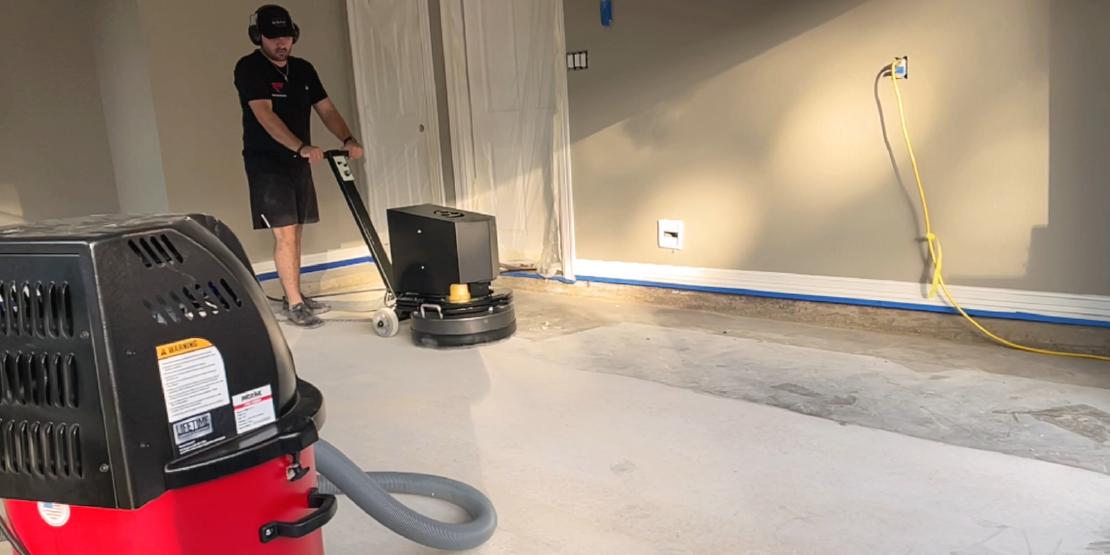
Every commercial floor coating process begins with due preparation of the area. This stage involves clearing the site of debris and carrying out a comprehensive cleaning. Subsequently, a thorough inspection is undertaken to identify any surface damage such as cracks, fissures, or stains. These maladies, if any, are then repaired using appropriate techniques before proceeding further with the coating procedure. When the floor is clean and repaired, the process of etching begins which ensures a stronger bond between the floor and the coating.
The actual application of the professional grade commercial floor coating happens in several layers. Initially, a primer is applied which seeps into the pores of the concrete to blend seamlessly with the substrate. The second layer that is applied is the body coat which provides the floor its aesthetic value besides durability and resilience. This coat is followed by the broadcast layer to add texture and character to the surface. Finally, a top coat is applied to seal all the previous layers and offer impeccable finishing. Noteworthy here is that each layer is given ample time to dry completely before the successive coat is applied.
Insights into Maintenance and Care of Commercial Floor Coatings
Maintenance and care play a critical role in prolonging the lifespan and enhancing the durability of commercial floor coatings. Typically, these coatings are designed to withstand heavy foot traffic and harsh environmental conditions, but without proper maintenance, they can deteriorate over time. High-quality commercial floor coatings, such as epoxy, polyurethane, and acrylic, require specific care procedures to preserve their aesthetics and performance capabilities. Regular cleaning, for instance, prevents the accumulation of dirt and debris that can scratch and damage the coating surface, while timely repairs can address minor issues before they escalate into significant problems.
In addition to regular cleaning and repair, protective measures can extend the service life of commercial floor coatings. For instance, using matting at entrances can help trap sand, grit, and other abrasive materials that can erode the coating layer. Spillages, particularly corrosive or staining substances, should be cleaned up immediately to prevent surface damage. Specialized maintenance products designed for the specific coating type also prove instrumental in retaining the coating’s original shine and lustre. Crucially, routine inspections help identify signs of wear or damage, enabling immediate corrective action and thereby avoiding costly, extensive repairs in the future.
Discussing Cost-effectiveness and ROI of Commercial Floor Coatings
In the realm of commercial floor coatings, cost-effectiveness is a primary consideration. These coatings, especially options such as epoxy, polyurethane, and acrylic varieties, present an initially higher cost when compared to traditional floor options. However, this investment can be quickly offset by the long-term benefits. These coatings are known for their durable nature, reducing the necessity for frequent repairs or replacements that would otherwise inflate maintenance costs.
The Return on Investment (ROI) when it comes to commercial floor coatings is considerably high. Understanding ROI involves examining the lifespan and maintenance cost of the floors as well as factoring in their resistance to damage. With the longevity and strength offered by epoxy, polyurethane, and acrylic coatings, businesses can optimize their costs and focus resources elsewhere. Thereby, a higher ROI can be achieved with these commercial floor coatings.
Highlighting Sustainability Aspects of Commercial Floor Coatings
In today’s world, sustainability has become a critical consideration for businesses. Commercial floor coatings are no exception to this trend, with advancements in technology allowing for more eco-friendly solutions. Different types of floor coatings, such as epoxy, polyurethane, and acrylic, provide varying levels of environmental impact. The shift towards more sustainable options is a testament to the industry’s commitment towards reducing its carbon footprint and promoting green alternatives.
Epoxy and polyurethane coatings, in particular, offer significant sustainability benefits. Their durable nature implies less frequent replacements, thereby reducing waste and manufacturing impact. These coatings also have low volatile organic compound (VOC) emissions, making them a healthier choice for both the environment and the building’s occupants. The rise of water-based and solvent-free coating options further emphasizes the increasing focus on sustainability within the commercial floor coating industry. Similarly, acrylic coatings, while less durable, are highly recyclable and offer another alternative for more sustainability-conscious businesses.
Future Trends in Commercial Floor Coatings.
The landscape of commercial floor coatings is continuously evolving. As the demand for longevity, durability and aesthetic appeal increases, innovative trends start to shape the industry. Sustainability, for instance, is a growing focus, with the development of environmentally-friendly materials such as water-based epoxy coatings and plant-based polyurethane. Alongside, there is an upsurge in tailored solutions intended to meet the diverse needs and challenges of various industries.
In terms of aesthetics, a form-follows-function design philosophy is anticipated. It is characterized by seamless surfaces, minimalist designs, and subtle colors that resonate with contemporary architectural styles. The implementation of smart technologies in coating compositions is being explored for floor coatings that respond to environmental factors, potentially offering self-cleaning or heat-retaining properties. Another trend to watch out for is the shift towards greater use of antimicrobial floor coatings, especially in healthcare and food production facilities, driven by the increased need for hygiene and cleanliness.
What is the significance of commercial floor coatings?
Commercial floor coatings are essential in enhancing the durability and aesthetic appeal of commercial spaces. They offer protection for the floor from wear and tear, chemical spills, and heavy traffic, extending the lifespan of the floor and maintaining its look.
What are the types of commercial floor coatings?
The most common types of commercial floor coatings are epoxy, polyurethane, and acrylic. Each has unique properties and benefits, making them suitable for various commercial settings.
What are the benefits of epoxy floor coatings?
Epoxy floor coatings are known for their durability, resistance to chemical spills, and ease of maintenance. They also provide a high-gloss finish that can enhance the brightness of an area.
What are the advantages of polyurethane floor coatings?
Polyurethane floor coatings offer excellent resistance to abrasion and chemicals. They are also UV stable, and do not yellow or fade when exposed to sunlight.
What are the uses of acrylic floor coatings?
Acrylic floor coatings are often used in areas with moderate traffic due to their quick drying times and resistance to UV radiation. They’re also a popular choice for decorative finishes.
How are commercial floor coatings applied?
The application process of commercial floor coatings typically involves surface preparation, primer application, coating application, and finally, curing.
What care and maintenance do commercial floor coatings require?
Regular cleaning and occasional re-coating are essential in maintaining commercial floor coatings. It’s also important to promptly address any damages to prevent further deterioration.
How cost-effective are commercial floor coatings and what is their ROI?
Commercial floor coatings are cost-effective as they significantly extend the lifespan of the floor, reducing the need for expensive replacements. They also improve the aesthetic appeal of commercial spaces, potentially increasing the property’s value.
What are the sustainability aspects of commercial floor coatings?
Many commercial floor coatings are environmentally friendly, with low VOC emissions. They also reduce the need for frequent floor replacements, contributing to sustainability.
What are the future trends in commercial floor coatings?
Future trends in commercial floor coatings include the use of eco-friendly materials, the development of coatings with enhanced durability and resistance, and the increased use of decorative finishes to enhance the aesthetic appeal of commercial spaces.