
Chemical Resistant Coatings: A Detailed Analysis
Understanding Coating Resistance to Various Substances
The application of special coatings to a variety of surfaces provides critical protection from harmful substances. A fundamental property of these coatings is resistance, which determines how well they can withstand exposure to various elements. Resistance can be categorized based on specific substances including liquids, UV radiation, abrasion, corrosion, and other factors. In this context, the capability to repel water, resist chemical action, endure high temperatures, or deter physical wear and tear becomes a crucial aspect of evaluation for these coatings.
Each type of resistant coating is designed for different use-cases and has its unique formulation that helps it stand against specific substances. For instance, corrosion-resistant coatings are typically used in marine or industrial environments, where surfaces are regularly exposed to moisture and other corrosive elements. Abrasion-resistant coatings, on the other hand, are engineered to prevent material loss due to physical wear and are typical of mechanical or heavy-duty industrial usage. Understanding these different resistance properties is key to choosing the right coating for your particular needs. • Corrosion-resistant coatings: These types of coatings are typically used in marine or industrial environments. They offer protection to surfaces that are regularly exposed to moisture and other corrosive elements. The unique formulation of these coatings helps them resist the damaging effects of corrosion, increasing the lifespan and maintaining the integrity of the surface underneath.
• Abrasion-resistant coatings: Engineered specifically to prevent material loss due to physical wear, these types of coatings are typical for mechanical or heavy-duty industrial usage. Their special composition allows them to withstand high levels of friction without wearing away, thereby protecting the underlying material from damage.
• UV resistant coating: This type of coating shields materials from harmful ultraviolet radiation. It is commonly applied on outdoor structures such as building facades, vehicles, and signage that are frequently exposed to direct sunlight. By repelling UV rays, this coating prevents discoloration and degradation caused by sun exposure.
• Chemical resistant coating: Designed with a specific formulation that resists chemical action, this type is often used in laboratories, factories or any environment where surfaces may come into contact with potentially harmful chemicals. It provides an extra layer of safety by preventing chemical-induced damages like staining or erosion.
• Heat resistant coating: Ideal for use in high-temperature conditions such as engine parts or kitchen appliances; heat resistant coatings can endure extreme temperatures without cracking or peeling off hence preserving both appearance and functionality.
Understanding these different resistance properties will guide you towards choosing the right protective coating according your specific needs – be it combating harsh weather conditions outdoors; ensuring durability against physical wear-and-tear; safeguarding against potential chemical hazards; enduring high temperature settings; shielding against destructive UV rays etc., each has its own set applications based on their respective capabilities.
The Importance of Resistance in Coatings
Coatings play a crucial role in many industries, with their ability to resist various elements being among their most valuable characteristics. This resistance can differ greatly, ranging from resistance to physical wear and tear, to more specialized resistances such as chemical, thermal, or UV. It’s worth noting that selection of a proper resistant coating can enhance the lifespan and performance of the coated material significantly.
On a microscopic level, resistant coatings work by providing a barrier, shielding the underlying material from the influences of its environment. Hence, the coated object, be it metal, plastic, wood, or any other material, remains undamaged and retains its original properties. In certain industries, this resistance is not just a matter of longevity but a necessary factor to ensure safety and productivity.
Types of Resistant Coatings and Their Uses
In the realm of surface protection, various types of resistant coatings serve a plethora of uses. Abrasion-resistant coatings, for instance, are engineered for surfaces that undergo significant wear and tear, such as industrial machinery parts or vehicle surfaces. Their primary function is to protect such surfaces from damage caused by constant abrasive forces. Simultaneously, chemical-resistant coatings ensure safety in environments with exposure to harsh and corrosive chemicals. They are commonly applied in industries such as oil, gas, and chemical processing plants where equipment’s longevity is paramount.
Temperature-resistant coatings, also known as high-temperature coatings, are designed to withstand extreme heat conditions without losing their structural integrity or aesthetics. These are favored in industries like aerospace, automotive, and cooking utensil manufacturing. In contrast, corrosion-resistant coatings are formulated to guard against oxidation caused by moisture exposure, making them vital for marine, architectural, and manufacturing applications. Each type of coating plays an integral role in maintaining the durability and extending the lifespan of materials in their respective industries.
The Science Behind Resistant Coatings
In the world of material science, resistant coatings get their strength from the principle of repellence, a unique interaction between the coating substance and the offensive agent. The coatings are engineered to repel water, oil, dirt, chemical, biological agents, and even ultraviolet (UV) radiation. This fundamental science behind resistant coatings relies heavily on the property of the coated material less attractive to various substances, hence providing resistance.
On a microscopic level, the formulation of resistant coatings involves complex structural modifications aimed at giving stable and uniform coverage. For instance, hydrophobic or water-resistant coatings are designed with drastically reduced polar surface free energy, making it difficult for water to make a bond or hold onto the surface. Similarly, anti-corrosive coatings are infused with inhibitors that interfere with the electrochemical reaction that would lead to oxidation or corrosion. Over time, these resistant coatings have been perfected to deliver optimal resistance for various substances.
Manufacturing Process of Resistant Coatings
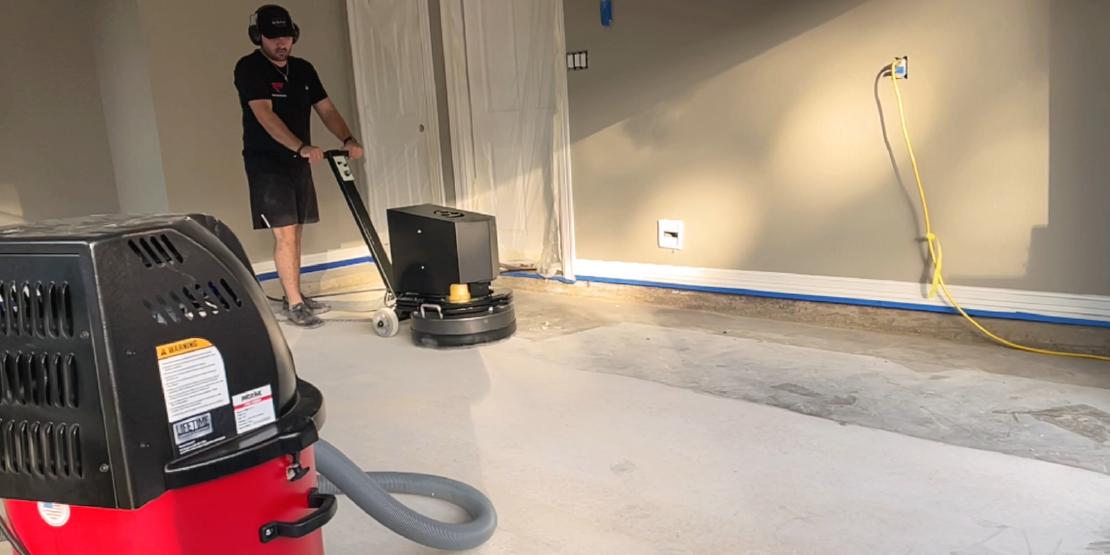
Fabrication of resistance coatings involves numerous intricate measures, each tailored to produce specific properties that allow the coat to protect from various challenges. These processes often start by preparing the surface to be coated, involving cleaning, sanding, or otherwise altering the surface to ensure optimal adhesion. After surface preparation, the coating material, often a blend of polymers, resins, additives and, in many cases, specialised elements, is carefully applied using a variety of techniques including spraying, rolling, or even electrostatic application.
The key in this phase is controlling the application parameters like thickness, temperature, and drying time. These can significantly influence the coating’s final properties, such as its hardness, resistance to specific substances, and longevity. Control parameters like bake-out temperature and time play a significant role in curing the coating, determining its final properties. Furthermore, in certain applications, particularly in high-performance environments, multiple layers of different types of coatings may be applied, each with a specific function. Post-application, various tests are often performed to verify the coating’s adherence and resistance properties.
Assessing Performance of Resistant Coatings
Performance assessment of resistant coatings is a key aspect in determining their viability and durability. The performance examination typically entails a thorough testing process on these protective layers under various conditions. Abrasion tests, adhesion tests, impact resistance tests, hardness tests, and corrosion resistance tests are some commonly employed methods.
Successful performance primarily hinges upon how well these coatings emanate resistance against different environmental factors and wear and tear. Each coating type has unique performance standards and parameters, primarily dictated by their chemical composition and intended use. Notably, the environment in which the coatings are applied also play a vital role in their overall performance.
Benefits of Using Resistant Coatings
Resistant coatings offer ample benefits, ensuring the longevity and durability of surfaces thus enhancing a product’s lifespan. Furthermore, they provide significant protective functions, such as shielding surfaces against damage from environmental factors, including weather variations, chemicals, salt, moisture, and UV radiation. Key benefits include the reduction of maintenance costs, as surfaces treated with resistant coatings demand fewer repairs and retain their aesthetic appeal for more extended periods. Their utilization also results in superior product performance, indispensable in industries where corrosion and wear may hinder function and safety.
Coatings resistant to heat and flames bear immense significance in industries, like aerospace, where temperature extremes are a constant. Simultaneously, in sectors such as healthcare, anti-microbial resistant coatings play a vital role, limiting the spread of infections and ensuring greater safety. These coatings also promote sustainability by preventing pollution and contamination that might otherwise result from surface deterioration. By preserving the functionality and visual appeal of a range of materials, resistant coatings increase the product value, consequently creating a positive influence on consumer satisfaction and perceptions.
Limitations and Challenges with Resistant Coatings
Although resistant coatings provide significant benefits, they also come with certain limitations. One common drawback is the high cost of raw materials and the manufacturing process. The production of these protective substances often necessitates the use of expensive, specialized tools and processes, leading to higher retail prices. Additionally, the performance of resistant coatings can be inconsistent, depending on the external factors such as temperature and humidity, which can affect their longevity and effectiveness.
The challenges concerning resistant coatings often surface during their application. The surface pre-treatment, precise coating application, and curing process can all be complex and time consuming. Moreover, resistant coatings can often be sensitive to minor physical changes causing defects like peeling, blistering, or cracking. Thus, the need for skilled personnel and meticulous attention to detail during application becomes paramount. The environmental impact of these coatings, ranging from usage of hazardous materials to waste disposal, poses yet another major challenge.
The Role of Resistant Coatings in Different Industries
Resistant coatings serve a vital function across a wide range of industries. They enhance durability, extend product lifespans and provide protection against numerous environmental conditions. In the automotive industry, resistant coatings are applied to car bodies and parts to prevent rusting and wear caused by moisture and salt. While in the construction sector, these coatings are used to prolong the life of steel and concrete structures, shielding them from harsh weather and chemical exposures.
In the pharmaceutical and healthcare sectors, antimicrobial resistant coatings are employed on medical devices and in hospital settings, contributing to the prevention of disease transmission. Additionally, the electronics industry uses protective films to shield circuit boards from moisture, dust, and heat, preventing damage and ensuring long-term performance and functionality. Thus, resistant coatings are indispensable components in a myriad of industries, directly contributing to product longevity and safety.
Maintaining and Caring for Resistant Coatings
Proper maintenance is essential for extending the lifespan and retaining the effectiveness of resistant coatings. Regular inspection plays a crucial role in determining the state of the coating, enabling timely interventions when necessary. It helps identify any signs of wear or damage, such as blisters, flakes, or cracks in the coating, which might compromise the coating’s resistance properties. Immediate corrective actions following the manufacturer’s guidelines can safeguard the integrity of the coating and uphold its performance.
In terms of care, cleaning is a fundamental aspect to consider. Resistant coatings typically repel a variety of substances; however, accumulated dirt or foreign materials might eventually affect their resistance capabilities. Therefore, periodic cleaning using suitable cleaning agents and methods recommended by the manufacturer is beneficial. It is equally important to avoid aggressive cleaning techniques that may inadvertently damage the coating. Remember, the overarching goal is to preserve the inherent qualities of the resistant coating while ensuring it continues to serve its purpose effectively.
Innovations and Advancements in Resistant Coatings
Recent years have demonstrated significant technological advancements in the field of resistant coatings. A prime example is the development of ‘self-healing’ coatings. They contain micro-capsules filled with healing agents that crack open upon impact or abrasion, thus filling in the damage and preventing corrosion. Engineers have also pioneered multi-functional coatings, which in addition to furnishing resistance against environmental or industrial factors, can provide other benefits such as anti-microbial characteristics or enhanced mechanical properties.
Cutting-edge research has also brought forth nano-engineered coatings. Crafted with the precision of nanotechnology, these genetically enhanced coatings are engineered to exhibit superior resistance against varying physical and chemical adversities. Another groundbreaking development is the creation of bio-inspired coatings. They mimic naturally occurring resistant properties like the self-cleaning characteristics of lotus leaves. Such innovations continue to push the boundaries of sophisticated protective barriers and amplify the potential applications of resistant coatings.
Environmental Impact of Resistant Coatings
The environmental footprint of resistant coatings is an area gaining notable attention in recent years. While these coatings offer significant benefits, their production and disposal methods have raised considerable concerns about their impact on nature. The use of volatile organic compounds (VOCs) in the manufacture of some coatings is a primary concern. These compounds contribute to air pollution by forming ground-level ozone, a major component of smog, that leads to a variety of health and environmental effects.
The push for sustainable solutions has led to the development of environmentally friendly coatings. While further research is ongoing, early advancements are promising. Waterborne coatings, for example, are gaining prominence due to their minimal release of VOCs. However, the complex nature of these coatings often requires careful consideration in terms of application and performance. Striking the balance between protective performance and environmental responsibility remains an ongoing challenge in the coatings industry.
Choosing the Right Resistant Coating for Your Needs
Determining the suitable resistant coating requires thorough understanding of the environmental conditions to which the coated material will be exposed. This entails both physical elements such as temperature, humidity, and exposure to sunlight, as well as chemical factors like contact with acids, alkalis, or salt sprays. In addition, the substrate or material to be coated also significantly impacts the selection process. Different coatings adhere and perform differently on various surfaces such as metal, wood, plastic, or concrete.
The intended lifespan of the coated object can equally influence the choice of resistant coating. If the object is meant to have a short lifespan, an economical coating with moderate resistance may suffice. However, for objects with a longer lifespan, premium coatings that offer superior resistance may be more appropriate. Further, the application process and coating cost are other crucial factors to consider. While some coatings can be easily applied with a brush or a roller, others may require specialized equipment or professional application. Products may also vary widely in price range, echoing the saying that “you get what you pay for”. It’s essential to align your resistant coating choice with the project’s budget, without compromising on necessary quality or performance criteria.
What are the factors to consider in understanding coating resistance to various substances?
The factors to consider include the type of substance the coating is exposed to, the length of exposure, and the physical conditions such as temperature and pressure.
Why is resistance important in coatings?
Resistance in coatings is crucial to ensure durability and longevity. It helps to protect the underlying material from damage due to exposure to elements like acids, alkalis, water, heat, and more.
Can you give some examples of different types of resistant coatings and their uses?
Examples of resistant coatings include epoxy coatings used for chemical resistance, polyurethane coatings used for UV and weather resistance, and zinc coatings used for corrosion resistance.
How is the resistance in coatings achieved scientifically?
The resistance in coatings is achieved scientifically through the addition of specific additives and the manipulation of the chemical structure of the coating to withstand different types of exposure.
What are the benefits of using resistant coatings?
Resistant coatings protect the underlying material from damage, extend the lifespan of the product, offer aesthetic enhancement, and can provide safety features like fire resistance.
What limitations and challenges are associated with resistant coatings?
Resistant coatings can sometimes be more expensive, may require special application processes, and may not be suitable for all types of surfaces or environments.
How do resistant coatings play a role in different industries?
Resistant coatings play a vital role in various industries. For instance, they provide corrosion resistance in the automotive industry, chemical resistance in the chemical processing industry, and weather resistance in the construction industry.
What are some ways to maintain and care for resistant coatings?
Regular cleaning, inspection for damage, and periodic re-application of the coating can help maintain its resistance properties.
Could you tell me about some recent advancements in resistant coatings?
Advancements in resistant coatings include the development of eco-friendly options, the creation of self-healing coatings, and the use of nanotechnology to enhance resistance properties.
What is the environmental impact of resistant coatings?
The environmental impact of resistant coatings can vary greatly. Some coatings may contain harmful chemicals, while others are created to be eco-friendly. It’s important to consider the environmental impact when choosing a resistant coating.
How do I choose the right resistant coating for my needs?
Choosing the right resistant coating involves considering factors like the type of material to be coated, the specific resistance needed, the environmental conditions, and the cost. Consulting with a coating specialist or manufacturer can also be helpful.