
Chemical Resistant Coatings for Laboratories and Processing Plants
Understanding the Importance of Protective Layers in Industrial Settings
In the realm of industrial settings, the critical role of protective layers cannot be underestimated. These layers, often termed ‘coatings,’ essentially work as barriers that safeguard critical machinery and infrastructure from the ravages of harsh operational conditions. They are formulated to resist factors such as corrosion, chemical spillage, high temperatures, and even mechanical wear and tear. Indeed, these coatings ensure the longevity of the industrial equipment, thereby preventing expensive replacement or repair costs.
There’s another important aspect to consider: the safety factor. In laboratories and manufacturing units, workers frequently deal with volatile substances and challenging environmental conditions. Protective coatings on lab tools, containers, manufacturing machines, and even floors and walls substantially reduce the risks posed by accidental spills, reactions, or excessive heat. It’s clear therefore, that these coatings not only protect equipment, but also contribute significantly to the safety of human life inside these settings.
The Science Behind Resistance to Corrosive Substances
Corrosive substances pose a significant threat to machinery, materials, and infrastructure in numerous industrial environments. These substances, whether they are chemicals used in industrial processes or naturally occurring elements like oxygen and water, can degrade materials, leading to a reduction in their efficiency, structural integrity, and lifespan. Thus, it necessitates the use of protective coatings and layers that exhibit remarkable resistance to such adversities - a necessity brought to life by scientific considerations and developments.
At the heart of these protection techniques is the science of material chemistry. Corrosion resistance is typically achieved through the careful selection and application of materials that either prevent corrosive substances from reaching the underlying material or create a reaction product that slows the corrosion process. This depends heavily on the understanding of chemical reactions and interactions between substances. The protective layer material must be inert or minimally reactive with the corrosive substance, ensuring that the integrity and functionality of the underlying structure are maintained even in highly challenging environments.
Fundamentals of Coating Materials Utilized in Labs and Manufacturing Units
Coating materials, crucial in labs and manufacturing units, offer a frontline defence from potential chemical and physical damages. These protections range from corrosion-resistant coatings like epoxy and polyurethane, to wear-and-tear-resistant options like ceramic and metallic coatings. The primary function of such coatings is to create a barrier between the equipment’s surface and the external environment, thereby enhancing the life expectancy of the equipment. These materials come with a variety of specifications, each tailor-made for different operational environments. Therefore, making an informed selection proves essential for the maintenance and efficiency of various industrial applications.
Application methods of these coatings are equally critical in dictating their performance and endurance. Techniques such as spraying, dip coating, spin coating, and brush coating are commonly employed, each offering varying levels of thickness and finish as per the testing requirements. Also, the preparation of the surface before the application of the coating is paramount. Pre-treatment processes, predominantly cleaning and degreasing, ensure the removal of any residual substances, facilitating the firm adhesion of the coatings. Thus, it’s not only the type of coating material but also the precise application method that strengthens the protective layers’ efficiency in labs and manufacturing settings.
Examining the Durability and Lifespan of Protective Coatings
Protective coatings play a pivotal role in industrial settings thanks to their resilience and long-lasting durability. In most cases, these protective layers are designed and tested to withstand severe operational conditions. This involves continuous exposure to corrosive substances, varying temperatures, and mechanical wear and tear. Corrosion resistance, thermal endurance, and mechanical longevity constitute key factors in assessing the durability of protective coatings.
Despite continuous exposure to seemingly harsh operational conditions, protective coatings can, astoundingly, have extended lifespans. The lifespan of these coatings can typically last for several years depending on the severity and frequency of environmental stressors. Additionally, using highly resistant materials in their formulation can further enhance the durability and lifespan of the coating. Hence, the selection of suitable coating materials proves to be vital in determining the coating’s overall longevity and durability.
The Role of Protective Coatings in Ensuring Safety in Laboratories
Protective coatings play an indispensable role in maintaining safety standards within laboratory settings. They act as an integral shield against harmful substances, mitigating the risk of accidents, contamination, and exposure to hazardous chemicals. Whether it’s protection against acid spills, caustic compounds, or volatile solvents, these coatings develop a barricade, reducing direct contact and potential corrosion. This minimizes the risk of equipment failure, incidentally fostering a safer working environment for laboratory personnel.
In addition, protective coatings enhance the longevity of laboratory instruments. They resist wear and tear, combat environmental factors, and reduce the frequency of maintenance, effectively minimizing operational interruptions. High-quality protective layers also offer resilience against temperature extremes, adding an additional safety level in laboratories dealing with high-heat procedures or cryogenics. These factors contribute to a safer, more efficient laboratory environment, underscoring the significant role that protective coatings play in such settings.
Benefits of Using Resistance Coatings in Processing Environments
In a processing environment, the utilization of resistance coatings offers a myriad of benefits, key among them being the protection of underlying material from harmful agents. Corrosion, tarnish, or any other environmental damage can considerably shorten the lifespan of equipment and machinery, leading to costly replacements or repairs. Consequently, resistance coatings serve as a protective shield, reducing the detrimental effects of such agents on surfaces, thereby increasing both the durability and integrity of critical equipment.
Additionally, they significantly enhance efficiency in manufacturing processes. By reducing friction and other surface-related hindrances, resistance coatings enable smooth operation, minimizing downtime and preventing loss of output. Moreover, well-chosen and appropriately applied coatings can also protect employees and the wider environment from potential hazards, such as toxic fumes or leaks, demonstrating their crucial role in ensuring both safety and productivity.
Types of Protective Layers Suitable for Different Operational Conditions
Protective coatings come in a myriad spectrum, each engineered for specific environmental and operational conditions. While some are designed to resist high temperature exposure, others exhibit supreme performance under tremendously corrosive environments. The key is to understand the different types of protective layers and their associated characteristics. High-temperature coatings, for instance, can withstand environments of extreme heat, making them an ideal choice for industries like metallurgy, automotive, aerospace, or factories housing gas turbines. Other types of layers, such as chemical resistant coatings, are widely used in labs, industries dealing with harsh substances, pipelines, and storage tanks and can effectively prevent damages from acids, alkalis, and other corrosive chemicals.
On the other hand, industries operating in marine conditions or moist environments require layers that can resist the damaging effects of continuous exposure to water and salt. These corrosion-resistant coatings provide a tightly-bound, impenetrable surface that prevents moisture penetration. Another prevalent option includes wear-resistant coatings that shield the surface from abrasion caused by rough handling or continuous use. These are usually preferred in heavy-duty industries or machinery-intensive operations. In certain specialized fields like electronics, ceramic or electrically-resistant coatings create an insulation from electric current, protecting sensitive electronic components. With the right protective layer in place, industries can significantly enhance their operational lifespan, maximize safety, and remain functional even under challenging environments.
Choosing the Right Protective Layer for Your Industrial Needs
In the industrial world, it is crucial to select a protective layer that aligns with the specific needs of a facility’s operations. Variables such as the type of substances being handled, working temperatures involved, the mechanical intensity of operations, and the exposure to highly reactive substances, significantly impact the choice of coating. These considerations are paramount to ensure not only the longevity of equipment but also minimal interference with operational efficiency and safety standards.
The plethora of protective coatings available in today’s market serves various sectors like chemical processing, pharmaceuticals, food production, engineering, and more. These coatings have been developed with distinct attributes to resist temperature fluctuations, chemical reactions, physical abrasions, and microbial growth. When selecting the appropriate protective layer, it is imperative to analyze the resilience of material towards the expected corrosive elements, its longevity, ease of application, and cost-effectiveness. Such a holistic approach can provide an optimal solution, resulting in enhanced operations and extended equipment life, bolstering the overall industrial productivity.
The Process of Applying Protective Coatings in Industrial Settings
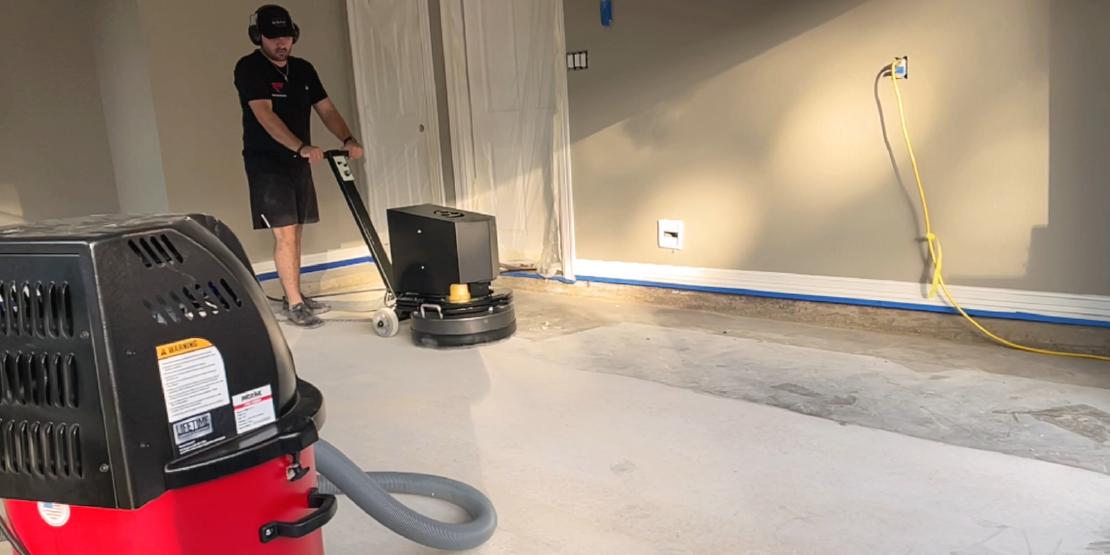
The utilization of protective coatings in industrial settings is an intricate process that is necessary to ensure the longevity of equipment and machinery. The initial step in the application of these layers involves a thorough cleansing of surfaces. Dirt, oil, rust or any remaining old paint should be removed to ensure the coating adheres well to the surface. Using abrasive tools, chemicals, or a combination both, surfaces are prepared, becoming an appropriate canvas for the protective layer application.
Once the surface preparation stage is completed, the actual application of the protective coating proceeds. The method and technique of application largely depend on the type of coating and the requirements of the equipment. There are various methods of applying these coatings - it could be rolled, brushed, sprayed or even dipped. Industrial settings may require a single coating or multiple layers for optimum protection, depending on the substance used and the conditions of the operational environment. The final step lies in drying and curing the coating, ensuring that it effectively bonds with the equipment surface.
Maintenance and Care for Protective Layers in Laboratories
Ensuring the longevity and efficacy of protective coatings in laboratories requires regular inspection, periodic maintenance, and immediate attention to damages identified. All of these activities constitute the spectrum of ‘care’ for protective layers. It is crucial to understand that authentic maintenance goes beyond mere cleaning or dusting; a comprehensive practice includes evaluating the coating’s physical state, checking for cracks, bubbles, discoloration, or corrosion spots. Moreover, adherence to the original manufacturer’s cleaning and maintenance guidelines significantly impacts the protective coating’s lifespan.
An integral part of any maintenance regime is addressing damages at the earliest, to prevent further propagation. Laboratories must cultivate a culture of rapid and efficient repair activities to ensure the protective layers continue to safeguard the underlying assets. Using compatible materials and following specified methodologies for repair greatly enhances the efficacy of the corrective measures undertaken. At the same time, regular preventive measures such as proper storage conditions, handling practices, and operational precautions also contribute to maintaining the highest efficiency of these protective layers.
Common Challenges and Solutions in Protective Coating Application
Applying protective coatings in industrial settings is not without its difficulties. One common challenge that emerges is the presence of underlying flaws or defects on the surface that is to be coated. These imperfections - a result of wear and tear, corrosion or lack of maintenance - can compromise the adhesion of the coating and its subsequent performance. Another predicament companies often face is ensuring a uniformly thick layer of coating. A non-uniform layer can lead to weak spots which may be susceptible to faster wear or corrosion.
Solving these issues requires a comprehensive approach. To address surface imperfections, professionals in the field recommend thorough surface preparation before the application of the coating. This can involve methods such as sandblasting or power washing to remove any existing rust, scale or old coating. To ensure uniform thickness of the coating layer, the usage of precise application tools and techniques is crucial. In some cases, multiple thin layers of coating might be applied instead of one thick layer to provide a more uniform and effective barrier against corrosion. These remedial steps are vital to thoroughly reap the benefits of protective coatings in industrial settings.
Impact of Protective Coatings on the Efficiency of Industrial Operations
Industrial applications are often subject to harsh conditions, necessitating the use of protective coatings that not only safeguard the equipment but also streamline operational efficiency. These layers of protection, whether implemented on machinery or infrastructure, ensure that the time and cost invested in maintenance and repairs is drastically reduced. They serve as sturdy barriers, resisting the assault from corrosive substances, high temperatures, and mechanical wear and tear. This, in turn, enhances the performance and longevity of industrial equipment and systems, facilitating seamless operations.
On the energy efficiency front, protective coatings are known for their conductivity or insulating properties. Coatings offering thermal insulation can help maintain equipment at optimal temperature, thus leading to substantial energy savings. They also minimize the risk of machinery overheating, which could otherwise lead to a significant slowdown in operations, if not a total breakdown. On the other hand, coatings that reduce friction can improve efficiency by facilitating the smooth movement of moving parts. Thus, the strategic utilization of protective coatings significantly influences the efficiency of industrial operations. Moreover, protective coatings also contribute to the overall aesthetics of industrial equipment and infrastructure. They offer a wide range of colors and finishes that can enhance the appearance of machinery, making it look clean, professional, and well-maintained. This not only boosts employee morale but also creates a positive impression on clients or potential investors who visit the facility.
• Protective coatings serve as sturdy barriers against corrosive substances, high temperatures, mechanical wear and tear. • These layers minimize maintenance time and repair costs by enhancing the performance and longevity of industrial equipment. • Coatings with thermal insulation properties help maintain optimal temperature in machinery leading to substantial energy savings. • The risk of machinery overheating is minimized which prevents slowdowns or total breakdowns in operations. • Coatings reducing friction improve efficiency by facilitating smooth movement of moving parts. • Aesthetic appeal is enhanced due to a variety of available colors and finishes for these coatings.
Apart from these benefits, protective coatings are environmentally friendly too. Many modern coating materials are formulated to be low-VOC (volatile organic compounds), thereby minimizing their impact on air quality. Some types even incorporate antimicrobial agents that can inhibit the growth of bacteria or fungi - an essential feature for industries like food processing where hygiene standards must be strictly maintained.
Finally yet importantly, protective coatings play a crucial role in ensuring worker safety. By offering resistance against slipperiness or electrical conductivity on surfaces where workers often tread or touch respectively; they reduce workplace accidents significantly.
• Environment-friendly formulations make many modern protective coatings low-VOC thus reducing impact on air quality. • Antimicrobial agent incorporation inhibits bacterial/fungal growth – vital for industries needing strict hygiene standards like food processing • Worker safety is ensured via resistance offered against slippery surfaces/electrical conductivity thus preventing workplace accidents
In conclusion, whether it’s about increasing operational efficiency through reduced downtime/maintenance cost/energy consumption; improving aesthetic appeal; ensuring environmental compliance; or enhancing worker safety, the role of protective coatings in industrial operations is indispensable.
Case Studies: Success Stories of Protective Coatings in Labs and Processing Plants
Several exemplary cases accentuate the pivotal role of protective coatings. One such case is the semiconductor manufacturing lab in Silicon Valley, California, where a new protective coating led to remarkable improvements. This lab was experiencing frequent corrosion issues on its expensive equipment due to the acidic nature of chemical reagents it frequently used. The application of a high-resistance protective coating, specifically designed to resist corrosion from such chemicals, resulted in prolonging the lifespan of these vital equipment pieces. The additional benefits were lower maintenance costs and fewer work disruptions, which broadly improved operational efficiency.
Conversely, a pharmaceutical processing plant in Germany provides another proof. This plant, faced with challenges of product contamination and resultant product recalls, implemented protective coatings on all its processing vessels. It was observed that these coatings drastically reduced the risk of contamination by forming an impervious layer between the metal surfaces and the product. Moreover, the coating offered resistance to various cleaning agents used in sanitization processes without diminishing its effectiveness. As a result, the plant was able to maintain a much higher level of quality control, which ultimately strengthened its market position and creditability.
What is the importance of protective layers in industrial settings?
Protective layers play a crucial role in industrial settings. They help in reducing the wear and tear of machines and equipment, protect them from harmful substances and environmental conditions, and extend their lifespan.
Can you explain the science behind resistance to corrosive substances?
The science behind resistance to corrosive substances involves creating a barrier between the substance and the material it can potentially damage. Different types of protective coatings are used to achieve this, depending on the nature of the substance and the material.
What are the fundamentals of coating materials used in labs and manufacturing units?
Coating materials used in labs and manufacturing units are primarily designed to provide protection against chemical reactions, heat, and corrosion. They are made from various substances including metals, ceramics, polymers, and composites.
What role do protective coatings play in ensuring safety in laboratories?
In laboratories, protective coatings ensure the safety of the staff by reducing exposure to harmful substances. They also protect the lab equipment from damage, thereby reducing the risk of accidents and mishaps.
How do resistance coatings benefit processing environments?
Resistance coatings in processing environments help in increasing the longevity of equipment, minimizing maintenance costs, and ensuring smooth and efficient operations.
What types of protective layers are suitable for different operational conditions?
The choice of protective layers depends on the specific operational conditions. For instance, metallic coatings are suitable for high-temperature environments, while polymer-based coatings are preferred in chemically aggressive environments.
How do you apply protective coatings in industrial settings?
The process of applying protective coatings involves cleaning the surface, applying a primer if necessary, followed by the application of the coating. The coated surface is then cured to harden and seal the coating.
How should protective layers in laboratories be maintained and cared for?
The maintenance of protective layers involves regular inspection for any signs of damage, cleaning to remove dust and grime, and reapplication or repair of the coating as necessary.
What are some challenges in applying protective coatings and how can they be resolved?
Some common challenges in applying protective coatings include surface preparation, choosing the right coating material, and ensuring proper application. These can be resolved by following industry best practices and guidelines.
How do protective coatings impact the efficiency of industrial operations?
Protective coatings can significantly enhance the efficiency of industrial operations by preventing equipment damage, reducing maintenance downtime, and ensuring smooth and uninterrupted operations.
Can you share some success stories of protective coatings in labs and processing plants?
There are numerous case studies that highlight the success of protective coatings in various industries. These typically involve the use of innovative coating materials and technologies that have significantly enhanced the performance and lifespan of equipment.