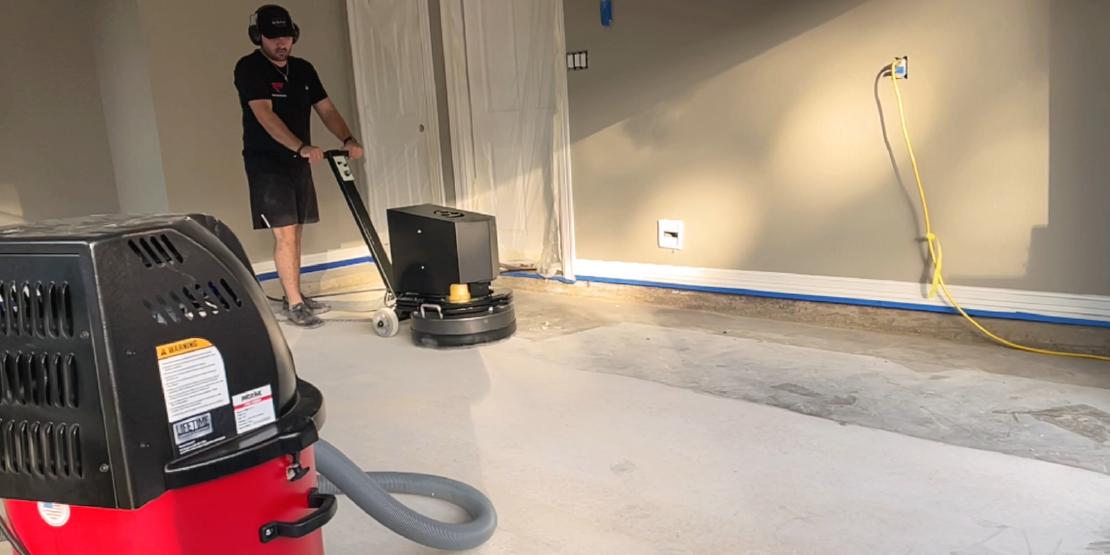

Chemical Safety in Floor Coating Projects
Understanding the Importance of Safety Measures for Flooring Enhancements
Flooring enhancements, including the application of floor coatings, play a crucial role in protecting surfaces, extending their lifespan, enhancing aesthetic appeal, and more. These processes, however, come with a myriad of potential hazards, both immediate and long-term. Ensuring safety during every step is paramount to mitigate risks to personnel and to comply with industry standards and regulations. This encompasses the safe handling and storage of materials, use of personal protective equipment (PPE), adequate ventilation, proper waste disposal, and appropriate response to accidental spills or exposure.
Floor coating involves substances that may be harmful or hazardous if handled improperly. Possible risks may range from mild skin irritation to more severe health hazards such as respiratory issues, particularly when dealing with volatile organic compounds (VOCs). Hence, safety measures are more than simply about averting immediate physical harm; they are instrumental in preventing potential health implications over time as well. As such, regular safety training, protocols, and audits, complemented by adherence to personal and environmental safety procedures, form the backbone of safe floor coating practices.
The Relevance of Hazardous Substances in Floor Coatings
In the world of floor coatings, the presence of hazardous substances can significantly impact the health of those exposed to them during application and even after the process has been completed. This pertinence is attributed to various components involved in the coating mixtures, many of which come with their own potential risks. Resinous flooring materials, such as epoxy and polyurethane, often contain solvents, catalysts, and other reactive chemicals, initiating concerns over potential skin and respiratory irritations, and in severe cases, organ damage and carcinogenic effects.
Certain compounds, termed Volatile Organic Compounds (VOCs), are a central focus of health and safety regulations due to their alarming tendency to evaporate at room temperature. The resultant emission of harmful vapors presents a considerable environmental and health hazard, causing not only immediate effects such as dizziness and irritation but also long-term impacts including neurologic and hematologic abnormalities. Therefore, understanding the risks associated with these substances is paramount to developing and implementing comprehensive safety measures within the floor coating industry.
Key Components and Their Potential Risks in Coating Mixtures
Coating mixtures for flooring enhancements comprise several key ingredients, each serving a distinct purpose. These include pigments for color, resins as binding agents, solvents to make the mixture more malleable, and additives to improve certain properties. While these constituents are critical for achieving the desired coating result, they also possess potential health and safety risks when improperly handled or exposed.
Notably, the solvents used in coatings often contain Volatile Organic Compounds (VOCs) which present significant hazard. Exposure to these VOCs can cause serious health issues like throat irritation, dizziness, and in severe cases, damage to kidney, liver and central nervous system. Pigments, especially if derived from metallic compounds, can also pose a threat when inhaled or ingested. Resins too, can be harmful as they may result in skin irritation or allergic reactions. Hence, understanding these potential risks is critical to ensure safety while dealing with coating mixtures. In addition, the additives used in coating mixtures can also pose a risk. These substances are often designed to enhance certain properties of the mixture such as its ability to resist moisture or its durability. However, they may contain potentially harmful chemicals that could have adverse effects on human health and the environment if not handled properly.
• Solvents: The main concern with solvents is their high VOC content. Prolonged exposure to these compounds can lead to serious health problems including: ◦ Throat irritation ◦ Dizziness ◦ Damage to kidney, liver and central nervous system
• Pigments: While pigments provide color for coatings, they may also present risks especially when derived from metallic compounds. Ingestion or inhalation of these pigments can result in: ◦ Poisoning ◦ Respiratory issues
• Resins: Acting as binding agents in coating mixtures, resins may cause skin irritation and allergic reactions due to their chemical composition.
• Additives: Although additives improve certain properties of coatings like resistance against moisture and enhanced durability, some might contain hazardous chemicals which could be detrimental both for human health and environment when mishandled.
It’s essential that workers handling these materials take necessary precautions such as wearing protective gear (gloves, masks etc.) and working in well-ventilated areas. Additionally, proper disposal methods should be followed for leftover materials or waste products generated during the process.
Understanding potential risks associated with each component will help ensure safety while dealing with coating mixtures; it will also assist regulatory bodies formulate appropriate guidelines regarding their usage and disposal.
An Overview of Risks Associated with Volatile Organic Compounds
Volatile Organic Compounds, often referred to as VOCs, embody a significant health concern in the flooring enhancement industry. These compounds are present in many floor coatings, solvents, and adhesives. They are released both during the application process and as the product dries; this release of gases, known as off-gassing, can continue for several weeks, or even months, after the initial application.
Exposure to VOCs can prove highly detrimental to health. Symptoms can range from minor irritations, such as headaches and dizziness, to more severe issues like damage to the liver, kidneys, and central nervous system. Some VOCs are even suspected to have carcinogenic effects. Therefore, understanding the risks associated with VOCs is crucial in safeguarding workers and individuals who may come into contact with these substances. Individuals engaging in coating applications or even those just located in newly coated areas must take necessary precautions to avoid or limit exposure.
How to Safely Handle and Store Coating Materials
The proper handling and storage of coating materials are of paramount importance in maintaining a safe working environment. Coating materials, by their nature, often contain substances that can provoke severe health and environmental hazards when not managed correctly. As such, workers should adhere to specific safety protocols at all stages - from initial handling to long-term storage - to mitigate these risks. For instance, workers should use Personal Protective Equipment (PPE), such as gloves and safety glasses, to prevent direct contact with these substances.
Moreover, storage conditions for these materials should be given equal attention. The storage area should be ventilated, cool, and dry, far away from ignition sources as many materials are highly flammable. Workers should also ensure that all containers are tightly sealed and clearly labelled to avoid accidental mishandling. Regular inspections should be conducted to check for leaks or damages to the containers. In following these safe practices, both individuals and the environment can be shielded from the potential dangers of mishandled coating materials.
Precautionary Steps for Minimizing Exposure to Harmful Substances
One pivotal aspect of floor coating operations is ensuring minimal exposure to potentially harmful substances. These substances, often present in coating mixtures, range from volatile organic compounds to hazardous chemicals, with the potential to cause serious health hazards, including respiratory issues, skin irritations, or worse, long-term debilitating illnesses. Minimizing exposure is not only a matter of personal safety but also a key factor in maintaining a healthy work environment.
The initial step in mitigating harm is to adequately identify and comprehend the risks associated with each substance in use. Understanding product labels, safety data sheets, and other informational resources is essential to grasp the potential hazards. Subsequently, implementing control measures such as the use of appropriate personal protective equipment, proper ventilation, and safe storage and disposal practices can substantially limit exposure. Regular safety audits and continuous training can further strengthen these measures, making the floor coating process safer for everyone involved.
The Role of Personal Protective Equipment in Floor Coating Processes
Personal Protective Equipment (PPE) serves as a crucial line of defense for workers handling floor coating processes. This includes items like respirators, coveralls, gloves, goggles, and boots specifically designed to protect against physical harm, chemical burns, or inhalation of toxic fumes. Coating materials, particularly those containing Volatile Organic Compounds (VOCs) or toxic solvents, may cause severe health issues, underpinning the importance of utilizing appropriate types of PPE. PPE creates a barrier between the worker and the hazardous substances, preserving the health and safety of the worker.
Implementing correct usage of PPE in the workspace can vastly minimize exposure to hazardous substances. However, it is not sufficient to just provide the equipment; workers must be appropriately trained on how to use and maintain it. Training ensures that they understand how to fit the equipment properly, know when to use it, and how to properly maintain and dispose of it. Regular checks and maintenance of PPE are equally important in preserving its protective qualities over time. This way, PPE continues to serve as an effective safeguard for those engaged in floor coating processes.
Ventilation and its Significance in Mitigating Health Risks
Ample ventilation plays a vital role in maintaining a safe environment during the floor coating operations. It effectively reduces the concentration of volatile organic compounds (VOCs) and other hazardous substances released into the air, thereby significantly reducing potential health risks. Besides, good ventilation practices promote the speedy drying of floor coatings, preventing the prolonged exposure to harmful substances contained in wet coatings.
Providing continuous ventilation during and after application of floor coatings can significantly mitigate health risks. It is beneficial to adhere to a principle of cross-ventilation, allowing fresh air to circulate freely, replacing the contaminated air. This process, along with wearing appropriate personal protective equipment, can lead to a safer working atmosphere while handling coating mixtures. Therefore, understanding and implementing effective ventilation techniques should be a crucial part of any floor coating operation.
Proper Disposal of Leftover Coating Materials to Prevent Hazards
The impeccable management of leftover coating materials is an essential component of safe flooring enhancement practices. These substances, often chemically complex and potentially unhealthy, cannot be casually thrown away with ordinary household waste due to their hazardous characteristics. They possess substantial risks to both the environment and to public health when improperly disposed of. Therefore, their disposal necessitates adherence to the appropriate guidelines and regulations to ensure the prevention of environment-related hazards.
Coating materials, particularly epoxy resins and certain hardeners, need to be disposed of as hazardous waste. Companies that specialize in the collection and disposal of hazardous waste offer services that ensure the safe and legal removal of these substances. It is also important to remember that empty containers that once held such materials are still considered hazardous until they have been appropriately cleaned. This highlights the relevance of education and training in understanding how to handle, store, and dispose of coating materials in a secure and legal manner. By employing these practices, employers not only minimize the risk to their employees but also contribute significantly to protecting our environment.
Responding to Accidental Spills or Exposure: Emergency Procedures
In the event of accidental spills of coating materials, it is critical to have immediate emergency procedures in place. A swift response can drastically reduce exposure, limit damage and mitigate any potential health risks. As a first step, evacuate the immediate area to avoid inhalation or contact with the spilled material. Then, use a spill containment kit that consists of absorbent materials to control the spread of spillage. It’s pertinent to emphasize that every staff member should know the location of these kits and be trained to effectively use them.
Exposure to harmful substances in the coating mix, either through skin contact or inhalation, requires urgent medical attention. A quick rinse under running water for at least 15 minutes can help remove the residue from the skin surface, but it won’t be enough in cases of severe exposure. Likewise, in the event of inhalation, moving to an area with fresh air is a key initial step. However, this should not replace the need for prompt medical attention. Documenting the nature of the exposure and the exact substances involved will assist medical personnel in administering effective treatment.
Training and Education: Essential Elements for Safe Coating Practices
Safety practices in floor coating often necessitate the integration of adequate training and education. The inherently intricate and potentially hazardous nature of coating materials, varying from Volatile Organic Compounds (VOCs) to other toxic substances, stresses the importance of informed handling. This not only includes knowledge about the mixture components themselves, but also, and very critically, the methods of application, storage, disposal and emergency response procedures. Offering comprehensive instruction can significantly minimize the possibility of accidents and exposure to harmful substances, ensuring the well-being of workers and the environment at large.
Also, ensuring that all individuals involved are well-versed with current governmental regulations and industry standards is of paramount importance. Such regulations exist to maintain high safety standards across all floor coating operations, properly managing the potential risks associated with hazardous substances in floor coatings. Furthermore, regular safety audits, conducted to assess ongoing adherence to these regulations, are essential to continuous safety improvement. Hence, the role that training and education play in maintaining a safe and efficient working environment is undeniably significant. With the right instruction, workers can employ best practices in their daily operations, ultimately creating safer workplaces and more durable, quality floor coatings.
Governmental Regulations and Industry Standards for Coating Safety
In the realm of floor coating operations, a myriad of laws and policies have been established to enhance safety. These regulations, often implemented by government agencies, are designed to provide specific guidelines to mitigate the potential dangers associated with hazardous substances in coating materials. In many jurisdictions, these governing bodies such as the Occupational Safety and Health Administration (OSHA), the Environmental Protection Agency (EPA), and similar international counterparts, are firm about adhering to the protocol and mandate periodic audits and inspections to ensure that safety standards are upheld.
Parallelly, industry standards come into play, setting benchmarks for best practices and product specifications. Institutions like the International Organization for Standardization (ISO), American Society for Testing and Materials (ASTM), and others, serve in the capacity of ensuring the durability, quality, and efficacy of coating materials. Alongside, they emphasize on implementing safety standards to limit the health risks associated with volatile organic compounds (VOCs). Their guidelines cover areas such as proper storage, handling, ventilation, personal protection, and emergency procedures for potential hazardous spills or exposure.
Importance of Regular Safety Audits in Floor Coating Operations
Regular safety audits play a pivotal role in floor coating operations. These audits are structured reviews of procedures, work environment, and safety equipment utilization, aimed at identifying potential risks and determining the effectiveness of control measures in place. Regular audits provide an opportunity to see beyond the routine of daily operations and offer insight into areas needing improvement or adjustment in order to maintain and potentially enhance operational safety standards. They aid in detecting hidden hazards, ensuring compliance with government and industry regulations, and protecting workers from harm.
Instituting a program of regular safety audits in floor coating operations often results in significant benefit to both employees and the company. By fostering a culture of safety mindedness, audits can lead to decreased accident rates and increased worker morale, productivity, and retention. For the company, a good safety record can translate into lower insurance premium rates, less downtime due to accidents, and improved overall performance. Comprehensive safety audits, therefore, are not merely regulatory requirements, they are instrumental in creating a safer and more efficient working environment, emphasizing the essential role of safety in floor coating operations.
Why are safety measures important in flooring enhancements?
Safety measures are crucial in flooring enhancements to ensure the well-being of the workers and to prevent any accidents or health issues that can arise from the use of potentially hazardous coating materials.
What are some key components in coating mixtures that pose potential risks?
Certain key components like volatile organic compounds (VOCs), toxic solvents, and other hazardous substances present in coating mixtures can pose potential health risks.
What risks are associated with volatile organic compounds (VOCs)?
VOCs can cause short- and long-term adverse health effects. Exposure can lead to eye, nose and throat irritation, headaches, loss of coordination, and damage to the liver, kidney, and central nervous system.
What steps should be taken for the safe handling and storage of coating materials?
Coating materials should be stored in a cool, dry place away from heat sources or open flames. They should also be stored in a well-ventilated area and away from children and pets.
How can exposure to harmful substances be minimized?
Exposure can be minimized by using proper personal protective equipment, maintaining good ventilation, and following safe handling and disposal procedures.
What role does personal protective equipment play in floor coating processes?
Personal Protective Equipment (PPE) protects workers from hazardous substances. It usually includes gloves, goggles, respirators, and protective clothing.
Why is ventilation important in floor coating processes?
Ventilation is crucial in mitigating health risks, as it helps to dissipate potentially harmful vapours and fumes released during the coating process.
How should leftover coating materials be disposed of properly?
Leftover coating materials should be disposed of according to local regulations and guidelines. They should never be poured down drains or dumped in regular trash bins.
What should be done in case of accidental spills or exposure?
In case of accidental spills or exposure, immediate emergency procedures should be followed including evacuation, contacting authorities, and providing immediate medical attention if necessary.
Why is training and education important for safe coating practices?
Training and education ensure that all personnel involved in the coating process understand the potential hazards and know how to handle materials safely, thereby reducing the risk of accidents.
What are some important government regulations and industry standards for coating safety?
Important regulations and standards include those set by the Occupational Safety and Health Administration (OSHA), Environmental Protection Agency (EPA), and the National Fire Protection Association (NFPA).
Why are regular safety audits important in floor coating operations?
Regular safety audits are important to ensure continued adherence to safety practices and regulations, identify potential areas of risk, and reinforce the importance of safety in the workplace.