
Choosing the Right Floor Coating Kit for Your Project
Understanding the Importance of Floor Coating Kits
Floor coating kits form a vital part of long-lasting and aesthetically pleasing floors. These kits not only amplify the visual appeal of a floor but also provide an additional layer of protection to its surface. They safeguard the floor from common issues such as abrasion, staining, chemical attacks, and microbial growth. In industrial settings, coated floors can resist heavy traffic, machinery operations, and other high-impact activities.
By using floor coating kits, one can significantly extend the lifespan of a floor, irrespective of its material. They provide a defensive line against detrimental elements that can deteriorate a floor’s condition over time. More than a mere aesthetic element, floor coatings contribute to maintaining cleanliness and hygiene levels, especially in spaces like hospitals, food production units, and pharmaceutical factories. Overall, floor coating kits are a worthy investment for both residential and commercial property owners.
The Different Types of Floor Coatings Available
A wide array of floor coatings are available on the market, each with their unique properties suitable for different environments. These include Epoxy coatings, which are renowned for their durable and highly resistant characteristics, making them a popular choice for areas with high traffic or exposure to chemicals. This type comprises a two-part system that includes epoxide resin and polyamine hardener, creating a hard, glossy surface when cured.
The second type is Polyurethane coating, which boasts excellent elasticity coupled with high resistance to impacts, abrasion, and corrosion. It’s the ideal solution for floors exposed to varying temperatures and those requiring waterproofing. Acrylic coats offer UV resistance and are often used when the aesthetic appeal is an important attribute, while Polyaspartic coatings offer rapid curing times, allowing quicker utilization of the coated areas. Lastly, Polyurea coatings are becoming increasingly popular due to their extreme durability, flexibility, and high chemical resistance.
Analyzing Your Specific Floor Coating Needs
When it comes to choosing the right coating for your flooring, understanding your individual requirements becomes essential. The place where the coating is to be applied holds significant importance - whether it’s a commercial establishment, a garage, an indoor or outdoor setup; each surface has its unique demands. Factors such as level of foot traffic, how much moisture the floor is regularly exposed to, and the presence of harsh chemicals or extreme temperatures are all critical considerations.
Keep in mind that various types of coatings hold up differently under different conditions. Thus, identifying the specific needs of your flooring can save you from frequent maintenance and unnecessary costs. Remember, a well-chosen floor coating not only enhances the aesthetics of your space but also improves longevity and functionality. Therefore, be meticulous in assessing your specific floor coating needs.
How to Determine the Appropriate Floor Coating for Your Surface Type
Determining the right floor coating for a specific surface type involves analyzing the surface characteristics and intended use of the space. Surface type plays a significant role in the selection process, as different surfaces have different absorption rates, durability and aesthetic features. For instance, concrete surfaces are porous and need a penetrative coating like epoxy or polyurethane, while wooden surfaces may require a more resilient coating such as acrylic or oil-based varnishes.
It is also crucial to consider the condition of the surface before application. Damaged, uneven or cracked surfaces may require specialized coatings or pre-application treatments to enhance adhesion. Furthermore, high-traffic areas may require tougher, more durable coatings such as urethane, which resist wear and tear significantly better than conventional coatings. Other factors such as transparency, color, gloss level and the presence of anti-slip additives should also be considered when choosing a floor coating for particular surface type.
The Role of Project Size in Selecting a Floor Coating Kit
Project size serves as a crucial factor in determining the right floor coating kit. A larger floor area necessitates not only a greater volume of coating materials but also a type of coating that can be feasibly applied within a reasonable time frame. Coating kits come in various sizes, from single car garage kits to larger kits capable of covering expansive commercial floors. With a rough estimate of the floor area, consumers can effectively decide on the amount and type of coating needed.
Regardless of the size, floor coating projects require a quality product that provides durability and aesthetic value over time. An effective coating should be able to withstand continuous foot and vehicular traffic, as well as resist damage from spills, drops or harsh cleaning agents. While a larger project might benefit more from a robust and durable epoxy or polyurethane coating, a smaller project may suffice with acrylic or paint-based coatings. These decisions greatly depend on the expected use and wear of the floor, further highlighting the significance of assessing project size when selecting a floor coating kit.
Comparing Costs of Various Floor Coating Kits
In the realm of floor coating kits, it is essential to comprehend that cost factors differ dramatically. It is not just the upfront costs that one should consider, but also the long-term value and durability. Affordable options such as epoxy coatings are popular among homeowners for their low initial cost. However, reapplication may be required sooner than some other types. Consequently, while the upfront cost seems less, the repeated maintenance can amount to a larger expenditure over time.
On the other end of the spectrum, more exclusive options such as polyurea and polyaspartic coatings boast of higher durability and lifespan. While these generally ask for a higher initial investment, their robustness often means lesser maintenance costs in the long run. Other coatings such as acrylics and polyurethanes also sit in this category. Hence, taking the durability factor into account, these could potentially be more cost-efficient over their lifetime compared to cheaper alternatives. In short, when comparing the costs of various floor coating kits, it’s crucial to consider both the initial expenses and potential long-term maintenance. Here is a brief comparison:
• Epoxy Coatings: ◦ Initial Cost: Low ◦ Durability: Moderate; may require reapplication sooner than others. ◦ Long-term Value: While affordable upfront, repeated maintenance can increase overall expense.
• Polyurea and Polyaspartic Coatings: ◦ Initial Cost: High ◦ Durability: High; less likely to need frequent reapplications or repairs. ◦ Long-term Value: Despite higher initial cost, reduced maintenance needs could make these options more cost-efficient over time.
• Acrylics and Polyurethanes: ◦ Initial Cost: Generally high ◦ Durability: Good; typically offer longer lifespan than cheaper alternatives. ◦ Long-term Value : Similar to polyurea and polyaspartic coatings, their durability can potentially lead to lower lifetime costs despite higher upfront investment.
To choose the most suitable floor coating kit for your home or commercial space, weigh up not only the immediate price tag but also factor in longevity and upkeep costs. Every flooring choice has its pros and cons - what matters is finding a balance that fits your specific needs and budget.
How to Assess the Durability of Different Floor Coating Kits
Assessing the durability of floor coating kits involves several key factors. By focusing on these traits, one can make a sound choice and safely invest in a coating kit that delivers long-term benefits. A kit’s ability to resist wear and tear, its tolerance to heavy traffic, and its potential to perform in extreme temperatures are all markers of durability. Equally essential are the product’s resistance to chemical spills, abrasion, and its overall longevity.
To obtain accurate information regarding these factors, consumers can refer to product labels, reviews by professional contractors, and real customer feedback. While the manufacturer’s claims should be taken into account, real-world experiences and independent evaluations help paint a clearer picture of how durable a certain type of floor coating kit is. Furthermore, consulting with industry experts and professionals can provide additional valuable insights into the product’s long-term performance and durability.
Environmental Considerations When Selecting a Floor Coating Kit
When deciding upon a floor coating kit, one important factor to consider is its environmental impact. Many traditional floor coatings contain volatile organic compounds (VOCs) which, when evaporated into the air, can cause harm to both human health and the environment. These substances can lead to air contamination, deplete the ozone layer, and contribute to global warming. Thus, it is essential to check the VOC content of any floor coating before purchasing it. Nowadays, many brands offer low-VOC or VOC-free options that significantly reduce these harmful effects, without compromising performance.
In addition, considering the life cycle of the floor coating can also play a part in its environmental impact. A quality, durable floor coating will require less frequent replacement, which, in turn, lowers the demand for new material production and reduces waste. Also, some floor coatings can be recyclable or biodegradable, meaning they won’t contribute to landfill waste at the end of their lifespan. Always keep an eye out for coating brands that emphasize green manufacturing practices and material sourcing, as these products are more likely to be environmentally friendly than their conventional counterparts.
Tools Required for Applying Floor Coating
In the realm of DIY projects, proper preparation is key, and laying floor coating isn’t an exception. Utilizing the correct tools can significantly improve the application process, ensure optimal results, and extend the lifespan of the coating. Essential tools include a roller with a suitable nap cover, a mixing paddle, and a paint pot. When working with epoxy or polyurethane applications, application tools such as squeegees, and spiked roller are often necessary. In addition, safety equipment like gloves, safety glasses, and respirators should not be overlooked.
Consideration should be given to the type of floor coating being applied, which will dictate the precise tools required. For instance, applying an epoxy coating requires a notched squeegee to ensure the coating is applied evenly and at the correct depth. A brush will be needed for detailed work around edges and corners. It’s also recommended to use a power mixer – attached to a regular drill – for thorough mixing of the coating material to ensure a smooth, even finish. Remember, the right tools are pivotal in determining the quality of the finish and the durability of any floor coating application.
Steps for Applying a Floor Coating Kit
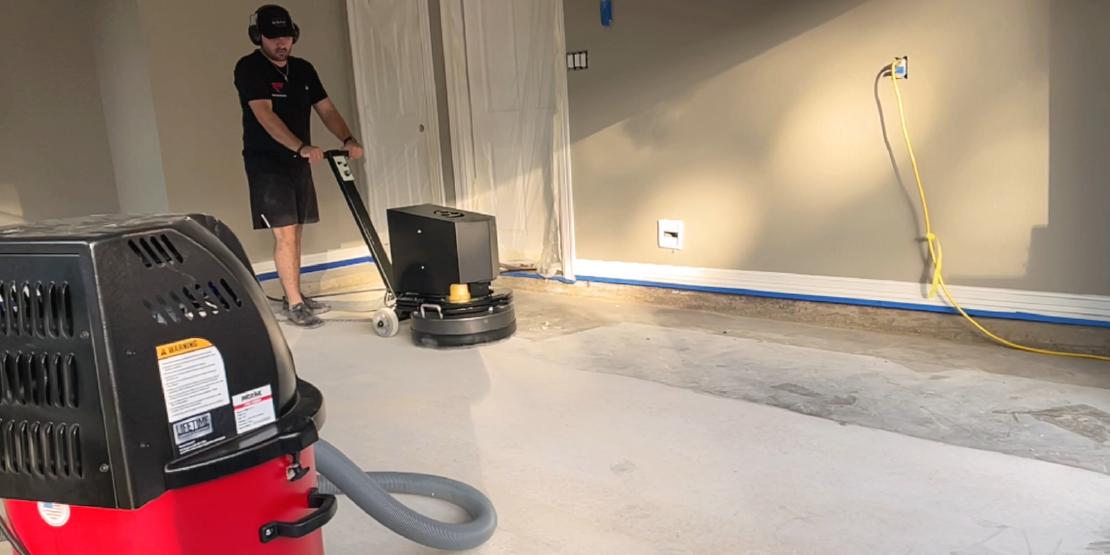
Before plunging into the practical aspect of applying a floor coating kit, it is important to gather the necessary tools and understand the prerequisites that make for a satisfactory end result. Make sure to clean the concrete floor to remove all forms of dirt and debris. Equipment such as a pressure washer can prove extremely useful in this process. Once the cleaning is complete, it is recommended to use a floor grinder or shot blaster based on the surface condition. This promotes better adhesion of the floor coating.
After prepping the floor, the application of the floor coating kit begins. Initially, you need to mix the epoxy and the hardening agent according to the directions provided by the manufacturer. Over mixing may cause bubbles so, be careful to avoid this common mistake. Make sure the mixture is evenly spread on the floor, using a roller or a sprayer ensuring you maintain a consistent thickness. Once the first layer is fully applied, wait for it to dry before applying the second coating. It is crucial to be patient in between layers to allow for the best results.
Common Mistakes to Avoid When Applying Floor Coating
When initiating the process of floor coating application, it’s often seen that individuals commit the mistake of not correctly preparing the surface. This can include failure to clean the surface thoroughly or bit addressing cracks and minor damages before applying the fresh coat. Surface preparation is a crucial step, as a clean and well-prepared floor ensures the adherence of the coating, ultimately contributing to its longevity and effectiveness.
Another prevalent error involves ignoring the recommendations of the manufacturer. Individuals often try to speed up the drying process using methods not advised by the manufacturer, bringing about adverse effects to the coating’s durability. It’s vital to follow the manufacturer’s directions about application temperature, humidity, drying time, and coat thickness. Overlooking these details might not only ruin the final appearance but potentially decrease the coat’s life span and protection capabilities as well.
Maintenance and Care of Coated Floors
A properly maintained coated floor can boost the aesthetics of your home or office, while also ensuring longevity. It’s important to remember though, that each type of floor coating has its specific care and maintenance requirements. Epoxy coatings, for instance, are renowned for their durability and ease of cleaning. Usually, a light sweep followed by mild soapy water cleaning will suffice for such coatings.
In contrast, polyurethane coatings may require a more specialized approach. While relatively resistant to dirt and stains, these coatings can suffer from scuffs and scratches if not attended to promptly. Likewise, acrylic sealers are susceptible to yellowing when exposed to sunlight over prolonged periods, hence requiring careful protection against direct sunlight. Therefore, understanding the specifics of each floor coating is crucial for optimal maintenance and care.
Where to Purchase High-Quality Floor Coating Kits
In order to source high-quality floor coating kits, the first port of call would ideally be a reputable home renovation or hardware store. Industry-reputed outlets such as Home Depot, Lowes or Menards often have a wide range of coat kits offering variety in brand, composition, price, and color selections. Online sites like Amazon and eBay are also good options, boasting extensive inventories from numerous brands.
When purchasing a floor coating kit, it’s immensely important to scrutinize product reviews and ratings. These insights can be invaluable, helping to gauge the product’s quality, durability, and ease of application. Professional contractors and builders can also be a reliable source of recommendations. It’s also worth checking with specialty paint stores, as they on occasion might pool their knowledge to suggest an optimal coating kit best suited to individual needs and conditions.
Why are floor coating kits important?
Floor coating kits are important as they enhance the durability and longevity of your floors. They also add an aesthetic appeal, making your floors look cleaner and more polished.
What are the different types of floor coatings available?
There are several types of floor coatings available, including epoxy, polyurethane, acrylic, and polyaspartic coatings. Each has its own set of benefits and is suited for different types of floors.
How do I determine the appropriate floor coating for my surface type?
Determining the appropriate floor coating for your surface involves analyzing your specific needs such as the type of surface, the amount of traffic it experiences, and the conditions it is exposed to. Consulting with a flooring expert can also be helpful.
How does the size of my project influence the selection of a floor coating kit?
The size of your project can influence the cost, the type, and the quantity of the floor coating kit you choose. Larger spaces may require more durable coatings and will certainly need larger quantities.
How can I compare costs of various floor coating kits?
You can compare costs of floor coating kits by reviewing their prices at different vendors, checking their coverage per unit, and considering their longevity and maintenance requirements.
What environmental factors should I consider when selecting a floor coating kit?
Environmental factors such as temperature, humidity, UV exposure, and chemical exposure can impact the performance and durability of a floor coating. Choose a coating that is suitable for your specific environment.
What tools do I need to apply a floor coating?
Basic tools for applying a floor coating include a roller, a brush for edges and corners, a mixing paddle, and a tray. You may also need a primer depending on the type of coating.
What are common mistakes to avoid when applying floor coating?
Common mistakes include not properly cleaning and preparing the floor, applying the coating too thickly or thinly, and not allowing enough drying time between coats.
How do I maintain and care for my coated floor?
Regular cleaning is essential for maintaining your coated floor. Avoid harsh chemicals and use cleaning products recommended by the coating manufacturer.
Where can I purchase high-quality floor coating kits?
High-quality floor coating kits can be purchased from home improvement stores, online retailers, or directly from the manufacturer. Always ensure that the vendor is reputable and offers a warranty.