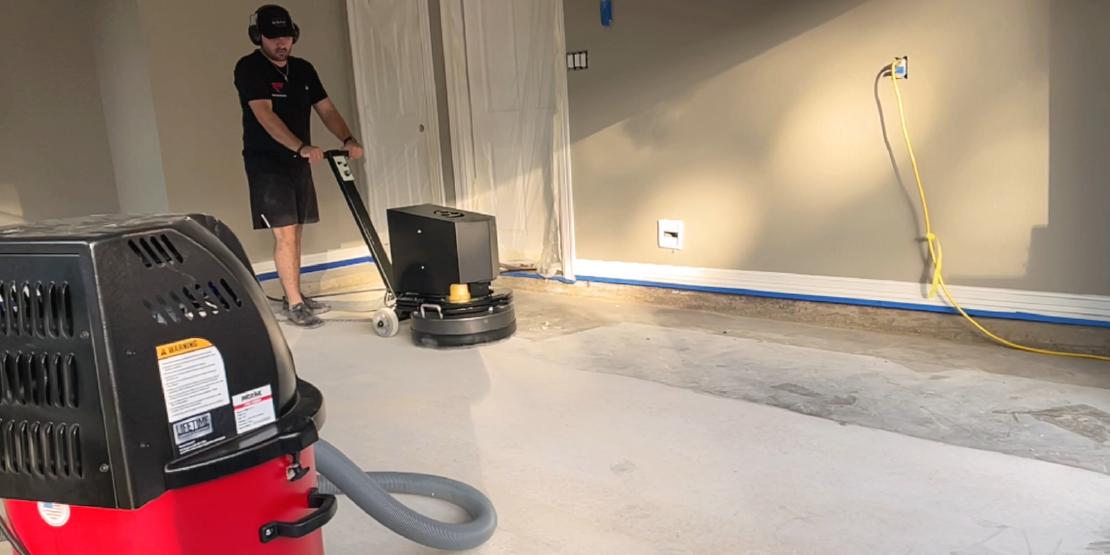

Choosing the Right Tools and Equipment for Application
Understanding the Importance of Appropriate Tools
Implementing the use of apt tools during any operation can drastically impact the success of the job. The right selection of tools not only augments the pace of work but also significantly enhances the precision and quality of the end product. In fields ranging from construction to medical surgeries, the presence of specialized tools can be the crucial between a job well done or a failed attempt.
On the contrary, improper selection or lack of understanding of the appropriate tools can lead to unfavorable situations. It can cause nearly-irreparable mistakes, needless waste of resources, and a remarkable decrease in work efficiency. No matter the industry, comprehension and aptitude around tools are critical components that uphold the achievement of high performance and desired results.
Assessing Your Specific Needs
In the process of equipment and tool selection, a meticulous understanding of one’s specific needs is paramount. This encompasses establishing detailed knowledge of the tasks at hand, the number of individuals who will be utilizing the equipment, and the conditions in which the tools will operate. By comprehensively appreciating these key aspects, one can effectually tailor their selection to meet both existing and future requirements.
To delineate your specific requirements, do an honest evaluation of your skill level and the intended use of the equipment. Be clear about the complexity of tasks you wish to undertake with the equipment. It’s crucial to dissect pertinent factors such as the desired lifespan of the tools, the expected frequency of use, and the need for versatility. All these factors combined will optimize the decision-making process, ensuring the appropriate fit for your needs.
The Role of Quality in Tool Selection
Quality plays an instrumental role in selecting tools and equipment. Opting for high-quality tools is a practice that often pays off in the long run. Contrastingly, choosing cheap, low-quality tools may seem cost-effective at first glance but could result in poor performance and frequent replacements. Quality tools demonstrate exceptional durability, thus reducing the overall tool turnover rate. Not only do they perform tasks more efficiently, but they also minimize the risk of injuries caused by tool failure.
When considering the quality of tools, it’s crucial to examine their construction and design. High-quality tools are typically crafted from superior materials that offer extended longevity. Additionally, they feature well-thought-out designs that increase user comfort, reduce fatigue, and enhance productivity. On the flip side, the use of subpar materials in manufacturing low-quality tools reflects poorly on their performance, lifespan, and user safety. Therefore, quality assessment should be an integral part of the tool selection process, ultimately consolidating greater value for investment, safety, and efficiency.
Factors to Consider when Selecting Equipment
Selecting the appropriate equipment for any task demands careful consideration and strategic planning. Quality should always be a priority, even if it means spending a bit moreat the outset. High-quality equipment tends to be more durable, more efficient, and often provides better results. It is also crucial to think about reliability, as equipment that frequently breaks down can be a constant source of frustration and can lead to efficiency loss.
The other major factor to consider is functionality. More often than not, the best choice of equipment is the one that meets all of your specific needs. Additionally, as technology continues to evolve, it’s worth considering how technological advancements could impact equipment selection. Compatibility with existing systems is also an essential factor, especially in an era where many operations are digitally connected. Moreover, safety considerations should always play an integral role in equipment selection - all tools should adhere to the latest safety standards to minimize the risk of accidents.
Understanding Different Types of Tools
The universe of tools often appears vast and varied, making it a bit of a challenge to decipher. As a user, you will encounter a broad spectrum of tools, ranging from simple hand-held devices like screwdrivers, hammers, and pliers to complex machinery like drill presses, lathes, and chainsaws. Each tool has a specific purpose and functionality, contributing to different tasks within a project. Hand tools are usually used to carry out precise tasks that require a careful touch, whereas power tools are utilized for more strenuous tasks requiring substantial force and speed.
Taking this diverse selection into account, one must ascertain the type of tool needed for a particular task ahead of time. Manual tools like wrenches, screwdrivers, pliers, and hammers are most suited for simple tasks requiring a human touch. Intricate mechanisms such as adjusting a joint or affixing a delicate item often demand the use of these manual tools. On the other hand, more power-intensive tasks such as drilling, cutting, or shaping hard materials will require power tools with a high torque output. Understanding the ins-and-outs of these different tool typologies invariably directs you to make informed decisions when it comes to tool selection.
The Impact of Technology on Tool and Equipment Selection
In the current era, technology permeates every aspect of life, including the realm of tool and equipment selection. It has significantly reshaped the process, facilitating improved efficiency, higher precision, and streamlined operations. Tech-oriented tools are also increasingly preferred for their capacity to minimize human error and augment productivity.
Digital advancements have engendered a breed of ‘smart’ tools, laden with innovative features such as microchips, sensors, and connectivity options. These tools can communicate with users, send timely alerts, and even self-diagnose issues, dramatically reducing downtime. While this might imply higher upfront costs, the long-term return on investment and potential savings through improved efficiency and reduced repair time make it a worthwhile consideration. Despite these benefits, it’s crucial to remember that technology also brings its set of challenges like privacy concerns and the need for ongoing updates, which need to be addressed before making a selection.
Balancing Cost and Efficiency in Tool Selection
The initial cost of a tool often plays a pivotal role in the decision-making process. However, focusing solely on upfront cost could potentially lead to expensive inefficiencies in the long run. A higher-priced tool frequently equates to better quality, longer lifespan, and overall better efficiency. High performance tools generally deliver more consistent and quality results, reducing the frequency of job re-dos. Thus, value for money over time often surpasses the simple calculation of initial costs.
On the other hand, achieving a balance in cost and efficiency doesn’t always mean choosing the most expensive tool. The key is in aligning the capabilities of the tool with the specific requirements of the task. A less expensive tool may prove more cost-effective and efficient if the task doesn’t demand high tech or specialized capabilities. Therefore, a thorough understanding of your unique needs and an evaluation of job specifications is critical in achieving the perfect balance between tool cost and job efficiency.
Safety Considerations in Equipment Selection
When choosing tools and equipment, safety considerations must be at the forefront of this critical process. A proper risk assessment must be in place to identify any potential hazards related to the tool’s operation. This risk assessment should look at each aspect of a tool’s use, including the nature of the task, the working environment, and the user’s skill level. The idea is to minimize accidents, injuries, lost work time, and the potential for lawsuits. Notably, the presence of safety features such as guards, safety cutoffs, and robust handles can be a deciding factor in the selection process.
Another crucial aspect to consider is the safety regulations and standards set by regulatory bodies. All tools and equipment should comply with the standards outlined by bodies such as the Occupational Safety and Health Administration (OSHA) or the relevant authority in your country. Ensuring equipment selection aligns with these standards not only guarantees safety measures in the workplace, but can also prevent costly penalties for non-compliance. Always remember, prioritizing safety in tool selection is an investment in the long-term health and productivity of your teams. This focus cultivates an environment in which everyone can successfully perform their tasks without undue risk.
Maintaining Your Tools and Equipment
Proper upkeep of tools and equipment is an essential practice that can extend the lifespan of your valuable resources. Routine maintenance helps to ensure that your devices function optimally and reduces the chances of sudden operational failures that can disrupt work progress and productivity. Neglecting this aspect can result in unexpected repair and replacement expenses, counting as a detrimental factor for the overall budget.
You must adhere to the manufacturer’s maintenance guidelines for each specific equipment. Regular cleaning, storing in suitable environments, frequent inspections, lubrication, and timely replacement of worn-out parts are all crucial elements in maintaining your tools. Equipment calibration, for example, remains vital for tools that demand accuracy and precision. Remember, a well-maintained piece of equipment is not only a cost-effective measure but also a contributor to workplace safety.
Training and Skill Requirements for Using Tools
Having the right tools for a task is crucial, but equally important is having the right skills to use those tools effectively. Skill requirements vary widely, depending on the nature of the project and the type of tools used. For instance, operating a power drill might need some basic training and safety instructions, while using a complex equipment might necessitate more in-depth instruction and practical experience. Any tool, no matter how sophisticated or effective, will not deliver its full potential unless the user possesses the necessary skills to utilize it appropriately.
Training programs can help individuals gain these necessary skills. A well-structured training course provides hands-on experience with the tools, teaches proper usage, and imparts an understanding of the safety measures that need to be adhered to. Online tutorials, manuals, and courses are also helpful, especially for simpler tools. For more complex equipment, on-site training from a qualified professional is strongly recommended. The goal is to enhance the efficiency and accuracy of work, while minimizing risk and ensuring safety.
Evaluating the Performance of Your Tools
Just as with any professional endeavor, determining the efficiency and effectiveness of your tools is a critical endeavor. This step, longitudinally pursued, aids in gauging whether the tools employed are serving their intended purposes to the full extent. However, several questions need to be answered to garner an accurate picture. Are the tools able to complete tasks in a timely manner? Do they deliver the expected quality of work? These queries form the core of tool performance evaluation.
Optimal performance is a crucial requirement for any tool. It’s not enough that a tool performs its duties; it should do so in the most efficient way possible. Here, the efficiency of a tool refers to the balance between the output it provides and the input it consumes. A tool that requires more input than necessary or produces less output than expected is considered inefficient. On the other hand, effectiveness refers to the ability of the tool to accomplish its intended purpose. An ineffective tool is one that, regardless of the input, fails to meet the required output levels or standards. In the process of evaluating the performance of your tools, it is essential to consider several factors.
• Speed: This refers to how quickly a tool can complete a task. A high-performing tool should be able to perform its duties in a timely manner without compromising on quality. If a tool takes too long to perform tasks, it may not be efficient.
• Quality of Work: The quality of work delivered by the tool is also an important consideration. It’s not just about completing tasks; the output must meet or exceed expectations in terms of quality.
• Reliability: A reliable tool consistently performs well and produces consistent results over time. Tools that frequently break down or produce inconsistent results are likely inefficient and ineffective.
• Ease of Use: An effective tool should be easy to use and understand. Complex tools that require extensive training or expertise may hinder productivity rather than enhance it.
• Cost-effectiveness: High performing tools provide value for money by delivering superior performance at reasonable costs. Evaluating cost-effectiveness involves comparing the initial investment (purchase price) against ongoing costs (maintenance, repairs), as well as against the benefits derived from using the tool.
The evaluation process, therefore, involves assessing each aspect mentioned above and drawing conclusions based on these assessments:
- Start with defining what you expect from your tools: speed, reliability, ease-of-use etc.
- Test your tools under real-life conditions where possible
- Gather data regarding their performance
- Evaluate this data objectively
- Based on these evaluations make necessary changes – replace inefficient/ineffective tools
Remember that regular evaluation aids in maintaining optimal efficiency levels while saving both time and resources in long run.
When to Upgrade Your Tools and Equipment
Regular assessment of the efficiency and effectiveness of your tools and equipment is crucial to your business’s productivity. Signs of wear and tear such as reduced performance, an increase in downtime, and frequent repairs, indicate that an upgrade may be necessary. Technology advancements also provide compelling reasons for an upgrade, as they often deliver improvements in terms of accuracy, speed, and overall task performance.
Upgrading your tools and equipment can sometimes be a significant investment. However, failing to make the switch when it is necessary can lead to higher operating costs in the long run. Remember that it doesn’t always mean you need to replace older tools with brand new ones. Sometimes refurbished or updated models of your current equipment could deliver the needed improvements, often at a fraction of the cost. It’s all about choosing wisely to maximize the efficiency and productivity of your operations.
Case Studies: Successes and Failures in Tool Selection
In a successful case, the Yoxo Manufacturing Company managed to increase their overall productivity by 27% in a year after closely assessing their specific tool requirements. Strategically investing in upgraded, higher grade machines after thorough consideration and evaluation, the company also optimized its technicians’ training, improving the staff’s performance and familiarity with the new tools. This action also resulted in a significant decrease in downtime, thus proving a fruitful investment for Yoxo Manufacturing Company.
Contrarily, a sobering example can be seen in the case of Zeta Construction, underscoring the importance of appropriate tool selection and regular maintenance. Despite having a competent crew, they experienced setbacks because of their continuous use of outdated and weathered tools. Unexpected breakdowns and malfunctions became a common occurrence and the poor tool performance eventually caused project delays. Incurring significant losses due to the delay penalties, Zeta Construction serves as a stark reminder of the heavy impact improper tool selection and maintenance can have on operations.
Why is it important to select appropriate tools for a task?
The selection of appropriate tools is crucial because it can significantly impact the efficiency and effectiveness of a task. The right tools can reduce work time, increase safety, and produce better results.
How can I assess my specific needs in tool selection?
It’s essential to clearly define your objectives and understand the nature of the task at hand. Consider factors like the materials you’ll be working with, the complexity of the task, and the skills required. This assessment will help guide your choice of tools.
What role does quality play in tool selection?
Quality is a critical factor in tool selection. High-quality tools often have better performance, require less maintenance, last longer, and can provide a better return on investment.
How does technology impact tool and equipment selection?
Technology introduces new tools and equipment designed to improve efficiency, safety, and precision. It can lead to tools that are lighter, more durable, or have additional capabilities.
Can you elaborate on the balance between cost and efficiency in tool selection?
While cost is a significant factor in tool selection, it should not be the only consideration. Often, cheaper tools can be less efficient, require more maintenance, or break easily. Instead, consider the tool’s lifespan and efficiency to determine the true cost.
What safety considerations should be taken into account when selecting equipment?
Ensure the tool or equipment has the necessary safety features for the task. Also, it should be ergonomically designed to prevent strain or injury, and comply with industry safety standards.
What are the training and skill requirements for using tools?
The training and skill requirements will depend on the complexity of the tool. Some tools may require specialized training to operate safely and effectively, while others might be straightforward to use.
How do I evaluate the performance of my tools?
Evaluating tool performance involves assessing effectiveness, efficiency, and safety. This can be done through regular inspections, tracking the time it takes to complete tasks, and monitoring the tool during operation.
When should I consider upgrading my tools and equipment?
Upgrade your tools and equipment when they are outdated, inefficient, frequently breaking down, or no longer meet your needs. Upgrading can lead to improved efficiency, safety, and productivity.
Can you share some examples of successes and failures in tool selection?
The article details various case studies showcasing both successes and failures in tool selection. These cases highlight the importance of understanding your needs, considering quality and cost, and regularly evaluating tool performance.