
Coating Options for Commercial and Residential Garages
Understanding the Need for Garage Floor Treatments
Garage floor treatments are an essential part of overall home care, and perhaps one of the most overlooked aspects. They do more than just enhance the aesthetic appeal of your garage; they offer significant practical benefits as well. Most importantly, these treatments shield your garage floor from damage that can occur due to frequent and sometimes heavy vehicular traffic, spillages, and weather-related wear and tear. Over the years, damage to the garage floor could lead to hefty repair or replacement costs, which can be minimized or even avoided with proper floor treatment.
Various types of floor treatments are available in the market, each with its properties and applications. Choosing the right treatment depends on your garage’s specific needs. Therefore, understanding the nuances of different treatments becomes crucial. Regular maintenance of the treatment ensures longevity and retainment of the treatment’s benefits. Furthermore, floor treatments aid in turning the garage into a more comfortable and usable space, such as a workshop or a hangout room. Therefore, treating your garage floor is not merely a preventive measure or a cosmetic upgrade, but a value-adding investment in your property.
Exploring Various Materials Used in Garage Floor Treatments
To enhance not only the appearance but also the durability of your garage, various materials can be used in floor treatments. Epoxy is a popular choice given its robust nature, extreme resistance to chemical spills, and appealing glossy finish. Polyurea, yet another versatile material, takes the lead when it comes to installation speed. This rapidly curing substance requires professional application, yet has an exceptionally high tolerance to heat and impact.
For those seeking a more budget-friendly yet functional alternative, masonry paint and sealers offer robust solutions. An application of masonry paint can easily uplift the aesthetics of a garage floor while providing a certain degree of protection. Sealers, on the other hand, penetrate into the concrete to protect its integrity. Other viable options include rubber treatments and interlocking tiles, both providing a comfortable walking surface with decent damage-resistant properties.
Pros and Cons of Polyurea Garage Floor Treatment
The versatility of Polyurea as a garage floor treatment is one of its major strengths. This chemical is not only resistant to a host of adverse substances such as oils, salts, and chemicals but also boasts impressive durability against wear and tear, making it an ideal long-term solution. Its quick curing time means the garage can be used again in a decently short period, which is a major convenience for many homeowners. Furthermore, polyurea treatments are highly flexible and tend to flex with the concrete beneath during temperature shifts, reducing the risk of cracks.
Still, there is another side to the polyurea garage floor treatment. High product costs compared to alternatives such as epoxy or masonry paint can be a setback for budget-conscious homeowners. The complexity of the application process is another drawback, as poor application can lead to unsatisfactory results. This often requires professional intervention, escalating the cost even higher. Despites it’s stellar performance under temperature shifts, Polyurea is quite sensitive to moisture, and a perfectly dry floor is a pre-requisite for its application, which might prove challenging to realize.
Insights on Epoxy Flooring for Garages
When it comes to garage flooring, epoxy stands as a popular choice among homeowners. Its advent has transformed garages from merely utilitarian spaces to vital parts of the overall aesthetics of a home. This type of flooring boasts a unique and attractive appearance, available in multiple colors and finishes. This can significantly enhance the interior design of a garage. In addition to this visual appeal, epoxy flooring also translates to making a clear statement about personal style.
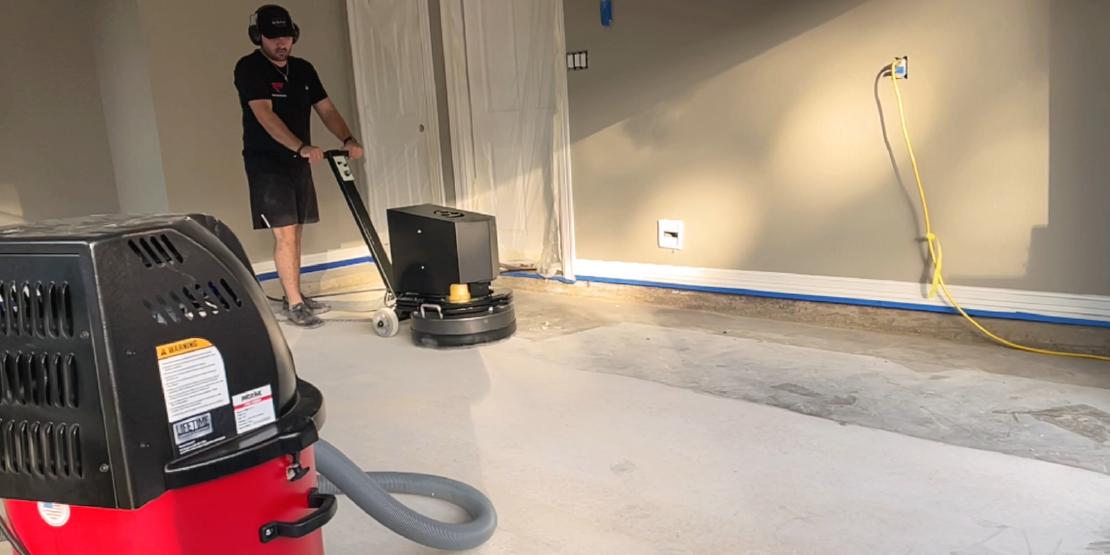
Epoxy flooring offers durability unparalleled by many other types of garage floor treatments. It exhibits a high resistance to impacts, chemicals, stains, and abrasive wear, making it ideal for garages that double as workshops or vehicle storage areas. The surface is smooth and seamless, yet it provides good traction even when wet, which is a safety asset. Despite these exceptional benefits, epoxy flooring demands considerable effort and precision during application, a factor that could call for professional handling. Proper surface preparation is critical to ensure the flooring adheres correctly and offers the much-desired longevity.
The Durability of Rubber Garage Floor Treatment
Constructed primarily from recycled materials, rubber garage floor treatments serve as an environmentally friendly solution for garage owners across the globe. The innate flexibility of rubber allows it to withstand stress perfectly, offering high durability even in rough garage conditions. Whether withstanding foot traffic or heavy machinery, rubber maintains its integrity without chipping or cracking, testament of its remarkable durability.
Despite its strength, an additional advantage of rubber flooring is its simple installation process. Unlike other traditional garage floor treatments, rubber can be rolled out onto the floor, cut, and fit into place, reducing the hassle and time associated with installation. Moreover, these rubber treatments provide excellent traction even when wet, thereby contributing to safety aspects in what can often be a high-risk space. This combo of durability and practicality makes rubber a smart choice for many.
Masonry Paint as a Garage Floor Treatment Option
A garage floor often falls victim to the harsh realities of daily wear and tear, resulting in a dull, stained, and unattractive surface. Masonry paint emerges as an effective solution for such scenarios, offering a simple, economical, and aesthetically pleasing alternative to more complex floor treatment options. Due to its novel composition, it forms a tough, waterproof layer that noticeably improves the garage floor’s stamina against challenges such as vehicles’ pressure, oil spills, and sharp objects.
The functional superiority of masonry paint is complemented by its visual attractiveness. It is available in a multitude of colors and finishes, allowing homeowners to pick an option that aligns with their personal taste and the broader aesthetic of their property. Furthermore, since it has the ability to fill minor cracks and holes present on the surface, it can help to transform an aged and rough garage floor into a smooth, clean, and vibrant area.
The Role of Sealers in Garage Floor Treatments
Sealers play a pivotal part in garage floor treatments. They act as a protective layer that guards the floor against harmful elements such as oil spills, chemical stains, moisture infiltration, and regular wear and tear. Furthermore, they are a critical factor in extending the lifespan of the floor, by preventing superficial and structural damage. This is because sealers penetrate into the concrete to block the capillaries and reduce absorption of water and destructive salts.
The process of sealing a garage floor can also enhance its appearance. Sealers can give the floor a glossy or matte finish, depending on the homeowner’s preference, which contributes to the aesthetic appeal of the garage. Additionally, they can also enrich the color of decorative treatments such as stained concrete and dye-infused floors, hence they are an integral part of garage aesthetic upgrade, along with their role in maintenance and increased longevity.
Comparison of Different Garage Floor Treatments
Diverse garage floor treatments exhibit different characteristics based upon the materials they are made from, and the specific needs they cater to. Polyurea and Epoxy treatments are popularly known for their durable nature and better resistance to chemicals, making them suitable for garages that house various mechanical workings. However, they require professional application and may be on the higher end of cost spectrum. Epoxy treatments do offer a variety of customizability options in terms of design and color, providing a blend of functionality and aesthetics, which can be a tipping point for some homeowners.
The more economical alternatives include masonry paint and sealers. Masonry paint provides a fresh and clean look but may not hold up well against heavy usage or chemical spills. Sealers, on the other hand, prevent the absorption of oils and chemicals into the concrete floor but may need regular reapplication due to wear and tear. Rubber flooring provides an amalgamation of durability and affordability, with an added benefit of noise reduction. However, it may not offer the same level of chemical resistance as Polyurea or Epoxy. Understanding these varying advantages and drawbacks can help homeowners decide the most suitable treatment for their garage floors.
Factors to Consider when Selecting a Garage Floor Treatment
When embarking on the quest for a perfect garage floor treatment, multiple factors come into play. Budget, for instance, plays a vital role in the selection process. The cost of materials for the treatment, labor charges (if the application is handled professionally), and the long-term maintenance costs should all be taken into account. Furthermore, one should evaluate the durability of the selected floor treatment. This focuses on how well the treatment can withstand factors such as temperature changes, moisture, chemical exposure, and heavy traffic.
Another important consideration is the appearance. The aesthetics of the garage could influence the overall appeal of a property, thus, one must pick a treatment that not only meets functional requirements but also appeals visually. Finally, there is the matter of the installation process. Some treatments are easier to apply than others, and the time taken for application and drying could influence the choice, especially if the garage space is in regular use. Selecting a garage floor treatment is a balance of these considerations, aiming to achieve a solution that offers a blend of utility, style, and value for money.
How to Maintain Your Chosen Garage Floor Treatment
Proper maintenance of the chosen garage floor treatment is pivotal for extending its lifespan and preserving its aesthetic appeal. Regardless of the chosen material, routine inspection is essential. Check for any signs of wear or damage such as chips, cracks, or changes in color and texture. Small damages can be fixed before they become severe, leading to significant saving costs in the long-run. It is also beneficial to clean your garage floor regularly to remove dirt, dust, and oil stains that can deteriorate the quality of your garage floor treatment.
Most garage floor treatments, including polyurea, epoxy, rubber, and masonry paint benefit from an occasional deep cleaning process. Use suitable cleaning agents, avoiding extremely harsh chemicals that could damage the floor surface. For instance, a mild detergent in warm water works well for epoxy floors, while a basic soap and water solution can clean a rubber garage floor effectively. It is also advisable to protect the floor from heavy impacts and extreme temperatures whenever possible, especially in the case of more delicate treatments like masonry paint. By following these steps, the chosen garage floor treatment can maintain its functionality and visual appeal for a long time.
Professional Application Vs. DIY Garage Floor Treatments
One of the foremost decisions homeowners grapple with when it comes to garage floor treatments is whether to take on the task themselves or enlist the expertise of professionals. Both approaches come with their unique advantages and potential challenges, and the choice often hinges on factors such as budget, available time, individual skills, and the complexity of the project.
When individuals choose the DIY route, they not only have the satisfaction of complete control over the project, but most often, it can also be a cost-saving venture. However, it requires skill, time, and a good understanding of the materials and tools involved. On the other hand, opting for a professional application guarantees a high level of precision, speed, and proficiency. Professionals carry an arsenal of experience, knowledge of latest products, technical know-how, and are equipped to handle unexpected challenges. The downside could be the cost, as professional services are almost always pricier than the DIY approach.
Cost Analysis of Various Garage Floor Treatments
When considering the expenses involved in treating garage floors, the costing structures vary significantly based on the type of material and the duration of implementation. For instance, epoxy floor treatment, one of the most widely used solutions, averages around $3 to $12 per square foot based on the quality and the complications involved in the installation. Conversely, another popular choice - Polyurea floor treatment, though expensive initially, often proves cost-effective in the long run due to its durability. The initial cost for Polyurea coating generally sits between $5 to $15 per square foot.
Rubber garage floor treatments and masonry paint both offer the advantage of lower upfront costs. Rubber treatments range between $1 to $5 per square foot while masonry paints cost even less, although their longevity can be questionable. Sealers and other topical treatments also lean towards the more cost-friendly end of the spectrum, offering initial budgets under $3 per sq foot, while providing a lower level of protection. Choosing the right treatment option involves a balance between budget, longevity, and the specific use-cases for your garage.
Future Trends in Garage Floor Treatments
Garage floor treatments are not immune to the tide of innovation and technology. Nowadays, we are seeing a shift towards environmentally-friendly and sustainable options. Green or eco-friendly flooring solutions are expected to grow in popularity. These treatments not only have a decreased environmental impact but also often introduce health advantages due to decreased emission of volatile organic compounds (VOCs). There is also increased interest in materials crafted from recycled elements, such as recycled rubber, further demonstrating the industry’s commitment to sustainability.
Another intriguing development is the incorporation of smart technology into garage floor treatments. Intelligent coatings that can adapt to temperature changes, self-heal minor damages, and resist stains better than their traditional counterparts are in development. Additionally, finishes that can enhance brightness and improve energy efficiency in the garage have become a talking point among industry experts. With artificial intelligence and the Internet of Things (IoT) becoming pervasive in home automation, it won’t be surprising to see these technologies incorporated into garage floor treatments in the near future.
What is the importance of garage floor treatments?
Garage floor treatments are crucial to protect the floor from damage due to heavy traffic, harsh chemicals, oil spills and temperature fluctuations. They also enhance the overall look and durability of the garage floor.
What are some of the materials used in garage floor treatments?
Various materials like polyurea, epoxy, rubber, masonry paint, and sealers are commonly used in garage floor treatments.
Can you elaborate on the pros and cons of using polyurea for garage floor treatment?
Polyurea is highly durable, resistant to chemicals and has a fast curing time. However, it can be quite expensive and may require specialized application techniques.
How does epoxy flooring fare for garage floor treatments?
Epoxy flooring is popular due to its durability, chemical resistance, and wide variety of colors and patterns. However, it can be slippery when wet, and application requires precise preparation.
What can you tell me about the durability of rubber garage floor treatments?
Rubber garage floor treatments are highly durable, offer excellent shock absorption and are resistant to most chemicals. They can, however, be susceptible to cuts from sharp objects.
How does masonry paint work as a garage floor treatment?
Masonry paint can be a cost-effective garage floor treatment, providing a clean and simple look. However, it is less durable and resistant to chemicals compared to other treatments.
What role do sealers play in garage floor treatments?
Sealers are used to provide an extra layer of protection to the garage floor. They prevent moisture penetration, resist stains, and enhance the longevity of the floor.
How should I choose a garage floor treatment?
Selecting a garage floor treatment depends on various factors like your budget, the type of use your garage gets, your aesthetic preference, and the climate in your region.
How do I maintain my garage floor treatment?
Maintenance depends on the type of treatment used. Generally, regular sweeping and occasional mopping with suitable cleaners are required. Some treatments may require reapplication or sealing over time.
Is it better to have a professional apply garage floor treatments or can I do it myself?
While DIY kits are available, a professional application ensures proper preparation and application, leading to a more durable and long-lasting finish.
How much does it cost to get a garage floor treatment?
The cost varies greatly depending on the type of treatment chosen, the size of your garage, and whether you opt for a professional application or a DIY approach.
What are some future trends in garage floor treatments?
Future trends include eco-friendly materials, advanced sealers for better protection, and innovative designs and patterns to enhance aesthetic appeal.