
Coating Solutions for Garage and Workshops
Understanding the Importance of Floor Finishes in Workspaces
Floor finishes play an integral role in defining the functionality and aesthetic appeal of workspaces. They not only enhance the appearance of a room but also protect the floor from wear and tear, make it easier to maintain, and improve the safety and comfort level of the workspace. Therefore, specifiers, building owners, and facility managers see value in investing in high-quality, appropriate floor finishes that meet their specific needs and objectives.
Different types of floor finishes, such as epoxy, concrete sealers, and polyurethane finishes, offer a wide range of features and benefits. For instance, epoxy finishes are highly durable, water-resistant, and easy to clean, making them ideal for industrial spaces. Concrete sealers, on the other hand, help protect the floor from chemical exposure, moisture, dirt, and stains, thereby extending the life of the floor. Polyurethane finishes form a protective barrier on the floor’s surface, ensuring long-lasting gloss and resistance to scratches. By understanding the benefits different floor finishes provide, businesses can make an informed decision and choose a finish that aligns with their workspace’s specific requirements and goals.
Selecting the Ideal Finish for Your Workspace
When the decision arises to choose a flooring finish for your workspace, many factors come under consideration. It’s crucial to understand that the perfect flooring finish differs from one workspace to another. The choice should align with the specific needs of the firm and the nature of the tasks undertaken. High-traffic workspaces bound to experience heavy machinery usage may go for durable epoxy finishes. In contrast, spaces that seek to provide aesthetic appeal might lean towards a polyurethane finish. One must take into account the stress that the floor is expected to endure and the desired longevity of the finish.
Additionally, a consideration of the cost involved, both initially and over the floor’s lifespan, is critical. A cost-effective finish such as concrete sealers might be ideal for spaces on a tight budget. This, however, may mean some sacrifice on the appealing look. For premium spaces where cost is not as important, marble or ceramic tile finishes can elevate the look of the entire workspace. The maintenance requirements and environmental considerations should also be factored in; sustainable green options are becoming increasingly in demand. The right floor finish for a workspace can enhance its appeal, durability, and overall functionality without compromising worker safety or comfort.
Benefits of Epoxy Finishes for Industrial Spaces
Epoxy finishes offer significant advantages to industrial spaces that go beyond a visually appealing surface. These floor finishes lend themselves to an environment of durability, functionality, and longevity, making them a popular choice for facilities where heavy equipment, machinery, or high-traffic usage are a daily occurrence. These robust finishes resist damage from physical impacts, chemical spills, and harsh abrasions, significantly enhancing the lifespan of the underlying floor. While enhancing durability, epoxy finishes ensure flooring retains its pristine condition for extended periods, eliminating frequent and costly replacements.
In addition, epoxy finishes contribute to the safety and cleanliness of industrial facilities. With enhanced light reflectivity, these finishes can dramatically boost illumination in the workspace, thereby promoting improved visibility and safety. Additionally, the nonporous nature of epoxy flooring makes it resistant to spills and stains, an essential feature in industries where chemicals and other liquid hazards are prevalent. This trait not only maintains the cleanliness of the floor surface but minimizes potential contamination scenarios, fostering a healthy workplace environment. Furthermore, the ease of cleaning and maintenance offered by epoxy finishes warrants an additional layer of convenience for industries.
Concrete Sealers: A Comprehensive Review
The wide variety of concrete sealers available in the market today can indeed make the process of making a choice quite daunting. However, understanding the distinct features, benefits, and limitations of each variant can significantly ease this decision-making process. Concrete sealers are essentially solutions formulated to prevent the absorption of water, oil, and other harmful substances by the concrete surface. Importantly, they also help to slow the natural wear and tear, thereby prolonging the life of the concrete.
Distinct types of concrete sealers include acrylic sealers, epoxy sealers, and penetrating sealers to name a few. Acrylic sealers are popular for their cost effectiveness and UV resistance, making them an ideal choice for outdoor spaces. Epoxy sealers, with their superior sheen and protective qualities, are often preferred in high traffic areas. Penetrating sealers, on the other hand, offer excellent resistance to de-icing chemicals and are therefore a preferred choice for cold climates. Each sealer has its strengths and should be chosen based on the unique requirements of your workspace.
Polyurethane Finishes: What You Need to Know
Polyurethane finishes are a pivotal choice for many businesses looking to enhance the aesthetic appeal and durability of their workspace flooring. The attention to these finishes is largely due to their resilient nature and renowned resistance to physical and chemical damage. Often found in workspaces with high foot traffic, such as retail stores, offices, or warehouses, these finishes offer enhanced durability while maintaining a sleek, modern look.
Applying polyurethane finishes comes with its unique set of prerequisites. The workspace floor to be treated ought to be properly prepared by being thoroughly cleaned and primed. Essentially, the cleaner the surface, the better the finish will adhere, optimizing the durability and longevity of the application. Hence, despite the seemingly daunting task of preparation, businesses stand to gain long-term benefits from choosing Polyurethane finishes.
Analyzing the Durability of Various Floor Finishes
Different work environments require varying degrees of floor durability, which significantly influences the selection of suitable material finishes. Primarily, epoxy finishes represent the pinnacle of resilient flooring, displaying an impressive ability to withstand substantial foot traffic, heavy machinery flow, and chemical exposure. High-traffic commercial spaces such as hospitals and supermarkets often employ this finish, capitalizing on its durability and ease of maintenance. Subsequently, this upholds its position as a top choice for heavy-duty workplaces.
On the contrary, while polyurethane finishes possess their unique set of strengths - including scratch resistance, moisture protection, and UV damage prevention - they arguably lack the sturdy resilience of epoxy in rough industrial environments, hence, their extensive application in residential and low-traffic commercial spaces. Moreover, concrete sealers laudably offer excellent resistance against moisture and chemical penetration, yet they may fall short when subjected to severe physical strains, necessitating frequent reapplications. Despite variances in durability, the correct applicability of each finish can optimize functional longevity.
How to Apply an Epoxy Finish: A Step-by-Step Guide
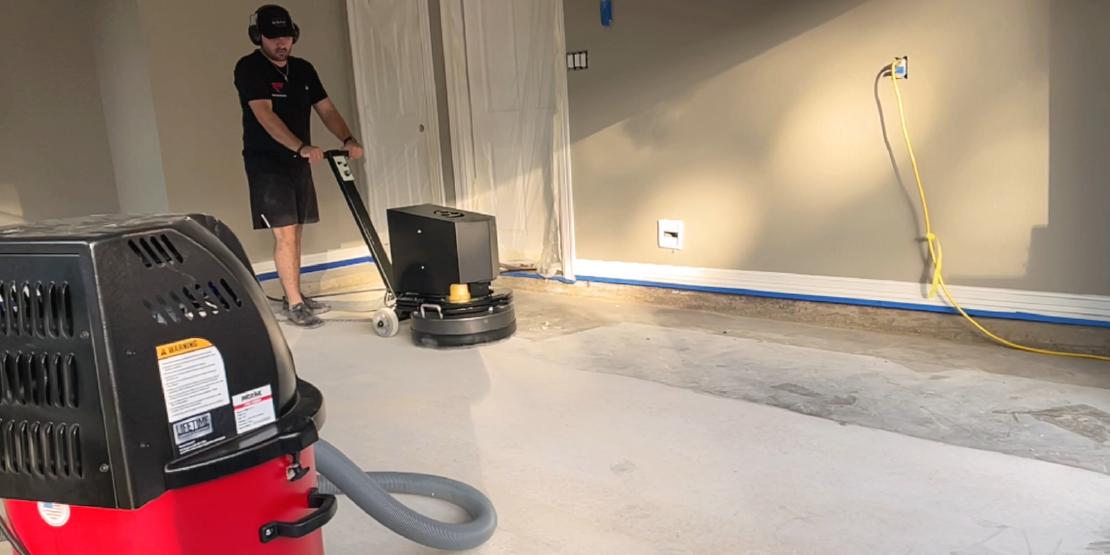
Before venturing into the application of an epoxy finish, it’s crucial to ensure your workspace is prepped adequately. The first step is to clean the floor thoroughly. Sweeping and scrubbing the area will remove any dirt, grease, or oil. This is followed by etching the floor, which opens up the pores of the concrete allowing the epoxy to bond better. A diluted muriatic acid solution works well for etching; remember to rinse the floor after this process to neutralize the acid and remove any leftover residue.
Once the floor is prepped and dry, we can get started with the much-awaited epoxy application. Begin by mixing your epoxy resin and hardener following the manufacturer’s instructions. It’s crucial to get the mix proportions right to ensure a durable and long-lasting finish. The mixed epoxy solution is then applied using a roller in thin, even layers, starting from a corner and gradually working your way out of the room. Between layers, allow sufficient drying period as suggested by the manufacturer. Finally, a clear topcoat application seals and protects the epoxy finish. Please note that while the process might sound straightforward, it does require significant attention to detail and adherence to safety measures, considering the harsh chemicals involved.
Maintenance Tips for Concrete Sealed Floors
Regular cleaning is critical to maintaining the shine and longevity of concrete sealed floors. A soft bristle broom should be used to sweep the surface or a microfiber mop to remove dust effectively. To deal with denser grime and dirt, a damp mop and a pH-neutral cleaner can be utilized. It’s important that you refrain from using harsh, chemical cleaners that can damage the sealer and dull the finish of your floor significantly.
Despite being renowned for its durability and low maintenance, concrete sealed spaces can display visible wear over time. Treating scratches and tears promptly can prevent the problem from escalating and also enhance the durability of the floor. It is advisable to assess the floor periodically and reapply the sealer when necessary. Proper maintenance will extend the life of your concrete finishes, keeping them looking fresh and new for years to come.
The Role of Polyurethane Finishes in Protecting Your Floor
Floor protection is a crucial factor for any workspace, with polyurethane finishes playing an integral role in ensuring long-term durability and maintenance. Polyurethane, as a powerful sealer, provides a strong barrier between the surface of the floor and potential damages. It acts as a guard against spills, scratches, temperature changes, and heavy foot traffic. This protective layer significantly extends the life of the flooring, reducing the necessity for frequent replacements.
When it comes to perfecting aesthetic features of the workspace floor, polyurethane finishes display immense versatility. They can add either a high-gloss or a satin sheen finish to the floor, enhancing its overall appeal, and can easily be used with a variety of floor materials like wood, concrete, and even terrazzo. Additionally, they offer UV protection to prevent yellowing of the floor surface. Ultimately, the deployment of polyurethane finishes significantly bolsters the longevity and appearance of your workspace floor.
Dealing with Common Problems of Floor Finishes
Floor finishes go a long way in enhancing the aesthetic appeal of any interior space and contributing to its longevity. However, they are not without their issues. A common problem associated with floor finishes is their tendency to peel off or wear down prematurely. This is typically due to the lack of a proper floor preparation process before the application of the finish or using a low-quality product. Another issue is discoloration caused by exposure to UV rays, excessive heat, or usage of harsh cleaning chemicals.
To mitigate the peeling problem, ensure that the floor is thoroughly cleaned, dry, and free of old finish residues prior to the new finish application. High-quality finishes known for their durability and wear-resistance should be chosen over cheaper alternatives. When dealing with discoloration, light-stable finishes should be preferred, especially in setting exposed to sunlight. Furthermore, heat exposure should be minimized, and cleaning products should be chosen carefully, considering their chemical components and potential impact on the floor finish.
Exploring Green and Sustainable Floor Finish Options
The advent of green and sustainable solutions in various sectors, including floor finishes, is revolutionizing the way people perceive commercial environments. Not only do these environmentally-friendly alternatives reduce the carbon footprint of a business, but they also come with several other benefits that can enhance workspace aesthetics and utility. Eco-friendly floor finishes, crafted from renewable resources like plant-based oils, offer low volatile organic compound (VOC) emissions, safe application and disposal, and considerable durability. These options provide an excellent alternative to conventional petroleum-based finishes which often carry a high environmental cost.
The variety available in green and sustainable floor finishes is impressive. Bamboo and cork are popular options due to their natural resilience and renewable nature. Meanwhile, recycled materials have also gained traction, with options such as rubber flooring being ideal for high-traffic areas. However, one standout option noticeably gaining momentum is polished concrete. This alternative not only utilizes the existing floor slab but also provides a sleek, modern aesthetic without requiring any synthetic coatings or sealers. It’s durable, low-maintenance, and, above all, eco-friendly, promoting a healthier and more sustainable working environment. Continuing from this, linoleum is another green and sustainable floor finish option that has been around for over a century. Made from linseed oil, pine rosin, wood flour, cork dust and limestone dust on a jute backing, it’s completely biodegradable and recyclable. Moreover, its manufacturing process does not emit harmful VOCs or other pollutants.
Here are some notable benefits of using eco-friendly floor finishes:
• They are made from renewable resources: Many green flooring options like bamboo and cork come from rapidly renewable sources. This means they can be harvested without depleting the planet’s resources or causing significant environmental harm.
• Low VOC emissions: Conventional floor finishes often release volatile organic compounds (VOCs) into the air during application and throughout their lifespan. These substances can cause health issues such as headaches, dizziness and respiratory problems. Green alternatives significantly reduce these emissions.
• Safe disposal: Eco-friendly floor finishes are typically safe to dispose of because they do not contain toxic chemicals that could leach into groundwater supplies or contribute to landfill pollution.
• Durability: Despite being environmentally friendly, these materials do not compromise on durability. Options like polished concrete or recycled rubber provide excellent wear resistance in high-traffic areas.
In conclusion, choosing an eco-friendly floor finish contributes positively towards reducing your business’s carbon footprint while also enhancing workspace aesthetics and utility with durable materials that require minimal maintenance.
Cost Analysis: Comparing Different Floor Finish Options
Selecting an ideal floor finish greatly hinges on its cost. Whether you are considering hardwood, concrete sealers, or epoxy finishes, a comprehensive cost analysis becomes indispensable. It helps you make a more informed decision, striking a balance between durability, maintenance requirements, and aesthetics, all within a stipulated budget.
Polyurethane finishes and epoxy are often seen as cost-effective solutions for heavy usage areas, offering resilience to wear and tear and longevity. As a high-performance option, epoxy proves cost-efficient for industrial spaces as it resists chemical spills and heavy machinery pressure. Hardwood finishes, despite being relatively expensive, add a touch of luxury and sophistication, enhancing the workspace appeal. On the other hand, concrete sealers, though cost-effective in the short term, may require higher maintenance expenses in the long run. Remember, the cheapest option may not always represent the best value in terms of lifespan and maintenance.
Real-Life Success Stories: Impact of Proper Floor Finishes in Workspaces
A prime example of the impact of proper floor finishes in the workspace comes from a case study of a busy commercial kitchen. Prior to the installation of high-grade epoxy floor finishes, the kitchen floor was prone to significant wear and tear from high foot traffic and exposure to various food and cleaning chemicals. With the implementation of epoxy floor finishes, the kitchen now enjoys an outstanding level of durability and aesthetic appeal. The cleaning process became simpler and less time-consuming, thereby increasing overall productivity levels.
Another recent example involves an automotive dealership that faced immense difficulties due to a lack of proper floor finish over its expansive showroom and service areas. With the deployment of industrial grade polyurethane finish, the dealership experienced tangible changes in maintenance and durability. The floor’s resistance to oil, solvents, and abrasion dramatically improved. Furthermore, the glossy finish of the polyurethane significantly enhanced the aesthetic appeal of the showroom, leaving a positive impression on prospective customers. These examples illuminate the importance of choosing the right floor finish in accordance with the specific needs of a workspace.
Why are floor finishes important in workspaces?
Floor finishes are important in workspaces as they not only enhance the aesthetic appeal but also increase the durability of the floors. They protect the floor from wear and tear, spills, and other damages, ensuring a longer lifespan.
How can I select the ideal finish for my workspace?
The selection of the ideal floor finish depends on the type of your workspace, the amount of foot traffic it receives, and your budget. It is also important to consider factors like ease of maintenance, durability, and environmental impact.
What are the benefits of epoxy finishes for industrial spaces?
Epoxy finishes are popular in industrial spaces due to their high durability, resistance to chemicals, and ability to withstand heavy foot traffic. They also provide a smooth and shiny surface which is easy to clean and maintain.
Can you provide a quick review of concrete sealers?
Concrete sealers are a type of floor finish that protect the concrete from external factors like water, oil stains, and damage from heavy machinery. They also enhance the appearance of the concrete by adding a glossy or matte finish.
What do I need to know about polyurethane finishes?
Polyurethane finishes are known for their high durability and resistance to scratches and spills. They provide a hard, protective layer over the floor, making them ideal for high-traffic areas.
How durable are various floor finishes?
The durability of floor finishes varies depending on the type. Epoxy and polyurethane finishes tend to be the most durable, while natural finishes like oil or wax may require more frequent maintenance.
How can I apply an epoxy finish?
Epoxy finishes are applied in multiple layers over a clean, dry floor. The process involves preparing the floor, mixing the epoxy, applying the layers, and allowing ample time for curing.
How should I maintain a concrete sealed floor?
Concrete sealed floors should be cleaned regularly with a pH-neutral cleaner to avoid damaging the sealer. Spills should be cleaned up promptly to prevent staining.
What role do polyurethane finishes play in protecting my floor?
Polyurethane finishes create a strong, protective barrier over the floor that shields it from scratches, spills, and other potential damage. They also enhance the appearance of the floor by adding a glossy shine.
What are some common problems with floor finishes?
Common problems with floor finishes can include peeling, bubbling, discoloration, and a lack of durability. These issues can often be prevented with proper application and maintenance.
What are some green and sustainable floor finish options?
Green and sustainable floor finish options include natural oil finishes, wax finishes, and finishes made from renewable resources. These options are environmentally friendly and often have lower VOC emissions.
How can I compare the cost of different floor finish options?
Comparing the cost of floor finishes involves considering not only the initial cost of the finish and installation, but also the cost of maintenance and potential lifespan of the finish.
Can you share some real-life success stories of the impact of proper floor finishes in workspaces?
Numerous businesses have seen the benefits of investing in proper floor finishes, from improved aesthetics and durability to increased employee productivity and customer satisfaction. Specific stories would depend on the businesses discussed in the article.