
Coating Systems for Cold Storage Areas: Special Considerations
Understanding the Importance of Cold Storage Area Maintenance
Cold storage area maintenance plays a crucial role in preserving the quality and extending the shelf life of perishable items such as fruits, vegetables and other food products. With adequate maintenance, it ensures the storage conditions remain at an optimum level, preventing spoilage due to temperature fluctuations, moisture or bacteria. In this context, cold storage maintenance goes beyond basic cleaning. It prioritizes the maintenance of temperature controls, ventilation systems, and sealing materials, among others, thereby maintaining the overall operational efficiency of the facility.
Coated surfaces in cold storage areas, in particular, demand meticulous attention. They serve as the first line of defense against thermal transfer, moisture, and bacteria. A well-maintained coating ensures a leak-proof and insulated environment which is vital in cold storage applications. Regular monitoring and properly scheduled maintenance of these coatings can prevent potential damages such as corrosion, peeling, or cracking. It can also lead to significant cost savings, considering the high cost of potential product spoilage or damage to the cold storage unit itself.
The Role of Coatings in Maintaining Cold Storage Units
Cold storage units, encapsulating a variety of industries from food preservation to medical supply storage, rely heavily on the structural integrity and thermal efficiency of their environments. In this context, coatings play a pivotal role, offering an essential layer of protection to these specialized storage areas. Their paramount purpose is to protect the storage unit both physically and thermally, ensuring that not only the external structure remains intact but also the operational efficiency of the unit is maintainded.
In terms of physical protection, coatings offer a barrier against corrosion, a common issue in cold storage environments. This corrosion often arises due to the constant exposure of the unit’s metal components to extreme cold and varying moisture levels. Meanwhile, thermally, coatings help maintain a consistent internal temperature, a crucial factor for preserving the quality of stored items, ultimately aiding in achieving energy efficiency. So, clearly, coatings contribute directly to the overall longevity and efficiency of the cold storage unit.
Types of Coatings Suitable for Cold Storage Environments
In the sphere of cold storage, several types of coatings have proven particularly effective. Perhaps most well-known are the epoxy coatings which offer strong adhesion and impressive durability. These are often favored due to their resistance to chemicals and abrasion, both potentially critical factors in cold storage environments. With additionally beneficial qualities such as waterproofing capability and easy maintenance, epoxy coatings continue to remain a popular choice in the industry.
Polyurethane coatings also enjoy considerable success in cold storage areas. These coatings are known for their robustness and superior resistance to wear and tear. Notably, they excel in conditions where temperatures fluctuate, an attribute that makes them suitable for spaces with diverse storage requirements. Despite a more complex installation process, the high performance of polyurethane coatings warrants earnest consideration when outfitting cold storage facilities.
Factors to Consider When Choosing a Cold Storage Coating
When selecting a coating for a cold storage area, various elements are crucial. One significant consideration is the coating’s ability to withstand frigid temperatures. Cold Storage Coatings should maintain their structural integrity and adhesive properties, even in ultra-low temperatures. They should resist cracking, chipping, or peeling which often result from temperature-induced contraction or expansion. Coatings that fail to perform under extreme cold can compromise the wall’s insulation capabilities, leading to higher energy costs and decreased efficiency of the cold storage unit.
In addition to resistance to cold, the coating’s resilience against common operational hazards is equally vital. A high-quality Cold Storage Coating should have sufficient resistance to abrasion and impact damage, both of which can occur due to the movement of goods and handling equipment within the cold storage area. Furthermore, the coating should also demonstrate high resistance to chemicals and moisture, preventing corrosion and mold growth on the surface, thus ensuring the cold storage area remains sanitary and safe for food or pharmaceutical storage.
The Impact of Temperature on Coating Selection
When it comes to selecting a coating for cold storage environments, temperature plays a determining factor. Temperature directly affects the performance of the coating, both during the application process and throughout its service life. Coatings are designed to function within certain temperature ranges; hence specifications by the manufacturer are crucial guidelines to adhere to. A coating that is not suitable for a particular temperature range can lead to premature degradation, resulting in potential product contamination and increased maintenance costs.
A detailed examination of the storage environment is a critical first step. Not just the current temperature, but the fluctuations in the cold storage unit need to be carefully analysed. Certain coatings are designed to withstand temperature variances while some are only suitable for stable environments. Such considerations are important in preventing potential damages such as cracking or peeling that can happen due to changes in temperature. This way, an appropriate coating can be selected, ensuring durability and effectiveness in the long run.
How to Prepare Your Cold Storage Area for Coating Application
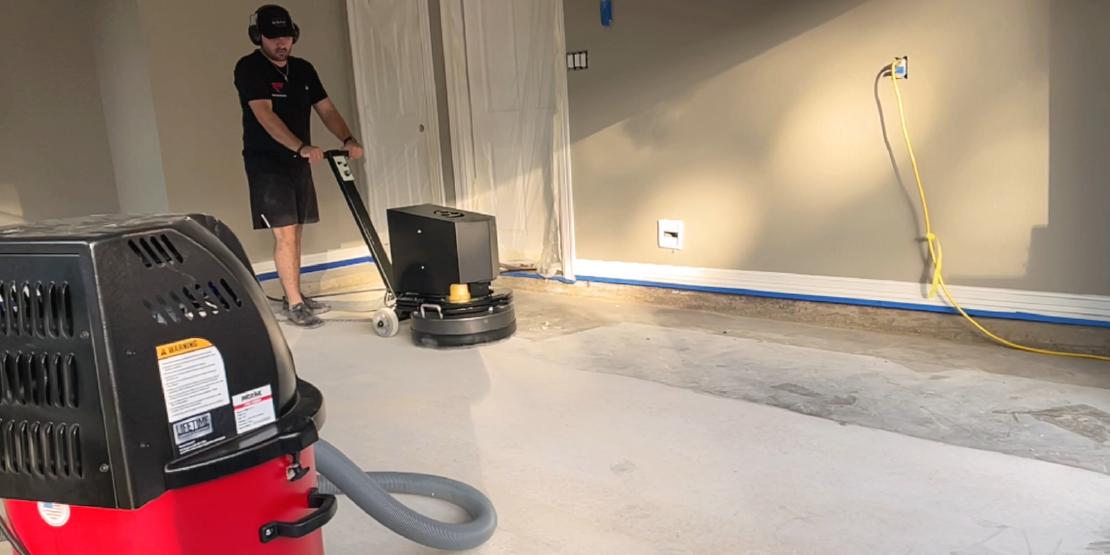
Preparing a cold storage area for coating application is an integral part of ensuring the longevity and effectiveness of the coating. It initially involves a thorough cleaning process to rid the surface of any foreign materials, such as dirt or grease. This is often done by pressure washing or steam cleaning with appropriate solvents or degreasers. Moreover, the surface must be allowed to completely dry before the onset of the application process.
The second step in preparing a cold storage unit for coating application is the assessment of existing damage, including corrosion, heavy soiling, dents, or chipping. Any such areas should be patched, repaired or sanded down smoothly to enhance the durability and adhesion of the new coating. After all, uneven surfaces can lead to an inconsistent layer of coating, subsequently reducing its efficiency in providing insulation and protection.
Step by Step Guide to Applying Coatings in Cold Storage Areas
Applying coatings in cold storage areas requires precision and adherence to specific procedures. To begin with, the area must be thoroughly cleaned of any loose particles or debris. Once clean, the space should be dried effectively to ensure no moisture exists. The coating chosen should be mixed as per the manufacturer’s instructions with careful attention to the recommended ratios. Always test the mixture on a small, hidden area to verify compatibility and desired appearance.
Post mix verification, begin applying the coating using a brush, roller or spray gun, depending on the product specifications. Ensure the layer is even and consistent, avoiding puddles or drips. Allow the first coat to dry completely as per the instructed duration. Once dried, assess the coating and identify any spots that may need additional cover. Apply the second layer, if necessary, and remember to allow ample drying time between coats. Regular maintenance and checks should be scheduled to retain the quality of the coating over time.
Maintaining the Quality of Cold Storage Coatings Over Time
Ensuring the longevity and efficacy of cold storage coatings requires consistent observation and maintenance. Over time, these coatings may start to break down because of the harsh conditions inside the cold storage unit. Issues such as moisture, temperature fluctuations, and physical impact from storage goods can all lead to deterioration. It is essential to monitor the state of these coatings, assess any warning signs of degradation and carry out necessary upkeep tasks to maintain the quality of the coatings.
Several practices can be implemented for maintaining the quality of these coatings. Regular inspections are key in detecting impending problems and addressing them before they become critical. Protective measures such as periodic re-application or touch-ups based on the coating manufacturer’s advice can help ensure their lifespan. In addition to atmospheric factors, the type of materials being stored in these units also impacts the coatings’ wear and tear. Therefore, the type of goods stored, their handling, and spatial arrangement should also be considered in managing the coatings on cold storage units over time.
Common Problems Encountered with Cold Storage Coatings and How to Address Them
Over time, various issues may surface while maintaining cold storage facilities with coatings. Among the most frequently encountered is the failure of the coating adhering to the cold surface properly, leading to its premature peeling and flaking. Such occurrences not only affect the insulation and energy efficiency of the storage units, but can also potentially compromise the quality of stored items. Incorrect selection of coating types, subpar application process, and lack of proper surface preparation before the application are often the culprits behind these pitfalls.
To effectively address these challenges, the first step is correctly diagnosing the root cause. Professionals often conduct detailed inspections to identify problematic areas and their potential origins. Once ascertained, remedial measures can include surface re-preparation, selection of appropriate coating, and employing adequate application methods. Furthermore, implementing regular inspection and maintenance schedules can go a long way in ensuring the longevity and effectiveness of the cold storage coatings. Regular checks can identify minor issues before they escalate into major problems, thus maximizing the lifespan and effectiveness of the coatings in these critical environments.
Innovative Coating Technologies for Enhanced Cold Storage Protection
New advancements in coating technology have brought forward improved protection for cold storage areas. These developments are crucial in tackling the challenges posed by the extreme conditions present in these environments. Nanotechnology has started to play a significant role in this sector. Coatings enhanced with nano-particles have shown marked resistance against temperature fluctuations, corrosion, and moisture, which are common in cold storage environments.
On the other hand, the introduction of smart coatings brings additional functionality. These coatings can respond to changes in their environment. For instance, they can release antimicrobial compounds to prevent the growth of microorganisms, which are a major threat in food storage spaces. These innovative coatings not only prolong the life span of the infrastructure but also help maintain the quality and safety of the products stored. These advancements clearly indicate the value of investing in innovative coatings for cold storage protection.
Case Study: Successful Coating Application in a Large Cold Storage Facility
Located in the Midwest, a sizable cold storage facility recently underwent a transformation that resulted in a significant enhancement in its operational efficiency. The focal point of this improvement was the effective application of appropriate cold storage coatings. At the beginning of the project, the main challenges included deteriorating walls, floors, and ceilings impacted by cold and moisture. The team in charge opted for high-performance polyurethane coating to overcome these challenges.
The application process was carried out systematically, beginning with a thorough preparation of the surfaces. This included cleaning and removal of any existing, degraded coatings. The new polyurethane coating was then applied, providing a strong, durable barrier against cold and moisture. In the months following the application, the facility reported improved conditions, including easier maintenance, less ice build-up, and overall enhanced structural integrity. This case echoes the importance of the right coating selection and professional application in maintaining a functioning, efficient cold storage area.
Best Practices in Ensuring Longevity of Coatings in Cold Storage Areas
Consistent monitoring and regular maintenance play a significant role in ensuring the longevity of coatings within cold storage areas. Proper preparatory steps are crucial, such as thorough cleaning of surfaces, timely application, and ensuring that the correct mixture ratios are maintained. Furthermore, the ideal environmental conditions for application should be followed. Regular inspections can help identify areas where the coating has thinned or cracked, thus making it possible to make timely interventions. It’s prudent that any discovered anomalies, such as bulges or blisters, are rectified promptly. Fast, remedial measures often prevent minor issues from translating into major crises.
Over time, the persistent exposure of coatings to adverse conditions may lead to the development of damage. As such, the coating’s natural wear and tear, age, and the storage environment’s conditions should be considered when planning for maintenance work. Specifically, it’s essential to conduct appropriate routine checks for moisture content and temperature fluctuations within the storage areas. Remember that continuous monitoring and immediate action on identified issues translate into longer-lasting and more efficient coatings for cold storage environments. Essentially, longevity is guaranteed by a proactive approach towards maintenance, coupled with precise attention to detail.
The Future of Coating Technologies for Cold Storage Environments
In an ever-evolving industry, the advancements in coating technologies specifically designed for cold storage environments continue to be a compelling focus. The main goal is to create high-performance, sustainable solutions that provide superior protection and durability. An intriguing innovation on the horizon is the development of nano-structured coatings. These miniscule particles have the capability to improve thermal insulation, effectively reducing energy consumption and costs in cold storage facilities.
Moreover, the surge towards eco-conscious practices is driving towards the rise of green coatings. These coatings incorporate biodegradable and non-toxic components, making them environmentally friendly without compromising on performance. Anticipated to be the next big thing in the industry, green coatings hold the promise of combining impressive protective capabilities with sustainable practices in cold storage maintenance. An exciting future lies ahead for coatings technology with unprecedented opportunities for innovation and improvement. • Nano-structured Coatings: One of the most promising advancements in the field is the development of nano-structured coatings. These coatings are made up of tiny particles that can significantly improve thermal insulation, leading to substantial reductions in energy consumption and costs for cold storage facilities.
• Green Coatings: The industry’s shift towards more eco-conscious practices has led to an increase in demand for green coatings. These types of coatings incorporate biodegradable and non-toxic components, making them environmentally friendly without sacrificing performance.
• High-performance Solutions: The ultimate goal remains to create high-performance solutions that provide superior protection and durability. This includes developing coating technologies that can withstand extreme temperatures and other harsh conditions often found in cold storage environments.
• Sustainable Practices: In addition to being environmentally friendly, these advanced coating technologies also promote sustainable practices within the industry. By reducing energy consumption and utilizing non-toxic materials, they contribute towards a more sustainable future.
• Innovation Opportunities: With these exciting developments on the horizon, there are unprecedented opportunities for innovation within the coating technology industry. Companies have a chance to lead in this space by investing in R&D efforts focused on creating better-performing, more sustainable coating solutions for cold storage environments.
In conclusion, as we move into an era where sustainability is paramount while maintaining efficiency levels high; innovations like nano-structured and green coatings will likely dominate the market landscape with their unique blend of functionality and environmental friendliness - heralding a new age for coating technologies specifically designed for cold storage environments.
Why is the maintenance of cold storage areas important?
Maintenance of cold storage areas is crucial as it helps in ensuring the longevity of the stored products. Effective maintenance can also reduce the risks of product spoilage which can result in huge losses.
How do coatings help in maintaining cold storage units?
Coatings play a significant role in maintaining the integrity of cold storage units. They prevent corrosion and damage to the storage unit, which may be caused due to the sub-zero temperatures.
What are some types of coatings suitable for cold storage environments?
Some of the common types of coatings suitable for cold storage environments include epoxy coatings, polyurethane coatings, and cold-cure coatings.
What factors should be considered when choosing a coating for cold storage?
Some of the factors to consider include the temperature range of the storage unit, the type of products being stored, the specific requirements of the storage facility, and the cost of the coating.
Does temperature affect the selection of coatings for cold storage units?
Yes, the temperature of the storage unit can significantly affect the selection of a coating. Different coatings react differently to temperature changes, which can affect their performance and durability.
How should a cold storage area be prepared for a coating application?
The storage area should be thoroughly cleaned and any existing coatings or rust should be removed. The surface should be dry and free of contaminants before the new coating is applied.
What are some common problems encountered with cold storage coatings?
Some common problems include cracking and peeling of the coating due to temperature fluctuations, poor adhesion due to inadequate surface preparation, and corrosion due to moisture ingress.
Can you tell me about some innovative coating technologies for enhanced cold storage protection?
Innovative coating technologies include the use of nanotechnology for enhanced insulation and resistance, and smart coatings that can change their properties in response to environmental changes.
How can the quality of cold storage coatings be maintained over time?
The quality of the coatings can be maintained through regular inspections and touch-ups, proper cleaning, and ensuring the storage unit is kept within the recommended temperature range.
How can we ensure the longevity of coatings in cold storage areas?
Longevity of coatings can be ensured by applying the coating correctly, performing regular maintenance and inspections, and using high-quality coatings that are designed for the specific temperature range of the storage unit.
What does the future hold for coating technologies in cold storage environments?
The future of coating technologies in cold storage environments is promising, with innovations in nanotechnology and smart coatings leading the way. These technologies aim to improve the durability and performance of coatings, while also reducing their environmental impact.