
Coatings for Extreme Weather Conditions
Understanding the Need for Weather-Resistant Coatings
The adverse effects of extreme weather on both natural and man-made surfaces cannot be overstated. Rain, wind, heat, cold, and UV radiation can all cause substantial degradation, resulting in color fading, peeling, cracking or even structural damage over time. This is where the role of weather-resistant coatings becomes crucial.
Weather-resistant coatings are specially designed to provide a robust shield against harsh climate conditions. These coatings are imperative in maintaining not only the aesthetic appeal of surfaces but also their longevity and functionality. By routinely applying these coatings, we can protect surfaces from further weather-related damages, thus lengthening their lifespan and reducing the need for frequent repairs and replacements.
Exploring the Impact of Extreme Weather on Surfaces
Extreme weather conditions can have a profound impact on exposed surfaces. Extended periods of high heat or intense sunlight can cause paint to peel and discolour, while wooden surfaces can warp or crack. Over time, these weather conditions work to break down the integrity of the surface material, resulting in an unsightly and often unsafe environment.
On the other hand, freezing temperatures and heavy snowfall can also wreak havoc on surfaces. The freeze-thaw cycle can cause cracking and crumbling in concrete and other masonry materials. Constant exposure to moisture from snow or rain can lead to the growth of mildew and mold, which is not only aesthetically unpleasing but also poses health risks. The effects are not only experienced with exterior surfaces but also interior surfaces as weather extremes can cause issues with indoor materials, such as wallpaper, painted walls and floors.
Types of Weatherproof Coatings Available in the Market
There is a multitude of weatherproof coatings available in the market, each specifically engineered to tackle diverse climatic conditions. Among the most common types, the acrylic-based coatings stand out due to their excellent adhesion, UV resistance, and ability to withstand temperature fluctuations. Polyurethane coatings also demand attention, particularly due to their commendable abrasion resistance and toughness. They are commonly applied on surfaces that are subject to heavy traffic or mechanical stress.
Epoxy coatings are widely used in industries, capable of offering robust protection against harsh chemical environments and corrosion. Further in the line up, we find silicone coatings, known for their high-performance resistance to UV light and their capacity to endure extreme temperature variations. Cementitious coatings are preferred for their breathability and strong resistance to weathering. Moreover, fluoropolymer coatings take the spotlight for their colour-retention and gloss characteristics, making them a popular choice for buildings and structures seeking longevity combined with aesthetic appeal.
The Science Behind Weather-Resistant Coatings
Weather-resistant coatings have been meticulously engineered through years of scientific research and innovation. At the microscopic level, these coatings comprise of polymers, which are long chain molecules that are capable of forming a tight, durable bond with the surface material. This intricate bond deflects the harmful effects of various weather conditions such as extreme heat, cold, wind, UV radiation, and water. The specific science varies between different types of coatings designed to resist different weather elements, such as heat-resistant, UV-resistant, or water-resistant coatings.
Several types of weather resistant coatings operate on a principle called ’encapsulation’. This scientific phenomenon occurs when the surface material is completely sealed off or “encapsulated” with the weather-resistant coating. The encapsulating layer forms a strong, impenetrable barrier that prevents the harmful weather elements from directly interacting with the surface material. This protects the surface, enhancing its longevity and maintaining its appearance over time. The advanced scientific technology behind weather-resistant coatings is continually evolving, with new advancements aimed at improving the efficiency and effectiveness of these coatings.
How Heat-Resistant Coatings Work
Heat-resistant coatings occupy an essential cornerstone in the architectural, industrial, and aerospace sectors. Heat-resistant, or thermal barrier coatings, provide a thermally insulating layer, protecting materials from extreme temperatures and helping prevent degradation and loss of structural integrity. They create a barrier that reduces the amount of heat that is absorbed by a structure, allowing it to maintain cooler interior temperatures.
This unique performance can be attributed to several complex chemical and physical interactions. The primary component of these coatings is often high-temperature resistant resin interlaced with superior insulating materials, making a composite blend. These insulating materials have an inherent property of low thermal conductivity, allowing them to absorb and scatter heat energy within the coating’s framework, significantly reducing the surface temperature of the coated material. • The thermal barrier coatings work by creating a layer of insulation between the material and high temperatures. This prevents the heat from penetrating through, thus protecting the underlying structure. • These coatings typically consist of a high-temperature resistant resin which forms the base. It is interlaced with insulating materials that have low thermal conductivity properties.
The insulating materials used in these coatings can vary depending on their application but commonly include: • Ceramic particles: Their excellent thermal resistance makes them an ideal choice for such applications. • Glass microspheres: They are often used due to their ability to reflect heat away from surfaces. • Silica aerogel: Known for its extreme insulating properties, it’s often used in aerospace applications where weight is also a consideration.
The working principle behind these coatings involves several steps: • First, when exposed to high temperatures, the coating absorbs and disperses this energy within itself rather than allowing it to reach the underlying material. • Next, because of its low thermal conductivity property, much less heat gets transferred further into or across the coated surface. • Finally, as most of this absorbed heat remains trapped within the coating’s framework instead of being passed on to the material beneath it; this significantly reduces surface temperature.
In summary, • Heat-resistant coatings serve as protective barriers against extreme temperatures • They consist primarily of high-temperature resistant resins combined with superior insulating materials • They function by absorbing and scattering heat energy within themselves thereby reducing surface temperature • Commonly used insulators include ceramic particles, glass microspheres and silica aerogel
The Benefits of Cold-Resistant Coatings
In the realm of protective measures for building surfaces, cold-resistant coatings hold paramount importance. These specialized coatings offer an effective solution against damage caused by freezing temperatures, ice, sleet and snow. Markedly, their primary function is to maintain the structural integrity of the surface, preventing chilling winds and frost from causing brittleness, cracking, or structural failure. This aspect is of crucial significance in colder climates, where structures are constantly exposed to sub-zero temperatures.
Yet the advantages of these type of coatings extend beyond this primary protection. They contain aesthetic and functional benefits as well. One major advantage is that they prevent discoloration of the surface, providing a consistent and appealing appearance over the years. They are also designed to resist condensation, thereby preventing the growth of mold and fungus, which is common in cold and damp conditions. The long term economic benefits also cannot be overlooked. As these coatings extend the lifespan of the structure thereby reducing the need for regular repairs and replacements.
Wind-Resistant Coatings: An Overview
Wind is a natural phenomenon that, over time, can cause significant damage to buildings and other structures. This is where wind-resistant coatings come to the rescue. Wind-resistant coatings are specially formulated substances applied to various surfaces to protect them against wind-driven abrasion, debris impact, and particle erosion. These coatings are designed to have a stronger bond with the surface, allowing them to withstand high velocity winds and the constant battering of airborne particles.
Highly valued in a variety of sectors, including construction, aviation, and naval engineering, wind-resistant coatings provide essential protection for structures in harsh environments. By forming an ultra-durable, adhesive layer, these coatings significantly extend the lifespan of the surface. This makes them an indispensable addition to any project where a structure might face extreme wind conditions. Despite their tough nature, they also maintain the aesthetics of the material, offering not only defense but a pleasing visual result as well.
The Role of UV-Resistant Coatings in Protecting Surfaces
UV-resistant coatings play a crucial role in protecting surfaces from the damaging effects of ultraviolet (UV) radiation. UV radiation, a component of sunlight, is known to cause rapid degradation of many materials, including plastics, wood, and certain types of metal. This breakdown can lead to fading colors, reduced structural integrity, and an overall decline in the aesthetic and functional value of the material. UV-resistant coatings, therefore, protect these surfaces by absorbing, reflecting, or scattering the UV rays, minimizing damage and prolonging the lifespan of the material.
A plethora of materials can benefit from UV-resistant coatings owing to the extensive impact of UV radiation. For example, outdoor furniture and vehicles can experience significant fading and surface breakdown without adequate UV protection. Further, UV-resistant coatings also inhibit the growth of mold and fungi, often caused by UV-induced moisture absorption in materials, thus preventing further structural compromise. Therefore, integrating UV-resistant coatings becomes indispensable, ensuring durability and longevity of materials exposed to persistent sunlight and UV radiation.
Water-Resistant Coatings: A Detailed Discussion
The importance of water-resistant coatings extends far beyond aesthetics. These specially-formulated substances are commonly used as a protective measure to combat moisture infiltration, keeping structures sturdy and undamaged despite exposure to adverse weather conditions. They are designed to prevent the absorption of water into surfaces, whether it be wall, concrete, metal, or other types of materials. Water-resistant coatings provide a water-proof barrier that inhibits the onset of moisture-related damages such as corrosion, molds, decays, and other structural impairments.
The functionality of water-resistant coatings is primarily dictated by their chemical composition. Most of these coatings contain polymers, silicones, or resins that act as an impermeable barrier against water, permitting it to bead on the surface rather than infiltrating the material. When applied in multiple layers, these coatings form a physical fortress against the detrimental effects of moisture, including the inevitable consequences of freeze-thaw cycles. This, in turn, prolongs the lifespan of structures, potentially resulting in significant cost savings related to maintenance and repairs.
Application Process of Weather-Resistant Coatings
The procedure of applying weather-resistant coatings is guided by several factors. The initial step includes a thorough examination of the surface area to determine the kind of coating required. Both the structural material and the environmental conditions it is exposed to dictate what type of coating will be most effective. This analysis guides the selection of the most suitable coating among heat, cold, wind, UV, or water-resistant options.
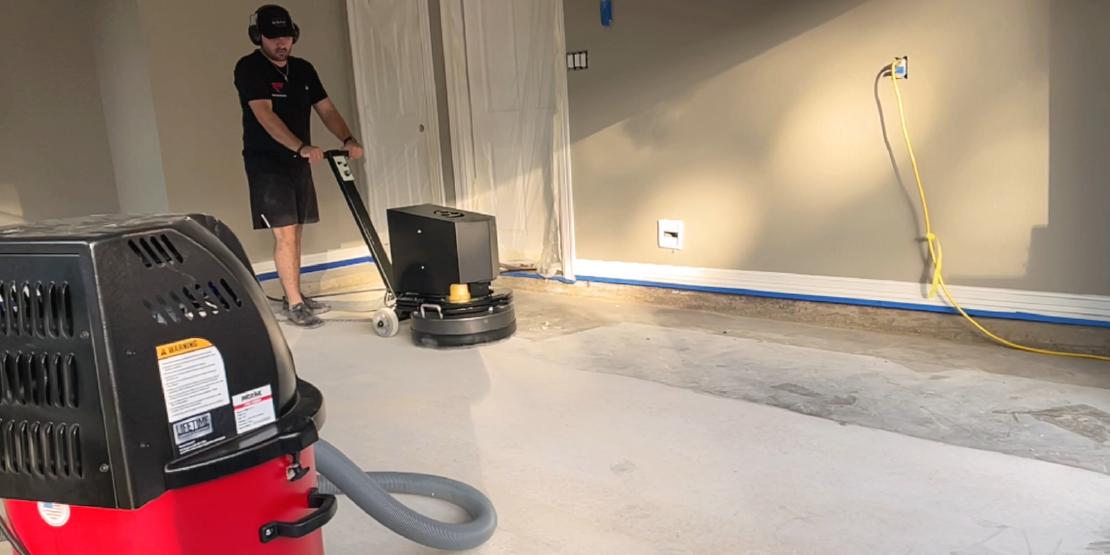
Once the selection has been made, the next step in the process is preparing the surface for the coating. This can involve cleaning and drying the surface, or in some cases, performing minor repairs to ensure optimal adherence of the coating. Once the surface is ready, the chosen weather-resistant coating is applied following the manufacturer’s instructions. The application procedure may vary depending on the coating type and the method of application. Some coatings might require a single application, while others might necessitate multiple layers for effective protection.
Maintenance and Care for Weather-Resistant Coatings
To ensure longevity and maintain the effectiveness of weather-resistant coatings, regular checks and prompt action are fundamental. It’s advisable to carry out visual inspections periodically, particularly after severe weather conditions. Marks, discoloration or chipping may indicate damage or wear that could compromise the performance of the coating. In such instances, immediate remedial action, such as reapplication of the coating, would be necessary to prevent further deterioration and possible property damage.
Cleaning the coated surface is also vital in maintaining weather-resistant coatings. Dirt, debris, and biological growths like molds and lichens can degrade the coating over time, reducing its protective properties. Using appropriate cleaning agents and methods is crucial to avoid damaging the coating. For instance, harsh chemicals or high-pressure washing might cause damage, so gentler alternatives would be more suitable. Regular cleaning not only helps in retaining the coating’s functional integrity but also gives the coated surface a clean look. By closely following these maintenance steps, the desired resilience to weather adversity through these coatings remains high.
Case Studies: Successful Use of Weather-Resistant Coatings
One standout example of successful use of weather-resistant coatings can be found in the restoration of the iconic Brooklyn Bridge in New York. This historic structure was exposed to harsh weather conditions over the years, resulting in severe corrosion and rusting. To address the challenge, a specialized corrosion-resistant coating was utilized, which not only rejuvenates the bridge’s aesthetic appeal but also structurally reinforces the centuries-old steelwork and brackets. The coating bore both heavy rain and heavy snowfall during the restoration process itself, providing a testament to its capacity to withstand rigorous climatic conditions.
Another impressive case comes from South Africa, where weather-resistant coatings have been instrumental in the maintenance of wind turbines in the Western Cape. These turbines are constantly exposed to strong Atlantic winds and marine salinity, factors known to contribute to material degradation. Implementing a heavy-duty, weather-resistant coating has enhanced the durability of these turbines, increasing their operational lifespan significantly. Interestingly, periodic inspections have shown the coating’s enduring resistance even in this formidable environment, underlining the reliability and effectiveness of these protective solutions.
Future Developments in Weather-Resistant Coatings Technology
As technology relentlessly advances, so does the industry for weather-resistant coatings. Researchers and scientists continue to focus their endeavors on developing products with superior performance and durability, along with environment-friendly attributes. Remarkable scientific breakthroughs have led to the examination of nano materials and the employment of these tiny structures within coating systems. This represents a vibrant field of exploration, offering tremendous potential for ultraviolet protection, increased longevity, and enhanced resilience against a diverse range of weather conditions.
In addition, sustainability remains a central concern in the development of future weather-resistant coatings. The emphasis on eco-friendly solutions seriously influences the course of research and the introduction of biodegradable materials into the formulation of these coatings is a noteworthy trend. Meanwhile, the harnessing of energy-efficient technologies in production processes adds another dimension to the pursuit of environmental integrity in this arena. As we move into the future, we can anticipate the unveiling of more advanced, durable and environmentally-friendly weather-resistant coatings.
Why do we need weather-resistant coatings?
Weather-resistant coatings are important for protecting surfaces from the damaging impacts of extreme weather conditions. They can prevent damage from heat, cold, wind, UV radiation, and water, thereby extending the lifespan and maintaining the appearance of the coated surfaces.
What are the different types of weatherproof coatings available in the market?
The market offers various types of weatherproof coatings, including heat-resistant, cold-resistant, wind-resistant, UV-resistant, and water-resistant coatings. Each type is designed to protect surfaces from a specific type of weather condition.
How do weather-resistant coatings work?
Weather-resistant coatings work by creating a protective barrier on the surface of the material, preventing the destructive effects of weather elements from reaching the underlying material. The nature of this barrier varies depending on the type of weather condition the coating is designed to resist.
How are heat-resistant coatings beneficial?
Heat-resistant coatings reflect or dissipate heat, reducing the temperature of the coated surface. This helps in preventing thermal stress, warping, or other heat-related damages, especially in hot climates or for surfaces exposed to direct sunlight.
What is the importance of UV-resistant coatings?
UV-resistant coatings protect surfaces from the harmful effects of ultraviolet radiation, such as color fading, cracking, and premature aging. They are particularly useful for surfaces exposed to direct sunlight.
How should weather-resistant coatings be applied?
The application process of weather-resistant coatings typically involves cleaning the surface, applying a primer if necessary, applying the coating evenly, and then allowing it sufficient time to dry. The specifics of the process may vary depending on the type of coating and the surface being treated.
How can weather-resistant coatings be maintained?
To maintain the effectiveness of weather-resistant coatings, regular cleaning, and periodic reapplication as per the manufacturer’s instructions might be necessary. Any damage to the coating should be promptly addressed to prevent exposure of the underlying surface.
Can you provide some examples of successful use of weather-resistant coatings?
Yes, numerous case studies highlight the successful use of weather-resistant coatings. These range from protecting buildings and vehicles, to safeguarding outdoor sculptures and other structures from weather damage.
Are there any future advancements expected in weather-resistant coatings technology?
Yes, research and development in this field are continuous. Future advancements may include the creation of more durable coatings, coatings that can resist a wider range of weather conditions, and coatings with improved environmental sustainability.