
Coatings for High-Impact and Abrasion Resistance
Understanding the Importance of High Durability Surfaces
In the realm of building and manufacturing, high durability surfaces play an integral role. These surfaces, often engineered from high-performance materials, are designed to withstand rigorous use, heavy loads, and extreme environmental conditions. Not only do they ensure the lifespan and integrity of the products and structures they form part of, but they also promote safety by preventing failures that could lead to accidents. Thus, selecting surfaces that showcase high durability serves as a critical design principle in the construction and manufacturing sectors.
Additionally, high durability surfaces deliver economic advantages. Their prolonged lifespan means reduced costs in replacements and repairs. In an era where sustainability is at the forefront of public consciousness, these surfaces also hold potential environmental benefits. By extending the life of products and minimizing waste, we can reduce our carbon footprint. Therefore, these impact and abrasion-resistant materials are not simply a matter of practicality, but are a vital component of responsible design and production.
Exploring the Need for Abrasion Resistant Surfaces
In the industrial and manufacturing sectors, the demand for abrasion-resistant surfaces is continually growing. These surfaces are integral to ensuring longevity and efficiency in various applications, particularly in machinery, equipment, and structures exposed to high-impact or abrasive conditions. The ability of these surfaces to withstand friction and sheer forces, shows their significance in reducing repair or replacement costs, enhancing productivity, and maintaining the integrity of the manufacturing process. Therefore, their demand has positioned them as crucial components in these sectors.
Materials prone to high-impact damage such as metals, ceramics, and certain plastics greatly benefit from abrasion-resistant treatments. As industrial machinery and structures are subject to ongoing wear and tear, these surfaces provide a robust defense. They withstand environmental stressors, protect the underlying material, and considerably extend service lives. Their addition not only ensures operational efficiency but also promotes safety standards, making them indispensable in various industries including mining, automobile, aerospace, and construction.
Identifying Materials Prone to High-Impact Damage
In the world of materials science, several materials exhibit a heightened susceptibility to damage under high-impact conditions. Some of the most vulnerable include glass, ceramics and certain delicate polymers, which are innately brittle and therefore prone to shattering or fracturing upon impact. Similarly, thin metals without adequate reinforcement can buckle or deform under force, demonstrating their propensity for damage in such situations. It’s also worth noting that many composite materials, especially those lacking proper interfacial bonding, are susceptible to delamination and failure under high strain rates.
One essential aspect in the realm of material identification for use in high-impact applications is understanding the material behavior under varying conditions. Here, mechanical testing, such as Charpy or Izod impact tests, can provide valuable insights regarding the high-impact behavior of materials. These tests evaluate a material’s toughness – its ability to absorb energy before fracturing – and are crucial for predicting how a material will perform under real-world impact conditions. For instance, materials that display high-energy absorption metrics during these tests can be considered suitable for high-impact use. Conversely, materials with low scores are likely to fail when subjected to similar conditions. In addition to mechanical testing, other factors also play a crucial role in identifying materials prone to high-impact damage. These include the material’s microstructure, its manufacturing process and treatment methods, as well as environmental conditions like temperature and humidity.
• Microstructure: The microscopic arrangement of atoms or molecules within a material can significantly influence its impact resistance. For instance, materials with tightly packed atomic structures are generally more resistant to impact than those with loosely arranged ones.
• Manufacturing Process & Treatment Methods: The way a material is produced and treated post-production can greatly affect its susceptibility to high-impact damage. Materials that undergo processes such as heat treatment or cold working often exhibit improved toughness compared to their untreated counterparts.
• Environmental Conditions: Temperature and humidity levels can alter a material’s physical properties, making it more vulnerable to impact damage. Cold temperatures tend to make materials brittle while increased moisture content may lead them susceptible towards corrosion-induced weakening.
Understanding these key aspects provides valuable insights into predicting how different materials will react under high-impact conditions. It enables engineers and scientists alike in selecting suitable materials for various applications where durability under intense force is required - from car crash safety systems and military armor plating through building construction elements designed for earthquake resilience.
Ultimately, identifying the right type of material for use under high-impact scenarios involves thorough research combined with systematic testing procedures. It’s about understanding each potential candidate – their strengths, weaknesses, behavior patterns – all aimed at ensuring maximum performance reliability when subjected to extreme forces.
• Thorough Research: In-depth study on available literature related not just on the composition but also previous usage history of specific materials help provide preliminary insight on their expected behavior upon impact.
• Systematic Testing Procedures: Conducting standardised tests (like Charpy or Izod) along with custom-tailored experiments based on real-world application scenarios helps ascertain accurate data regarding performance reliability of different materials under varying degrees of impact.
• Understanding Material Behavior: It’s crucial to understand how a material behaves not just under high-impact conditions but also during regular usage. This includes studying its wear and tear patterns, resistance towards environmental factors etc., which can contribute towards its overall vulnerability when subjected to forceful impacts.
Unveiling the Science Behind Impact and Abrasion Resistance
When it comes to the physical world, every surface bears the brunt of impact and abrasion in various forms and intensities. Impact resistance refers to the ability of a material to withstand a sudden force or shock without deforming, breaking, or failing. It is often measured using the Charpy or Izod impact tests, which involve striking a standard sample with a controlled weight pendulum. Abrasion resistance, on the other hand, is the ability to resist wear or gradual degradation caused by material being rubbed away. This is typically measured by subjecting the material to controlled friction and assessing the resulting wear and tear.
Engineering and materials science have given us a range of solutions to enhance the impact and abrasion resistance of surfaces. Materials are manipulated at the atomic level to enhance their resistance characteristics. For instance, the addition of carbon atoms into a metal such as iron results in steel, which has much higher resistance against impacts compared to its constituent elements. Additionally, ceramic coatings can significantly augment the abrasion resistance of surfaces by creating an extensively hard layer. Many of these manipulations draw insights from nature, precisely, the largely impact and abrasion-resistant structures found in certain animals and plants.
Choosing the Right Protective Layers for Different Materials
Understanding how different materials respond to high-impact and high-abrasion conditions can help in selecting the right protective layers. Materials such as metals, ceramics, polymers, and composites, each have unique characteristics that influence their durability and impact resistance. For instance, metals are typically heavy-duty, durable, and can withstand high impacts, while ceramics are hard but more brittle and are prone to cracking or breaking when subjected to high pressures. Polymers, on the other hand, are lightweight and flexible, absorbing impacts without breaking, but can be susceptible to scratching or abrasion. Composites, combining the features of different materials, offer customizable impact and abrasion resistance depending on the combined materials.
When selecting protective layers, the function of the material, as well as its environment, is taken into consideration. For example, steel can benefit from manganese hard-facing or carbide overlay when used in high-wear environments like mining or construction. Ceramics prone to impact damage can be coated with rubber or polyurethane to improve resilience. Polymers, like plastic, can be treated with hard coatings to improve their abrasion resistance. Ultimately, the choice of protective treatment should align with the specifics of the material and its intended role, ensuring longevity and optimal performance.
Examining Different Types of Durable Surface Treatments
Surface treatments benefit from a broad spectrum of methods aimed at improving durability and resistance to various forms of damage. High Impact Polystyrene (HIPS), Polyvinyl Chloride (PVC), and Polyurethane (PU) are examples of materials often utilized in this context, each providing unique properties such as shock-absorbance, corrosion resistance, and tensile strength. These particular ingredients, while different in their characteristics, work together to increase the lifespan and efficiency of surfaces, reducing repair costs and maintenance efforts in the long run.
Another widely employed treatment is the use of nanoparticles such as graphene and silicon dioxide. Nanotechnology offers enhanced abrasion resistance and strength, making it an attractive option in environments that regularly endure high-impact damage. One great advantage of nanotechnology is its scalability, which allows its use in small scale applications like electronic devices and even extends to larger scale applications like protective coatings for industrial machinery. This vast field of durable surface treatments continues to evolve, offering increasingly sophisticated solutions for diverse sectors.
The Role of Nanotechnology in Creating Resilient Surfaces
Nanotechnology plays an instrumental role in enhancing surface durability. By manipulating matter at an atomic or molecular scale, it allows scientists to engineer advanced materials with superior resistance to wear, high impacts, and abrasions. Nanostructured surface coatings, developed with the support of nanotechnology, have displayed significant potential in various industries ranging from electronics to aerospace owing to their resilience and longevity.
Surfaces treated with nanotechnology-based coatings demonstrate exceptional strength, hardness, and resistance to chemical corrosion. Furthermore, these coatings offer the advantage of reducing friction, which subsequently increases the overall wear resistance of the material. With these innovative nanotechnology applications, materials previously perceived as less durable, can now be utilized in high-impact environments, dramatically expanding their potential uses and functionalities.
How to Apply Resilient Surface Treatments Effectively
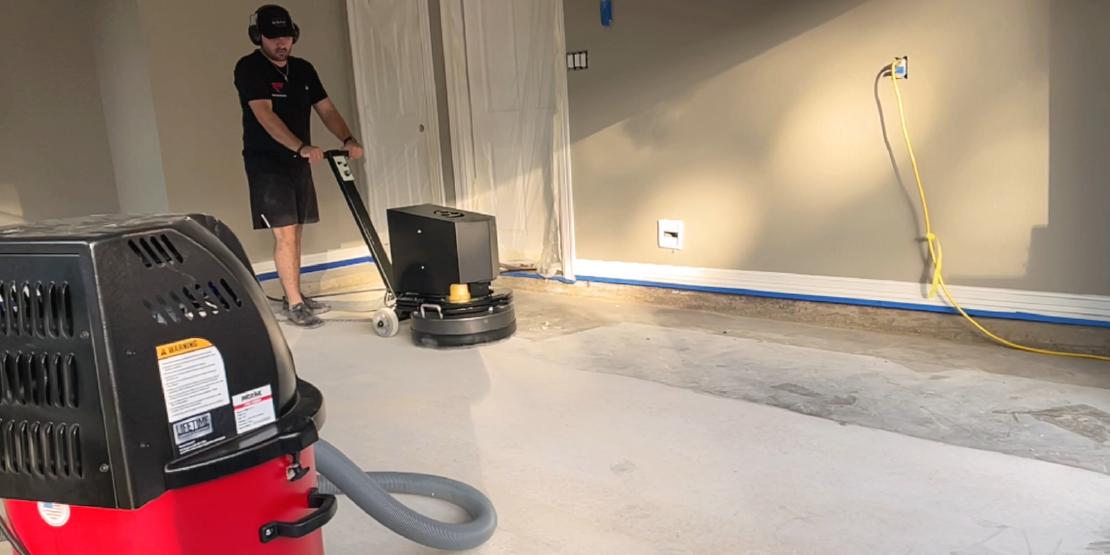
Applying resilient surface treatments correctly is paramount to ensure long-lasting and robust surface performance. This begins with appropriate surface preparation. Cleaning the surface from any dust, dirt, and grease is the initial step that must not be overlooked. This guarantees better adhesion of the coating, enhancing its overall effectiveness. Selection of suitable tools like rollers, sprays, or brushes also plays a crucial role. They need to complement the characteristics of the particular treatment, ensuring seamless application.
The next critical aspect involves following the precise instructions as provided by the product manufacturer. This includes the recommended coating thickness, application temperature, and time required for drying. Uniform and consistent application of the surface treatment is essential to maintain an even protective layer. Special attention needs to be paid to edges and corners, as they are often prone to lesser coating thickness. Finally, regular inspections and maintenance are indispensable to boost the longevity of your treated surface.
Maintenance and Care of High-Impact Resistant Surfaces
High-impact resistant surfaces, owing to their robust and durable nature, can withstand significant pressures and abrasions. They promise longevity and resilience even in the face of demanding conditions. However, ensuring the maximum lifespan of these surfaces necessitates regular maintenance. While they have an inherent ability to resist wear and tear, addressing any accumulated dirt, stains, or minor scratches timeously can keep these surfaces in optimum condition.
The first step in maintaining these surfaces involves regular cleaning with approved products. Abrasion-resistant surfaces should not be cleaned using abrasive cloths or harsh chemicals as they can damage the protective layers. Users should follow the manufacturer’s guidelines for the products that should be used as well as the frequency of cleaning. Similarly, if there are any minor scratches or damages noticed, early repair can prevent further degradation. In fact, many manufacturers recommend professional servicing once a year to assess, repair, and prolong the functional life of these surfaces. Although high-impact resistant surfaces may initially seem to demand a significant investment, their long life, coupled with appropriate maintenance, ensures a cost-effective solution in the long haul.
Case Studies: Real-World Examples of Durable Surface Applications
In the bustling world of industrial manufacturing, Case New Holland (CNH) stands out as an example of diligent application of durable surfaces. They employed high-impact resistant treatment on their machinery parts to enhance their durability under extreme environmental conditions. The improved abrasion resistance significantly amplified the functioning lifespan of their machines, thereby boosting productivity.
Moving to the transport sector, the NY City Subway System’s use of high-impact resistant surfaces on their walls and floors stands as a testament to the effectiveness of these technologies in combating everyday wear and tear. The implementation of these durable surfaces in such high-traffic environments not only prolongs the aesthetic appeal of the structures, but also substantially reduces maintenance costs.
The Future of Impact and Abrasion Resistant Technologies
As technology advances, the demand for high-impact and abrasion-resistant surfaces is on the rise. Innovations in nanotechnology, material science, and manufacturing processes are revolutionizing how these surfaces are created and applied. Materials that can withstand significant physical force and environmental stress are no longer a novelty, but a necessity. The ongoing research into more efficient production methods, coupled with the discovery of novel composite materials, is shaping an exciting landscape for the sector.
The application of nanotechnology is a promising frontier for delivering more resilient surfaces. Nanostructured coatings, which incorporate materials engineered at the atomic level, have demonstrated superior toughness, elasticity, hardness, and wear resistance compared to their traditional counterparts. Furthermore, improved predictive modeling and simulation techniques are letting scientists pursue more targeted and efficient research. These advancements are propelling us closer to the reality of truly indestructible surfaces, providing greater reliability and longevity to infrastructural elements, machinery, and everyday objects.
Potential Challenges and Solutions in Implementing Durable Surfaces
Implementing durable surfaces may pose several distinct challenges. One such challenge is the high initial cost of materials and manpower that these durable surfaces often demand. This makes it inaccessible for businesses and industries operating on tighter budgets as they may not be able to afford these resources. Moreover, the technical expertise required to correctly apply and maintain these specialized surfaces can also be a deterrent, particularly in regions where such skills are scarce. Additionally, potential environmental concerns may arise due to the extraction and manufacture of such materials being demanding on natural resources and contributing to pollution.
However, there are many viable solutions to address these challenges. Flexible financing options and government incentives can make these high-quality materials and technologies more accessible. Engaging in comprehensive training programs can empower workers with the knowledge and skills needed to effectively handle these surfaces. This will help reduce the initial manpower costs. As for the environmental impact, incorporating sustainability practices throughout the manufacturing process can help mitigate this concern. This includes reducing waste, utilizing recycled materials, and minimizing energy use during production. Furthermore, advancements in technology and research, particularly in the field of nanotechnology and bio-materials, are helping to develop less resource-intensive but equally durable surface alternatives. This not only underlines the importance of continual investment in research and development but also highlights the exciting potential of these innovative technologies to help overcome these challenges.
Exploring the Economic and Environmental Benefits of Durable Surfaces
When it comes to economics, durable surfaces provide an impactful advantage. The installation of high resilience surfaces, albeit often requiring a higher initial investment, pays off generously in the long term. Over time, the regular need for repair or replacement of less sturdy surfaces places a significant financial strain on businesses and individuals, transforming apparent lesser initial costs into long-term financial burdens. High durability surfaces, benefiting from their strong resistance to abrasion and impact, drastically reduce these periodic maintenance costs, ultimately resulting in substantial savings. Thus, economically, the adoption of these durable surfaces can be viewed as a form of investment, rather than a cost.
Turning to the environmental perspective, utilizing abrasion resistant surfaces also carries a host of benefits. Traditional surfaces, when growing worn or damaged, demand replacement, leading to increased consumption of materials and energy for production. This frequent change-out of materials contributes significantly to environmental degradation and waste. By harnessing the longevity of durable surfaces, we can substantially decrease the consumption of resources and subsequent waste, lending a helping hand in the battle against material depletion and environmental pollution. Hence, high durability surfaces are not merely an investment towards our wallets, but also a pledge to our planet.
Why are high durability surfaces important?
High durability surfaces are important because they can withstand wear and tear over a long period of time, reducing the need for frequent replacements. This not only saves money but also contributes to waste reduction and environmental conservation.
What are abrasion resistant surfaces?
Abrasion resistant surfaces are those that can withstand damage from friction, impact, or erosion. These surfaces are designed to resist wear and tear, increasing their lifespan and reducing maintenance costs.
Which materials are more prone to high-impact damage?
Materials such as glass, ceramics, and certain types of plastics are often more prone to high-impact damage. However, with the right protective layers, they can be reinforced to withstand higher impacts.
What is the science behind impact and abrasion resistance?
The science behind impact and abrasion resistance involves understanding the material’s hardness, toughness, and tensile strength. Materials that have high hardness and tensile strength can withstand more impact and abrasion.
How can one choose the right protective layers for different materials?
Choosing the right protective layers for different materials requires an understanding of the material’s properties and the type of wear it’ll be exposed to. For instance, materials exposed to high moisture may need water-resistant coatings.
What are some different types of durable surface treatments?
Some types of durable surface treatments include hard coatings, nanotechnology coatings, heat treatments, and chemical treatments. Each treatment has its own advantages and is suited for different materials and environments.
How does nanotechnology contribute to creating resilient surfaces?
Nanotechnology contributes to creating resilient surfaces by manipulating materials at the atomic level to enhance their properties. This can include making surfaces more resistant to wear, enhancing their hardness, or improving their durability.
What is the best way to apply resilient surface treatments effectively?
Applying resilient surface treatments effectively often involves cleaning the surface thoroughly, applying the treatment according to the manufacturer’s instructions, and allowing sufficient time for the treatment to cure.
How should high-impact resistant surfaces be maintained and cared for?
High-impact resistant surfaces should be cleaned regularly and inspected for signs of wear and tear. If damage is observed, appropriate repair or replacement measures should be taken to maintain the surface’s integrity.
What are some real-world examples of durable surface applications?
Examples of durable surface applications can be found in various industries, like construction, automotive, aerospace, etc. They are used in flooring, countertops, vehicle parts, aircraft exteriors, and many other areas where high durability is required.
What is the future of impact and abrasion resistant technologies?
The future of impact and abrasion resistant technologies looks promising, with ongoing research and development aimed at creating even more resilient materials. This includes advancements in nanotechnology and the development of self-healing materials.
What are some potential challenges and solutions in implementing durable surfaces?
Some potential challenges in implementing durable surfaces include higher upfront costs, need for specific application techniques, and possible environmental impact of some treatments. Solutions can include investing in research to develop more affordable and eco-friendly treatments.
What are the economic and environmental benefits of durable surfaces?
Durable surfaces have economic benefits in terms of reducing maintenance costs, and increasing the lifespan of products, leading to cost savings in the long term. Environmentally, they contribute to waste reduction, conserve resources and lower the carbon footprint due to less frequent replacement and manufacturing processes.