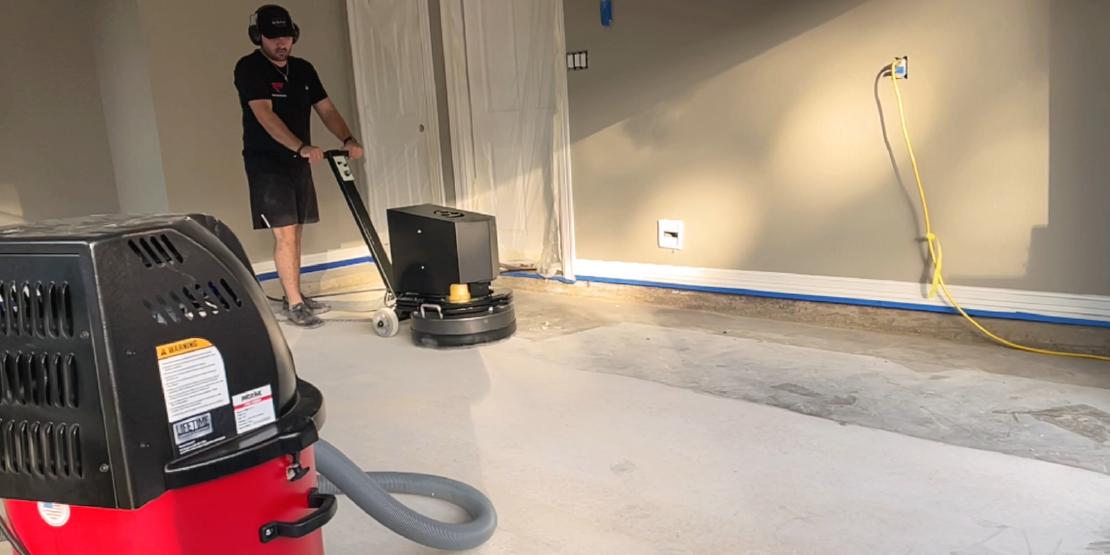

Coatings Tailored for Extreme Conditions
Understanding Extreme Environment Protective Layers
Extreme environment protective layers, also known as high-durability surface treatments, are crucial for protecting various materials and structures in severe conditions. Whether created by nature’s elements or human-made industrial processes, these environments can cause significant damage to surfaces. Thus, the science behind developing these protective layers has evolved over time to offer superior protection.
Protective layers can be categorised into various types based on their composition, nature of protection, and the specific environment they cater to. These treatments are typically designed to possess specific properties such as high resistance to corrosion, wear, heat, and pressure. They have significant applications in several industries such as aerospace, marine, and manufacturing, where materials and structures are routinely exposed to harsh conditions.
The Science Behind High-Durability Surface Treatments
At the heart of high-durability surface treatments is a complex synthesis of chemistry and materials science. These treatments, often referred to as protective coatings or layers, are designed to create a barrier between a surface and its environment. This barrier confers resistance to an array of damaging factors including corrosion, oxidation, wear, and extreme temperatures. The protective layer’s effectiveness comes from meticulously researched materials and compounds that possess ideal characteristics for defense against harsh environments.
Various methods to apply these coatings have been developed, each with distinct benefits depending on the application. For instance, physical vapor deposition permits the creation of thin yet robust protective layers, useful in microelectronic applications where space is at a premium. Another technique, called thermal spraying, allows for the deposition of materials with high melting points, paving the way for use in extreme heat scenarios. Understanding the science behind creating these high-durability treatments involves considering both the characteristics of the protective materials themselves and the methods of application utilized for optimal performance.
Categories of Protective Layers for Harsh Environments
There are several different categories of protective layers designed for environments that are harsh and extreme conditions. These surface treatments, which serve as a barrier, are primarily divided into three types - physical, chemical, and thermal barriers. Physical barriers generally incorporate inorganic compounds such as ceramics or metals to provide resistance against wear, corrosion, and radiation, while the chemical barriers use organic compounds to resist chemical reactions that can cause corrosion or degradation. Meanwhile, thermal barriers are specially designed to mitigate heat transfer, typically utilized in high-temperature areas such as aircraft engines or turbine blades.
Interestingly, innovations in technology have blurred these categories slightly, and we now see surface treatments that blend these types for specific applications. For instance, there are thermal barrier coatings that are chemically altered to resist certain types of corrosion, or physical barriers that are designed to include elements of thermal insulation. These hybrid treatments are tailored to fit specific use-cases and provide a more comprehensive protection against a broader range of potential damage, thereby prolonging the material’s lifespan in extreme conditions. • Physical Barriers: These are primarily made up of inorganic compounds such as ceramics or metals. The main purpose of physical barriers is to provide resistance against wear, corrosion, and radiation. They act as a shield protecting the material from direct exposure to harsh conditions.
• Chemical Barriers: Unlike physical barriers, chemical ones make use of organic compounds. They are designed specifically to resist chemical reactions that can cause corrosion or degradation. This type of protective layer prevents harmful chemicals from coming into contact with the surface and thus protects it.
• Thermal Barriers: These barriers are specially designed for high-temperature areas like aircraft engines or turbine blades. The primary function of thermal barriers is to mitigate heat transfer which could potentially damage materials over time if left unchecked.
• Hybrid Treatments: With advancements in technology, there has been a surge in hybrid treatments that blend different types for specific applications. For instance, some thermal barrier coatings have been chemically altered to resist certain types of corrosion while others incorporate elements of thermal insulation into their design for added protection against heat damage.
These categories represent general guidelines and there may be variations within each category based on specific requirements or technological advances. However, they serve as an excellent starting point when considering what kind of protective layer would best suit your needs in extreme environments.
Properties of High Performance Surface Treatments
High Performance Surface Treatments (HPST) are primarily distinguished by their exceptional resistance to a variety of environmental and physical impacts. These treatments, invariably applied to a wide range of materials such as metals, textiles, and plastics, are engineered to withstand harsh conditions. The properties of these treatments allow them to resist erosion, corrosion, UV waves, extreme temperatures, abrasions, and chemical contact. Consequently, they are utilized in industries that regularly operate in extreme environments.
The longevity of these surface treatments is another notable feature. This attribute drastically decreases the need for frequent maintenance and replacement, in turn offering cost-effective and time-efficient solutions. HPSTs also improve the physical properties of the substrate they are applied to, enhancing features such as hardness, resistance to wear, and even thermal and electrical conductivity. While providing these advantages, these surface treatments do not significantly alter the fundamental characteristics of the base material, maintaining its utility and compatibility within the intended operating environment.
The Role of Surface Treatments in Aerospace Applications
Surface treatments play an integral part in the aerospace industry, offering solutions in areas prone to high stress and extreme conditions. Dealing with everything from turbulence, rapidly changing atmospheric pressures to corrosive substances, aerospace components must be made resilient and robust. New, improved surface treatment technologies and materials are critical in enhancing the performance and lifespan of these components under such severe conditions.
Protection from extreme heat generated by high-speed friction during airspace travel is a primary concern. Heat-resistant surface treatments, typically ceramic-based, can provide effective thermal insulation. Similarly, in the cold vacuum of space, low-temperature protective layers aid in maintaining the structural integrity of spacecraft, preventing embrittlement and fracture. Aerospace applications, thus, rely heavily on the varied capabilities of high-durability surface treatments.
Marine Applications of High-Durability Surface Treatments
The relentless demands of a marine environment can be extremely damaging to marine structures and vessels. With the continual exposure to harsh conditions such as salt water, UV light, and high humidity, the importance of high-durability surface treatments become essential. These treatments are designed to extend the lifespan and maintain the structural integrity of the materials in use. Following are two critical areas where these surface treatments are significantly applied.
Firstly, surface treatments are extensively used in shipbuilding, where they serve as a protective shield for the hulls of ships from harmful marine conditions. These treatments resist biofouling and help prevent the growth of sea organisms on the hull’s surface, thus improving the vessel’s speed and fuel efficiency. Secondly, in offshore oil and gas exploration and production applications, high-durability surface treatments can ensure the longevity of the underwater structures and equipment. Apart from these specific applications, marine transportation, underwater construction, and naval defence systems are other sectors that significantly benefit from these protective treatments.
Surface Treatments for Industrial Use in Harsh Conditions
Industrial operations often take place in environments characterized by severe conditions such as extreme heat, corrosive chemicals, heavy friction, and high moisture. In such settings, the integrity and longevity of equipment are heavily reliant on the effectiveness of applied surface treatments. These high-durability treatments increase resistance to wear, corrosion, high temperatures, and other environmental stressors, serving as formidable protective layers that safeguard critical components from premature degradation and failure.
Metallic coatings, anti-corrosion sprays, powder coating, heat-treatments, and plating are amongst the popular categories of surface treatments implemented in industrial settings. Innovative materials such as nano-ceramics and high-performance polymers have also been progressively applied. These interventions not just enhance the operational resilience and lifespan of machinery, but also significantly reduce maintenance costs and downtime, making them invaluable assets for industries operating in harsh conditions. Majesty lies within the science behind these high-durability surface treatments which work diligently to shield industrial equipment from potentially devastating elements.
Exploring the Benefits of Surface Treatments for Extreme Environments
The advantages of surface treatments for extreme environments extend beyond the mere physical protection of materials. These treatments, when applied correctly, increase the material’s resistance to environmental stress factors such as corrosion, erosion, high temperature, and UV radiation. They provide a shield capable of preventing foreign material from penetrating or adhering to surfaces, consequently increasing the lifespan of the material. Surface treatments for extreme environments often comprise of coatings that are chemical, water, heat and scratch-resistant, thus enhancing longevity and performance.
High-durability surface treatments also contribute to the aesthetic appeal of materials, particularly in applications where the appearance is crucial. For instance, in aerospace and automotive industries, while the primary focus is durability, maintaining a sleek, polished exterior is also a desired outcome. Protective Layers, regardless of the harsh conditions they are exposed to, manage to maintain their original finish which adds another substantial benefit. Increased efficiency is another advantage, as treated surfaces often allow for improved fluid dynamics or reduced friction, positively impacting energy consumption in the long run. These notable benefits underline the significance of surface treatments for extreme environments.
Challenges and Solutions in Creating Durable Surface Treatments
In the realm of surface treatments for extreme environments, technologists and engineers face numerous challenges. A primary issue is ensuring the longevity of these protective layers, which requires designing treatments that can withstand immense temperature fluctuations, corrosive substances, mechanical wear, and high levels of UV radiation. The limitations of currently available materials further compound this challenge, making it incredibly difficult to develop coatings that can resist such harsh conditions over protracted periods.
However, recent advancements in surface treatment technology are providing solutions to these issues. Advanced nano-coatings, for instance, offer exceptional resistance against corrosion, wear, and high temperature. Their Durable, lightweight attributes make them an excellent choice for aerospace applications. Additionally, the incorporation of self-healing properties in surface treatments shows promise in improving longevity by autonomously repairing any damages incurred. These technological breakthroughs have marked a significant milestone in transforming the shortcomings into sustainable solutions, thus ensuring the reliability of protective layers in confronting extreme environments.
The Future of Surface Treatments for Extreme Environments
As technology continues to evolve, so do the techniques and materials used in surface treatments. Many anticipate a future where nanotechnology plays a significant role in creating high-durability treatments. Nanotechnology enables the development of surface treatments at an atomic or molecular level, leading to the creation of materials with unique and enhanced properties. These improvements in surface treatments are expected to provide unmatched resistance to harsh elements and extreme environmental conditions.
Innovative biomimetic strategies are also in development, taking inspiration from nature to create protective layers. Research is underway to emulate natural substances with extreme resistance to environmental factors in a lab. For instance, the resilience of a mollusk shell or the water-repelling features of a lotus leaf. These biomimetic advancements could redefine the protective layers used in various industry verticals, thereby majorly influencing the future of surface treatments.
Case Study: Successful Implementation of High-Durability Surface Treatments
In the harsh world of oil exploration, surface treatments play a crucial role in ensuring the longevity and functionality of expensive drilling equipment. An oil company operating out of North Sea recently implemented high-durability surface treatments on its offshore drilling rigs. These treatments were specifically engineered to withstand the extreme cold, highly corrosive marine environment, and intense physical stresses that the rig would encounter.
Post-implementation, these drilling rigs demonstrated improved resistance to wear and corrosion, validating the superiority of the high-durability surface treatments. Not only did it reduce the pervasive threat of equipment failure brought about by harsh environmental conditions, but it also significantly cut down the cost of maintenance and replacement. This successful implementation exemplifies the immense potential of high-durability protective layers in safeguarding against the tight grip of extreme conditions.
Maintenance and Care for Protective Layers in Harsh Environments
Taking proper care of protective layers is crucial to their long-term performance and durability in harsh environments. Routine maintenance checks should be done to assess any potential degradation or physical damage to the layers. Should a breach in the layer be noticed, immediate action must be taken to reinstall or repair the protective material. Negligence following such incidents can lead to detrimental effects. These may include compromised structural integrity or failure of the entire system, resulting in expensive repairs and lengthy downtime.
Beyond visual checks, it is advisable to employ sophisticated assessment techniques like the use of Surface Treatment Analysis Tools for accurate evaluations. These tools can help detect unseen problems such as corrosion under insulation(CUI), which is frequently overlooked in many industrial applications. Use of these tools can ensure that the protective layer is offering the maximum resistance to the extreme environment. Hence, while these inspections may seem insignificant or superfluous during the day-to-day operations, they are essential to prolonging the lifespan of these protective layers.
How to Choose the Right Surface Treatment for Your Needs
The selection of an appropriate surface treatment heavily depends on the specific demands of the environment in which it will be used. Understanding the surrounding conditions, including expected temperature variations, exposure to UV light, chemicals, mechanical stress, and other external factors is crucial in this process. The protective layer needs to be tailored to withstand these circumstances.
To narrow down the choices, having clear insights about the physical attributes of the substrate to be treated is equally important, including its composition, texture, and strength. Another aspect to consider is the overall functionality required from the surface treatment such as its durability, corrosion resistance, and aesthetic appeal. By carefully assessing the interplay of these numerous factors, it becomes feasible to choose an optimized surface treatment capable of offering superior performance under extreme conditions.
What are extreme environment protective layers?
Extreme environment protective layers are specialized coatings or treatments that protect surfaces from harsh conditions such as high temperatures, strong chemicals, high pressure, and rough handling.
What is the science behind high-durability surface treatments?
High-durability surface treatments are developed using scientific principles to enhance the physical and chemical properties of the surface. This includes improving resistance to corrosion, wear, and thermal stress.
What are the different categories of protective layers for harsh environments?
Protective layers for harsh environments fall into several categories, including physical, chemical, and thermal treatments. Each category serves a specific purpose, such as wear resistance, corrosion resistance or heat protection.
What role do surface treatments play in aerospace applications?
Surface treatments in aerospace applications provide protection to metals exposed to extreme conditions, such as high temperatures, pressure, and corrosion, thus increasing the lifespan and safety of aerospace components.
How are high-durability surface treatments used in marine applications?
In marine applications, high-durability surface treatments protect metals from the corrosive effects of saltwater, minimizing corrosion and equipment failure.
What are the benefits of surface treatments for extreme environments?
Surface treatments for extreme environments enhance the durability, reliability, and lifespan of materials exposed to harsh conditions. They also reduce maintenance costs and improve performance.
What challenges are faced in creating durable surface treatments?
Challenges in creating durable surface treatments include ensuring uniform coverage, maintaining treatment integrity in extreme conditions, and choosing the right treatment for the specific environmental conditions and material.
What does the future hold for surface treatments in extreme environments?
The future of surface treatments for extreme environments will likely see advancements in technology leading to more durable, efficient, and environmentally-friendly treatments.
How should I maintain and care for protective layers in harsh environments?
Maintenance and care for protective layers in harsh environments involve regular inspections for damage, proper cleaning methods to avoid damaging the coating, and timely repairs or replacements when necessary.
How can I choose the right surface treatment for my needs?
Choosing the right surface treatment involves understanding the specific environmental conditions, the material being treated, the expected lifespan of the treatment, and the performance requirements. Consulting with a surface treatment expert can also be helpful.