
Colorful Floor Coatings for Educational Facilities
Understanding the Role of Floor Coatings in Learning Environments
Floor coatings in educational institutions play a vital role in creating an environment conducive to effective learning. They contribute significantly to the overall aesthetic appeal and vibrancy of the institution, shaping the learners’ perception and influencing their mood. A well-chosen floor coating can make a space inviting and stimulating, thereby promoting an energetic learning atmosphere. It can also enhance safety by providing surfaces with less slip and trip hazards, ensuring the well-being of the students and staff.
In addition to aesthetics and safety, floor coatings serve as a crucial element in the maintenance and durability of an institution’s infrastructure. Quality coatings protect the floor from wear and tear, helping prolong its lifespan and preserving the look and feel of the spaces. They can also be selected to reflect the function of each area, allowing for differentiation and separation of learning zones. Thus, the importance of floor coatings in learning environments extends beyond mere visual appeal, emerging as an essential factor in the overall learning experience.
Exploring the Psychological Impact of Colors in Education
The use of color in educational spaces transcends aesthetics to directly influence the mental and emotional state of students. Researchers have substantiated the psychological implications of color, demonstrating its capacity to evoke certain feelings or behaviors. For instance, blue, often associated with calmness and serenity, can enhance focus and productivity, making it suitable for high concentration areas like libraries or study rooms. Strong, vibrant colors such as red can stimulate the mind, motivating action and fostering alertness, ergo useful in physical education or arts settings.
The psychological impact of colors also extends to shaping the students’ perception of the learning environment. Warmer tones can create an engaging and sociable atmosphere, promoting open communication and fostering collaboration amongst students. On the contrary, cooler hues might cultivate a sense of peace and tranquillity, potentially helping to reduce stress and anxiety levels. Consequently, the strategic application of color, especially in floor coatings, can meaningfully contribute to cultivating an empowering, encouraging, and pleasant learning atmosphere.
The Importance of Aesthetics in School Buildings
The aesthetic appeal of educational environments significantly influences the learning experience of students. School buildings, classrooms, and other functional spaces are absolutely not void of this credo. A pleasant, visually appealing environment tends to stimulate minds, boost mood, enhance focus, and even improve mental health. This is so because students, like the rest of us, respond emotionally to their surroundings.
Floor coatings and their colors play a substantial role in setting the scene. Indeed, the bold hues and patterns of floors can lift the mood, foster creativity, and facilitate concentration. Furthermore, with the right color schemes, an ordinary educational space can be transformed into an energetic, engaging learning hub. An inviting aesthetic, made possible by tastefully applied floor coatings, nurtures the sense of belonging among students, encouraging regular attendance and active participation.
Benefits of Vibrant Floor Coatings in Schools
Incorporating vibrant floor coatings in educational settings can deliver a multitude of benefits. Enhanced aesthetics is one of the most noticeable advantages, providing a lively, engaging environment for students. Bright colors have the potential to stimulate cognitive function, encourage creativity, and facilitate an overall positive learning atmosphere. Highly saturated hues can transform what might have been a bland, dull space into a visually stimulating arena.
Additionally, durable floor coatings offer longevity, translating into cost-effectiveness over time. These coatings are hard-wearing and can withstand the rigors of heavy foot traffic, reducing the frequency of maintenance and replacement. Furthermore, specific types of floor coatings can serve safety functions, such as non-slip additives that help prevent accidents. Thus, combining vibrancy with functionality, these floor coatings become a crucial element in crafting a safe, engaging learning environment.
Choosing the Right Colors for Different Educational Spaces
Understanding the appropriate color selection for different education spaces is crucial, as colors can have various psychological impacts on students’ emotions, behavior, concentration, and learning. It is well documented that calm colors such as blues, grays, and soft greens are recommended for libraries or study rooms as they stimulate concentration and induce calmness. On the other hand, vibrant hues like yellows, oranges, and reds energize and stimulate creativity, making them ideal for art rooms, laboratories, and classrooms.
Moreover, even the age of the students may dictate suitable color choices. Younger children thrive in spaces with lively, bright colors, while these may come off as too stimulating and distracting for older students. In secondary schools, more subdued, neutral shades can help foster focus and provide a less distracting environment. In essence, selecting the ‘right’ colors is about balancing aesthetics with the educational purpose of the space, contributing to an overall positive learning atmosphere. • The first step in choosing the right colors for educational spaces is understanding their psychological effects. Colors can significantly influence students’ emotions, behavior, concentration levels, and learning capacity. • Calm shades such as blues, grays and soft greens are ideal for libraries or study rooms. These colors stimulate focus and induce a sense of tranquility. • Vibrant hues like yellows, oranges, and reds have been found to energize learners and spark creativity. Therefore these colors are suitable for art rooms, laboratories, or classrooms where active engagement is required.
• It’s also important to consider the age group of students when selecting appropriate color schemes. • Younger children often thrive in environments decorated with bright lively colors. • However these vibrant tones may be too stimulating for older students who might find them distracting rather than motivating.
• For secondary schools specifically: • Subdued neutral shades can help foster better concentration by providing a less distracting environment.
In conclusion: • Selecting the ‘right’ color scheme requires striking a balance between aesthetic appeal and the educational purpose of the space. • A well-chosen color palette can contribute significantly towards creating an overall positive learning atmosphere that encourages student engagement and productivity.
Applying Floor Coatings: The Process Explained
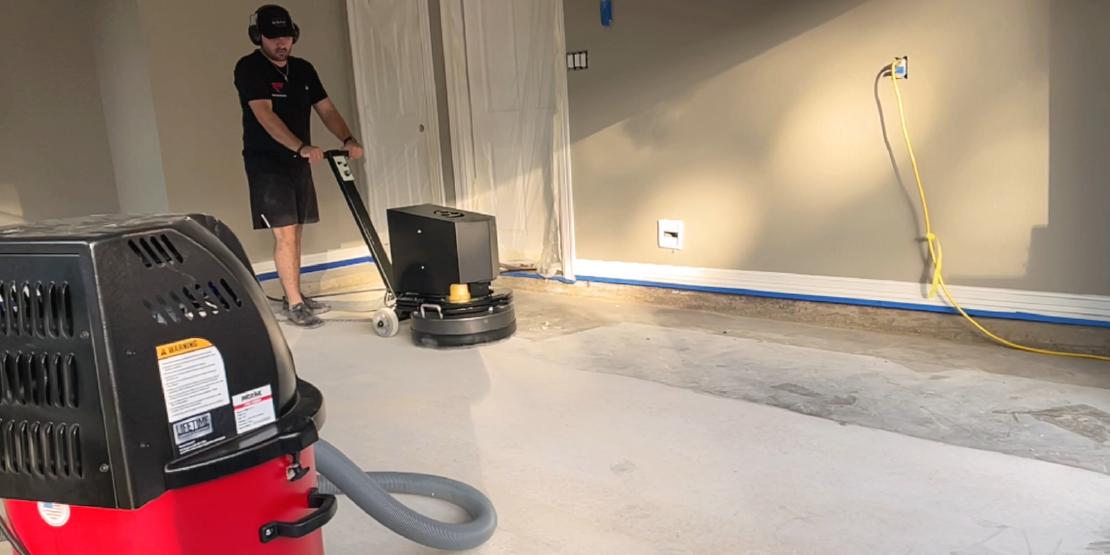
Applying floor coatings in schools is an intricate process that requires careful planning and execution to ensure optimum results. Initially, the process starts with assessing the condition of the existing floor. It is critical to ensure the surface is well prepared, clean, and free from potential impediments such as oil, grease, or dust. Surface irregularities, including cracks or protrusions, need rectification before application. Failure to achieve a seamless and clean substrate may result in an uneven coating application, which may negatively impact the aesthetic value and durability of the floor coating.
Once surface preparation is completed, the actual application of the floor coating takes place. Depending on the chosen coating material, the application technique may vary. Be it water-based latex paint, epoxy, or urethane, it’s crucial to follow the manufacturer’s instructions regarding dilution, spreading rate, and drying time. Often, the application of high-performance floor coatings involves a multi-layer procedure that includes the primer, base coat, color or decorative chips, and finally, a clear topcoat. Each layer needs to be thoroughly cured before the next one is applied. Proper adherence to these procedural steps ensures that the floor coating provides the desired vibrancy, durability, and safety in the learning environment.
Material Choices for Floor Coatings in Schools
In educational institutions, various materials are utilized for floor coatings to ensure durability, aesthetic appeal, and safety. Traditional epoxy coatings are often deployed due to their robustness and long-lasting finish. These floor coatings resist wear and tear, making them ideal for high-traffic areas like school hallways and classrooms. Non-slip additives can be mixed into the epoxy to fortify the safety measure, a critical requirement that school floors must comply with.
Nevertheless, other materials are making their way into the educational sector, offering additional benefits. Polyaspartic coatings, for instance, are known for their rapid curing times and exceptional resistance to abrasions, chemicals, and ultraviolet light. These coatings are frequently used in areas exposed to sunlight or harsh conditions, like art rooms or science labs. Urethane coatings, on the other hand, offer a balance between durability and flexibility, perfect for areas with dynamic physical activities2 like gymnasiums or playrooms. In this era, material selection extends beyond durability alone - it must also cater to the specific needs of each learning space.
Durability and Maintenance of Vibrant Floor Coatings
Implementing vibrant floor coatings in learning environments not only contributes to a lively ambiance but also offers considerable durability. Materials used in these coatings, such as epoxy, urethane, and polyaspartic, bestow the floors with high resistance to wear and tear, scratches, impact, and even chemical spills. This robustness allows the coatings to withstand high foot traffic typical in schools, extending the lifespan of the flooring and diminishing the frequency of costly replacements. In addition, these vibrant coatings retain their sheen and color saturation for a significant period, leading to a lasting visually appealing environment that enhances the learning experience.
Maintenance of these vibrant floor coatings is just as crucial to ensure their longevity and to keep the aesthetics intact. Good news is, these floor coatings are often designed to be low-maintenance, requiring only simple cleaning routines. Regular sweeping or vacuuming can help remove dirt and other loose debris, while occasional mopping with a mild detergent can restore the floor’s shine. Moreover, these coatings create a seamless and non-porous surface that is easy to clean and doesn’t harbor dirt, germs, or allergens. This not only ensures an attractive flooring for a longer duration but also contributes to a healthier learning environment. Thus, the durability and easy maintenance of vibrant floor coatings present a cost-effective and visually appealing solution for educational institutions.
Safety Considerations for Floor Coatings in Educational Institutions
In the realm of educational structures, the safety offered by floor coatings is of utmost importance. These coatings, particularly in areas such as science labs, art classrooms, and sporting facilities, must ensure a slip-resistant surface, thus providing a safeguard against potential accidents. Disparities in texture or uneven surfaces can pose a significant threat to the wellbeing of both students and teachers. Therefore, durability, grip and consistency should be key considerations when choosing floor coatings in a school setting.
Another fundamental safety aspect pertains to the potential exposure to toxic materials or emissions. Floor coatings must meet strict standards to avoid any harm linked with chemical emissions, including impact on indoor air quality. Utilizing products that are free from volatile organic compounds (VOCs) and meet leadership in Energy and Environmental Design (LEED) standards is a crucial measure that educational institutions must consider. It’s vital to ensure this safety measure is maintained, contributing to a healthier learning environment for students.
Cost Analysis of Implementing Colored Floor Coatings
Investing in colored floor coatings for educational institutions involves a comprehensive cost evaluation. The assessment begins with the initial costs, which include the selected coating material’s price per square foot and labor charges for expert application. While vibrant, high-quality coatings may be more expensive upfront, these costs are often balanced out by the long-term savings they provide in casualty prevention and maintenance expenses.
On the other hand, ongoing costs associated with colored floor coatings should also be considered. Maintenance expenses such as cleaning and periodic recoating, along with repair costs for eventual wear and tear, can add up over time. However, high-quality colored floor coatings are typically more durable and resistant to damage, leading to fewer repairs and extended lifespans compared to traditional floor finishes. Therefore, while the immediate expenditure may seem higher, the long-term financial implication proves beneficial for maintaining an optimal learning environment.
Case Studies: The Impact of Colorful Flooring in Schools
In a recent study conducted at the Rising Sun Elementary School, newly implemented vibrant floor coatings proved to significantly alter the learning environment. The school decided to replace traditional, monochrome flooring with bold, color-coded sections covering different areas of the institution - yellow for the main hallways, blue for the library, and red for the gymnasium. The results revealed a drastic improvement in students’ behavioral and academic performance. Teachers reported that students were more lively, engaged and enthusiastic, attributing these improvements to the stimulating floor colors.
Similarly, Hawthorne High School witnessed transformative changes upon applying bright floor coatings in classrooms. Instead of the standard gray, teachers and students were welcomed by a captivating mixture of green and turquoise shades. Surprisingly, the school noticed a boost in students’ concentration and creativity. The once underutilized classrooms became vibrant learning hubs where students were more eager to participate and express their thoughts. The success of these vibrant floor coatings signifies the potential of carefully curated aesthetics in shaping educational spaces.
Future Trends in Floor Coatings for Educational Spaces
As the world of architecture and interior design evolves, so does the approach to floor coatings in educational spaces. The application of vibrant color and patterns is a significant trend projected to influence the future of educational flooring. Schools and institutions are beginning to recognize the psychological and aesthetic benefits of using carefully selected colors in their interior design–a concept previously overlooked. This shift shows a growing understanding that the physical environment is an essential part of creating an engaging and conducive learning atmosphere.
One of the anticipated trends is the move towards more eco-friendly floor coating solutions. With the increasing focus on sustainability, schools are scouting for materials that not only enhance learning environments but are also environmentally friendly. Further innovation is expected in the area of durability and low-maintenance floor coatings. Enhanced resistance to wear and tear, and styles that incorporate a balance of functionality, safety, and aesthetics, are likely to continue informing future trends in floor coatings for the educational sector.
Getting Started: Selecting Your School’s Floor Coating Solution
The first and significant step towards choosing the appropriate floor coating solution for a school involves identifying the specific needs of the environment. This means considering the traffic levels of various areas, the activities that typically occur in these spaces, the desired aesthetics, and the safety requirements. Schools with high foot traffic such as hallways and cafeterias may require more durable coatings than smaller classrooms or offices. Bold color choices can stimulate creativity and energy, making them an excellent choice for art rooms, while more calming hues might be ideal for libraries or study areas.
The selection process should also take into account the longevity and maintenance of the chosen floor coating. Select a product with proven durability and easy maintenance routine. It is equally crucial to consider the product’s safety features, given students’ vulnerability to slips and falls. Make sure the coating has non-slip properties and chemical resistance for the longevity of the floor. Finally, factor in the cost-efficiency of the product, balancing upfront costs with maintenance and replacement budgets. A successful selection process can significantly improve not just the appearance, but the overall functionality of an educational institution.
What role do floor coatings play in learning environments?
Floor coatings not only provide durability and ease of maintenance, but can also enhance the learning environment. Colors and patterns can be selected to stimulate students’ creativity and focus, creating a more engaging and effective learning space.
How do colors psychologically impact education?
Different colors have been shown to evoke specific psychological responses. For example, blue is often associated with calmness and can help maintain focus, while yellow can stimulate creativity and energy. Selecting the correct colors for different educational spaces can therefore contribute to students’ productivity and learning experience.
How important is the aesthetic of school buildings?
The aesthetic of a school building, including its floor coatings, can contribute significantly to the overall learning environment. A well-maintained, vibrant and attractive school building can make students feel more comfortable and motivated, enhancing their overall learning experience.
Can the right floor coatings increase safety in schools?
Yes, the appropriate floor coatings can enhance safety in educational institutions. Non-slip coatings can minimize the risk of slips and falls, while certain materials can reduce noise levels, making it easier for students to concentrate.
What materials are typically used for floor coatings in schools?
Common materials used for floor coatings in schools include epoxy, polyurethane, and acrylic. The choice of material will depend on a range of factors, including durability, ease of maintenance, and the desired aesthetic effect.
How durable are vibrant floor coatings and how much maintenance do they require?
The durability of floor coatings can vary depending on the material used. However, most are designed to withstand high levels of foot traffic and require minimal maintenance, such as regular cleaning and occasional re-coating.
What costs are associated with implementing colored floor coatings?
The cost of implementing colored floor coatings can depend on several factors, including the size of the space, the type of material used, and the complexity of the desired design.
What are some future trends in floor coatings for educational spaces?
Future trends in floor coatings for educational spaces include the use of more sustainable materials, as well as designs and colors that stimulate learning and creativity.
How can I select the best floor coating solution for my school?
Selecting the best floor coating solution for your school involves considering several factors, including the intended use of the space, the desired aesthetic effect, the need for durability and safety, and your budget. Consulting with a professional floor coating provider can also be helpful.