
Common Mistakes to Avoid in DIY Floor Coating
Understanding the Basics of DIY Floor Coating
The idea of coating a floor yourself may seem like a daunting task, but with a thorough understanding of core tasks, the process can be well within your grasp. The successful application of a DIY floor coating depends heavily on several factors. First, the preparation of the surface to be coated is crucial, as any underlying dirt or damage can significantly affect the performance and longevity of the coating. Furthermore, the correct choice of coating material and application method greatly influences the final result.
In the realm of DIY floor coating, epoxy-based products are typically a popular choice, due to their durability and resistance to wear and tear. However, it’s important to remember that the epoxy coating consists of two separate components that need to be correctly mixed before application. Additionally, humidity and temperature conditions, as well as the thickness of the applied coating, can also impact the curing process and overall finish. Therefore, taking care of these elements in the process translates to a well-coated floor, saving you time and resources in the long run.
Preparation Pitfalls When Coating Your Floor
One of the biggest challenges that DIY enthusiasts face when coating their floors is the lack of adequate preparation. Jumping straight into the process without a well-thought-out plan can result in poor adhesion, manifested by bubbles, peeling or a lackluster finish. It is essential to pay as much attention to the floor’s prep work as it’s given to the actual application of the coating. Proper preparation extends coating life, enhances look, and minimizes chances of maintenance issues in the future.
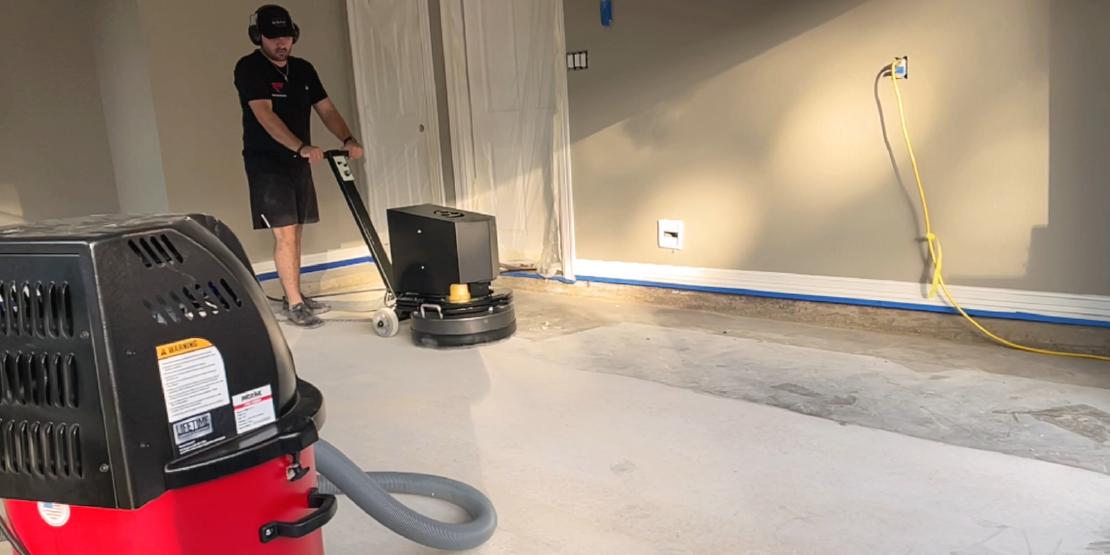
The floor must be completely clean and free of dirt, grease, or any other materials that could inhibit the adherence of the coating to the surface. It’s helpful to use a high-quality degreaser or detergent to eliminate any oil or grease stains that could interfere with the coating. Additionally, checking for any imperfections on the surface, such as holes, cracks, or chipped areas, is important. These can be filled in using a suitable filler prior to coating. Yet another critical preparatory step before floor coating is to ensure that the floor is smooth and rough enough for the coating to adhere, a process known as etching or profiling. If neglected, these preparation stages can lead to severe coating issues down the line.
The Importance of a Clean Surface
Before attempting any floor coating process, it’s critical to properly clean the surface. This step, often underestimated, has a profound influence on the final outcome. Dirt, dust, grime and oil residues can weaken the bonding of the coating, leading to peeling and flaking over time. Other contaminants, such as wax, grease, or old paint may cause similar problems, making it harder for the fresh coat to adhere properly to the floor surface.
Modern floor coatings like epoxy, polyurethane, and acrylic demand a pristine canvas for optimal performance. Any imperfections, including minor dust particles, could disrupt the chemical composition of the material. They might leave unsightly bumps or irregularities on the surface, ruining the smooth, polished look homeowners wish to achieve. Quality cleaning tools and commercial degreasers or cleaners can help ensure a deep, thorough cleaning, thus achieving a surface uniformly ready for coating.
Issues with Not Allowing Adequate Drying Time
Ensuring appropriate drying time is critical in the floor coating process. This step allows the applied coating to solidly adhere to the surface, promoting longevity and effective functioning of the coating. When this important factor is overlooked, it can lead to significant problems. Hastily moving onto the next step without allowing for adequate drying time creates the risk of the coating not settling properly. The appearance and texture of the floor may be uneven and unsightly with visible streaks or bumps.
The improper drying of the coating can also affect its durability. Inadequate drying time may lead to soft spots in the coating that can easily be damaged or peeled off. These areas make the surface susceptible to moisture and dirt infiltration, compromising the overall integrity of the floor. Moreover, failure to allow for proper drying might result in poor bonding of the coating to the underlying floor, causing it peel or chip away prematurely. Therefore, it is essential to adhere to the recommended drying times to ensure optimal coating performance.
The Problem with Inadequate Surface Roughness
Mechanically prepping a surface through abrasive methods such as grinding or blasting ensures adequate roughness. This process creates numerous small imperfections, craters and peaks which provide a suitable anchor point for adhesive materials. Inadequate surface roughness becomes problematic as coatings require a certain degree of roughness to adhere properly. Insufficient roughness can lead to peeling, flaking, or delamination of the coating.
Failure to achieve the required degree of roughness before applying a coating will likely attract significant repair costs. It would involve the removal and re-application of the coating. Therefore, understanding and ensuring the right degree of surface roughness plays a vital role in floor coating application. This is often achieved by following specific industry standards, such as the National Association of Corrosion Engineer’s (NACE) ‘No. 2 Near-White Blast’ standard or the Society for Protective Coatings’ (SSPC-SP 10/NACE No. 2 Near-White Metal Blast Cleaning) standard.
Incorrect Mixing of Epoxy Components
Epoxy floor coating has emerged as a beloved choice for both residential and commercial settings due to its durability and aesthetic appeal. Though the application process entails several steps that may intimidate a beginner DIY enthusiast, understanding each step can ensure a stunning finish. One step that plays a pivotal role in the success or failure of the floor coating process is the mixing of epoxy components.
Several DIY enthusiasts might underestimate the complexity of this process and make inadvertent mistakes. Epoxy resin and hardener must be mixed in an exact ratio as recommended by the manufacturer. Any deviation from this ratio can lead to inefficient curing of the epoxy, resulting in a floor coating that is either too soft or too brittle. Furthermore, a poorly mixed epoxy might cause issues like blistering, peeling, or emission of harmful fumes during the curing process. As such, meticulous attention to detail while mixing epoxy components is critical for achieving a smooth and robust floor coating.
The Perils of Applying Too Thin or Thick Coating
It goes without saying that applying the correct thickness of the coating is crucial to achieve the desired result. When the coating is too thin, it may not be able to fully cover the surface, leading to a patchy appearance. Subsequently, substrate weaknesses may not be properly addressed, subsequently affecting the durability of the floor coating. Ultimately, a thin application could lack the ability to protect the surface from harsh conditions, including chemical spillages, heavy traffic and abrasive materials which shorten the lifespan of the floor coating.
On the other hand, an overly thick application poses its own set of problems. It may lead to the formation of bubbles or an uneven surface, which not only affects the aesthetic quality, but also impacts the functionality of the floor. A heavy-handed approach could lead to an unnecessarily long drying period, possibility of shrinkage and socio-economic uncertainties, including higher material costs and extended downtime during the application process. Therefore, getting the balance right is key in floor coating application.
Neglecting the Effects of Humidity and Temperature
Humidity and temperature play a critical role in the process of applying floor coatings, especially with epoxy-based products. These two factors can significantly impact the curing process, and therefore the final result. If the coating is applied under high humidity conditions, it may not adhere correctly, forming bubbles and other defects. On the other hand, a very dry environment can make the coating cure too quickly, preventing it from leveling out properly or adhering securely to the floor surface.
Temperature fluctuations also pose a challenge. A cold environment can cause the coating to thicken, making it difficult to apply and resulting in a less even finish. In contrast, in very hot conditions, the coating may become too thin and runny, also leading to an uneven finish and poor adhesion. Understanding and duly considering these influences can make the difference between a successful DIY floor coating job and a botched one.
Overlooking the Need for Proper Ventilation
The process of applying a DIY floor coating often involves the use of chemicals that release potentially harmful fumes. Epoxy, for instance, can emit volatile organic compounds (VOCs) in the application and curing process. Exposure to these fumes can lead to a host of health issues, ranging from minor irritations such as headaches and dizziness to more serious concerns like respiratory problems and neurological damage. Proper ventilation is crucial to prevent the buildup of these harmful vapours.
Overlooking proper ventilation is a dangerous error. A well-ventilated area disperses toxic fumes, providing safer working conditions. This can be achieved by opening all windows, using fans and ensuring air is moving across the floor and out through the doors. The aim should be to create cross-ventilation. Take breaks often and never work in the room for prolonged periods without protective gear. Never forget, your health and safety take precedence over everything else when undertaking a DIY project. Be sure to read all manufacturer precautions about ventilation requirements.
Missteps in Choosing the Right Floor Coating
When it comes to DIY floor coating, the choice of suitable materials plays a pivotal role in the project’s success. A common mistake is the selection of inappropriate floor coatings that are unsuitable for specific flooring conditions. Factors such as the traffic load the floor will endure, exposure to liquid spills, and the floor-type (concrete, wood, tile, etc.) should be keenly considered. The use of epoxy on a basement floor, for instance, could result in peeling due to moisture buildup. Similarly, selection of a urethane-based coating for a heavy traffic area may not provide the needed durability.
Additionally, many homeowners often overlook the necessity to match the coating with the floor’s aesthetic. For instance, glossy coatings may highlight imperfections on a surface, whereas a matte finish can be adept at hiding them. Some coatings can also discolor over time, which might clash with the home’s interior. The visual appeal of the floor should be considered alongside the practical needs. Keep in mind, a well-chosen floor coating not only extends the life of your floors, but also enhances the overall look of your home. A miscalculation in selecting the correct floor coating can lead to time-consuming repairs and unnecessary expenses.
The Dangers of Ignoring Safety Measures
Firstly, it is crucial to understand that the application of DIY floor coating involves a potential exposure to hazardous substances. Epoxy products and other floor coating materials often contain chemicals that may be harmful upon direct contact or inhalation. Safety gear, such as respiratory masks, eye protection, and gloves, are indispensable to reduce the risk associated with these substances. Ignoring these preventive measures could lead to immediate health concerns like skin irritation, eye damage, or breathing difficulties. In some cases, prolonged exposure without protection can even result in severe long-term health complications.
Furthermore, the flooring process also presents physical risks when safety protocols are not strictly adhered to. The floor can become extremely slippery during the application and curing phases, increasing the likelihood of falls and associated injuries. Proper footwear is crucial throughout the entire process to ensure the individual’s safety. Additionally, steps should be taken to prevent accidental contact with power tools and equipment used in the process. Mistakes in operating these tools, often due to the disregard of safety instructions, can result in accidents leading to serious injury or even death.
Maintenance and Care Post-Application
After the successful application of the floor coating, the newly refinished surface requires regular maintenance to retain its pristine conditions. Maintenance involves a multitude of activities such as routine cleaning, immediate spill cleanups, and in more abrasive environments, a periodic reapplication of topcoat. Experts recommend using a mild detergent or neutral cleaner for regular cleaning, as abrasive or corrosive cleaners can degrade the coating over time. It’s also crucial to clear spillages promptly, as certain substances can stain or seep into the coating, causing discoloration or other damages.
Care post-application is central to the longevity of the floor coating. Yet, many owners mistakenly believe that once coating application is complete, the floor becomes impervious to damage. Resist the lure of moving heavy machinery or placing hefty furniture on the new surface soon after application. Giving ample time for the coating to fully cure prevents premature damage. Likewise, using floor mats at entrances to trap abrasive particles and moisture goes a long way in preserving the coating. Tests for damage, such as small gouges, should be performed regularly, and any identified issues should be promptly addressed to prevent further degradation.
Troubleshooting and Fixing Floor Coating Issues
While undertaking a floor coating project, it is common to run into a few hiccups. Bubbles, for instance, can form if the epoxy doesn’t bond with a sealed surface properly. This is usually a result of insufficient surface preparation prior to starting the coating process. To rectify this issue, the epoxy coating needs to be removed completely and the surface will require additional etching or grinding. A fresh coat can then be applied on the well-prepared floor.
In another scenario, there may be a lack of adhesion between the floor coating and the substrate, which could lead to peeling. This is often related to inadequate mixing of two-part epoxy formula, improper surface preparation or applying the coating when the temperature is too low or high. This problem is usually resolved by removing the peeling epoxy, preparing the surface thoroughly, and then reapplying the coating. Temperature conditions also need to be taken into account to ensure a flawless result. Remember, fixing these floor coating issues require patience, skill, and an understanding of the product and process. When dealing with floor coating issues, there are several common problems and solutions to be aware of.
• Bubbles in the Coating: This typically occurs when the epoxy doesn’t bond properly with a sealed surface. The usual cause is insufficient surface preparation before starting the coating process. To fix this issue:
- Remove the existing epoxy coating completely.
- Prepare the surface further through additional etching or grinding.
- Apply a fresh coat on the well-prepared floor.
• Lack of Adhesion Leading to Peeling: This problem often arises due to inadequate mixing of two-part epoxy formula, improper surface preparation, or applying the coating under extreme temperature conditions. In order to resolve this issue:
- Remove any peeling epoxy from your floor.
- Thoroughly prepare your surface again for better adhesion.
- Reapply your chosen coating carefully taking into account optimum temperature conditions.
It’s important to remember that fixing these floor coating issues require patience, skill, and an understanding of both product and procedure involved. Always ensure you’re working under suitable conditions and using quality materials for best results.
Another potential issue could arise if:
• Discoloration Occurs Over Time: If you notice that your coated floors have started losing their color over time or seem uneven in color distribution, it might be due to UV exposure or inconsistent application methods. To tackle this problem: - Consider using a UV-resistant topcoat if sunlight exposure is significant in that area. - Ensure consistent application techniques during initial installation or reapplication.
Fixing such flooring mishaps can be challenging but not impossible; all it requires is careful attention towards detail while prepping up for coatings as well as during its application phase itself!
What are some common issues with DIY floor coating?
Some common issues include inadequate surface preparation, not allowing enough drying time, incorrect mixing of epoxy components, and applying a coating that’s too thin or thick.
How important is it to have a clean surface when coating your floor?
Having a clean surface is crucial. Any dirt, dust, or grime can interfere with the bond between the coating and the floor, leading to a poor finish or even coating failure.
What issues might arise if there’s not adequate drying time between coats?
Not allowing enough drying time between coats can lead to a number of issues, such as bubbles or a cloudy appearance in the finish. It can also make the coating less durable.
What is the impact of inadequate surface roughness on floor coating?
If the surface is too smooth, the coating may not adhere properly, leading to peeling or flaking. If it’s too rough, the coating may appear uneven or have a poor finish.
Why is correct mixing of epoxy components important?
Incorrect mixing of epoxy components can result in a weak coating that may not harden properly or could quickly wear out.
What problems can arise from applying too thin or thick a coating?
Applying a coating that’s too thin may not provide adequate protection for the floor, while a coating that’s too thick can lead to issues like cracking or wrinkling.
How does humidity and temperature affect floor coating application?
Both humidity and temperature can have a significant impact on the drying time and the overall finish of the floor coating. High humidity or low temperatures can cause the coating to dry slowly or unevenly.
Why is proper ventilation necessary when applying floor coating?
Proper ventilation is necessary to ensure the fumes from the coating dissipate properly and to help the coating dry evenly and quickly.
How do I choose the right floor coating?
The right floor coating will depend on factors like the type of floor, the expected traffic and use of the floor, and your personal preferences for finish and color.
What safety measures should I take when applying floor coating?
Safety measures include wearing protective clothing, using a mask to avoid inhaling fumes, and ensuring the area is well-ventilated.
How should I care for and maintain my floor after coating?
After applying a floor coating, it’s important to clean up spills immediately, avoid dragging heavy objects across the floor, and clean the floor with a gentle cleaner that’s suitable for the type of coating you’ve applied.
How can I troubleshoot and fix issues with my floor coating?
The steps to troubleshoot and fix issues will depend on the specific problem. Some common fixes include sanding and reapplying the coating for issues like peeling or flaking, or applying a clear top coat for problems like a dull finish.