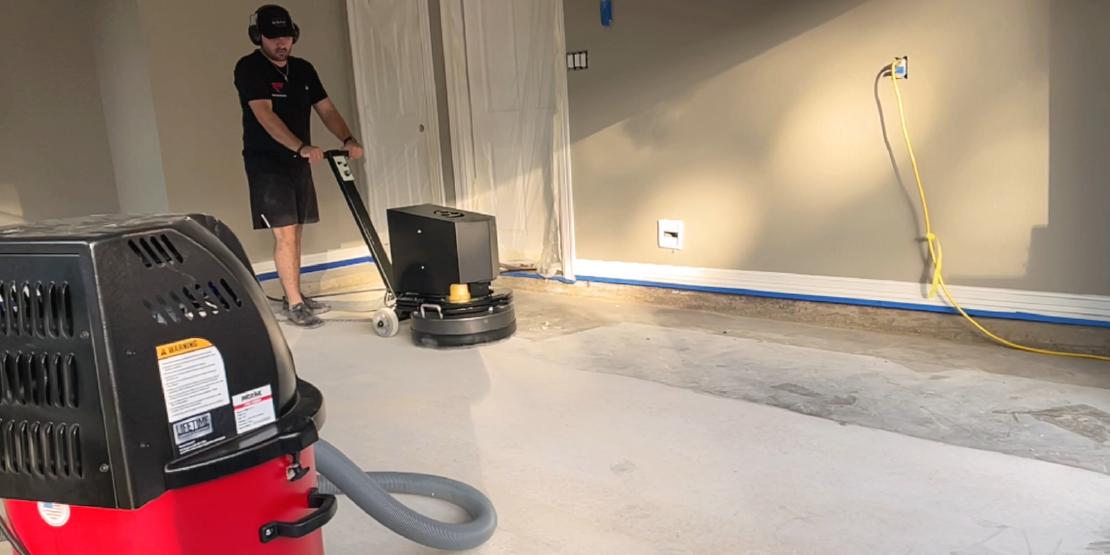

Comparative Analysis: DIY vs. Hiring Professionals
Understanding Do-It-Yourself Approach
The concept of Do-It-Yourself, or DIY, embodies the ideology of self-reliance, perseverance, and creative problem-solving. It involves individuals undertaking tasks, from simple to complex, mainly without professional assistance. Such an approach thrives on possessing adequate skills, knowledge, learning from mistakes, and the desire to evolve continually. As DIYers, individuals often undertake a broad spectrum of projects, including home repairs, decorations, arts and crafts, and constructing furniture.
Although the DIY approach is rooted in individual efforts, it thrives on community support and shared learning experiences. At its core, DIY encourages the culture where sharing knowledge, techniques, tricks, and tips are celebrated. Online platforms, tutorials, and social media groups have played an integral role in fostering this DIY community. Information sharing across the globe has enabled DIYers to embark on exciting projects, and to overcome challenges, through shared experiences and gained insights.
Benefits of Taking on DIY Projects
Engaging in DIY projects comes with several advantages that extend beyond just saving money. One of the significant benefits is the acquisition of new skills. When undertaking a DIY task, individuals often have to learn how to operate new tools or acquire new knowledge relevant to the project. These skills, once learned, can be applied to future tasks, deepening the individual’s skillset.
Additionally, taking on DIY projects often yields a sense of achievement and satisfaction that is incomparable. This sense of accomplishment comes from having been able to successfully complete a task independently. It boosts self-confidence and promotes a positive attitude towards tackling challenges. DIY projects also have the benefit of customization. Unlike professional services, DIY allows for personalized details in projects, resulting in outcomes tailored to one’s specific tastes and preferences. • DIY projects provide an opportunity to learn new skills: Whether it’s mastering a power tool, learning how to sew, or understanding the basics of carpentry, each DIY project brings with it a chance to acquire and develop new abilities. These skills can be beneficial in various aspects of life beyond just the specific project at hand.
• Sense of achievement: Successfully completing a DIY task provides immense satisfaction and boosts self-confidence. This sense of accomplishment is unique as it stems from having been able to finish something independently without relying on external help.
• Customization benefits: One significant advantage that sets DIY tasks apart from professional services is the ability for customization. Since you’re doing everything yourself, you have complete control over every detail - right down to the smallest aspects. This freedom allows individuals to create outcomes that are perfectly tailored according to their tastes and preferences.
• Cost-effective solution: While this might seem obvious, it’s worth mentioning that taking up DIY projects can save money. Instead of hiring professionals or purchasing ready-made items, investing some time and effort into creating something yourself often proves more cost-efficient in the long run.
• Therapeutic effects: Engaging in hands-on work has proven therapeutic effects including stress reduction and promoting mental well-being. It also provides an outlet for creativity which further enhances its positive impact on mental health.
In conclusion, while saving money may be one motivating factor behind undertaking DIY projects; skill acquisition, personal satisfaction & achievement feeling along with customization possibilities make these endeavors even more rewarding.
Potential Drawbacks of DIY
Undertaking DIY projects can indeed provide a sense of achievement, yet this path is not without its potential pitfalls. Initially, procuring the necessary tools and materials for certain projects can prove quite expensive. Although these tools may be used again, they represent a capital outlay to which many would-be DIYers do not usually give due consideration. Lack of appropriate tools or using inappropriate ones for a job can lead to substandard work or even pose safety risks.
Additionally, achieving the level of expertise required for certain tasks may be daunting. Time is another crucial factor; most DIY tasks take longer than anticipated, cutting into personal time and often causing frustration. This often occurs as a result of lack of professional experience and skills. Moreover, anything less than perfect results obtained from a DIY project can impact the overall quality, aesthetics, and durability of the work, often resulting in additional expenses for future repairs and adjustments.
Understanding the Role of Professional Services
Professional services embody a broad set of specialized skills offered by trained and experienced individuals or firms. These may include trades such as plumbing, electrical work, construction, design, consultancy, and more. The main distinguishing factor is that these professionals have spent significant time acquiring, mastering, and applying their skills and knowledge. They carry in-depth understanding along with necessary licenses and certifications, making them experts in their field primed to deliver high-quality services.
There are numerous reasons individuals and businesses alike opt for professional services. The primary benefit revolves around the expertise of these individuals or teams, which often leads to efficient and precise work output. Professionals tend to identify potential issues and mitigate them ahead of time – an insight that does not come without extensive experience. As they are well-accustomed with the potential complexities of a task, they are better equipped to bypass common mistakes, adhere to safety regulations and, in most cases, they offer warranties or guarantees for their work. Their proficiency can provide assurance and quality, thus saving time, reducing stress, and in some cases, lowering costs in the long run.
Advantages of Hiring Professionals
Entrusting your project to seasoned professionals can bring a plethora of benefits. With years of experience under their belt, these experts possess not only a profound knowledge of the task at hand but also an acute awareness of the potential pitfalls and how to circumvent them. This expertise minimizes errors and results in high-quality, reliable outcomes. Moreover, they are well-versed with requisite permits and regulations, ensuring the project is compliant, thereby dismissing any legal concerns.
Opting for professional service also relieves you from the time-consuming task of handling the project yourself. Professionals employ efficient strategies, refined by years of practice, to expedite the process without compromising the quality of work. This allows you to focus on your personal or professional obligations while the project is being skillfully handled. Additionally, most professional services come with warranties or guarantees, thereby offering you the peace of mind that post-completion service and maintenance are covered.
Limitations of Hiring Professionals
Undoubtedly, hiring professionals is accompanied by numerous advantages. However, it also comes with a number of limitations that are often overlooked. One significant limitation is the cost involved. Contracting professional services usually translates to higher costs in comparison to DIY. This is due to the fact that professional services encompass not only labor fees but also the overheads of running the business. Depending on the scope and complexity of the project, these costs can quickly escalate, resulting in a significant dent in the client’s budget.
Another downside to hiring professionals relates directly to control over the project. When resolving to take a backseat and letting the professionals handle the job, a client might lose some sense of personal involvement and control. There can be an inherent risk of miscommunication, resulting in an end product that may not align with the client’s original vision or expectations. Furthermore, being subject to the professional’s timeline can also lead to a less flexible schedule, with clients having to adjust their day-to-day routines to accommodate the service provider’s availability.
Assessing Cost Differences: DIY and Professional Services
When considering whether to tackle a project independently or hire a professional, one of the primary factors to analyze is the cost difference. The do-it-yourself method, at first glance, often appears less expensive due to the lack of labor charges. Purchasing a DIY kit or materials, coupled with tutorials on the internet, seems like a cost-effective option. However, it’s important to remember that these material costs can stack up and sometimes, the required tools for the job can also carry a heavy price tag.
Comparing these expenses to hiring a professional service, one cannot ignore the higher upfront costs. The price quoted by a professional usually includes cost of materials, labor charges, and their expertise. Although seemingly pricier, it’s prudent to consider the potential for wasted resources if a DIY project goes wrong and needs professional intervention later. The value in hiring professionals lies in the assurance of a job done correctly the first time, which can often lead to cost savings in the long run.
Time Investment: DIY versus Professional Services
The value of time both in DIY and professional service scenarios is extremely significant. With DIY projects, the time investment can be substantial due to the need for learning, trial and error, purchasing materials, and actually doing the work. For complex tasks, this learning and execution phase may span over several weeks or even months. This is particularly evident in tasks requiring specialized skills or intricate work such as plumbing, electrical work, or advanced carpentry, which might take a novice an excessive amount of time to complete.
In contrast, hiring a professional service can drastically reduce the time commitment required. This is simply due to professionals’ expertise and efficiency gleaned from years of experience in their respective fields. The speed of professional service delivery, however, does not correlate to a reduction in quality; in fact, the high degree of specialization often ensures superior results. It is important to remember, though, that hiring professionals requires some time allocation for researching, contacting, and scheduling the right service providers, but this often pales in comparison to the time spent on carrying out a DIY project.
Quality of Work: DIY versus Professional Services
The quality of work often significantly varies between DIY projects and tasks carried out by professional services. One of the key benefits of hiring a professional is the high standard of work delivered. These individuals or companies are backed by substantial experience and expertise in their given field. This allows them to efficiently handle unexpected challenges that may arise during the process. They are well-versed in industry standards and regulations, ensuring their work meets or even exceeds these benchmarks.
On the other hand, the quality of work produced through a DIY approach largely hinges on the individual’s level of skill and knowledge in the specific task. While certain simple tasks might be executed with comparable quality to professionals, more complex projects might lack the finesse that comes with years of training and experience. It’s also important to consider that while the initial visual result of a DIY project might look satisfactory, there might be underlying issues that only become evident over time. Thus, the quality of work in a DIY versus professional context is an essential factor to take into account when deciding between the two.
Risk Assessment: DIY versus Professional Services
In any project, undertaking a risk assessment is imperative. This process helps identify potential hazards and problems that could arise during the course of completing a project. When contemplating whether to DIY or hire a professional service, the element of risk is an essential factor to consider. For DIY projects, risks may range from minor injuries to severe damages, especially when handling complex tasks that require specific skills or handling potentially dangerous tools.
On the other hand, hiring professional services mitigates these risks considerably. Professionals come equipped with the necessary skills, expertise, and safety measures, thereby decreasing the likelihood of errors and blunders. However, it introduces a different set of risks. These could include overcharging, delayed timelines, subpar work, or even fraud by counterfeit services. Nevertheless, it’s crucial to note that these risks can be significantly reduced by thoroughly vetting the professional services before hiring them. A careful risk assessment will guide you in identifying the best approach for your project.
How to Decide: DIY or Hire a Pro?
When you find yourself tangled in the decision-making endeavour of whether to follow a DIY approach or hire a professional, certain key elements need consideration. Firstly, accurately assess the complexity of the project at hand, remembering that while some tasks might seem straightforward, it’s often the small, unforeseen problems that escalate into larger issues. If the task in question involves specific skills, specialized tools, or requires a level of expertise and experience beyond your own, it might be worthwhile to hire a professional to complete it.
Secondly, think about time and cost constraints. Completing a DIY project, especially if it’s novel to you, can frequently consume more time than initially estimated. Also, the cost of buying tools and materials can quickly add up. The benefit of hiring professionals includes time efficiency and cost-effectiveness in the long run, as they bring with them a level of expertise and the necessary tools to complete the job. Balancing these aspects with your budget and time availability can guide you towards the decision that suits you best.
Real-life Case Studies: DIY versus Professional Services
In a particularly illustrative case, a homeowner named Sam decided he was up to the challenge of renovating his own basement. He had minimal construction experience, but was armed with an online tutorial and a determination to save the cost of hiring professionals. He estimated materials would cost around $5000 and that the project would take about a month to complete. Unfortunately, due to his lack of experience, the project took over three months resulting in substantial time taken off work. Additionally, because of unforeseen structural issues, his material costs ended up closer to $8000.
Contrastingly, there was Mary, a homeowner who chose to hire professionals for her kitchen renovation. With an initial quote of $10,000, it seemed like the more expensive option. However, the professionals were able to spot potential plumbing and electrical issues in advance and design around them, preventing unexpected cost overruns. The project was completed within the estimated time frame of two weeks, allowing Mary to enjoy her newly renovated kitchen sooner than if she had tackled the task on her own. In this case, the cost of hiring a professional service only marginally exceeded Sam’s DIY project, but with a lot less stress and time spent.
Relevant Tips for Making the Right Choice
One of the essential parameters to consider when torn between DIY and professional services can be the complexity and scale of the project. Engaging in a highly challenging task without adequate experience can lead to cost overruns and poor quality results. Therefore, assess your skills realistically and start with smaller, manageable projects to gradually enhance your abilities. Equally important is safety, especially for projects involving electrical work, plumbing, or roofing, where professional help should be preferred.
Another valuable tip is to calculate the time and cost involved meticulously for both options. While DIY projects may initially seem cost-effective, the associated expenses of buying tools, materials, and possibly needing to redo mistakes could cause an increase in the budget. Additionally, the time investment should be factored in, which might be high especially for novices. When estimating professional service cost, always try to get multiple quotes ensuring you get a reasonable price without compromising quality. Remember, the lowest quote doesn’t always mean the best service.
What are some common benefits of taking on DIY projects?
DIY projects can be cost-effective, offer a sense of accomplishment, and provide opportunities to learn new skills.
Are there any drawbacks to the DIY approach?
Yes, DIY projects can be time-consuming, carry a risk of mistakes due to lack of expertise, and may end up costing more if errors are made.
What role do professional services play?
Professional services generally offer expert skills, experience, and resources to complete projects efficiently, effectively, and typically with a higher degree of quality and precision.
Can you elaborate on the advantages of hiring professionals?
Professionals can deliver high-quality work, save time, and provide warranties or guarantees for their work. They also have the expertise to handle unexpected issues that may arise during the project.
Are there any limitations to hiring professionals?
Hiring professionals can be expensive, and you may have less control over the process and outcome of the project.
How do I assess the cost differences between DIY and professional services?
You should consider the price of materials, tools, and your time for DIY. For professional services, consider their fees, warranties, and potential costs for any needed modifications or fixes.
How does the time investment differ between DIY and professional services?
DIY projects may require a significant time commitment, especially for beginners. Professional services can often complete the work faster due to their experience and resources.
Which offers better quality of work, DIY or professional services?
While this can vary, professional services often provide superior quality due to their expertise. However, a well-executed DIY project can also yield good results.
How do I assess the risks involved in DIY versus professional services?
Consider the complexity of the project, your skill level, potential for mistakes, and the consequences of errors.
What factors should I consider when deciding between DIY or hiring a pro?
Consider the cost, time, your skill level, the complexity of the project, and the potential risk involved.
Can you provide some real-life examples of DIY versus professional services?
The article includes some case studies which illustrate the benefits and drawbacks of both approaches in real-life scenarios.
Can you share some tips on making the right choice?
Always evaluate your skills, consider the complexity and size of the project, understand the time and cost involved, and assess the potential risks before making a decision.