
Comparing DIY vs. Professional Floor Coating Costs
Understanding DIY Floor Coating
DIY, or Do-It-Yourself, floor coating typically refers to the direct application of specialty coatings by homeowners, rather than by trained professionals. This approach is often thought of as the cheaper, more hands-on method of preserving and enhancing the look of residential flooring. Flexibility in choice of materials and design, the satisfaction of personal effort, and potential cost savings are perks that appeal to handy homeowners.
Although the idea of handling your own floor coating might sound straightforward, it requires detailed knowledge about floor types, coating material compatibility, proper application procedures, and safety measures. Detailed research and upfront preparation become critical to ensure the success of the project. The type of the floor – whether hardwood, concrete, or tile – would dictate the specific set of preparation procedures and coating material required. The aim is to secure a durable, polished finish without incurring unnecessary costs or damaging the flooring.
Cost Analysis for DIY Floor Coating
The financial component involved in undertaking a Do-It-Yourself (DIY) floor coating project can be enticing for those on a limited budget. Purchasing the necessary materials like epoxy or polyurethane coating, a paint roller, a paint tray, and safety gear, is typically less expensive than paying for professional services. The cost of these materials involves a one-time outlay and can vary greatly depending on the chosen quality. On average, it might cost homeowners between $50 - $600 to purchase necessary materials for a simple epoxy coating on a standard two-car garage floor.
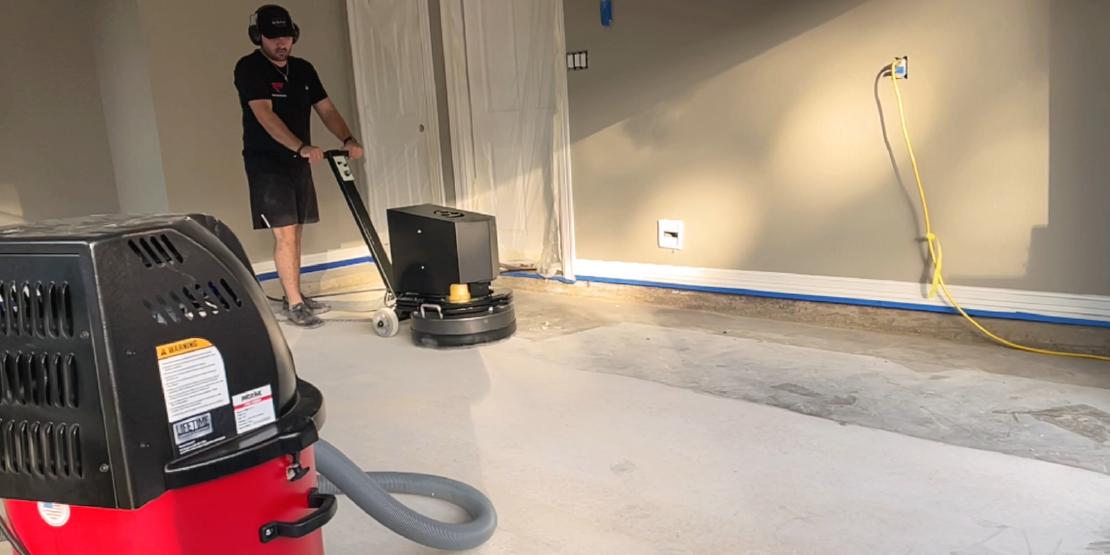
However, an additional financial aspect to consider is the possible need for specialty tools or equipment. In some cases, if the surface of the floor is rough or uneven, it may require grinding or smoothing. It will mean either purchasing or renting a concrete grinder or sander. Moreover, other potential costs can arise from any mistakes made in the process, resulting in wasted materials that need to be repurchased. Therefore, while DIY floor coating can certainly be more cost-effective initially, unexpected expenses can sometimes arise, pushing up the total expenditure.
Materials Required for DIY Floor Coating
The process of applying a do-it-yourself floor coating requires several different elements to ensure a successful and durable finish. These materials can greatly vary depending on the type of surface that needs coating, the existing condition of the floor, and the desired finish. However, there are some common materials that generally apply to most, if not all, DIY floor coating projects. Essentially, one requires a high-quality floor coating product, a roller or sprayer for application, a primer if necessary, and appropriate safety gear such as gloves and goggles are undoubtedly indispensable.
Furthermore, the preparation of the surface holds significant importance. Hence, materials such as a floor grinder or sandpaper could be required to smoothen out concrete surfaces. One may also require a cleaning agent and mop to ensure the floor is well-cleaned before applying the coating. For repair of cracks or gaps, a crack filler or epoxy paste may be needed. Finally, painters tape can be incredibly helpful in ensuring crisp, clean edges when applying the coating, considering the level of precision that this task entails.
Time Investment in DIY Floor Coating
Investing your time in a DIY floor coating project is an essential factor to consider. While it might seem like a cost-effective solution, much of your free time will be invested in the tasks involved in the process. These tasks may include buying materials, planning and preparing the surface, mixing the coating, application, and drying time. One must bear in mind that without hands-on experience or technical knowledge, even understanding the guidelines for these tasks can turn into a time-consuming affair.
The duration of the DIY floor coating process is not simply determined by the size of the area to be coated, but also by the type of coating being applied. For instance, epoxy coatings and polyurea coatings need different preparation methods and curing times. Epoxy coatings require several days to dry and cure, while polyurea coatings typically dry faster. Hence, considering the time investment in these steps might help you determine whether or not the DIY route will be convenient for you.
The Process of DIY Floor Coating
To embark on DIY floor coating, the initial step is preparing the surface. This task is a fundamental aspect, as the success of the entire process depends on the ability to effectively clean and unclutter the floor. Surface preparation involves sweeping, vacuuming, and degreasing the floor. The aim is to rid the floor of dust, debris, cracks, and oil stains that could deter the adhesion of the coating. We recommend using commercial degreasers for oil stains and filling any cracks with an epoxy filler. This step loses its importance if the floor is new and free from stains and cracks.
After proper preparation of the surface, the next step is choosing and applying the right floor coating. The choice of coating depends on the floor type and the preferential outcomes like gloss, the level of durability, and resistance to stains and abrasion. Epoxy and polyurethane coatings are popular choices for DIY floor coating. The application process requires patience and a keen eye. Uniform mixing and application are vital to avoid visible lines and to ensure even distribution. The use of reliable application tools like good quality rollers and brushes is highly recommended for this process. It’s important to note that, for optimal results, most coatings require at least two layers.
Understanding Professional Floor Coating
Professional floor coating is offered by certified contractors or companies specializing in this range of services. This service extends beyond merely applying products on the surface; it includes expert assessment, meticulous preparation, application of suitable floor coating, and a consistent follow-up for maintenance. These professionals also bring forward vast experience and knowledge in dealing with diverse types of flooring and conditions. Thus, ensuring a higher quality, more durable, and customized result based on specific client needs.
One of the primary advantages of opting for professional floor coating services is the assurance of quality. These experts adhere to industry-standard practices, reducing the risks of errors, bubbles, or uneven spreading that could otherwise emerge in do-it-yourself applications. They also come equipped with advanced tools and industrial-grade products that contribute to the long-term durability and beauty of the floor coating. Hence, this choice could potentially save homeowners from costly repairs or rework in the future.
Cost Analysis for Professional Floor Coating
Professional floor coating services bring along a set of specific costs that might seem initially high but often prove beneficial in the long run. Many might mistake it for an expensive affair, but understanding the breakdown of the cost structure is crucial before forming a perception. Designing and planning, manual labor, material cost, transportation and equipment usage comprise the significant cost elements of professional floor coating. Not to forget, this also includes the expertise and guidance offered by professionals - a factor that can keep your property safe from possible missteps of DIY techniques, and hence save on fixing costs.
While the actual expenditure can vary according to different factors, a standard epoxy floor coating job by professionals may range anywhere between $3 to $12 per square foot. This pricing chiefly depends upon the floor condition, required preparation work, complexity and size of the project, the type of epoxy being used, and the region where the services are being provided. Initially, it may seem like a considerable expense as compared to DIY but when viewed in terms of durability, aesthetic appeal, longevity, and minimal maintenance, it turns out to be a cost-effective solution in the long run. The price of peace of mind is often immeasurable - the certainty that the work will be done right and continue to serve its purpose year after year.
What Does Professional Floor Coating Include?
Investing in professional floor coating ensures that you’re receiving a comprehensive, high-quality service that takes into consideration various factors to provide optimal results. To begin with, professional floor coating typically includes a complete surface preparation. This means sweeping and vacuuming the floor to eliminate any dust or debris, filling any cracks or chips with a relevant mix, and grinding or acid etching to level the floor and open the pores of the concrete. Each of these steps ensures that the coating adheres properly to the surface, thereby prolonging its lifespan.
The actual process of applying the coating is also part of the service. Experienced professionals will understand the intricacies of applying the ideal number of coats, ensuring proper drying time between each layer, and selecting the best type of coating material based on the environmental factors of the space. They’ll also meticulously plan for and manage potential issues such as humidity and temperature, which can impact the curing time of the coating. Additionally, a topcoat application is often included in the professional service to provide additional protection, boosting durability, and enhancing visual appeal.
Time Required for Professional Floor Coating
The duration incurred on professional floor coating varies on a multitude of components, which include the floor’s size, the complexity of the job and the type of coating being applied. Generally, it is anticipated that a professional team may take around two to three days to effectively carry out a standard floor coating job. This duration is favoured when the optimal condition is met. However, more complicated or multifaceted tasks may require a crew to stretch out the duration to a week or more, for the guarantee of an excellent result.
Despite the project’s duration, it is essential that homeowners note that the floor will require additional time to cure properly after the application of the coating. Often mistaken as the project’s completion, curing can take anywhere from 24 hours to a week dependent on the specifics of the coating material used. It is best to consult thoroughly with the professional team carrying out the project to understand and anticipate the overall time investment needed before resuming normal use of the space.
Professional floor coating indeed involves a substantial amount of time, albeit the assurance of high quality, long-term service is a highly contemplated factor. To ensure that the task runs smoothly, setting a predetermined project timeframe will keep homeowners well-informed and give them ample room to plan accordingly.
The Process of Professional Floor Coating
Engaging the services of a professional for your floor coating engenders a systematic, efficient, and reliable procedure guaranteed to produce an optimal result. Upon arrival at your premise, professionals conduct a thorough survey of your floor to appraise its current condition. This assessment informs the necessary preparation work required, be it cleaning, repairing cracks, or degreasing. Prepping the floor is a critical foundational step that paves the way for effective application of the floor coating.
After the initial preparation, a suitable primer is applied. The primer’s function is instrumental in enhancing adhesion, ensuring the topcoat’s durability, and improving the floor’s resistance to wear and tear. Once the primer dries, the chosen topcoat or polyurethane is applied smoothly and evenly. It ensures exceptional resistance to chemical assault and surface abrasion. Professional floor coating guarantees a flawless finish and long-lasting flooring solution.
Comparative Analysis: Time and Cost
When it comes to time investment, the DIY floor coating method leans towards the longer side, especially for novices. The entire process, including preparing the surface, applying the coating, and allowing it to dry, could take a weekend or more. It’s crucial to account for the learning curve as well, as mistakes and re-dos can further prolong the process. On the contrary, a professional service is efficient, getting the job done in a shorter timeframe. Armed with expertise, professional applications typically take between one to three days, depending on the size and complexity of the job.
Financially speaking, DIY floor coating appears to be the more economical choice upfront. The costs are primarily for materials, with no labor fees involved. However, it’s essential to factor in any tools you may need to purchase or rent for the job. Professional floor coating services, meanwhile, involve a higher overall cost. This pricing includes both the materials and labor. The exact cost can vary depending on factors like the size of the space, the type of coating used, and the region’s standard service rates. Despite a steeper price, many homeowners find the benefit of a professionally done, long-lasting finish worth the investment.
Factors to Consider Before Making a Decision
Deciding between a DIY job or hiring a professional for floor coating largely depends on various key factors that need to be viewed thoroughly. Primarily, one must evaluate their skill set for a labor-intensive DIY project. An individual who possesses a developed aptitude for handy work, extreme patience, and the resilience to add yet another task to their potentially sizable list may excel in a DIY endeavour. However, for those who have limited experience in such tasks, an error could lead to additional expenditures for materials, or worst, can damaged the flooring.
Secondly, there is the aspect of time. The time that would need to be allocated to a DIY floor coating venture is no small matter. The span can run into days, considering the curing time necessary for such a project. Professional floor coating, however, may require a smaller time investment, as they come equipped with the right tools, extensive experience, and a crew to get the job done efficiently. Additionally, consumers must also consider the cost, not only quantified in money but also in effort, when making a decision between DIY and seeking professional help. Despite the allure of potential savings from a DIY job, unexpected expenditures can creep up, often making the professional option more cost-effective in the long run.
Final Thoughts on Choosing Between DIY and Professional Floor Coating
The choice between DIY and professional floor coating is largely a matter of personal preference, budgetary constraints and timeline. Both options come with their unique set of advantages. Embarking on a DIY project offers a sense of satisfaction and potentially lower costs, particularly if you already possess the necessary tools and materials. However, the task can be time-consuming and requires a decent amount of skill and knowledge to achieve a result comparable to professional standards.
On the other hand, opting for professional floor coating services guarantees a certain level of expertise and quality. Professionals possess the necessary tools, techniques and experience to deliver a flawless finish in a relatively shorter time frame. However, it is important to consider that this option usually comes with a higher cost. By understanding the pros and cons of each method, you can weigh your options and make an informed decision that ultimately caters to your specific needs and preferences.
What is DIY floor coating?
DIY floor coating refers to applying a protective or decorative layer on your floor by yourself without engaging the services of a professional.
How do I conduct a cost analysis for DIY floor coating?
To conduct a cost analysis for DIY floor coating, you’ll need to consider the price of materials, any tools you may need to buy, and the value of your time.
What materials are required for DIY floor coating?
The main materials required for DIY floor coating typically include the floor coating product itself, which could be epoxy or another type of paint, as well as brushes or rollers and cleaning materials.
How much time does DIY floor coating require?
The time required for DIY floor coating depends on the size of the area to be coated and your level of experience with such projects. It could range from a couple of days to a week or more.
What is professional floor coating?
Professional floor coating refers to hiring a professional service provider to apply a protective or decorative layer on your floor. They bring expertise and professional-grade materials to the job, which can result in a higher-quality finish.
How is the cost for professional floor coating calculated?
The cost for professional floor coating typically includes labor charges, material costs, and other overheads. It varies based on the size of the area to be coated and the type of coating material used.
What does professional floor coating include?
Professional floor coating typically includes an assessment of the area, preparation of the surface, application of the coating, and a final inspection to ensure quality.
How much time does professional floor coating take?
The time required for professional floor coating depends on the size of the project and the specific service provider, but it generally ranges from a few days to a week.
How do I decide between DIY and professional floor coating?
Deciding between DIY and professional floor coating depends on several factors, including your budget, time availability, skill level, and the desired quality of the final result.
What are the final thoughts on choosing between DIY and professional floor coating?
The decision between DIY and professional floor coating should be based on a careful consideration of your specific needs and circumstances. Both options have their own set of pros and cons, and it’s essential to weigh them properly to make the best decision.