
Comparing Garage Floor Coating Options: Epoxy vs. Polyurethane vs. Polyaspartic
Understanding Different Types of Garage Floor Coatings
Garage floor coatings bring an incredible transformation, both aesthetically and functionally, to any ordinary garage space. There are several types available in the market today, each with unique characteristics and advantages. The primary types include epoxy, polyurethane, and polyaspartic coatings which cater to various needs, from extreme durability to superior chemical resistance.
Epoxy floor coatings, renowned for their resilience and long lifespan, are a popular choice among homeowners. Polyurethane coatings excel in providing strong UV resistance, ideal for garages that receive considerable sunlight exposure. Last but not least, polyaspartic coatings are designed for rapid installation and cure times. These coatings come in a wide variety of colors and finishes, allowing for a great degree of customization to suit specific tastes and preferences.
Examining the Chemical Composition of Epoxy Coatings
Epoxy constitutes a reactive prepolymer and polymer that contain epoxide groups. This chemical compound is derived from a combination of bisphenol A and epichlorohydrin to yield a resin, commonly called epoxy. The resin is then combined with a hardener, or curing agent, often polyamine. This hardener reacts with the resin, triggering an exothermic process that forms a solid bond. The complex and intricate nature of this reaction leads to a highly durable and resilient coating material.
The quality and attributes of the final epoxy coating significantly depend on the included resins and hardeners. For example, Bisphenol F epoxy resin bears resistance to acid better than Bisphenol A epoxy due to an enhanced chemical composition. Furthermore, the hardness and durability rendered by the epoxy coating are often attributed to the cycloaliphatic epoxy hardeners. Meanwhile, aliphatic polyamine hardeners are favored for their low viscosity and consequent ease of application. Thus, the chemical composition of epoxy not only determines its physical properties, but it also influences its application method and potential uses.
Benefits of Epoxy for Garage Floors
Epoxy coatings offer myriad advantages for garage floors. Most homeowners appreciate the hard-wearing nature of epoxy, making it an ideal choice for spaces dealing with heavy traffic and wear. Fundamentally, epoxy cures to a very hard and resilient finish that holds up well under the constant pressure of vehicles, tools, and foot traffic. Furthermore, epoxy’s high gloss finish helps brighten up typically dark and uninviting garage spaces, leading to a transformative aesthetic effect.
The chemical resistance of epoxy makes it a popular choice for those who work with oils, solvents, and other similar substances. It prevents such chemicals from seeping into the concrete and causing long-term damage. Additionally, epoxy coatings possess a seamless and non-porous surface, making cleaning and general maintenance easier. Dust doesn’t readily stick to epoxy surfaces, and liquid spills can be easily wiped away without leaving a stain. This functional aspect meshes well with the aesthetic benefits, making epoxy an overall practical choice for garage floors.
Drawbacks of Epoxy Garage Floor Coatings
Despite the numerous appealing attributes with which epoxy is endowed, it’s not without its flaws when applied as a garage floor coating. One major disadvantage is its sensitivity to moisture. If the concrete slab hasn’t been properly prepared or if it holds even the slightest moisture, the epoxy coating may not adhere properly. Subsequently, it could lead to bubbling and peeling over time, ruining the aesthetic appeal and the protective layer, shortening the lifespan of your garage floor.
Another pitfall associated with epoxy garage floor coatings involves the application process. It’s a labor-intensive task that requires precision and ample preparation. Sophisticated techniques like acid etching or diamond grinding are necessary to prepare the surface. Also, the application of epoxy involves the mixing of a resin and hardener, where the timing and proportion must be accurate; otherwise, it may lead to an improper cure. It definitely demands patience and professional proficiency, thereby making it less suitable for a DIY project unlike other simpler coating options.
Deep Dive into Polyurethane Coatings
Polyurethane coatings, typically used as a sealant, offer a robust and sturdy finish to garage flooring. Comprising of two parts – the resin and the hardener – this particular coating’s primary function is to protect against physical and chemical damages. It establishes a clear, high-gloss finish and is inherently more flexible than epoxy, allowing it to absorb impacts better. In comparison to other types of coatings, polyurethane bonds well to a broad array of substrates and is also noteworthy for its UV resistance.
Despite its extensive applications in various industrial settings, polyurethane coating has unique value for garage floors. It is resistant to stains, chemicals, abrasions, and extensive wear, making it a popular choice amongst homeowners and commercial establishments alike. Furthermore, it offers an unparalleled level of resistance to oil and grease spills, rendering it convenient for maintaining a clean and efficient garage space. Despite the seemingly complex application process, its superior resilience and flexibility make polyurethane coatings a considerable contender in the selection for garage floor coatings.
Advantages of Polyurethane Coatings for Garage Floors
Polyurethane floor coatings have garnered significant appreciation from garage owners for numerous reasons. Notably, they are known to offer a high level of durability that can resist the wear and tear associated with garage settings. The hard-wearing nature of this material can withstand heavy traffic, drops, spills, and even chemical exposures without forming blemishes. Thus, it is a favorite among those desiring longevity in their flooring investment.
Another important advantage of this floor coating is its remarkable capability to resist heat and UV damage. Unlike many other coating types, polyurethane does not discolor or fade when exposed to long periods of direct sunlight. Hence, it presents an ideal solution for sun-exposed garages, maintaining the aesthetic appeal for years to come. Additionally, the coating’s resistance to high temperatures allows it to handle hot tire pickups without any damage, further facilitating its practicality in garage spaces.
Disadvantages of Polyurethane Garage Floor Coatings
While polyurethane garage floor coatings are lauded for their remarkable protective attributes, they pose certain limitations. One prominent downside is their sensitivity to moisture. Given its susceptibility, any presence of moisture during the application process may lead to complications. Unanticipated results can range from imperfect adherence to the formation of destructive bubbles – ultimately jeopardizing the coating’s integrity.
Additionally, the application of polyurethane coatings demands precise conditions and expert handling. Generally, polyurethane is more challenging to apply than its alternatives like epoxy or polyaspartic coatings. The process necessitates a thoroughly clean and well-prepared surface, and the margin for error is significantly low. Imperfections during application can lead to a compromised finish that may not fetch the desired aesthetic appeal or durability. Thus, DIY enthusiasts or those without professional assistance might find the application process difficult, potentially yielding less than optimal results.
A Closer Look at Polyaspartic Floor Coatings
Polyaspartic floor coatings have emerged as a strong contender in the world of garage floor treatments. Initially developed in the 1990s, this type of coating has gained considerable attention for both its impressively quick curing time and durability. Made from the reaction of an aliphatic polyisocyanate and a polyaspartic ester, which is a type of diamine, Polyaspartic coatings are essentially a type of polyurea. However, what sets them apart is their enhanced compatibility with concrete—a primary reason for their popularity within garage environments.
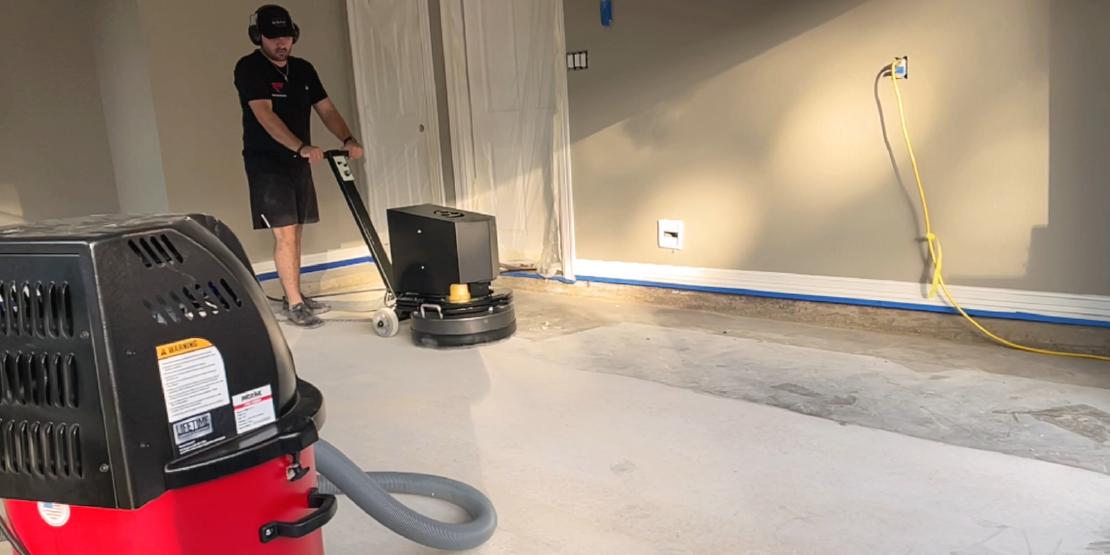
The application process of Polyaspartic floor coatings is quite straightforward. Like other types of coatings, the garage floor needs to be prepped properly with a grinding machine to ensure optimal adherence. Once prepared, the polyaspartic coating is applied in layers, with a clear coat typically utilized to boost the coating’s overall durability and maintain its aesthetic appeal. Undoubtedly, it’s the less time-consuming application and faster curing time that captures homeowners’ attention, speeding the turn-around time without compromising the coating’s excellent performance characteristics. Here are some key points to note about Polyaspartic floor coatings:
• Developed in the 1990s, these coatings have gained popularity due to their quick curing time and durability. • They are made from the reaction of an aliphatic polyisocyanate and a polyaspartic ester—a type of diamine. • This makes them essentially a type of polyurea, but with enhanced compatibility with concrete, making them ideal for garage environments.
The process of applying Polyaspartic floor coatings involves several steps:
• The garage floor needs to be properly prepped using a grinding machine. This ensures optimal adherence of the coating. • Once prepared, the Polyaspartic coating is applied in layers. Typically, a clear coat is used on top to boost overall durability and maintain aesthetic appeal. • One major advantage that sets this coating apart is its less time-consuming application process and faster curing time. This speeds up turn-around time without compromising on performance characteristics.
In conclusion,
• Polyaspartic floor coatings offer an efficient solution for garage flooring treatment due to their fast application and curing times as well as their enhanced compatibility with concrete surfaces. • Despite being relatively new compared to other types of coatings, they have been able to carve out a niche for themselves because of these unique features.
Reasons to Choose Polyaspartic Coatings for Garage Floors
When evaluating the most suitable coating for a garage floor, there are several unique characteristics of polyaspartic coatings that make them an appealing option. Known for their exceptional durability and resistance to damage, these coatings are designed to withstand significant daily wear and tear. Manufacturers often design polyaspartic coatings specifically to resist chemical stains and abrasion, an attribute that is particularly valuable in a garage setting. These features make them a go-to option for those seeking a long-lasting and hard-wearing finish.
Additionally, one of the standout features of Polyaspartic coatings is their fast-curing properties. Unlike other types of coatings, polyaspartic can be applied and dried within the span of a day, thus drastically reducing the downtime often associated with garage floor renovations. Furthermore, these floor coatings maintain their appearance and resilience in extreme temperatures and conditions, making them a reliable and practical choice for your garage floor. Despite various weather changes, you can trust that your garage floor will continue to impress in both aesthetics and performance.
Potential Downsides of Polyaspartic Garage Floor Coatings
Though polyaspartic garage floor coatings offer numerous advantages, they also possess some not-so-favorable characteristics. The primary concern is their high cost compared to other coating options. This type of coating material is often priced higher than epoxy or polyurethane coatings, making it a less economical choice, especially for larger garage spaces. Additionally, installing polyaspartic coatings requires a professional’s touch, adding to the overall expenditure.
Another significant drawback is the rapid curing time of polyaspartic coatings. While this quick dry feature can be advantageous for time-sensitive projects, it can also present challenges during the application process. This coating can cure within a matter of hours or even minutes in warmer environments, leaving little room for error or adjustments. If not applied properly and swiftly, it can result in defects, discoloration, and an uneven finish. Therefore, careful planning and experienced application are essential for achieving the best results.
Key Factors in Choosing the Right Garage Floor Coating
Selecting an ideal coating for your garage floor largely depends on particular resilience needs, aesthetic preferences, and financial considerations. A robust coating should withstand heavy traffic, resist chemical spills, and endure temperature fluctuations. Therefore, factor in the daily usage of the garage, whether it supports vehicle parking or is put to industrial use. Comprehending the performance abilities of epoxy, polyurethane, and polyaspartic coatings can help determine the one that caters to your functional requirements.
A budget-conscious homeowner may lean towards the cost-effective but durable epoxy coatings, while those desiring UV-resistance might invest in the pricier polyurethane options. Polyaspartic coatings, on the other hand, assure quick installation due to fast curing times. Additionally, consider the color and gloss of the coating; some may prefer a high gloss finish while others might want more muted or natural tones. Hence, individual aesthetic and financial considerations interfere with the practicality of the coating choice.
How to Maintain and Care for Your Garage Floor Coating
Regardless of the type of coating on a garage floor, regular maintenance is of utmost importance to retain its aesthetic appeal and long-term durability. Sweep away debris regularly, as small pieces of dirt or gravel can act abrasively against the coating, causing scratches or chips over time. Dust and dirt can also become ground into the surface, dulling the finish and making it harder to clean later. In addition to regular sweeping, it’s also crucial to absorb any oil spills as soon as possible to prevent staining and potential dents in the coating.
Deep cleaning methods will vary depending upon the specific type of coating. For epoxy and polyurethane coatings, using a mild, non-abrasive cleaner will often suffice. This helps eliminate any dirt and stains without damaging the coating. Remember to never use cleaners containing acid or soap-based cleaners on these types of coatings as they can leave a residue. Meanwhile, polyaspartic coatings often respond well to a mix of hot water and vinegar for a shine-enhancing deep clean. Following these simple maintenance rules can help prolong the life and aesthetic appeal of any garage floor coating.
Case Studies: Real-Life Applications of Each Coating Type
In the heart of suburban Arizona, a homeowner chose an epoxy coating to refinish his three-car garage. The garage was primarily used as a workshop for tinkering on cars, with frequent oil spills and heavy equipment usage. Boldly, he chose an epoxy flooring due to its renowned durability and high resistance to chemicals. The result was a stunning, high-gloss finish that has easily faced the stress of daily use and chemical spills, while also adding an aesthetic dimension previously lacking from the space.
On the other hand, a commercial car showroom in Chicago went for a polyaspartic garage floor coating. Given the rapid nature of operations and high footfall traffic, the owner needed a floor coating that could swiftly cure and withstand heavy duty wear. With pot life longer than epoxy resin and low VOC emissions, polyaspartic served their needs perfectly. Providing high surface hardness and an ultra-glossy finish, the showroom has been able to maintain a clean and appealing environment to attract potential car buyers. This showcases clearly how polyaspartic floor coating can have real-life applications and offer a multitude of benefits.
What are the different types of garage floor coatings?
The different types of garage floor coatings include epoxy, polyurethane, and polyaspartic coatings. Each has its own unique properties and benefits depending on the specific requirements of your garage floor.
Can you explain the chemical composition of epoxy coatings?
Epoxy coatings are made up of two components - a resin and a hardener. When these two components are mixed together, a chemical reaction takes place that results in a hard, durable coating.
What are the benefits of using epoxy for garage floors?
Epoxy coatings are durable and resistant to many types of damage, including chemical spills, heavy traffic, and extreme temperatures. They are also available in a variety of colors and finishes, allowing for a high degree of customization.
Are there any drawbacks to epoxy garage floor coatings?
While epoxy coatings are highly durable, they can be prone to yellowing over time, especially when exposed to sunlight. Also, they can be a bit slippery when wet, although this can be mitigated with the addition of anti-slip additives.
How do polyurethane coatings work?
Polyurethane coatings work by forming a hard, protective layer over the surface of your garage floor. This layer is resistant to abrasion, chemical spills, and UV rays, which can cause color fading or yellowing.
What are the disadvantages of polyurethane garage floor coatings?
While polyurethane coatings are generally easy to apply, they can be more expensive than other coating options. Also, they may not adhere as well to concrete surfaces that are not properly prepared.
Can you tell me more about polyaspartic floor coatings?
Polyaspartic coatings are a type of polyurea that has been modified to make it more suitable for use as a garage floor coating. They offer a high degree of durability and UV resistance, and they cure much faster than epoxy or polyurethane coatings.
What are the key factors to consider when choosing a garage floor coating?
When choosing a garage floor coating, you should consider factors such as the level of traffic your garage sees, your budget, the look you want to achieve, and the time you have available for the project.
How should I maintain and care for my garage floor coating?
Regardless of the type of coating you choose, regular cleaning is essential. This typically involves sweeping or vacuuming up debris, and mopping or wiping up spills as soon as they occur.
Are there any real-life examples of each coating type?
Yes, there are numerous case studies available that demonstrate the real-life applications of each coating type, including examples of residential, commercial, and industrial settings.