
Concrete Sealers: Types and Applications
Understanding the Importance of Sealing Surfaces
Moisture intrusion is one of the leading causes of damage on various surfaces. Whether it is concrete, wood, or any other material, the penetration of water and other elements can lead to discolouration, warping, rot, and even structural damage over time. Sealing surfaces acts as a protective barrier, effectively mitigating this risk. A high-grade sealer can block harmful substances, repel water, oil, and stains, and even add a layer of UV protection, which prevents premature fading due to sun exposure.
Surface sealers are also a fundamental part of maintaining aesthetic appeal. They can enhance the natural pattern and texture of the material, adding shine or a polished appearance depending on the type of product used. Moreover, they can help resist graffiti and other unwanted marks. By providing a smoother surface, they make cleaning and maintenance easier and more efficient, significantly increasing the longevity and durability of the material. Thus, investing in surface sealing is a proactive approach to safeguarding and enhancing various materials and surfaces.
Diving into the World of Surfaces Coating
Coating is an indispensable aspect of surface protection and enhancement. Key players in various fields including construction, automobile, aviation, and even culinary arts often rely heavily on surface coatings. It is not an exaggeration to say that without proper coating technologies, the beneficial qualities of many materials could not be put to efficient and sustainable use. Whether it’s to protect from corrosion, enhance durability, or simply add to the aesthetics, surface coatings serve an important role that makes them essential in many sectors.
There’s an incredibly diverse range of surface coating types - each designed to meet specific needs and requirements. These include, but are not limited to, varnishes, paints, sealers, primers, and other distinct protective coatings. The science behind these coatings involves the careful manipulation of raw materials at a molecular level, often comprising polymers, resins, solvents and an array of additives. This dynamic industry constantly explores innovative techniques and materials to evolve in tandem with the growing demands of various industries.
Why Choose a Sealer for Your Surface
The decision to seek a sealer for your surface often pivots on a variety of compelling reasons. Sealers play a stellar role in enhancing the durability of the surface, capacitating it to valiantly withstand wear and tear. They create a robust layer atop the surface which effectively wards off the damaging effect of scratches, stains, and spills. If the surface is exposed to extreme weather conditions, sealers serve as a shield, drastically reducing the detrimental impact of ultraviolet radiation and moisture.
Apart from their defensive role, sealers remarkably augment the aesthetic appeal of the surface. Available in a range of textures and finishes, they can impart a glossy, matte or semi-gloss look, depending on the preference of the user. A well-sealed surface demands less frequent cleaning, proving to be a boon for those seeking low maintenance alternatives. With sealers, one can be assured of a surface that stays attractive, damage-free, and easy to maintain for a prolonged timeframe. The benefaction of sealers extends beyond visible improvements, contributing significantly to maintaining the overall health of the surface.
Varieties of Surface Sealers
Across the construction and home maintenance sectors, there are a diverse range of surface sealers that cater to different needs. Broadly classed, they can be divided into penetrating sealers and film-building sealers. The penetrating sealers infiltrate the pores of the surfaces, providing protection without altering the surface’s appearance. Moreover, they are commonly used for dense surfaces such as concrete and stone. However, they might not provide the glossy finish often desired by homeowners and decorators.
On the other hand, film-building sealers create a protective coat on the surface, adding a sheen that enhances the surface’s aesthetic appeal. These sealers are typically used on wood, tile, and other less dense surfaces where the glossy finish stands out beautifully. Despite their visual appeal, film-building sealers may require more frequent maintenance, given their propensity for wear and tear. From acrylic-resin sealers, epoxy, polyurethane, to synthetic-resin sealers, each type offers unique characteristics, making it suitable for specific use cases and materials.
Exploring the Different Kinds of Sealer Materials
Sealers are categorically diverse, grouped according to their base component materials. The broad typology comprises polyurethane, epoxy, acrylic, and silicone sealers. Polyurethane sealers are known for their strength and durability, making them an excellent choice for high-traffic areas. They come in various sheens, providing users an array of finishes to choose from. Epoxy sealers display a high gloss and provide a robust protective layer, primarily used on concrete surfaces like garage floors.
On the other hand, water-based acrylic sealers are cost-effective and easy to apply. These are best used for indoor and low-traffic areas as they offer modest protection and commonly yield a matte or semi-gloss finish. Silicone sealers are majorly employed where sealing against water, air, and chemical ingress is required, such as in bathrooms. They exhibit superior flexibility and elasticity - a key property for areas prone to shifts and movements.
Chemical Composition of Common Sealers
Surface sealers, particularly in the construction and industrial sector, are typically comprised of a variety of chemical compounds. Two of the most common include silicate and silicone-based sealers. Silicate sealers primarily consist of small particles of silicon – the second most abundant element on earth – and oxygen, combined in a process known as polymerization to form a hard, glassy substance that effectively penetrates and seals a wide range of substrates. Ideal for porous material like concrete, these sealers are known for their durability and longevity.
On the other hand, silicone-based sealers incorporate silicone – a flexible, water-resistant material – into the mix. This type of sealer forms a water-resistant layer over the surface without penetrating the material, acting more as a barrier than a penetrating sealer. It is typically used on non-porous surfaces such as glazed tiles, metals, and plastics. The silicone in these sealers contributes to increased elasticity and flexibility, ensuring the sealer stays intact despite surface movement or changes in temperature.
Analyzing the Pros and Cons of Different Sealer Types
Sealer types are varied in composition and application, each with its unique set of strengths and limitations. Solvent based sealers, for instance, provide excellent color enhancement and gloss but could pose certain environmental risks due to their chemical composition. On the other hand, water based sealers, while being environmentally friendly, may fall slightly below in terms of aesthetic results, with a more matte finish and weaker color enhancement.
Penetrating sealers are another popular option owing to their ability to penetrate the surface, providing a natural, non-slip finish. They are sometimes favored over acrylic sealers, despite acrylic’s superior UV resistance and color preservation qualities, due to the potential for a glossy, slippery outcome with the latter. Synthetic sealers, such as polyurethanes and epoxies, offer high performance and strong chemical resistance, albeit with a higher price tag. The choice of sealer often boils down to the specific requirements of the surface and the priority of the user.
Guidelines for Selecting the Right Sealer
When it comes to choosing the right sealer, a few factors must be taken into consideration to ensure long-lasting protection and satisfaction. The nature of the surface to be sealed is critically important. There is a great distinction between porous surfaces such as concrete, or natural stone, and non-porous surfaces like ceramic or porcelain tiles. These require different types of sealers, which range from penetrating to topical ones. Matching the sealer type to the material of the surface is therefore a key step to avoid ineffective or detrimental sealing.
After considering the surface type, it is wise to consider the visual goals after applying the sealer. Some want the natural look of the material to shine, while others prefer a glossy or wet look. Certain sealers offer enhancers, which can darken or alter the color of the material, and others may leave a sheen that depends on the material and number of coats applied. Additionally, sustainability should be taken into account. Environmentally friendly products are available which lower the risk of toxic exposure to humans and adverse effects on ecosystems. Budget, too, is a crucial factor in the selection process. Balancing the need for quality with cost effectiveness ensures one achieves a successful sealing project.
Procedures for Applying Surface Sealers
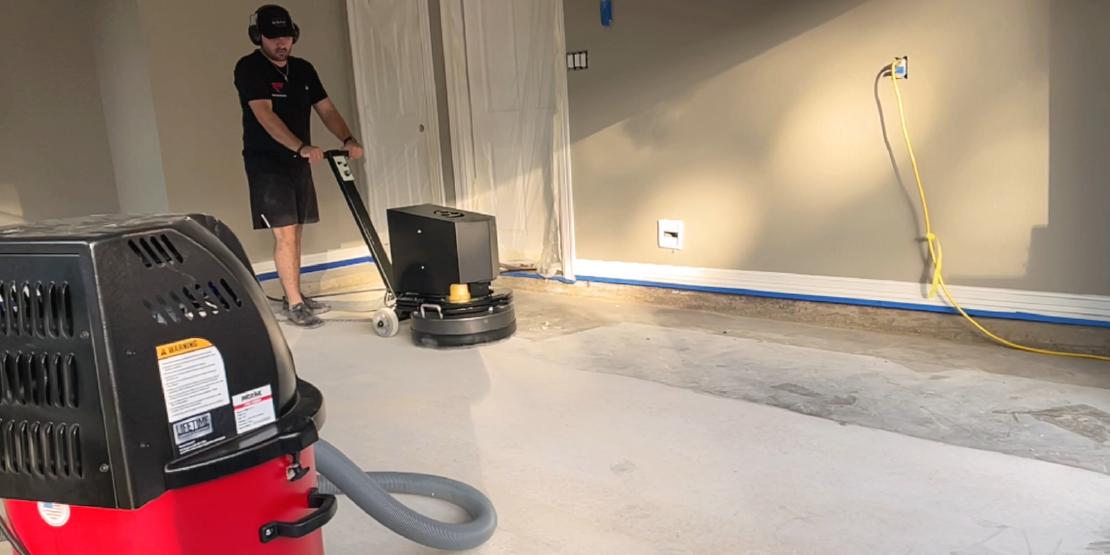
Before embarking on the application of a surface sealer, it is vitally important to ensure that the surface in question is thoroughly cleaned. This means removing any dirt, oil, or old sealer that might be lurking on the surface. Pre-cleaning not only provides a uniform substrate for the sealer to adhere to but also enhances the ultimate durability and appearance of the sealer. If the surface is porous, such as concrete, an acid etching solution might be needed to open up the pores and allow the sealer to penetrate deep within.
Once the surface is clean and dry, the sealer can be applied. This might involve using a roller, brush, or sprayer to evenly distribute the sealer across the surface. It’s essential to follow the manufacturer’s instructions closely when applying sealers, as the composition and consistency can vary significantly across different products. Also, it’s often recommended to apply multiple thin coats instead of a single thick one, ensuring optimal penetration and even coverage across the entire surface. After the application, adequate curing time should be allowed to let the sealer harden and establish a strong bond with the substrate. The curing time can range from a few hours to several days depending on the specific sealer and environmental conditions.
Troubleshooting Issues with Sealer Application
Indeed, successful sealer application demands meticulous attention to detail; issues can arise if not properly addressed. One common issue is under-application; a lack of sufficient sealer may result in premature wear and tear of the surface. The surface may not be water-resistant or stain-resistant, reducing its lifespan. To rectify this, ensure an adequate amount of sealer is used during application, and regularly reseal the surface as part of routine maintenance.
In contrast, over-application of the sealer can also cause problems, such as a sticky or greasy surface that doesn’t adhere properly. Over-applied sealer will not only negatively impact the aesthetic of the surface, but it can also make it more prone to scratches and scuffs. Resolving this misstep involves stripping away the excess sealer using a commercial stripping product, carefully following the manufacturer’s instructions. It is vital not to rush this process to avoid creating additional problems on the surface.
Maintaining and Cleaning Sealed Surfaces
Proper maintenance is crucial after committing to the application of sealers on surfaces. The longevity and efficacy of a sealed surface largely depend on post-application care and handling. Most manufacturers provide specific instructions on how to keep the surface clean for optimal results. Remember, the use of harsh cleaning agents must be discouraged as it can damage the sealer’s molecular structure. On the other hand, regular light cleaning prevents the build-up of debris that might wear the sealer over time.
The cleaning process generally involves simple steps but can vary depending on the type of sealer material used. A light surface sweep followed by mopping with a mildly soapy solution works best for most sealed surfaces. Ensure the surface is dried thoroughly afterward, as moisture retention can cause sealer degradation over prolonged periods. Even though most surface sealers are designed to resist stains and damages, immediate cleaning of spillages is recommended. It’s a good practice to routinely inspect the sealed area for any signs of wear or damage, leading to timely corrective action. • Regularly sweep the surface: This is a simple step that will help remove dust and debris from your sealed surface. Use a soft broom or vacuum cleaner to avoid causing any damage.
• Use mild cleaning agents: Harsh chemicals can break down the molecular structure of sealers, reducing their effectiveness. Instead, opt for gentle soaps and detergents designed specifically for use on sealed surfaces.
• Mop with warm water and soap: After sweeping, mop the area using a mixture of warm water and mild detergent. Ensure not to over-wet the surface as this could seep into any cracks or crevices in the sealer.
• Dry thoroughly after cleaning: It’s essential to dry your sealed surface thoroughly after mopping. Leaving moisture on the surface can lead to degradation of the sealer over time.
• Clean spills immediately: Even though most sealers are designed to resist stains, it’s best practice to clean up any spillages as soon as they occur. This helps prevent potential staining or damage caused by prolonged exposure.
• Routinely inspect for signs of wear or damage: Over time, even high-quality sealers may show signs of wear due to regular use. Regular inspections allow you to spot these issues early and take corrective action before significant problems develop.
In conclusion, maintaining a sealed surface requires consistent care but doesn’t have to be complicated or time-consuming. By following these steps regularly, you’ll ensure that your sealer continues working effectively for many years ahead!
Case Studies on Successful Sealer Use
Sealer use often makes the difference between a serviceable surface and an exceptional one. Take, for instance, the case of a popular hospitality chain that was grappling with recurring maintenance costs. To effectively address their maintenance concerns, this hotel decided to invest in a high-grade epoxy sealer for all their concrete surfaces. The result? Dramatically fewer instances of surface degradation, less staining, and a significant reduction in maintenance expenses. This successful application highlighted the transformative results a quality sealer could deliver in a high-traffic area.
Another compelling case involves a municipal parking structure located in a harsh winter climate. Previously, the bare concrete surfaces of this structure suffered recurring freeze-thaw cycles leading to severe surface erosion. Recognizing this issue, city planners decided to apply a penetrating silane/siloxane sealer to protect it. Besides offering an excellent degree of protection against water ingress, this sealer boosted the longevity and durability of the parking structure. As a result, the structure witnessed less weather-induced damage, thereby reducing repair costs and extending the structure’s lifespan. These case studies underscore the pivotal role of sealers in ensuring the optimal lifespan and performance of different surfaces.
Tips for Hiring Professional Sealer Application Services
When considering surface sealing projects, it is essential to prioritize hiring professional services. Professional sealer application services embody a wealth of experience and expertise that can substantially impact the longevity and effectiveness of your sealer. They come armed with adequate tools, industry knowledge, and hands-on experience. These professionals understand the unique character of different sealers and how they interact with various surfaces, ensuring a precise application that promotes maximum durability and aesthetic appeal.
Before hiring a professional, thorough research is non-negotiable. Look into the service’s reputation, client reviews, and credentials. Experience, particularly with your specific type of project and sealer material, is a critical consideration. Do not hesitate to request references and samples of previous work to gauge their expertise and craftsmanship. Additionally, always ensure that your chosen service is fully licensed and insured. This will protect you from any liability in case of accidents or damages during the project. Transparency in terms of cost, project timeline, and expected results should also be central to your decision-making process.
Why is sealing surfaces important?
Sealing surfaces helps to protect them from damage, stains, and wear and tear. It can also enhance their appearance and prolong their lifespan.
What types of surfaces can be sealed?
Different types of surfaces such as concrete, wood, tile, natural stone, and more can be sealed. The type of sealer used will depend on the nature of the surface.
Why should I choose a sealer for my surface?
A sealer provides an additional layer of protection for your surface, making it more resistant to damage from water, oil, dirt, and other substances. It can also enhance the color and texture of the surface.
What are the different kinds of sealer materials?
There are several types of sealer materials, including acrylic, epoxy, polyurethane, natural penetrating sealers, and more. Each has its own unique properties and uses.
What is the chemical composition of common sealers?
The chemical composition of sealers can vary widely depending on the type. Some common components may include resins, solvents, and hardeners.
What are the pros and cons of different sealer types?
Each sealer type has its own advantages and disadvantages. For example, acrylic sealers are affordable and easy to apply, but may not offer the same level of protection as epoxy or polyurethane.
How do I select the right sealer?
The right sealer will depend on the type of surface you have and the level of protection you require. You should consider factors like durability, resistance to chemicals, and ease of application.
What are the procedures for applying surface sealers?
The exact procedures can vary depending on the type of sealer and surface. However, it generally involves cleaning the surface, applying the sealer, and allowing it to dry.
What issues might I encounter with sealer application?
Common issues can include uneven application, bubbles, or the sealer not adhering properly to the surface. These can often be resolved with proper preparation and application techniques.
How do I maintain and clean sealed surfaces?
Sealed surfaces can generally be cleaned with mild soap and water. Regular maintenance can include re-sealing the surface as needed.
Can you provide examples of successful sealer use?
Numerous case studies can be found that illustrate the benefits of sealer use, such as enhanced durability, improved appearance, and increased lifespan of surfaces.
What should I consider when hiring professional sealer application services?
Factors to consider include the company’s experience and reputation, the quality of their materials, their pricing, and their customer service.