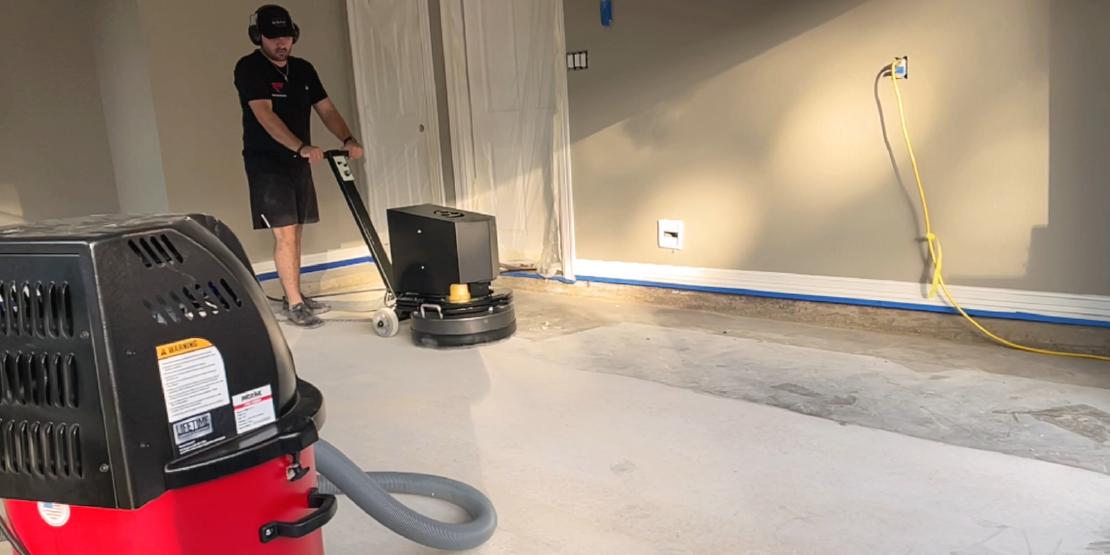

Conducting Risk Assessments for Coating Projects
Understanding the Importance of Risk Assessments in Coating Operations
Risk assessments form a fundamental part of any coating operation. These evaluations aid in identifying potential hazards, determining their extent, and more importantly, formulating suitable control measures to mitigate these risks. The crux of every successful coating project lies in thorough risk assessments that anticipate and secure against latent threats. Thus, they are a crucial step to ensure not only the safety and health of personnel but also the overall efficiency and productivity of the operation.
One cannot understate the value of comprehensive risk assessments, their contribution towards the progress of coating businesses and industries is multi-fold. Notably, these can protect organizations from legal implications linked to hazardous incidents, decrease expenditures related to accident response, improve employee morale, and significantly enhance brand reputation by preventing any undesired mishaps. Therefore, businesses should undoubtedly adopt and incorporate robust risk assessments into their routine coating operations.
Identifying Potential Hazards in Coating Projects
In the realm of coating projects, potential hazards are manifold. Key among them are chemical exposure risks, moving component mishaps, and equipment malfunctions. These could potentially harm the health and safety of the workers as well as impact the overall project. Also of significant concern are risks associated with ventilation and air quality, noise levels, and flammable or explosive materials. It is crucial to recognize these risks to both prevent and prepare for any negative outcomes.
To effectively identify these threats, a systematic and thorough approach is required. Initially, every stage of the coating process should be scrutinized in detail, from initial surface preparation to final application. Additionally, all types of equipment and materials to be used must be evaluated concerning their potential hazards. This includes understanding chemical properties, machine functionalities and safety features. Training for personnel and maintaining safety standards also play a vital role in mitigating these risks.
Key Elements of a Comprehensive Risk Assessment
Risk assessments play a critical role in ensuring the safe and efficient execution of coating operations. This process seamlessly blends several critical components to allow a comprehensive examination of potential hazards, their impact, and necessary mitigation efforts. The act of hazard identification stands as an essential pillar in this process. This initial phase involves recognizing potential threats that may exist in the coating project’s environment. These hazards may range from chemical exposure, fire risks, mechanical malfunctions, to health and safety risks to workers.
The magnitude of risk for each identified hazard is another core element of a comprehensive risk assessment. Determining the severity and likelihood of each hazard’s occurrence aids in prioritizing the mitigation measures. Moreover, this risk estimation enhances the understanding of the consequential impact if the threat is not adequately addressed, thereby influencing the overall project’s risk management strategies. Risk control measures, evaluation of existing controls, and effective communication of risks to all relevant stakeholders are among other key areas in risk assessment, ensuring a safe and efficient coating process.
Methods of Conducting a Risk Analysis for Coating Projects
Risk analysis in coating projects commences with a detailed walkthrough of the entire process. This process identifies all associated tasks, activities, materials, and equipment engaged in the various stages. The primary purpose is to pinpoint potential risks or hazards that might pose a threat to workers’ safety or impact operational efficiency. This walkthrough necessitates a keen eye for detail and a thorough understanding of the coating process to ensure no potential hazards are overlooked.
After the walkthrough, the next phase is the hazard identification process. Various techniques can be employed in this phase to identify risks, such as Job Hazard Analysis (JHA), Preliminary Hazard Analysis (PHA), and Failure Mode and Effects Analysis (FMEA). These methods systematically investigate each aspect of the operation to uncover potential issues. For instance, the PHA scrutinizes each process, identifies potential hazards, estimates the potential impact, and develops measures to mitigate identified risks. These techniques not only ensure safety but also improve operational efficiency in the long run.
Techniques for Evaluating Risks in Coating Projects
Various techniques are applied during the process of evaluating risks in coating projects. These methods help uncover potential threats that could compromise safety or efficiency, which is particularly yearned in industrial or construction settings. It’s important to note that each technique uses different approaches, prioritizing specific aspects of the project for a tailored risk evaluation.
The Quantitative Risk Analysis (QRA) is one highly effective tool that provides numerical estimates of risk. This technique attaches real numbers to risk factors. Another popular method is Qualitative Risk Analysis, which utilizes human judgment and expertise to evaluate potential risks. These techniques, coupled with professional expertise and proper communication channels, enable organizations to dissect and understand the risks associated with coating operations.
Mitigation Measures for Identified Risks in Coating Processes
In any coating operation, identifying risks is only half the battle won. The next crucial step is the implementation of mitigation measures to minimize or remove the identified hazards. A variety of strategies exist, ranging from administrative controls to engineering solutions. Administrative control could entail training staff on safe handling of equipment and substances, maintaining a clean and organized work environment, and establishing standard operating procedures. On the other hand, engineering strategies include incorporating safety features in equipment design and layout, and utilizing less hazardous substances in coating operations.
Personal protective equipment (PPE) also plays a vital role in the mitigation process. PPE such as gloves, respirators, protective clothing, and safety glasses offer the necessary protection from specific hazards that cannot be entirely eliminated. Furthermore, constant monitoring and assessment of the workplace can help in identifying new risks and evaluating the effectiveness of the implemented measures. Through these approaches, an organization can strike a balance between productivity and safety in coating operations.
The Role of Risk Control in Coating Projects
In the complex environment of coating projects, risk control emerges as an indispensable mechanism. It typically involves preventive and reactive measures to avoid any harm or damage that could result due to potential hazards. The ability to anticipate, identify, and thwart risks is essentially what makes risk control such an integral part of these projects. Besides, it fosters better cost and time management, subsequently enhancing the overall efficiency and success rate of the project.
Effective risk control strategies encompass continuous monitoring and evaluation, rigorous safety protocols, comprehensive training, and the usage of advanced technology. Through these measures, not only are the risks mitigated, but a safer, more controlled working environment is also established. It’s also essential to note that a forward-thinking approach, where the team acknowledges and plans for potential future risks, can significantly bolster the risk control strategy. Overall, the relevance and necessity of risk control in coating projects cannot be overstated.
Benefits of Regular Risk Assessments in Coating Operations
Regular risk assessments play a critical role in ensuring the smooth execution of coating operations. These assessments offer numerous benefits that significantly enhance the overall efficiency and effectiveness of the processes. One of the major advantages stems from their capacity to proactively identify potential hazards, thus allowing professionals to develop robust contingency plans early. Through this proactive stance, unexpected interruptions and delays in the projects can be minimized, which leads to enhanced productivity levels and cost savings.
Risk assessments also aid in enforcing a culture of safety within the operational environment. A part of these assessments involves in-depth training and awareness programs discussing the possible risks. Consequently, all employees become well-versed with the safety standards and know how to react in case an unforeseen situation arises. Additionally, regular risk assessments provide valuable insights on the opportunities for process improvement. This can, in turn, lead to improvements in product quality, customer satisfaction, and overall operational efficiency.
Challenges in Implementing Risk Assessments for Coating Projects
Implementing risk assessments in coating projects poses a myriad of challenges. One major issue is the difficulty in identifying all potential hazards due to the complexity and diversity of the coating processes. Uncertainties arise because each process, from surface preparation and material choice to application and curing, presents its own set of risks. Overlooking or underestimating a single hazard can have serious repercussions, impinging on both worker safety and project outcomes.
Another key challenge is the constantly evolving nature of coating technology and industry standards. With new materials, equipment, and process methods continually emerging, risk assessments must be regularly updated. This makes the task time-consuming and costly. Additionally, ensuring that all workers are adequately trained to understand and comply with risk management procedures also poses a considerable challenge. Despite these obstacles, risk assessments remain a crucial component of coating operations.
Case Study: Successful Risk Management in a Coating Project
In a robust coating project executed recently, the significance of comprehensive risk management came to light. From the project’s initiation, a well-defined risk assessment plan was incorporated, highlighting potential hazards unique to coating operations such as chemical exposures, fire, equipment malfunction, and environmental impacts. To ensure safety and efficiency, every possible scenario that could result in deviations from the project plan was assessed. This pre-planning approach played a pivotal role in reducing unexpected issues down the line.
The identification of potential hazards was followed by a detailed risk analysis, employing both qualitative and quantitative analysis methods. Qualitative analysis provided insights into the probability and severity of risk impacts. Meanwhile, quantitative analysis presented numerical estimates of risk, helping to prioritize them based on their potential impact on the project. Adopting such a vigilant and meticulous risk management strategy resulted in minimizing downtime, increasing productivity, and guaranteeing employee safety during the coating project.
Risk Assessment Tools and Techniques for Coating Projects
A risk assessment for any coating project calls for relevant tools and techniques to identify potential hazards, assess their potential impact, and devise adequate control measures. The modern coating industry relies heavily on technology-driven solutions like risk assessment software, GIS mapping, predictive modeling, and statistical analysis. These tools allow for precise and comprehensive assessments by considering various factors like the nature of the coating material, environmental conditions, equipment status, and worker skill levels.
Among the numerous techniques used in conducting risk assessments in coating projects, a few stand out. The Job Hazard Analysis (JHA) remains a fundamental technique, identifying potential hazards associated with each task within a project and allowing for preventative measures to be put into place. Similarly, the Failure Mode and Effects Analysis (FMEA) anticipates possible failures in a coating process and assesses their potential impacts. Lastly, the Hierarchy of Controls (HoC) offers a solution-based approach to controlling risks, focusing on eliminating the hazards at their source or reducing their impact.
Tips to Improve Risk Management in Future Coating Projects
Establishing a systematic, detailed risk management plan is the cornerstone of any successful coating project. The first step, often overlooked, is thorough employee training. This should be conducted routinely and must encompass the understanding of risk identification, assessment, and mitigation strategies. A well-trained workforce can easily detect potential hazards, reducing the chances of unscheduled downtimes and cost overruns. Emphasis should be on practical knowledge and real-life scenarios, ensuring adequate preparedness.
Constantly updating risk management strategies based on changes in operations, regulations, and industry standards is crucial. This approach allows an organization to stay resilient and reactive to potential risks. Moreover, the use of state-of-the-art risk assessment tools and techniques, such as Predictive Failure Analysis and Failure Modes and Effects Analysis, can remarkably manage unforeseen threats. Incorporating technology in risk assessment not only streamlines the process but also makes it more accurate and reliable. It helps organizations predict, assess, and therefore avoid a potential risk at a very early stage, enhancing overall project outcomes significantly.
Review and Update of Risk Assessment Strategies for Coating Projects
Risk assessment strategies in coating projects should not remain static, they require regular review and update. This critical task aims to supply improved protection against potential risks, ensuring adherence to changing compliance requirements, and refining the efficiency of the operations. With technological advancements, new risks may emerge, and old mitigation strategies might become obsolete. Hence, the process of review and assessment must be continuous and systematic.
The update of risk assessment strategies is conducted based on findings from routine reviews. Modifications can include the introduction of new risk control measures or enhancement of existing ones. Additionally, it might necessitate changes in personnel training and development programs to equip team members with skills necessary to identify and manage evolved hazards. Regular update and review of risk assessment strategies not only minimize exposure to unforeseen hazards but also contribute significantly to the success of coating projects. The following points outline the key aspects involved in reviewing and updating risk assessment strategies for coating projects:
• Continuous Review: Risk assessment strategies should be regularly reviewed to identify potential risks that may have emerged due to technological advancements. This ensures that the mitigation measures are up-to-date and effective.
• Systematic Assessment: The review process must be systematic, focusing on all areas of operation. This includes assessing the efficiency of current operations, adherence to compliance requirements, and protection against potential hazards.
• Introduction of New Measures: Based on findings from routine reviews, new risk control measures can be introduced. These could include advanced tools or methodologies designed to manage emerging risks effectively.
• Enhancement of Existing Measures: Besides introducing new measures, it’s equally important to enhance existing ones. Revising outdated strategies can help improve their effectiveness in mitigating newly identified risks.
• Changes in Training Programs: Updating risk assessment strategies might necessitate changes in personnel training programs as well. It’s crucial that team members are equipped with necessary skills to identify and manage evolved hazards.
• Minimizing Exposure To Hazards: Regular update and review of risk assessment strategies minimize exposure to unforeseen hazards by ensuring proactive identification and management of potential risks.
• Success Of Coating Projects: An efficient system for reviewing and updating risk assessments contributes significantly towards the success of coating projects by minimizing disruptions caused due to unanticipated hazards.
In conclusion, a robust system for regular review and update is essential for maintaining an effective risk management strategy in coating projects.
Why are risk assessments important in coating operations?
Risk assessments are essential in coating operations to identify potential hazards and mitigate them effectively. They help in ensuring the safety and efficiency of operations while minimizing damage and downtime.
What are the potential hazards in coating projects?
The potential hazards in coating projects may include chemical exposure, fire hazards, equipment failure, human error, and environmental impact. A thorough risk assessment can help identify these hazards in advance.
What are the key elements of a comprehensive risk assessment?
A comprehensive risk assessment involves identifying potential hazards, determining the likelihood and impact of each hazard, assessing the effectiveness of current control measures, and determining additional mitigating measures.
How can I conduct a risk analysis for my coating project?
Risk analysis can be conducted through methods such as hazard identification, risk estimation, risk evaluation, and risk control. These methods help in understanding the potential risks and implementing measures to mitigate them.
What techniques can be used to evaluate risks in coating projects?
Techniques for evaluating risks include qualitative and quantitative risk assessments, decision tree analysis, failure mode and effects analysis (FMEA), and hazard and operability study (HAZOP).
What are some mitigation measures for identified risks in coating processes?
Mitigation measures can include the use of safer materials, implementation of safety procedures and training, regular maintenance and inspections, and use of personal protective equipment (PPE).
How can risk control play a role in coating projects?
Risk control involves implementing measures to eliminate or reduce the identified risks. This can help in preventing accidents, ensuring worker safety, and ensuring a smooth and efficient operation.
What are the benefits of regular risk assessments in coating operations?
Regular risk assessments can help in identifying new risks, monitoring the effectiveness of control measures, ensuring compliance with safety regulations, and promoting a safe and healthy work environment.
What challenges might I face in implementing risk assessments for coating projects?
Challenges can include a lack of understanding of the risk assessment process, resistance from staff, limited resources, and managing the changes required to mitigate risks.
Can you provide an example of successful risk management in a coating project?
The article includes a case study which details a coating project where risk assessment strategies were successfully used to identify and mitigate potential hazards, leading to a successful and safe project completion.
What tools and techniques are available for risk assessment in coating projects?
There are several tools and techniques such as risk matrices, checklists, hazard identification techniques, FME
Do you have any tips to improve risk management in future coating projects?
Regular training, maintaining open communication, using a systematic approach to risk assessment, and including all stakeholders in the process can help improve risk management in future coating projects.