
Cost-Benefit Analysis of Industrial Floor Coatings
Understanding Industrial Floor Coatings
Industrial floor coatings are essentially a layer of protective substances applied to a floor, creating a solid surface that can endure the routine labor and strain associated with the manufacturing industry. The focus is on creating a durable, resistant surface that can meet the demands of heavy machinery, foot traffic, chemical spills, and other common industrial challenges. Ensuring longevity and low maintenance requirements of these coatings is vital for smooth operational efficiency and safety.
Several different types of coatings can be used, each with their unique properties and benefits. Epoxy, polyurethane, and acrylic are the most common in use, chosen for their excellent resistance to wear, chemicals, and impact. Aside from the practical aspects, recent strides in floor coating technologies offer an array of colors and finishes, adding an aesthetic element to industrial spaces. The selection of the optimal coating often involves considering multiple variables, including the particular industry needs, budget, health and safety requirements, as well as the environmental impact.
Assessing the Lifespan of Industrial Floor Coatings
The lifespan of industrial floor coatings is predominantly influenced by several factors, including the type of coating applied, the condition of the existing floor, and the level of wear and tear the floor experiences on a daily basis. On balance, epoxy, polyurethane and polyurea-based coatings are renowned for their durability, with an typical lifespan ranging from 5 to 25 years if professionally installed and properly maintained. The initial condition of the floor is also crucial; disparities such as moisture content, surface unevenness and presence of significant cracks can affect the longevity of the coating.
Similarly, the type of activities undertaken on the floor can considerably impact the lifespan of the floor coating. High intensity traffic areas and heavy-duty manufacturing environments will inevitably suffer more wear and tear than areas with less activity, as such, require a more robust coating solution. Furthermore, specific locations within an industrial setting, such as storage areas or areas exposed to chemical spillages, will also necessitate specialised coatings to ensure durability and longevity. Therefore, when considering the right type of coating, it’s essential to consider the current condition and usage of the floor.
Examining the Maintenance Requirements for Industrial Floor Coatings
Industrial floor coatings are designed to withstand harsh conditions and heavy traffic, but that doesn’t mean they are maintenance-free. Regular maintenance is key to preserving the longevity and utility of these coatings. This includes daily cleaning to remove dust, dirt, and debris, as well as regular inspections to identify any signs of wear or damage. These measures help to prevent the buildup of grime that can cause the coating to deteriorate over time, and also ensure that any minor issues are addressed before they become more significant problems.
Specialized cleaning products may be required to maintain certain types of industrial floor coatings. High-performance epoxies, urethanes, and polyaspartics, for example, may necessitate specific cleaners to keep their surface in prime condition. Beyond daily maintenance, some coatings may require occasional resealing, which involves applying a clear top coat to restore the surface’s original shine and protection. Taking into account these maintenance requirements is therefore a critical aspect of using industrial floor coatings effectively and responsibly.
Looking at the Installation Process of Industrial Floor Coatings
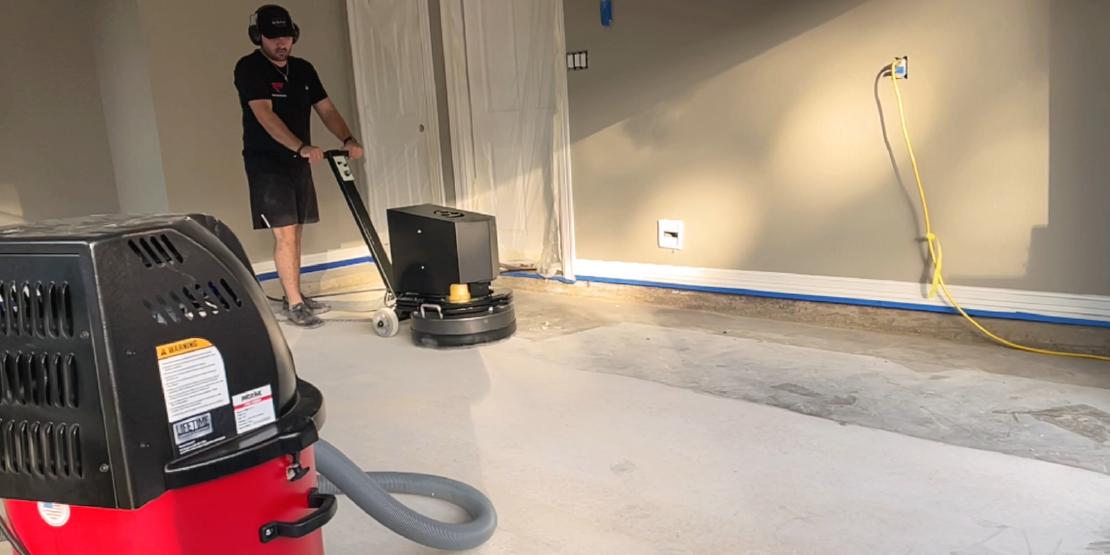
The installation process of industrial floor coatings is a meticulous task that requires specialized knowledge and precision. It begins with the preparation of the concrete surface, which involves cleaning to remove dirt, debris, and grease. Any cracks or chips need to be repaired before proceeding. Following this, the surface is then roughened or etched to allow the coating to adhere properly. A moisture test is also typically performed to confirm the concrete is dry enough for the coating application.
The next stage entails the application of the floor coating itself. This is typically done using specially designed rollers or sprayers, ensuring even and consistent coverage. The coating is applied in multiple layers, with each layer requiring sufficient drying time before the next is applied. The number of layers that need to be applied will depend on the specific requirements of the facility and the type of coating being used. This careful process helps to ensure the longevity and durability of the coating, contributing to the overall operational efficiency of the industrial space. The final stage in the installation process of industrial floor coatings is the curing phase. This involves allowing the coating to harden and bond with the concrete surface fully. The duration of this phase will depend on several factors including temperature, humidity, and type of coating used. After curing, a final inspection is performed to ensure that the application has been successful and meets all required standards.
To summarize, here are some bullet points outlining each step involved in installing an industrial floor coating:
• Cleaning: The first step involves cleaning off any dirt, debris or grease from your concrete floors.
• Repairing Cracks & Chips: Any cracks or chips on your flooring need to be repaired before proceeding with any further steps.
• Surface Preparation: After cleaning and repairing damages, you then roughen or etch your flooring so that it can adhere properly to the coating.
• Moisture Test: A moisture test should be carried out next to confirm if your concrete is dry enough for applying a coat.
• Application of Coating: Using specially designed rollers or sprayers for even coverage, apply multiple layers of coating. Each layer must sufficiently dry before adding another one.
• Curing Phase: Allow time for the applied coats to harden completely by bonding with your concrete surfaces fully.
It’s important not just for durability but also operational efficiency within an industry setting that this process gets carried out correctly. Therefore hiring professionals who have specialized knowledge on how these processes work would be beneficial in ensuring long-lasting results from such installations.
Overall understanding these stages can help industries make informed decisions about their flooring needs while ensuring optimal performance over time as well as improved safety measures within their facilities due to high-quality floor coatings being installed properly according to standard procedures.
Potential Risks Involved with Industrial Floor Coatings
Like any other industrial process, the installation and application of industrial floor coatings come with certain potential risks. These risks can arise from the material composition, the application process, and the operational environment. Accordingly, it is crucial to be fully aware about these risks to ensure optimal safety and effectiveness during the floor coating process.
One major risk pertains to the chemicals used in the floor coatings. Industrial floor coatings often contain complex chemical compounds like Polyurethane and Epoxy, which can be hazardous if improperly handled. Moreover, these chemicals may emit harmful fumes and volatile organic compounds (VOCs) during the application, curing, and even operational stage that can pose health threats to the workers. The installation process itself, if wrongly executed, can create an uneven floor surface that may lead to trip hazards. Additionally, the long-term performance of the coating can be compromised if the floor isn’t thoroughly prepared before application, resulting less durability and increased maintenance requirements. Therefore, it is essential to approach this process with due diligence to mitigate potential risks.
The Impact of Industrial Floor Coatings on Operations Efficiency
Industrial floor coatings play a crucial role in enhancing operations efficiency within a wide variety of industries. By providing a high-quality, durable surface, these coatings can eliminate the frequent need for repair and maintenance of floors, minimising downtime. This robust protective layer ensures smooth and uninterrupted operation, optimising the workflow and boosting overall output. In industrial environments where heavy machinery and vehicles are in operation, these floor coatings can withstand the impact, providing long-lasting performance and effectively reducing the time and cost associated with frequent floor replacements.
Moreover, Industrial floor coatings come with another significant operational advantage: improved safety on the work floor. A safer environment ultimately leads to increased productivity as workers can perform their tasks without undue concern for potential accidents or injuries. Some coatings offer enhanced slip resistance, thus reducing workplace accidents that could otherwise lead to serious injuries and subsequent operational disruptions. It’s clear that the selection and application of the appropriate industrial floor coating can significantly impact a company’s operational efficiency, reflecting positively on its overall productivity and bottom line.
Safety Aspects of Industrial Floor Coatings
In the realm of heavy industry, safety cannot be overemphasized. Industrial floor coatings play an integral role in maintaining high safety standards in these environments. By enhancing visibility with color-coding, these coatings can effectively delineate specific zones within the workplace. Color-coding serves as an instant visual guide for employees, aiming to reduce accidents and improve the overall flow of operations.
The slip-resistant nature of many industrial floor coatings also drastically minimizes the potential for workplace fall incidents. They create a traction-enhancing surface, which is particularly valuable in areas prone to spills or wet conditions. Therefore, these coatings are not merely aesthetic or durability enhancements, but a key part of a comprehensive in-place safety strategy.
Benefits of Durability and Resistance in Industrial Floor Coatings
Industrial floor coatings provide heightened durability and resistance, presenting manifold benefits that cater to various industrial needs. High-trafficked areas, exposure to heavy machinery, or contact with harsh chemicals are common challenges within industrial environments. With durability and resistance at their core, these coatings are specially designed to withstand such conditions effortlessly. The increased longevity lessens the frequency of replacements and repairs, effectively reducing downtime, resulting in significant cost savings in the long run.
Moreover, these floor coatings’ resistance aspect plays a pivotal role in maintaining the safety standards of an industrial workspace. Sturdier and tougher surfaces resist damage from spills and impacts, thereby minimizing potential hazards that could lead to accidents or impair operations. By avoiding costly accidents and maintaining a smooth flow of operations, industrial floor coatings contribute to enhancing overall productivity and operational efficiency.
Exploring Aesthetic Appeal and Versatility in Industrial Floor Coatings
Industrial floor coatings offer not only robust functionality but also play a crucial role in the visual aesthetics of a workspace. The visual appeal is often underappreciated, however, the aesthetics of an industrial floor can significantly influence the perception of a facility’s professionalism and commitment to quality. These coatings come in a variety of colors, finishes, and patterns that can match the branding of the company or delineate specific areas in the facility such as walkways and restricted zones. A well chosen and appropriately applied floor coating can transform a plain, dull surface into an engaging and lively environment.
The versatility of industrial floor coatings extends beyond just physical aesthetics. The materials used in these coatings can be customized to serve various specialized needs. Some coatings offer enhanced chemical resistance for factories where spillages are common, while others offer anti-microbial properties for facilities requiring stringent hygiene. In areas prone to oil spillages, a non-slip additive can be incorporated into the coating to improve worker safety. Thus, the wide variety of industrial floor coatings make them an appealing solution for many environments.
How Industrial Floor Coatings Improve Employee Comfort and Productivity
Industrial floor coatings are essentially the unsung heroes in the robustness and physical ease of employees within a workplace setting. Having an adequate floor coating means a smoother, cleaner surface to work on. Given such an environment, workers can better focus on tasks at hand. They are no longer subject to the discomfort and distraction posed by an uneven, dirt-riddled floor. A quality floor coating mitigates the likelihood of slips, trips, and fall accidents, thereby contributing to improved safety standards and overall employee comfort.
It is also worth noting that a well-maintained floor, facilitated by durable industrial coatings, enhances the productivity of the workforce. When the floor surface is safe and comfortable to navigate, employees can move around more efficiently, reducing unnecessary downtime spent on maneuvering through potentially hazardous areas. This leads to faster job completion rates and improved workflow. Thus, the role of industrial floor coatings extends beyond the physical to incorporate a significant impact on productivity metrics.
The Environmental Considerations of Industrial Floor Coatings
Industrial floor coatings can significantly impact the environment. The preparation and application of these floorings often involve chemicals that, if not properly managed, can contribute to environmental degradation. Emission of volatile organic compounds (VOCs) is common during the application process of many traditional coatings, leading to air pollution. Furthermore, the waste generated during installation and the eventual disposal of old floor coatings can add to landfill masses if not recycled or re-purposed.
On the positive side, the industry is increasingly focused on sustainability, with many manufacturers now producing eco-friendly options. These green alternatives typically have low VOC emissions and contain recycled materials in their composition. In addition, properly applied floor coatings contribute to long-term environmental efficiency by providing highly durable surfaces that reduce the need for frequent replacements, thereby saving on material use and waste. Thus, when considering industrial floor coatings, the environmental implications are an important factor to take into account.
Weighing the Financial Implications of Industrial Floor Coatings
Assessing the financial aspects of industrial floor coatings includes not only the initial installation cost but also ongoing maintenance expenses and potential savings. High-quality industrial floor coatings may have a larger upfront cost, but they pay off in the long run due to their durability and reduced maintenance. A facility manager should also factor in the cost of potential downtime during the application process. However, less frequent repair or replacement work in the future would counterbalance this initial inconvenience by maintaining operations smoothly.
Evaluating the cost-effectiveness necessitates a wider perspective. Consider factors like improved safety and fewer workplace incidents, which can reduce insurance premiums. Enhanced aesthetic appeal can also play a role in client perception and potentially lead to better business relationships. Furthermore, the comfort and productivity of employees can have positive financial implications over time. Notably, environmentally friendly coatings can attract sustainability-oriented clients or satisfy environmental regulations, too. The projected return on investment should encompass all these indirect impacts alongside direct costs and savings.
Assessment Summary: Is Industrial Floor Coating a Worthwhile Investment?
In assessing the value of investing in industrial floor coatings, several key attributes come to the forefront. These include factors such as lifespan, maintenance requirements, installation process, potential risks, operational efficiency, safety, durability, aesthetic appeal, and versatility. Additionally, there are also significant considerations towards employee comfort and productivity, environmental impact, and financial implications.
A comprehensive review of these factors paints a rather positive picture for the soundness of such an investment. The robustness and long-lasting nature of high-quality industrial floor coatings lead to significant cost savings in the long term. Furthermore, the improved safety, operational efficiency, and employee satisfaction can result in enhanced productivity. Given these facts, the initial outlay for the installation of industrial floor coatings could indeed be considered a worthwhile investment. However, vigilant and routine maintenance is an important caveat to reap these benefits.
What are industrial floor coatings?
Industrial floor coatings are a type of protective layer applied to floors in factories, warehouses, and other industrial environments to increase their durability, resistance, and aesthetic appeal.
How long do industrial floor coatings typically last?
The lifespan of industrial floor coatings depends on several factors, including the quality of the coating, the environment in which it is used, and the level of maintenance. However, with proper care, they can last for many years.
What are the maintenance requirements for industrial floor coatings?
Maintenance requirements for industrial floor coatings generally include regular cleaning to remove dust and debris, periodic inspections to identify any signs of wear or damage, and re-coating or repair as needed.
How are industrial floor coatings installed?
The installation process for industrial floor coatings typically involves surface preparation, application of the coating, and then allowing it to cure.
What are some potential risks involved with industrial floor coatings?
Potential risks can include the presence of hazardous materials in the coating, possible disruption to operations during the installation process, and the need for ongoing maintenance.
How do industrial floor coatings impact operational efficiency?
Industrial floor coatings can increase operational efficiency by reducing the need for frequent floor repairs, improving safety, and enhancing the look and feel of the workplace.
What safety aspects are related to industrial floor coatings?
Industrial floor coatings can improve safety by providing a non-slip surface and resistance to chemicals or other potentially damaging substances.
How do industrial floor coatings contribute to durability and resistance?
Industrial floor coatings offer increased durability and resistance by protecting the underlying floor from wear and tear, impact damage, and exposure to harsh chemicals.
Can industrial floor coatings improve the look of a workspace?
Yes, industrial floor coatings come in a variety of colors and finishes that can significantly enhance the aesthetic appeal of a workspace.
How do industrial floor coatings affect employee comfort and productivity?
By providing a clean, durable, and attractive surface, industrial floor coatings can contribute to a more comfortable and efficient work environment, which can boost employee productivity.
Are there any environmental implications of using industrial floor coatings?
Some industrial floor coatings may contain environmentally harmful substances. However, many manufacturers now offer eco-friendly options.
Are industrial floor coatings a worthwhile investment?
Considering the numerous benefits such as increased lifespan of floors, improved safety, operational efficiency, and aesthetics, industrial floor coatings can be a worthwhile investment. However, the cost-effectiveness depends on specific needs and circumstances.