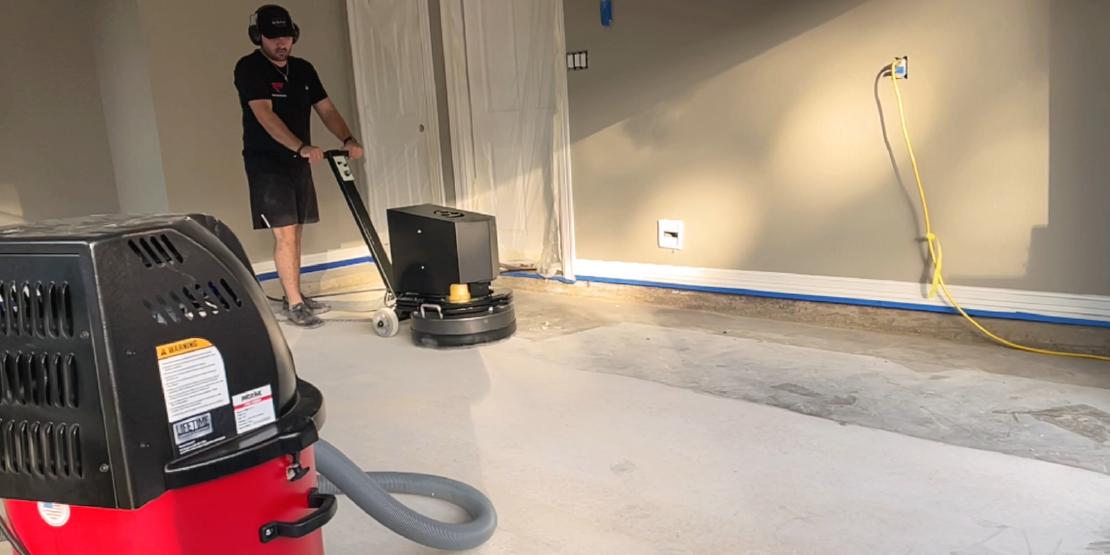

Cost-Effective Floor Coating Options for Businesses
Understanding the Value of Floor Coatings for Commercial Spaces
The significance of floor coatings in commercial spaces cannot be overstated. They serve a multitude of purposes, providing an aesthetic appeal while also ensuring the safety of employees, visitors, and customers. Their durability and resistance against abrasions, impact damage, and chemical spills make them a necessity. Moreover, floorings subjected to intense foot traffic or heavy machinery require these strong coatings to prevent rapid wear and tear.
With a wide variety of commercial floor coatings available, businesses can choose the type that best fits their specific requirements. For example, epoxy coatings offer a long-lasting high-gloss finish that is highly resistant to chemicals and abrasion. Polyurethane coatings, on the other hand, provide excellent resistance to impact, heat, and UV rays. These coatings add value to your commercial spaces by enhancing the floor’s longevity, reducing maintenance costs, and improving safety standards. A well-selected floor coating can make a significant difference in the functionality and economic efficiency of a commercial space.
Exploring the Necessity of Floor Coatings in Different Business Environments
Floor coatings have emerged as an integral component in a variety of business settings. They offer numerous benefits aside from their basic function of safeguarding the substrate from wear and tear. Notably, a well-chosen floor coating could significantly enhance the aesthetic charm of a workspace, thus reinforcing the company’s brand image.
Different business environments call for varying floor coating solutions. For example, in a high-traffic retail store, a heavy-duty, glossy finish would be ideal for lasting beauty and robustness. Restaurant floors, on the other hand, might benefit from antimicrobial and slip-resistant coatings for hygiene and safety purposes. Regardless of the business type, a suitable floor coating can undeniably add value while ensuring performance and durability.
Key Factors to Consider When Selecting a Floor Coating
When it comes to choosing the right floor coating for a commercial space, it’s essential to consider several primary factors. Durability is paramount, as the coating will need to survive under the constant pressure of heavy foot traffic, machinery movement, and general daily operations. It should also be able to withstand exposure to various substances without breaking down, whether that means cleaning solutions, engine oil, or something else.
Another crucial factor is the maintenance requirement of the floor coating. This largely depends on the type of coating and how it was applied. Some coatings may require regular reapplication, while others could be incredibly hard-wearing and need very little maintenance. Additionally, think about aesthetics, cost, and practicality. The right floor coating can not only improve the look of a commercial space but also contributes to the overall brand image. Moreover, it’s wise to consider the financial implications in terms of installment cost, lifespan, and maintenance expenses. Therefore, finding a balance among all these factors is key in making a smart floor coating decision.
Highlighting the Benefits of High-Performance Floor Coatings
High-performance floor coatings bring a plethora of advantages to commercial settings. Durability stands at the forefront of these benefits. With their exceptional resistance to wear and tear, these coatings can sustain heavy foot and machinery traffic, reducing the need for frequent replacements or repairs. Their hard-wearing nature allows for prolonged use, even in the most demanding conditions. From high-footfall retail locations to busy manufacturing facilities, the hardiness of these coatings ensures the longevity of your floor, ultimately saving your business substantial repair and replacement costs.
Another significant benefit pertains to the enhanced safety they provide. High-performance floor coatings can be engineered with anti-slip additives, drastically reducing the risk of accidents caused by slipping or falling. They also help maintain hygiene standards in sensitive areas, such as food-processing plants and hospitals, by creating a seamless surface that prevents the growth of bacteria and other pathogens. Additionally, they offer superior resistance to chemicals and extreme temperatures, safeguarding your workforce and equipment. Together, these safety measures contribute to establishing a safer, more productive workspace for your employees.
Durable and Affordable Floor Coatings: An Overview
In the competitive commercial sector, durability and affordability are crucial features when considering floor coatings for businesses. The ideal coating is one that not only withstands the test of time, but also fits within the budgetary constraints set by the entity. It is worth mentioning that the selection process must take into account other elements such as maintenance costs and aesthetics. However, longevity and cost-effectiveness tend to be the defining factors for most establishments.
High-performance floor coatings are a prime example of balancing out the twin benefits of resilience and affordability. These coatings are designed to offer superior resistance to abrasion, chemicals, and impact due to high traffic. Meanwhile, their relatively low cost allows businesses to allocate funds to other necessary operational expenses. In essence, the selection of durable and affordable floor coatings has a direct impact on the overall performance of a commercial space.
Navigating the Different Types of Commercial Floor Coatings
The realm of commercial floor coatings is vast and varied, with a myriad of options naturally tailored to diverse business environments. From epoxy coatings known for their durability and resistance, to decorative quartz-coated floors that add an aesthetic flourish while maintaining a high level of resilience, choices abound. Each type of coating has unique benefits that can significantly enhance the functionality and look of your commercial space, whether it be a factory, retail outlet, or an upmarket restaurant. Factors such as expected foot traffic, abrasion resistance, aesthetic concerns, and budget considerations, all have to be taken into account when deciding on the right fit.
In addition to classic epoxies, there are polyurethane coatings, widely valued for their tough, scratch-resistant properties and resistance to chemicals. Similarly, polyaspartic coatings have gained traction due to their rapid curing times, making them an attractive option for businesses that cannot afford extended downtime. For those in the food and beverage or pharmaceutical industries, anti-microbial coatings are a preferred choice. These add a layer of protection against harmful microorganisms, thereby ensuring safety in sectors where hygiene is paramount. Immersing in the world of commercial floor coatings is an essential step towards selecting the optimal solution that aligns with your unique commercial requirements.
Evaluating the Longevity of Various Floor Coatings
The longevity of a floor coating is critical to consider, especially in a commercial space. Various factors play into this, including the level of traffic the floor receives, the type of business conducted, and the quality of the floor coating itself. Epoxy, for instance, is one of the most notable for durability, with a well-applied layer lasting several years in high-traffic areas such as warehouses. Polyurethane, another popular choice, has incredible resistance to scratches and damage, extending its lifespan even when subjected to heavy wear and tear.
Each floor coating product has its inherent characteristics, contributing to its expected lifespan. Regular, proper maintenance also cannot be overlooked - even the toughest coatings can be compromised without it. For example, solid color polyaspartic and polyurea floor coatings come with extraordinary UV resistance and flexibility, but may require reapplication every five years depending on the usage. Further, certain specialty coating systems are designed expressly for highly stressful conditions, providing even longer lifespans. All in all, understanding the longevity of your selected floor coating under your specific conditions is key to avoiding premature damage.
How to Choose the Right Floor Coating for Your Business
When it comes to choosing the right floor coating for your business, there are numerous variables to consider. The nature of your business is a key determinant, considering some sectors demand specialized floor coatings. For instance, healthcare facilities may require sterile, easy-to-clean floors while manufacturing plants may need a highly durable, resistant coating, adjusting to heavy machinery and consistent traffic.
Type of material, durability, maintenance requirements, and aesthetic factors must all be taken into consideration.Material type influences the required preparation and longevity of the coating; for instance, a cement surface can handle epoxy or polyurethane, while wooden floors might better suit an acrylic coating. Durability matters as areas with heavy foot or machinery traffic will require a more robust choice compared to low-use areas. Maintenance obligations are also crucial - some coatings are easier to clean and repair than others. Lastly, aesthetics might be more important in spaces like retail stores or corporate offices, where the appearance contributes substantially to the overall brand image.
Maintaining Your Floor Coating: Tips and Best Practices
Dependable maintenance protocols are integral to prolong the life of your floor coating. Commercial spaces often face significant foot traffic and perhaps even heavy machinery, which may wear and tear the coating over time. Regular cleaning is a basic, yet effective way to protect your floor coating. Utilizing suitable cleaning products that align with the floor coating type, will guard durability and aesthetic appeal. Avoid harsh chemicals that might corrode the protective coating surface. Moreover, utilize soft bristle brooms or microfibre mops for gentle, regular cleanup; this can help prevent dust and grit from scratching the surface.
Sealing the floor periodically is another critical aspect of maintenance. Sealers act as a protective layer, shielding your floor from stains, moisture, and certain types of damage. Inspecting your commercial floor for any signs of wear or damage can also help you address the situation promptly, preventing escalations. If any minor cracks or chipped areas are observed, consider fixing them immediately with the right repair materials and techniques. This way, businesses can maximize the durability and functionality of their applied floor coatings, enhancing not only the aesthetic of the space, but also the safety for employees and visitors alike.
Comparing the Initial and Long-term Expenses of Floor Coatings
When choosing a floor coating for commercial spaces, the initial cost undoubtedly stands as a primary concern. However, it is equally essential to look beyond this initial capital expenditure and consider the long-term implications financially. The initial expenditure includes the purchase price of the coating material, professional installation, and preparation of the surface. Understandably, high-performance coatings with specialized features like chemical resistance, anti-slip properties, and high durability can skew towards the pricier side initially.
Delving into the long-term expenses, routine maintenance, periodic refurbishment charges, and potential early replacement costs form a significant chunk. Floor coatings with low upfront costs might require frequent replacements and thus, could prove more expensive in the long run. On the other hand, superior quality coatings might entail a higher initial investment but offer lower maintenance costs, longer lifespans, and greater durability. Therefore, it is imperative to find a balance when evaluating floor coatings’ expenses, weighing both the upfront costs and long-term financial commitments.
The Impact of Floor Coatings on Aesthetics and Brand Image
The aesthetics of a commercial space can significantly influence clients’ perceptions of a business. Floor coatings come into play here, providing not just a durable and practical solution, but also enhancing the overall appeal of the area. With an array of color options, textures, and finishes available, every business can find a floor coating that aligns with their brand’s image. Whether it’s a glossy finish for a high-end retail outlet, or a textured one for a modern co-working space, a well-selected floor coating can elevate the aesthetics to new heights.
In today’s highly competitive business environment, every impression counts. A polished and well-maintained floor signifies attention to detail, cleanliness, and professionalism, all of which can contribute positively to a brand’s image. On the flip side, a cracked or dull floor may be perceived as neglect and poor maintenance, potentially driving customers away. Hence, selecting the right floor coating goes beyond its practical benefits and becomes a key element in defining how a brand is perceived. It is much more than a flooring solution; it’s a strategic business investment.
Case Studies: Successful Utilization of Affordable Floor Coatings
Acme Electronics, a medium-sized electronics manufacturing company, recently undertook a significant upgrade to their production facility. The decision to invest in high-quality, yet affordable, epoxy floor coating not only increased the durability of their industrial floor but also significantly improved the aesthetics of the environment. It was observed that the superior gloss finish provided by the coating greatly enhanced workspace visibility and added to the overall efficiency of the facility. Installation time was minimal, thus reducing downtime which resulted in an uninterrupted production cycle.
On the other hand, Bella’s Bakery, a small-scale artisan bakery, also opted for an affordable floor coating solution to uphold its commitment towards maintaining hygienic conditions. The floor coating they selected was highly resistant to bacteria and other pathogens, making it ideal for their very specific business environment. With the coating being wear-resistant, it easily withstood the daily traffic of employees and heavy baking equipment. The bakery witnessed an improvement in workplace safety due to the anti-slip properties of the floor coating. In both instances, affordable floor coatings have proven to be efficient and effective solutions.
Making an Informed Decision: Selecting Your Business’ Floor Coating
Selecting the right floor coating for your business is a decision that bears significant weight on both immediate and future operations. This choice influences many aspects ranging from the ease of maintenance, overall durability of the floor, to visual impression which can impact a company’s branding strategy. The multiplicity of options available in the market further adds to the complexity of making an informed decision, therefore, understanding the specific needs and requirements of your business environment is necessary to navigate this selection process.
A variety of factors need to be taken into account while choosing a floor coating. The extent of foot traffic, susceptibility to spills or leaks, and even exposure to certain temperature conditions should be assessed. Consideration of these key factors when making a selection helps ensure your investment yields the desired functionality, aesthetic appeal, and longevity. It is also important to carry out a thorough cost-benefit analysis, taking into account not just the initial expenditure but also the continuous and long-term effects of the choice made. • The type of business: Different types of businesses require different kinds of floor coatings. A restaurant might need a coating that is resistant to food spills and high foot traffic, whereas an industrial warehouse may require a more durable and heavy-duty option.
• Durability: The durability of the floor coating should be assessed based on the amount of wear and tear it will endure. This includes considering factors like foot traffic, machinery use, potential for impact damage or chemical spillage.
• Maintenance requirements: Some coatings are easier to maintain than others. For instance, epoxy flooring is easy to clean and requires little maintenance while other options like polished concrete may need regular resealing.
• Visual appeal: The aesthetic aspect should not be overlooked as it can significantly impact your brand image. Choose a floor coating that aligns with your branding strategy in terms of color scheme, texture or pattern.
• Cost-effectiveness: It’s important to consider both short-term and long-term costs associated with the chosen coating. This includes initial installation cost, ongoing maintenance expenses as well as potential repair or replacement costs in future.
By taking into account these considerations when choosing a floor coating for your business premises you can ensure that you make an informed decision which optimizes functionality, aesthetics and financial viability over time.
Why are floor coatings important for commercial spaces?
Floor coatings are important for commercial spaces as they help in protecting the floor from damage, reducing maintenance costs, improving safety by providing non-slip surfaces, and enhancing the aesthetic appeal of the space.
How does the business environment influence the choice of floor coatings?
The choice of floor coatings largely depends on the type of business environment. For instance, a food processing plant may require a coating resistant to chemicals, while a warehouse may need a coating that can withstand heavy traffic and weight.
What are the key factors to consider when selecting a floor coating?
Key factors to consider when selecting a floor coating include the business environment, durability, cost, maintenance requirements, aesthetic appeal, and the coating’s impact on the brand image.
What are the benefits of high-performance floor coatings?
High-performance floor coatings offer benefits including extended lifespan of floors, improved safety, low maintenance, and enhanced aesthetics. They are also resistant to various types of damages like scratches, stains, and chemical spills.
What are some common types of commercial floor coatings?
Common types of commercial floor coatings include epoxy, polyurethane, acrylic, and polyaspartic coatings. Each type varies in characteristics like durability, cost, and resistance to specific damages.
How can I determine the longevity of a floor coating?
The longevity of a floor coating can be determined by considering factors such as warranty, manufacturer’s specifications, proper installation, and regular maintenance.
What is the typical cost of floor coatings?
The cost of floor coatings can vary significantly depending on the type of coating, area of application, labor costs, and preparation work required. It’s essential to consider both initial and long-term costs for an accurate estimation.
How can floor coatings enhance a business’ brand image?
Floor coatings can enhance a business’ brand image by improving the aesthetic appeal of the premises. A well-maintained, attractive floor can reflect positively on the overall professionalism and quality of a business.
Are there any case studies showcasing the successful use of affordable floor coatings?
Yes, there are numerous case studies available where businesses have greatly benefited by choosing the right, affordable floor coatings. These demonstrate improved durability, reduced maintenance costs, and enhanced aesthetics.
How can a business maintain its floor coating to ensure longevity?
Regular cleaning, immediate attention to spills, scheduled professional maintenance, and avoiding harsh cleaning chemicals can help maintain a floor coating and ensure its longevity.