
Cost-Effectiveness of Epoxy Coating Solutions
Understanding Epoxy Coating Solutions
Epoxy coatings refer to a type of surface coating applied to protect and enhance a foundation’s durability. Manufactured from two components, namely resins and hardeners, these coatings produce a hard, solid plastic material once cured. These robust materials boast excellent rigidity and resistance against wear, heat, and chemicals, making them an ideal protective solution for various applications.
The science behind epoxy coatings is intriguing. When the two main constituents, resin and hardener, are mixed, a chemical reaction occurs. This reaction fosters cross-linking, which essentially transforms the liquid composition into a durable solid. The resulting surface becomes highly resistant to degradation, aggressively enduring the wear and tear often experienced in industrial and commercial environments.
The Composition of Epoxy Coatings
Epoxy coatings are complex structures, primarily formed of two key ingredients: epoxy resin and polyeamine hardener. When these materials combine, they undertake a chemical reaction resulting in their durable and tough character, synonymous with epoxy coatings. Notably, these coatings have an extraordinary blend of properties, thanks to their unique composition.
The resin part of the coating acts as a ‘seal’ and defines the coating’s protective nature by providing a safeguard against corrosion or deterioration. Typically, an epoxy resin is characterized by its clear and low volatile nature, offering the glossy finish epoxy surfaces are known for. Conversely, the hardener, known in the industry as the ‘curing agent,’ reacts chemically with the epoxy resin, creating a cross-linked network that ensures the robustness, resistance, and durability of the epoxy coating. The ratio between the resin and hardener can vary, which allows for a range of hardness and overall durability, giving epoxy coatings wide applicability and versatility.
How Epoxy Coating Solutions Work
Epoxy coating solutions are formulated by combining two key components: resin and hardener. When these two parts mix together, a chemical reaction occurs; the resin provides the epoxy with its inherent properties, such as color and resistance, while the hardener gives the substance its strength and durability. This reaction results in the creation of a rigid, strong material that bonds seamlessly with a variety of substrates, offering a sturdy and resilient finish.
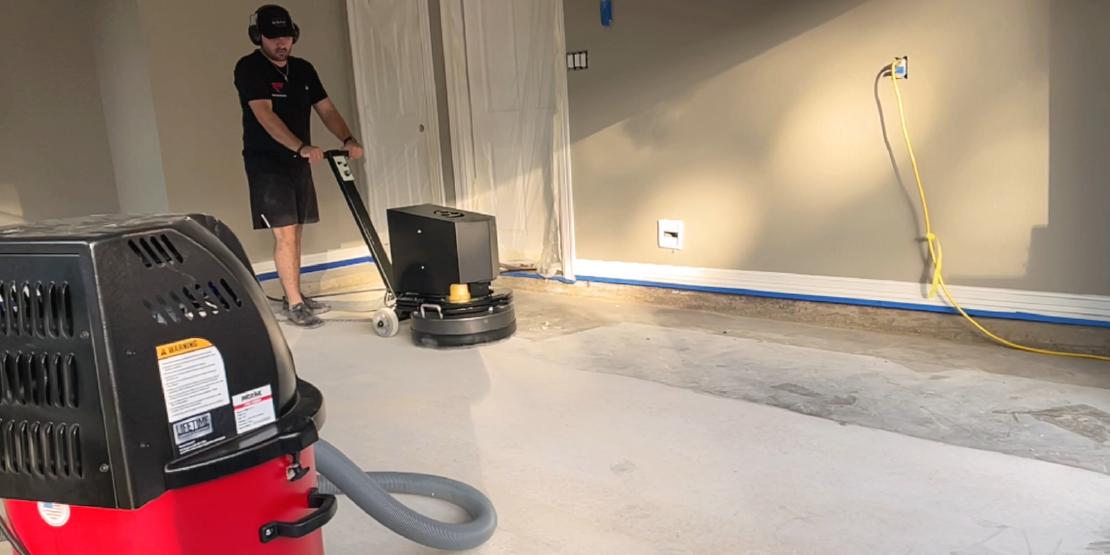
Applying epoxy coatings involves a detailed process to ensure optimal results. The surface to be coated is first thoroughly cleaned, removing any dirt, debris, or existing coatings. Following this, the epoxy solution is mixed, ensuring a perfect balance of resin and hardener to activate the chemical reaction. Once mixed, it is immediately applied to the surface. Over time, the epoxy hardens, creating a robust, glossy surface that is resistant to water, chemicals, and physical impact.
Factors Influencing the Price of Epoxy Coatings
One significant factor that influences the price of epoxy coatings is the quality of the resin used. The kind and quality of the resin significantly impact the protective and mechanical properties of the epoxy coating. Therefore, high-quality resins, which offer higher durability and longevity, are generally more expensive. In other words, the price of coatings made from superior-grade resins would be higher due to the cost of raw materials.
Another determining factor is the complexity of the application process. Some epoxy coatings require a multi-layered application for optimum performance. Other epoxy coatings may need specific application conditions, like temperature and humidity. The more complex the application process, the higher the labor cost involved, and in turn, a greater overall cost of the epoxy coating. Additionally, the scale of the project, brand selections, and market demand-supply dynamics may also correspondingly affect the final pricing.
Analyzing the Lifespan of Epoxy Coatings
The lifespan of epoxy coatings is greatly influenced by a number of factors. Direct exposure to sunlight or ultraviolet rays can degrade the coating, leading to discolouration and eventual failure. Similarly, exposure to harsh chemicals or extreme environmental conditions can affect its durability. Installation quality also plays a pivotal role; a poorly prepared surface or incorrect application technique can drastically reduce the lifespan.
Studies show that when properly installed and maintained, epoxy coatings can last 5-10 years. However, in heavy-duty industrial environments where they face constant abrasive wear and tear, the longevity may be slightly reduced. Still, their long lifespan combined with their impressive durability and resistance to environmental damage make epoxy coatings a cost-effective and reliable solution for a multitude of applications.
Maintenance Requirements for Epoxy Coatings
Epoxy coatings are renowned for their robust material properties and low maintenance characteristics. Even so, occasional upkeep penalties are essential to enhance their longevity and maintain their aesthetic appeal. Regardless of the application, regular cleaning is the most critical maintenance measure. Dust, dirt, and other residue can accumulate, dulling the shine and eventually damaging the coating. Cleaning with a non-abrasive cloth and light detergent will help maintain the coating’s vibrant look and improve the lifespan.
Besides cleanliness, minor repairs should be addressed as soon as they appear. Cracks, chips or scratches in the epoxy coating can quickly extend if left ignored, potentially leading to more significant damage. These issues are usually correctable by patching, a process that involves applying a small amount of epoxy to fill in the flaws. Immediate attention to damage and routine sanitization significantly forestalls deterioration and ensures maximum durability and aesthetics.
Comparison between Epoxy Coating and Other Coating Solutions
Epoxy coating is often compared to other coating solutions such as Polyurethane (PU), Polyvinyl Chloride (PVC), and Acrylic due to their similar applications in industrial settings. Key differentiation in the comparison are durability, cost-effectiveness, and longevity. Epoxy is renowned for its superior strength and resistance, especially to chemicals, heat, and physical abrasion. Therefore, it provides a durable and long-lasting solution that outperforms many other types of coatings.
On the other hand, other solutions like PU and Acrylic may offer better UV resistance and flexibility. While PVC coatings have high resistance to oxidation and are commonly used to protect against corrosion. In terms of cost, epoxy coatings are generally more expensive upfront, but their lifespan and low maintenance requirements can make them more cost-effective in the long run. Therefore, the choice between epoxy and other coating solutions largely depends on the specific requirements of each application.
Pros and Cons of Epoxy Coating Solutions
Epoxy coatings offer multiple benefits that make them a preferred choice for many applications. Their high durability ensures they withstand the test of time, reducing the frequency of repairs and replacements, thus, translating into cost savings. Another advantage of these coatings is their chemical resistance - a trait which is especially valued in industrial settings where exposure to harsh substances is common. Epoxy coatings also provide a visually appealing and easily maintainable surface. An additional benefit is the safety it provides due to its resistance to slippage, temperature, and fire, which makes it a reliable option for various industries.
However, despite the considerable advantages, epoxy coating solutions also come with their fair share of drawbacks. The application process can be laborious, requiring surface preparation, priming, coating, and sealing, making it time-consuming. Moreover, although highly durable under ideal conditions, epoxy coatings might not fare well in direct sunlight, becoming discoloured over time. It also tends to be more expensive upfront than other coating solutions, which might deter people working within a tight budget. Finally, an epoxy coating surface can be quite hard, leading to discomfort if individuals are standing on it for prolonged periods.
Application Areas of Epoxy Coatings
Epoxy coatings have gained considerable popularity due to their highly robust nature and wide application range. The protective and glossy finish offered by these coatings have made them a preferred choice for various commercial, industrial, and domestic settings. High traffic areas such as warehouses, showrooms, or garage floors often employ this type of coating for the high durability it offers. In these settings, the ability of epoxy coatings to resist wear and tear, chemical spills, and heavy loads makes them an ideal solution.
Construction and marine sectors also frequent the use of epoxy coatings. For instance, they are extensively used in the construction industry for concrete flooring, providing a seamless and waterproof surface which is easy to clean and maintain. In the marine industry, epoxy coatings guard against the hostile salty sea environment and protect ships and other marine structures from corrosion. With their incredible adherence properties, these coatings are also quite popular in the automotive industry, adding both aesthetic appeal and enhanced durability to vehicles.
Case Studies Showcasing Value-for-Money Epoxy Coatings
In the administrative hub of Adelaide, Australia, epoxy coating solutions were put to the test in a large scale commercial setting. The city’s local community center - a high traffic arena - required a durable and aesthetically pleasing floor finish. They opted for a high-quality epoxy coating, and it proved to be a cost-effective solution, as it sustained minimal wear and tear over the years. Moreover, the glossy finish of the epoxy coating enhanced the visual appeal of the environment, giving it a polished and professional look.
Across the globe, in a bustling warehouse in Chicago, USA, a similar story unfolded. With heavy machinery and constant freight movement, the industrial flooring was under tremendous stress. The choice to implement a robust epoxy coating significantly increased the life span of the floor compared to the previously used concrete solution. The epoxy coating withstood rigorous daily usage and physical impacts, while requiring relatively low maintenance. The industrial case, like the community center scenario, echoed the cost effectiveness and durability of epoxy coatings.
Innovations in Epoxy Coating Industry
The epoxy coating industry is continuously evolving, spearheaded by significant advancements in technology. Recent innovations have resulted in epoxy coatings that boast better adhesion, increased durability, and enhanced corrosion resistance. These developments incorporate nano-materials, specifically in the nanoparticle size range, to improve the performance attributes of the epoxy resin. Scientists have recently discovered ways to embed additives into epoxy coatings that improve ultraviolet (UV) light resistance, reducing yellowing and extending the coating’s lifespan.
Industry players are also focusing on developing more environmentally friendly options, with a lower volatile organic compound (VOC) content. The rising demand for water-borne and powder-based epoxy coatings exemplifies the shift towards ‘green coatings.’ Furthermore, autonomous epoxy coatings with self-healing, anti-corrosive, and bacteria-resistant properties have seen successful trials, paving the way for a new generation of smart coatings. These breakthroughs signify a promising future for the epoxy coating industry and its multitude of applications.
The Future of Epoxy Coatings
Innovative developments and improved methods are reigniting interest in epoxy coatings in both industrial and commercial sectors. Rapid advancements in the fields of nanotechnology and bio-based solutions point toward a promising future for epoxy coatings. These emerging technologies offer potential avenues to enhance durability, corrosion resistance, and environmental sustainability. The ability to manipulate coating properties at the nanoscale holds incredible potential for creating novel epoxy solutions with superior characteristics.
Simultaneously, the focus on green and sustainable solutions is revamping epoxy coating industry. The development of bio-based epoxy resins is changing the game, promoting alternatives that are less toxic and more environmentally-friendly compared to traditional petroleum-based resins. These significant strides in technology, aligned with the rising demand for eco-friendly coating solutions, not only embody the future direction of epoxy coatings but also powerfully indicate the role they will play in shaping more sustainable industries.
Strategies for Choosing the Right Epoxy Coating Solution.
The decision to utilize epoxy coating solutions should be informed by several key factors. Performance requirements set the baseline. Quantifying the level of durability, chemical resistance, thermal resistance, and anti-slip properties needed will narrow down the pool of options. The next crucial element to consider is the manner of application. Some epoxy coatings are formulated to be easy to apply with a roller, while others are intended for spraying or trowel application. The application method can significantly impact the final look and durability of the coating.
Another critical factor is the assessment of the environmental conditions where the coating will be used. Conditions like temperature, moisture levels, and exposure to chemicals can dramatically impact the performance and longevity of the coating. Equally important is the determination of the budget allocation for the project. Costs of epoxy coatings can vary substantially based on quality, longevity, and added performance features. Therefore, matching the project needs with the right price point is an essential part of choosing the appropriate epoxy solution.
What exactly is an epoxy coating solution?
An epoxy coating solution is a type of protective and decorative coating made from epoxy-based resins. It offers excellent adhesion, corrosion resistance, and durability, making it ideal for various industrial applications.
How do epoxy coating solutions work?
Epoxy coating solutions work by forming a strong, protective layer on the surface where it is applied. This is achieved through a chemical reaction between the epoxy resin and hardener, which results in a cross-linked, rigid structure that is resistant to degradation.
What factors influence the price of epoxy coatings?
Several factors can influence the cost of epoxy coatings. These include the type of epoxy resin used, the complexity of the application process, the size of the area to be coated, and the specific performance requirements of the coating.
How long do epoxy coatings typically last?
The lifespan of epoxy coatings can vary greatly depending on the application and environmental conditions. However, they generally last for several years with proper maintenance.
What are the maintenance requirements for epoxy coatings?
Epoxy coatings require minimal maintenance. Regular cleaning with suitable cleaning agents and occasional re-coating as necessary are typically all that’s needed to maintain their appearance and performance.
How do epoxy coatings compare to other coating solutions?
Epoxy coatings are known for their superior adhesion, chemical resistance, durability, and ease of maintenance compared to other coating solutions. However, they may not be suitable for every application due to factors like UV sensitivity and cost.
What are the advantages and disadvantages of epoxy coating solutions?
Epoxy coatings offer numerous advantages like excellent adhesion, resistance to chemicals and abrasion, and long lifespan. However, they can be more expensive than other coatings, can yellow under UV exposure, and may require more preparation work.
Where are epoxy coatings commonly used?
Epoxy coatings are widely used in various industries, including automotive, marine, aerospace, and construction. They’re often found on floors, walls, equipment, and structures that require a durable, protective coating.
Are there any recent innovations in the epoxy coating industry?
Yes, the epoxy coating industry is constantly innovating to improve product performance and environmental friendliness. Recent advancements include water-based epoxy coatings and UV-resistant formulas.
What is the future of epoxy coatings?
The future of epoxy coatings looks promising, with ongoing research and development aimed at improving their performance, sustainability, and versatility.
How can I choose the right epoxy coating solution for my needs?
The choice of epoxy coating solution should be based on the specific requirements of your application. Consider factors like the type of substrate, environmental conditions, performance requirements, and budget. Consulting with a coatings professional can also be helpful.