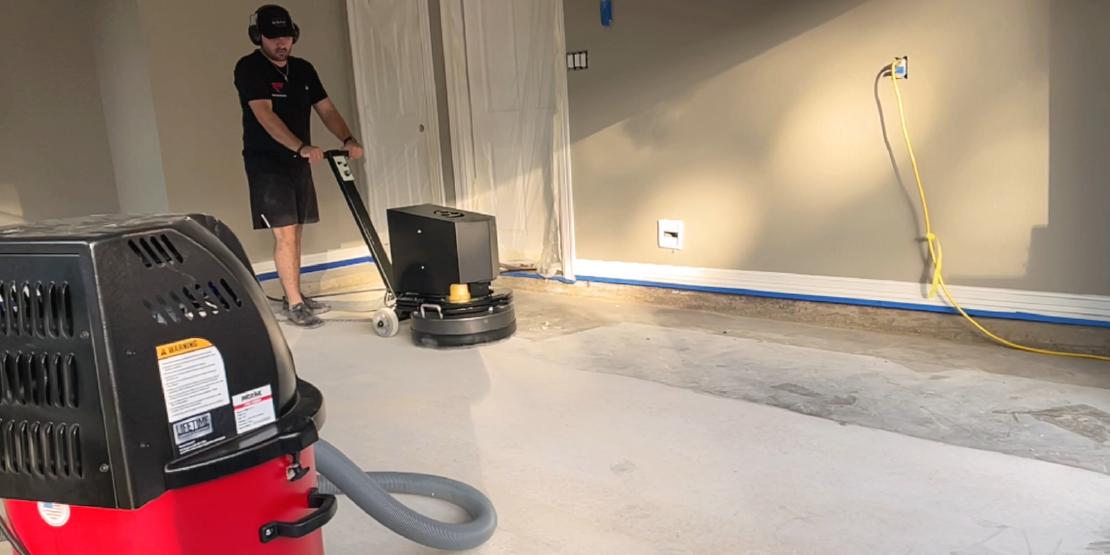

Creating Patterns and Textures with Coatings
Understanding the Basics of Coatings
Coatings play an essential role in various industries such as construction, automotive, and electronics. They serve a multitude of functions including protection, decoration, and enhancing physical properties of the material being coated. By applying customized coatings, materials exposed to environmental factors can enjoy extended lifecycle, and aesthetic appeal can be significantly improved. The application of coatings has even found its way into the technological field, where it is utilized to produce enhanced textures and anti-reflective properties.
Despite the variety of coatings available, they all share a similar basic structure. Generally, a coating is a covering that is applied to the surface of an object, typically referred to as the substrate. The coating itself can comprise of several layers, with each layer serving a unique purpose. Some layers provide bonding, others act as a primer, and the final layer gives color or special properties. Selection of the type of coating and its application method highly depends on the desired function and the substrate to which it is applied.
The Role of Coatings in Design
In the realm of design, coatings play a significant role. They contribute to the overall aesthetic appeal, providing unique textures and patterns for a more personalized touch. Coatings transform simple pieces, furnishing surfaces with a distinctive appearance. This transformation in design is integral in various contexts such as fashion, interior design, automotive design, and more.
Significantly, coatings also serve a purpose beyond aesthetics. They improve the lifespan and durability of the material, safeguarding it from potential damage caused by external factors like moisture, UV rays, or corrosive materials. In essence, while enhancing the visual appeal, coatings also fortify the material, a crucial double function in the realm of design.
Types of Coatings for Pattern and Texture Creation
Several coating types are best-suited to create unique patterns and textures. Metal coatings, for instance, produce a sleek and modern finish that can be cut or etched to reveal intricate designs. Powder coatings allow for a range of texture options, from glossy smooth surfaces to rough and gritty finishes, potentially adding a dimensional layer to any design. For a stylish metallic gleam, chrome coatings can impart a lustrous signature while also providing a solid layer of protection for the underlying material. In contrast, ceramic coatings present a matte finish that can be perfectly suitable for creating earthy textures or patterns.
In addition to these, polyurethane coatings offer excellent weather resistance and durability, making them ideal for outdoor applications - a characteristic that extends their usefulness beyond aesthetics. Epoxy coatings, with their superior adherence and durability, can be manipulated to create numerous textures and patterns. These coatings are perfect when durability is a focal concern. Acrylic coatings, renowned for their color retention, can maintain vibrant pattern-making over extended periods. All these diverse coating options facilitate an extensive gamble of design possibilities.
How to Choose the Right Coating for Your Project
Before embarking on a coating project, several pivotal factors need to be weighed in. First and foremost, understanding the substrate, which is the surface that will be coated, is crucial. The substrate affects how well the coating will adhere and its durability over time. Additionally, the environment in which the coating will exist, including temperature, humidity, and exposure to sunlight or other elements, is of equal importance. The desired aesthetics, such as colour, texture, and pattern, also play a role, as does the project budget.
Different types of coatings each have unique properties designed for specific applications. Acrylic coatings, for instance, are commonly used due to their broad range of attractive finishes and good resistance to weathering. Epoxy coatings offer high strength and excellent durability, making them ideal for industrial use. It is also advisable to consider varnishes for projects requiring a clear finish that preserves the look of the underlying surface. Lastly, the choice of polyurethane coatings could be more suited for abrasive environments due to their exceptional toughness and durability. Therefore, choosing the right coating involves balancing the functional needs of the surface with the desired aesthetic outcome, all within the boundaries of the budget.
Methods for Applying Coatings
Several methods exist for applying coatings, each one suitable for different materials, environments, and desired effects. Brushing is a traditional and straightforward mode of application, often used for a wide variety of paints and varnishes. It offers the agility and ability to cover complex shapes but requires more touch-ups and may leave brush marks. Rollers, on the other hand, cover large flat areas quickly and evenly, making them an excellent choice for walls, floors, and ceilings.
Spraying has become a popular method for its uniform application and ability to cover hard-to-reach areas. It involves the use of special equipment and necessitates a safe ventilation system due to fine particles produced during the process. Dipping, pouring, and flow coating are often used for smaller items or for achieving unique effects. Each of these methods has its own set of application techniques, surface preparation needs, and post-application care but choosing the right one relies primarily on the specifics of the project at hand.
Steps to Create Unique Patterns with Coatings
Applying a coating serves multiple purposes beyond simply coloration. It provides protection, adds aesthetic appeal, and can even grant additional functionality to the material underneath. To create unique patterns with coatings, several factors have to be considered, with the primary being the choice of coating type. A variety of substances can be utilized, each with unique properties that can influence the end result. Depending on the desired effect, coatings can be as simple as a single-color paint or as complex as multi-layer textures that stimulate both the visual perception and tactile sense.
The application method is fundamental in the pattern creation process. There are numerous methods, including brushing, spraying, dipping, or using rollers or stencils. Each technique requires different tools and skills while resulting in significantly different patterns. For intricate designs, applications might necessitate multiple steps and various techniques. For instance, a base layer could be applied with a roller, while a stencil could be utilized for adding details. Ultimately, patience and practice are key in mastering unique pattern formations through coatings.
Techniques for Creating Textures Using Coatings
Creating visually appealing textures through coatings not only enhances the aesthetic appeal but also positively impacts the functionality of an object. A common technique used in the application process is the use of various tools such as brushes, knives, rollers, or sprayers. Each tool offers a distinct texture – brushes can produce irregular textures or smooth finishes, while sprayers allow for more uniform application. The technique involves applying the coating and manipulating it while still wet to create the desired effect.
Another popular method is the use of additive materials. Sand, sawdust, and other particulates can be mixed into the coating before application, resulting in a textured finish once the coating dries. On metal surfaces, techniques like sandblasting can create a roughened texture that allows the coating to adhere better and provides a distinctive look. Thermal spraying is another coating technique that result in texture, plus offers the added benefit of improving the object’s durability and resistance to wear and corrosion.
Exploring the Effects of Different Coating Techniques
Understanding the impact of various coating techniques is crucial for optimal results in any project. Each method, be it spray, dip, brush, or roll, inevitably influences the final outcome, with effects ranging from uniformity and thickness to texture and aesthetics. For instance, spray coatings offer a smooth, uniform layer that’s ideal for large surfaces, whereas brush coatings leave visible strokes, adding a layer of texture and aesthetic detail to the object. Similarly, dipped coatings provide a thick, heavy layer, ideal for corrosion protection, while rolled coatings are perfect for even, minimalistic finishes.
Another significant aspect to consider is how these techniques affect the coating’s performance and lifespan. While spray application boasts a faster process and ease of use, it may require frequent touch-ups due to its relatively thin layers. Brush applications, with their thicker layers and tactile textures, may offer increased durability but require skilled handling to prevent unsightly bristle marks. On the other hand, dip coating ensures every nook and cranny is covered, ensuring thorough protection but can lead to an uneven finish if not controlled properly. Rolled coatings are perfect for surfaces necessitating precise, thin layers but may prove ineffective for intricate, highly textured surfaces. Therefore, understanding the effects of each technique is indispensable for the success of any coating project.
Maintenance and Care Tips for Coated Surfaces
Coated surfaces, whether found on walls, flooring, or other objects, require regular upkeep to prevent degradation. Preventative maintenance is the most practical approach to increase the lifespan and integrity of these surfaces. Regular cleaning, using mild soaps and non-abrasive materials, can effectively keep the coating in good condition and promote its longevity. To avoid the risk of damaging the surface, harsh chemicals and scrubbing tools should be avoided.
When it comes to addressing minor damages, speedy attention can prevent the problem from escalating. Routine inspections can help catch beginning signs of wear and tear, thus enabling timely repairs. Coated surfaces exposed to heavy traffic or usage, like floors and countertops, warrant a higher frequency of inspections. It is always advisable to follow the manufacturer’s advice or professional guidance concerning the specific cleaning and maintenance practices most conducive for various coating types.
Common Challenges and Solutions in Coating Application
Even with evolved technological advancements, the process, of coating application does not move smoothly always. One of the frequent challenges encountered is uneven application of the coating material. This may result due from improper preparation of the surface, including insufficient cleaning or failure to correct surface imperfections. Another prevalent challenge is the occurrence of blisters or bubbles. These are often the result of moisture trapped beneath the coating, rapid drying in high temperatures or inadequate mixing of the coating material.
To combat these challenges, a couple of solutions can be employed. Firstly, the surface preparation should be done meticulously by cleaning the surface and rectifying any imperfections - thus ensuring the coating material applies evenly. Secondly, to prevent the formation of blisters or bubbles, you can ensure the coating material is thoroughly mixed. Yet, also ensure that the application does not occur in conditions of drastic temperature change. In addition, using a moisture meter to measure the surface’s moisture content before coating application can help alleviate this problem. Moreover, in case you encounter blisters after the coating has dried, puncture and drain them before lightly sanding and reapplying the coating. Above all, understanding and following manufacturer’s instructions for the chosen product can drastically improve the outcome of your project. To further elaborate, here are some common challenges and solutions in coating application:
• Challenge: Uneven Application - This is often caused by improper surface preparation. The surface may not have been sufficiently cleaned or there might be uncorrected imperfections.
◦ Solution: Meticulous Surface Preparation - Ensure that the surface is thoroughly cleaned and any defects rectified before applying the coating. This will help to ensure an even distribution of the coating material.
• Challenge: Formation of Blisters/Bubbles - These often occur due to trapped moisture beneath the coating, rapid drying in high temperatures or inadequate mixing of the coating material.
◦ Solution: Proper Mixing & Temperature Control - To prevent blisters or bubbles from forming, make sure that your coating material is well-mixed. Also avoid applying it under conditions where there's a drastic temperature change.

◦ Additional Solution: Use a Moisture Meter – Using this device can help you measure if there’s excess moisture on the surface prior to application which could lead to blistering.

◦ Post-application solution : If blisters form after drying, they should be punctured and drained followed by light sanding before reapplication of coat.
• General Rule for All Challenges : Understanding Manufacturer Instructions – Regardless of what challenge you face during your project, understanding and following manufacturer’s instructions for your chosen product can drastically improve outcomes. They provide specific guidelines regarding how their product should be used including details about temperature range for use, methods for mixing etc., all designed to maximize performance while minimizing issues like uneven application or blister formation.
In conclusion, although challenges are inevitable when it comes to coatings applications; with proper knowledge and adherence to given instructions these hurdles can easily be overcome resulting in successful completion of projects.
Case Studies: Successful Pattern and Texture Coatings
One noteworthy instance of successful pattern and texture coatings comes from the renowned Barcelona Pavilion. Designed by Mies van der Rohe, the focus of the avant-garde design was on sleek, flat surfaces, enhanced by the usage of reflective and polished coatings. The employment of these unique coating techniques not only highlighted the Pavilion’s geometric architecture but also augmented the overall spatial relationships within the structure. Both the design and material integration has positioned the Barcelona Pavilion as a living example of the constructive potential of pattern and texture coatings.
Aircraft production also presents fine examples of effective coating applications. A commercial airplane like Airbus A320, for example, utilizes specially formulated protective coatings to maintain the aircraft’s exterior. These coatings offer resistance to extreme weather conditions and increase the lifespan of the aircraft. In addition, specific coating techniques are used to generate unique patterns and insignia that contribute to the branding and recognition of commercial fleets. Through specialized coating solutions, airlines achieve both function and aesthetics, demonstrating the quintessential role of coatings in diverse industries.
Future Trends in Coating Techniques
As we move forward, the landscape of coating technology continuously evolves to meet the demanding needs of various industries. One prominent trend is the development of smart coatings, self-healing materials that can address issues such as corrosion before they cause significant damage. These cutting-edge solutions not only enhance the longevity of the coated surfaces but also minimize the maintenance cost and effort. By incorporating nanotechnology, these systems can respond to environmental changes and as a result, offer improved protection.
Another noteworthy trend is the increased focus on sustainability, driving researchers and developers to create more environmentally friendly coating options. Innovations such as bio-based and water-borne coatings have gained prominence, offering comparable performance with a significantly lesser environmental footprint. This development aligns with the global call for sustainable practices across various sectors. As we navigate the dawn of a more eco-conscious era, these emerging trends promise exciting prospects for the coating industry.
Resources for Further Learning about Coating Application.
In the constantly evolving world of coating applications, continuous education is paramount. Several resources abound that can provide in-depth knowledge and insights. One such resource is the American Coatings Association, which not only keeps its members updated with the latest industry trends, but also provides opportunities for learning through webinars and seminars. Additionally, vast amounts of valuable content can be accessed on platforms like Coursera and Udemy, with several courses focusing on basic and advanced aspects of coating applications.
Literature resources also play an essential role in learning about coatings. Books like the “Handbook of Coating Additives” by Leo Guggenheim and the “Coatings Technology Handbook” by D. Satas serve as comprehensive guides in the field. Furthermore, academic journals such as the Journal of Coatings Technology and Research offer peer-reviewed articles, fostering deeper insights into current research and advancements in the coatings industry. These resources serve to not only bolster theoretical knowledge but equally to provide practical insights, consistently keeping you abreast of the latest advancements in coating applications.
What are the basics of coatings?
The basics of coatings involve understanding their primary function, which is to protect and beautify surfaces. They also enhance the durability and longevity of the surface material. Coatings can also be used to create patterned and textured surfaces.
Can you elaborate on the role of coatings in design?
In design, coatings play a crucial role in enhancing the aesthetic appeal of a product or a structure. They can be used to create a variety of looks, including glossy, matte, metallic, and textured finishes. Coatings can also be used to mimic the appearance of other materials such as wood, stone, or marble.
What are some of the types of coatings used for pattern and texture creation?
There are numerous types of coatings that can be used for pattern and texture creation. These include but are not limited to epoxy resins, polyurethanes, acrylics, and enamel. The choice of coating depends on the desired outcome and the material to be coated.
How do I choose the right coating for my project?
Choosing the right coating for your project depends on several factors such as the material you’re working with, the desired finish, and the environmental conditions the coated surface will be exposed to. Consulting with a coatings expert or doing some research online can help in making the right choice.
Can you describe the process of coating application?
Coating application typically involves preparing the surface, applying the coating, and then allowing it to cure. The exact process can vary depending on the type of coating used and the surface material.
What are some common challenges encountered during coating application?
Some common challenges in coating application include ensuring proper adhesion, avoiding bubbles and streaks, achieving a uniform finish, and ensuring the coating is durable and resistant to environmental conditions.
Can you share any case studies of successful pattern and texture coatings?
We have several case studies featured in the article, showcasing the successful application of various coatings to achieve unique patterns and textures on different materials. Please refer to the article for detailed insights.
Where can I find additional resources for learning about coating application?
There are numerous online resources, trade publications, and books available for further learning about coating application. We have provided a list of recommended resources at the end of the article for your convenience.