
Creative Solutions with Glow-in-the-Dark Floor Coatings
Understanding Luminous Floor Finishes
Luminous floor finishes are an innovative solution bringing safety, aesthetics, and a unique design element all together. They utilize phosphorescent technology to emit a soft, subtle glow in low light or dark spaces. The use of specialized pigments that absorb and store light energy, only to release it when surroundings are dimmed, is the science behind their illuminating feature.
These distinctive floor finishes come in a wide range of options, offering versatility in terms of design and locale. Suitable for both interior and exterior use, glow-in-the-dark floor paints can be applied to various surfaces, including concrete, wood, or even metal. The spectrum of hues available allows for creativity, while offering the practicality of enhanced visibility in areas prone to inadequate lighting.
The Composition of Glow-in-the-Dark Floor Paint
The innovative formulation of glow-in-the-dark floor paint essentially contains three major components. These are the base medium, an array of luminescent pigments, and a binding agent. The base medium, which can be either water-based or oil-based, provides a unified fluid in which the other components can be evenly dispersed. The luminescent pigments are usually composed of phosphor - a material that has light-emitting properties and can store energy when exposed to light. The most commonly used types of phosphor are Zinc Sulfide and Strontium Aluminate, with the latter being favored due to its longer glow duration and brighter intensity.
The role of the binder, on the other hand, is to hold the luminescent pigments in place once the paint has dried. This ensures that the pigments do not flake off or separate from the base medium over time - a crucial aspect for the longevity of the paint. Binders can be composed of various materials, which might include acrylates, polyurethanes, or alkyds, depending on the application requirements and the desired characteristics of the final product. Each of these components contributes uniquely to the performance and functionality of the glow-in-the-dark floor paint, consequentially making these coatings highly versatile and adaptable to a broad range of environments.
Benefits of Using Luminous Floor Coatings
Incorporating glow-in-the-dark or luminous floor coatings into an environment offers a distinctive aesthetic touch whilst enhancing safety. These specialty paints contain light-emitting compounds that absorb light energy during the day and release it in low light or darkness. This capacity to emit light enhances visibility in the dark which can prevent accidents and injuries in spaces such as parking lots, walkways, and staircases.
Moreover, luminous floor coatings are not only practical but also versatile and durable. These easy-to-apply paints adhere firmly to a variety of surfaces, including concrete, wood, and metal, providing long-term resistance to wear and tear. Adding an extra layer of excitement, these special floor finishes are available in a range of colors and can be used to create detailed designs and patterns. This feature has made them an increasingly popular choice for businesses and homeowners seeking to inject some creativity into their decor.
The Science Behind Glow-in-the-Dark Technology
Glow-in-the-dark technology, also known as phosphorescence, is based on a process where energy is absorbed and then slowly released as light. To put it simply, certain substances have the ability to capture light and then gradually emit it over time, creating a glowing effect. This energy harnessing and releasing process can continually occur, allowing objects coated with these substances to glow in the dark repeatedly when exposed to light.
The key to this technology lies in the molecular structure of phosphorescent materials, such as strontium aluminate and zinc sulfide, commonly used in glow-in-the-dark paints. In their natural state, these materials’ electrons are at a low energy level. However, when exposed to light, the electrons absorb energy and move to a higher energy level. Consequently, when in a dark environment, these electrons will slowly return to their original energy state, releasing the absorbed energy in the form of visible light. This process of light absorption and emission creates the effect of a continuous glowing surface, adding both an aesthetic and functional quality to floor finishes.
Selecting the Right Luminous Floor Coating for Your Needs
Taking into account several factors is important while selecting apt glow-in-the-dark flooring. The first and foremost consideration is the purpose of the luminous coating. Whether it’s for residential, commercial, or public applications, different spaces have different requirements.
Essential factors include the floor’s material, its location, and the amount of foot traffic it receives. For instance, luminous floor coatings designed for outdoor use must be weather-resistant. Additionally, coatings made for high-traffic areas must be robust and long-lasting. Similarly, certain types of floor material may require a specific kind of luminous coating. Understanding these factors can aid in selecting the right luminous floor coating according to specific needs.
The Process of Applying Glow-in-the-Dark Floor Coatings
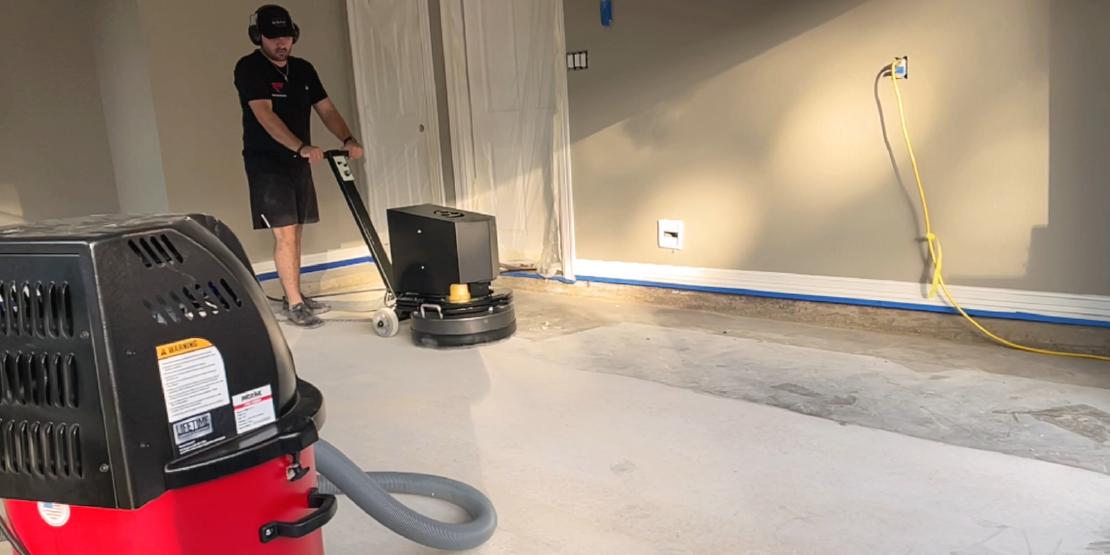
Application of glow-in-the-dark floor coatings follows a systematic, yet straightforward procedure to achieve the best results. First and foremost, surface preparation is key; the floor should be thoroughly cleaned and free of any dust or existing finish. The application area is then roughened using a grinder or an abrasive pad to ensure maximum adhesion of the luminous coating.
Following prepping, the next step is applying the primer, which not only helps the glowing paint stick better but also enhances the longevity of the applied coating. Two coats of the chosen glow-in-the-dark floor paint are then layered onto the floor with a gap to allow drying, typically overnight. For additional durability, a sealing coat may be applied on top of the luminous coating, effectively protecting the glow-in-the-dark finish from physical wear and tear and enhancing its lifespan. It is important to adhere to manufacturer’s instructions throughout this process to guarantee the desired luminosity of the final product.
Safety Considerations for Luminous Floor Coverings
When dealing with luminous floor coverings, it is essential to consider safety. These coatings, though highly attractive and functional, if misused can pose certain risks. The material is generally non-toxic; however, ingestion or contact with the eyes can lead to discomfort. Additionally, those with severe allergies or respiratory issues may be susceptible to potential reactions. Hence, contractors and homeowners applying these coatings must adhere to safety guidelines such as wearing protective clothing, gloves, and eyewear.
On another note, luminous floor coverings provide increased safety in low-light or nighttime conditions. This enhances visibility, which can significantly reduce the chances of slips, trips, and falls. Particularly for large spaces like warehouses, theaters, and parking garages, using these coatings can be a game changer in safety protocols. That being said, the effectiveness of the shine depends greatly on the quality of the product. Therefore, it is critical to select a high-quality glow-in-the-dark paint that can deliver the desired level of luminosity.
Maintenance Tips for Luminous Floor Finishes
Proper maintenance of luminous floor finishes is essential in optimizing their performance and longevity. Like any other type of floor finish, these distinctive coatings require routine care to preserve their unique aesthetic properties. Regular sweeping or vacuuming will prevent debris accumulation that may scratch the luminous finish and compromise its glow. Any spills should be promptly addressed with a damp mop or cloth to avoid stains, while sticky residue can be carefully removed using a mild detergent.
Sealing and re-coating is a crucial aspect of the maintenance process for glow-in-the-dark floor coatings. Over time, constant foot traffic can cause wear and tear to the luminescent elements in the finish, reducing the overall glow intensity. To ensure consistent luminosity, it is advisable to periodically re-coat the floor with a high-quality glow paint. Always remember that prior to re-coating, the floor should be thoroughly cleaned and any damaged areas should be properly repaired.
Case Study: Examples of Glow-in-the-Dark Floor Coatings in Use
One of the most striking applications of glow-in-the-dark floor coatings can be found at a popular entertainment complex in Shanghai. This facility, aimed at attracting young, energetic crowds, utilized luminous floor finishes throughout its dance floor area to add a unique visual dimension to the nightlife experience. The phosphorescent paint absorbed light throughout the day and emitted an ethereal glow when the sun went down, creating an otherworldly ambience that was a major crowd-pleaser. The dance floor not only glowed brightly but also patterned to sync with the beats of the music, thanks to controllable luminous pigments.
On the other end of the spectrum, a municipal government in Southern California employed glow-in-the-dark floor coatings as a safety measure on bike paths throughout the city. Known for its commitment to public safety and sustainability, the city opted for a green solution that reduced the need for artificial lighting. Bicyclists found their paths illuminated by the ground itself, creating a safer environment for nighttime travel and reducing energy consumption. The innovative use of luminous floor coatings highlighted its potential in infrastructural applications, demonstrating that such technology can blend functionality with aesthetics.
Exploring the Versatility of Luminous Floor Coatings
The versatility of luminous floor coatings extends far beyond aesthetics into realms of safety and environmental preservation. These phosphorescent finishes are increasingly finding applications in a variety of sectors, including industrial, commercial, and residential. Industrial facilities use them as safety guides in dark or low-lit areas, while commercial spaces use them for aesthetic appeal and unique branding. Homeowners, increasingly conscious of safety and design, are also incorporating these coatings into their interior and exterior decor.
Notably, luminous floor coatings possess the unique attribute of “rechargeable” glow. They absorb natural or artificial light and emit a radiant glow when in dark or low-light environments. This ability to glow makes them an ideal choice for places like movie theaters, parking garages, and staircases that need to be navigable even in low light conditions. Infusing these coatings with different colors and integrating them into unique designs also allow users to create mesmerizing light effects, further showcasing their versatility.
Environmentally Friendly Aspects of Glow-in-the-Dark Floor Finishes
Glow-in-the-dark floor finishes carry significant environmentally friendly attributes often overlooked. One major area of advantage is their energy efficiency. This technology harnessed in these floor finishes does not rely on electricity or battery power to generate light. This, by default, results in decreased energy consumption and a reduction in the carbon footprint of buildings and spaces that utilize these unique finishes.
Moreover, many luminous floor coatings are produced using water-based formulations. These are free from hazardous volatile organic compounds (VOCs), which are often found in traditional floor coatings and can be harmful to both the environment and personal health. This aspect therefore contributes to safer indoor environments and less polluted outdoor air, proving that, in more ways than one, luminous floor finishes are a sustainable, green choice. Continuing on, glow-in-the-dark floor finishes also have a long lifespan. These special coatings are designed to last for several years, reducing the need for frequent replacements and thereby minimizing waste generation. This longevity not only benefits the environment but also provides economic advantages by lowering maintenance costs.
• The energy-efficient nature of these finishes reduces electricity consumption and decreases carbon emissions. • They do not require battery power or other non-renewable sources of energy. • Their production process is free from harmful VOCs, contributing to cleaner air both indoors and outdoors. • Water-based formulations used in their production further decrease their environmental impact.
Another environmentally friendly aspect is that many manufacturers of glow-in-the-dark floor finishes prioritize recycling during their production process. By using recycled materials whenever possible, they minimize resource extraction and reduce waste sent to landfills.
• Manufacturers often utilize recycled materials in the production process. • This practice minimizes resource depletion and landfill waste.
Lastly, it’s worth noting that luminous floor coatings can improve safety in buildings by providing illumination during power outages without relying on emergency lighting systems powered by fossil fuels. In this way, they contribute indirectly to reducing greenhouse gas emissions.
• Glow-in-the-dark floors provide an alternative source of light during power outages, negating the need for traditional emergency lighting systems which use fossil fuels.
In conclusion, choosing glow-in-the-dark floor finishes offers multiple environmental benefits - from reduced energy consumption and pollution prevention to sustainable material usage and enhanced building safety. It’s clear that these innovative products are not just visually appealing but also contribute significantly towards sustainability efforts globally.
Comparing Luminous Floor Coatings to Traditional Floor Finishes
The fascinating aspect of luminous floor coatings lies in its distinctive attribute of glowing in darkness. A feature that sets them apart from traditional floor finishes. These coatings, also known as glow-in-the-dark paints, encase strontium aluminate crystals within a sturdy matrix which gets energized under light and subsequently emit a soft, luminous glow during darkness. On the contrary, conventional floor finishes function merely as decorative or protective layers, with no such phosphorescent properties.
Durable, visually appealing, and imbued with a unique aesthetic edge, luminous floor coatings offer a futuristic approach to interior and exterior design. Similarly, traditional floor finishes too provide a multitude of palette choices, textures, and finishes, each adding a different dimension to aesthetics. However, the safety advantage lies with the glow-in-the-dark coatings, as they improve visibility in low light conditions, a feature absent in conventional floor finishes. While the preference between the two rests largely on functional requirements and aesthetic preferences, the versatility of glow-in-the-dark floor coatings undeniably ushers a creative twist to conventional flooring.
Future Trends in Glow-in-the-Dark Floor Coatings
The advancements in technology are steadily progressing the realm of glow-in-the-dark floor coatings. The latest innovation in granite aggregates is a clear example, they offer vigorous luminescence which does not overpower the natural color of the flooring during the day. Developers are also working towards improving the longevity of the afterglow, aiming for a product that can maintain its glow for longer periods after being charged, potentially, up to several days.
Bio-luminescent and phosphorescent technologies are also being explored as promising trends for future floor coatings. By bio-engineering certain types of fungi that naturally glow in the dark, researchers are hoping to create a sustainable, self-renewing luminescent floor coating. While the practical applications and regulatory approvals are still years away, the environmental benefits of such a renewable and energy-efficient technology are undeniable.
What are luminous floor finishes?
Luminous floor finishes, also known as glow-in-the-dark floor coatings, are a type of paint or finish that absorbs light and then releases it in the dark, creating a glowing effect.
How is glow-in-the-dark floor paint made?
Glow-in-the-dark floor paint is typically composed of phosphorescent materials, which can absorb, store, and emit light over time.
What are the benefits of using luminous floor coatings?
Luminous floor coatings offer a variety of benefits, including increased visibility in low-light conditions, added aesthetic appeal, and potential safety enhancements.
How does glow-in-the-dark technology work?
Glow-in-the-dark technology works by absorbing light energy from a source, storing that energy, and then releasing it over time in the form of a glow.
How do I choose the right glow-in-the-dark floor coating?
The selection depends on your specific requirements such as the desired glow intensity, color, the type of surface it will be applied to, and the intended usage.
Can you explain the process of applying glow-in-the-dark floor coatings?
The process typically involves preparing the surface, applying a primer, applying the glow-in-the-dark paint, and then sealing with a protective coating.
Are there any safety considerations with luminous floor coverings?
Generally, luminous floor coverings are safe, but it’s essential to check that the product is non-toxic and meets safety standards. Also, ensure that the glowing effect does not pose a distraction or hazard.
How should I maintain a glow-in-the-dark floor finish?
Maintenance generally involves regular cleaning to ensure the coating can adequately absorb light. Any damage or wear should be promptly repaired to maintain its glowing effect.
Could you give some examples of where glow-in-the-dark floor coatings are used?
Glow-in-the-dark floor coatings have diverse uses, from providing safety markings in public spaces and industrial environments to adding a fun element in entertainment venues or children’s rooms.
Is glow-in-the-dark floor coating environmentally friendly?
Yes, many glow-in-the-dark floor coatings are environmentally friendly. They often require less energy than traditional lighting and are typically made from non-toxic materials.
How do luminous floor coatings compare to traditional floor finishes?
Besides providing a unique glowing effect, luminous floor coatings can enhance safety and visibility. However, they may require more maintenance than traditional finishes.
What could be the future trends in glow-in-the-dark floor coatings?
Future trends may include advancements in glow intensity and duration, expanded color options, improved eco-friendliness, and the development of coatings for a wider variety of surfaces.