
Custom Epoxy Designs for Unique Spaces
Understanding Epoxy Resins and Their Uses
Epoxy resins invariably stand out as the go-to solution for a range of industries due to their unique properties. Known for their exceptionally high adhesive power, longevity, and resistance to wear and water, these resins serve as robust binders that ensure longevity and durability. Their remarkable versatility underpins their usage in an array of applications such as coatings, adhesives and composite materials for aerospace, automotive, marine, and industrial sectors, establishing epoxy resins as the enduring backbone in these domains.
The science behind the efficacy of epoxy resins lies in its distinctive chemical structure. Derived from petrochemicals through a catalytic oxidation process, they operate as thermosetting polymers, or heat-activated setting plastics. These polymers form strong covalent bonds upon curing, resulting in a rigid, impervious structure. The unique curing process further enhances their resistance to thermal, chemical, and mechanical stresses, carving out the ecological footprint and increasing their utilization in various industry sectors.
The Process of Creating Epoxy Designs
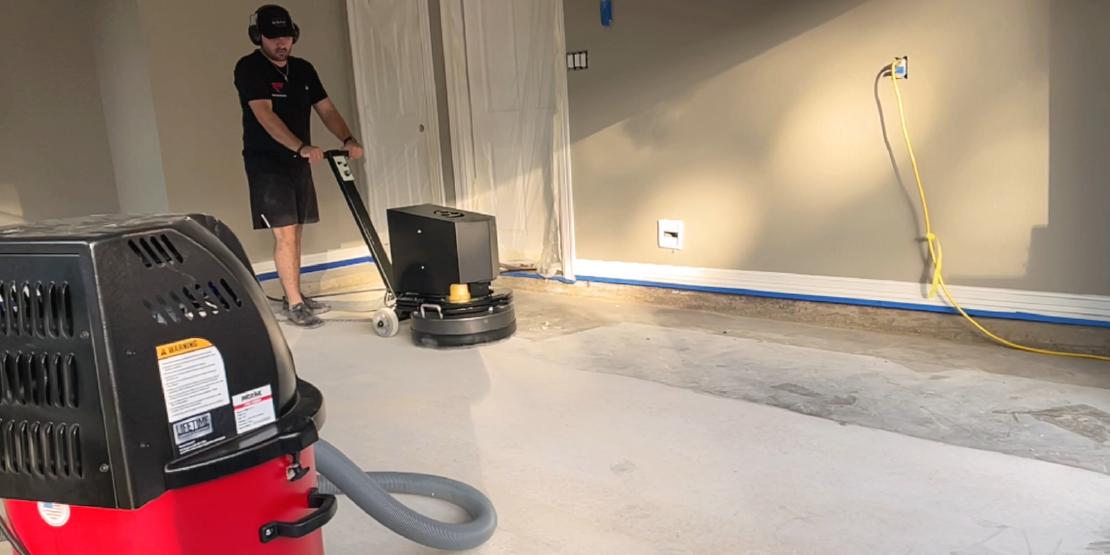
In the realm of epoxy design, creativity and meticulousness meet. The initial stage involves preparing the surface where the epoxy will be applied, which usually requires cleaning to remove any debris or dust that may affect the final result. The surface is then abraded to promote better adhesion between the epoxy and the substrate. After the preparation of the surface, the epoxy resin and hardener are combined at a specific ratio determined by the manufacturer. The mixing of these two components triggers a chemical reaction that results in the hard, durable finish associated with epoxy.
Once the epoxy components are mixed, colorants and decorative inclusions can be added to create a particular design. The mixture is then poured onto the prepared surface in layers, which allows different design elements to occupy different depths within the final piece, giving it a three-dimensional effect. This process can be slow and painstaking, requiring a steady hand and an eye for detail to ensure the design is correctly rendered. The poured epoxy is then left to cure - a process that can take hours to days depending on the specific product used. The end result is a unique, durable, and visually striking design that is as practical as it is beautiful.
Benefits of Using Epoxy in Your Space
Introducing epoxy into your space can unlock myriad benefits. Primarily, epoxy coatings boast of exceptional durability and resilience against wear and tear. They are known for their resistance to heat, chemicals, and stains making them an ideal choice for places that witness heavy footfall such as garages, warehouses, or industrial plants. Additionally, epoxy’s brilliant gloss finish improves lighting conditions due to its reflective nature, promoting a well-lit environment.
Another major advantage is the versatility epoxy offers in terms of design. With a wide range of colors, patterns, and finishes at your disposal, epoxy designs can be tailored to seamlessly align with your aesthetics. Moreover, the seamless and smooth surface that epoxy coatings produce are easy to clean and maintain, adding to its popularity. Last but not least, epoxy has waterproof capabilities, and therefore can prevent water damages, a common issue in many spaces.
Exploring Different Types of Epoxy Designs
Epoxy resin can be adapted into an array of remarkable designs that can add a unique sense of style to your space. The flexibility of this material allows it to be shaped, colored, and textured in various ways to create stunning results. From earthy, natural-looking finishes resembling a river bed to vibrant, abstract patterns, the possibilities are boundless. It is also worthwhile to note that epoxy can be used to mimic natural stones, creating faux marble or granite finishes that are equally stunning.
Complex, multi-layered patterns can be achieved by mixing different colors of epoxy. Aside from that, epoxy can be combined with other materials like wood, pebbles, or other gemstones to give a more eclectic look. Reflective effects can also be created using metallic pigments or by incorporating LED lights for a truly captivating result. The glossy finish of an epoxy resin countertop, or the intricate detail of an epoxy resin painting, demonstrates the versatility of this material in creating diverse and aesthetically pleasing designs.
Incorporating Epoxy Designs into Various Rooms
Epoxy designs bring a unique, durable, and customizable element to any space in a home or commercial property. They can be implemented creatively across a wide array of rooms, enhancing the aesthetic value as well as the practicality of these spaces. Epoxy applications range from stunning floor designs that steal the show in living rooms, lobbies, or dining areas to countertops that add a touch of luxury in kitchens and bathrooms. Even functional areas such as workshops or garages can benefit from epoxy finishes, owing its robust qualities.
The adaptability and versatility of epoxy designs mean they can seamlessly blend with any interior decor style. When selecting designs for specific rooms, factors such as room size, existing color palette, and the intended use of the room can be taken into consideration, allowing for striking visual effects. Bold colors and intricate patterns could be used for an engaging playroom floor, while more nuanced, marble-like epoxy designs could impart an air of elegance to a formal living room or business reception area. With the right epoxy design, every room unveils a pleasing and inventive visual experience.
Choosing the Right Epoxy Design for Your Space
The choice of epoxy design is pivotal in ensuring its efficacy and visual appeal in a given space. Numerous factors play into this decision including the size of the area, the existing décor, intended use of the space, the room’s lighting conditions, and your personal preferences. For instance, a brightly colored metallic epoxy might be the perfect fit for a bustling commercial area but may appear out of place in a serene, minimalist living room.
Additionally, the functional aspects of the design’s aesthetics should also be taken into consideration. The texture and finish of the resin can greatly impact both the design’s longevity and upkeep ease. For instance, a smooth, high-gloss finish can make a space appear larger and more reflective, but may require more rigorous maintenance. Therefore, when selecting the right epoxy design for your space, consider both the visual impact and the practical aspects of your selection.
Maintenance and Care for Epoxy Designs
Epoxy designs, although extremely durable and robust, still require appropriate maintenance and care to preserve their aesthetic appeal and functionality. Regular cleaning is pivotal to keep the surface shining and free from dirt, grime, and stains. Daily upkeep involves using a soft broom or a dust mop to sweep away the dirt. For a more thorough cleaning, warm water mixed with a neutral cleaner should be mopped on the surface. It’s essential to avoid harsh chemicals like ammonia or citrus-based cleaners, as they may dull the sparkle or damage the protective layer.
For epoxy floors that experience heavy traffic, such as in commercial establishments or garages, an additional protective layer might be needed. This layer can help resist scuffs, scratches, or any impact damage common in such spaces. Furthermore, if scratches or small damages appear, they should be attended to promptly with touch-up kits available in the market. Repairs or heavy-duty maintenance, when needed, should be handled by professional services to avoid permanent damages or costly mishaps. Regular maintenance and care, though simple, significantly extend the longevity of epoxy designs, keeping them as sparkling and beautiful as they were on day one.
The Durability and Longevity of Epoxy Designs
One of the significant features that makes epoxy designs a popular choice in a variety of applications is their remarkable durability. Epoxy resins, once cured, form a solid and tough surface, capable of withstanding high levels of wear and tear. This intense durability suggests that these designs can maintain their aesthetic appeal under the most punishing of circumstances, including high traffic or heavy usage. It’s important to note, however, that while epoxy is typically able to resist chemicals, heat, and physical impact, prolonged exposure to UV light can lead to yellowing, which is why it’s less often used in outdoor applications.
When thinking about the longevity of epoxy designs, it’s noteworthy to mention that they can often remain in good condition for many years. In an industrial setting, epoxy flooring can last up to a decade or even longer with proper care and maintenance. This long lifespan, coupled with its impressive resilience, means that epoxy designs are economic as well as aesthetic choices. The cost of reinstallation or frequent repair is significantly reduced, making it a smart upfront investment for many property owners. Despite this, it’s essential to keep in mind that the lifespan of any epoxy design is directly dependent on the quality of the installation and the ongoing upkeep.
Cost Considerations when Implementing Epoxy Designs
Epoxy designs can transform ordinary spaces into something extraordinary, yet cost-friendly. Given its durability and aesthetic appeal, the investment in epoxy designs can be quite reasonable. Initial costs include the price of the epoxy resin itself, which can vary based on brand and quality, as well as any materials required for application. Additionally, depending upon the complexity of the design, there may also be costs associated with obtaining professional installation services.
While the upfront investment can be a notable amount, there are potential savings in the long run. Epoxy surfaces are highly resistant to damaging elements like water, heat, and heavy impact, leading to lesser maintenance and repair costs. As a result, the lifespan of a well-installed epoxy design can stretch for years before replacements or refurbishments are needed, offering significant value over time. Moreover, the cost of implementing epoxy designs can also be influenced by several other factors.
• The size of the project: Larger spaces will require more materials and potentially more labor, which could increase costs.
• Quality of existing surfaces: If the surface that needs to be covered is in poor condition or requires extensive preparation work before application, this could add to overall expenses.
• Customization level: More complex designs or personalized touches can raise the price due to increased time and skill required for implementation.
• Location: Depending on where you live, prices for materials and labor may vary significantly.
In contrast, there are ways to mitigate these costs:
• Do-it-yourself (DIY) approach: While professional installation ensures quality results, a DIY approach can save on labor costs if one is comfortable with home improvement tasks.
• Bulk purchasing: Buying products in larger quantities often reduces per-unit cost.
Despite these considerations, it’s important not just to focus solely on immediate outlay but also consider long-term value. Epoxy designs offer numerous benefits that make them a worthwhile investment:
● Durability & longevity - These surfaces resist damage from water, heat and heavy impacts making them last longer than other types of flooring.
● Low maintenance – They do not require frequent repairs or replacements saving money over time.
● Aesthetic appeal – Epoxy designs enhance visual appeal contributing positively towards property value.
Therefore when weighing up the cost considerations for epoxy design implementation remember both initial expense as well as potential savings over time should factor into your decision-making process.
Epoxy Designs and Environmental Sustainability
Despite their industrial origin, epoxy resins offer significant benefits to the environment due to their long lifespan and resistance to many forms of wear and tear. This durability reduces the need for frequent replacements, thus reducing the amount of waste produced. Epoxy resins also require fewer resources to maintain, as they don’t require frequent waxing or sealing like other materials. It’s worth noting as well that once cured, epoxy resins don’t release any volatile organic compounds (VOCs) which can harm indoor air quality.
In manufacturing, companies are adopting greener practices, developing epoxy designs that are made from plant-derived materials instead of petroleum-based ones. This more sustainable approach not only reduces dependence on finite resources but also decreases the industry’s overall carbon footprint. Also, when it comes to disposal at the end of their life, innovations are underway to develop biodegradable epoxies that can be safely decomposed without causing harm to the environment. In conclusion, when it comes to sustainable design and construction, epoxy resins appear to be a good fit in many ways.
Case Studies: Successful Epoxy Design Implementations
One fascinating case of successful epoxy design implementation is observed at the trendy Barista Coffee House in downtown Brooklyn. The interior of the cafe was done using a metallic epoxy to create a fluid, marble-like design on the floors that stands out against the industrial-style structure of the cafe. It serves as a perfect showcase of aesthetic appeal and durability, a testament to the fact that the design continued to impress both visitors and employees, even after years of high foot traffic. This implementation was lauded not only for its eye-catchiness but the owner also reports significantly reduced maintenance costs.
In the corporate world, a notable example can be found in the reception lobby of Smith & Associates law firm located in Chicago. A graphic designer, with expertise in epoxy designs, was contracted to craft an intricate logo of the firm on the lobby floor using transparent epoxy resin, thereby creating a stunning visual impact as clients enter the premise. This durable design, while aesthetically appealing, also signifies the firm’s commitment to quality and professionalism, thereby working in brand augmentation. Reports show that this epoxy implementation substantially boosted client impressions, leading to increased interest and business contracts.
DIY vs. Professional: Who Should Install Your Epoxy Design?
Choosing between embarking on a Do-It-Yourself (DIY) project or hiring a professional for your epoxy design is a critical decision that carries several considerations. These include the complexity of the design, available time, budget and most importantly, your level of expertise in handling epoxy resins. When the design is simple, such as a basic epoxy floor coat, one may opt to go the DIY route, especially if enough research is done to understand the process involved. DIY gives you the ability to fully control the creative expression, and may also cost less in terms of labour expense.
On the other hand, hiring a professional for your epoxy project lends a greater assurance of quality and adherence to industry safety standards. Epoxy resin professionals come equipped with years of experience and learning that cannot be replicated through online tutorials or quick research. They are capable of handling complex designs, utilizing different types of epoxy and mitigating risks associated with the handling and curing of epoxy resins. Therefore, for more advanced or large-scale projects, the expertise of a professional may yield the best outcome.
Future Trends in Epoxy Design
The epoxy resin industry continues to evolve and innovate, bringing forth new design possibilities that were unimaginable just a few years ago. 3D Epoxy floors, utilising multiple layers of epoxy resin mixed with image perception technologies to create a three-dimensional effect, are growing more popular. This style not only provides a stunning visual but is incredibly resilient and versatile. Other emerging trends include the use of metallic epoxy, creating a shiny, high-gloss surface that mimics the look of precious metals, and patterned epoxy, where different colours and styles are mixed to create a distinctive and unique flooring pattern.
Sustainability has become a major trend to look out for in epoxy designs. The industry is moving towards the development and use of bio-based epoxy resins to reduce reliance on petroleum-based products and minimize carbon footprint. Similarly, the use of natural fillers, such as recycled glass and sands, provides an eco-friendly alternative while still maintaining the durability and longevity that epoxy is known for. The shift towards more sustainable practices is not only evident in residential designs but is also being embraced in commercial spaces, indicating a broader acceptance and understanding of the importance of creating environmentally friendly spaces.
What are epoxy resins and what are their uses?
Epoxy resins are a type of polymer that is used in a wide range of applications due to their strong adhesive properties, resistance to heat and chemicals, and excellent electrical insulation properties. They’re commonly used in coatings, adhesives, and composite materials.
How is the process of creating epoxy designs carried out?
The process of creating epoxy designs begins by mixing the epoxy resin with a hardener. The mixture is then poured onto a surface and manipulated to create the desired design. Afterward, it’s left to cure for a specified period of time.
What are some benefits of using epoxy in your space?
Epoxy offers a sleek, modern look that can be customized to fit any decor. It’s exceptionally durable, easy to clean, and resistant to damage from chemicals, heat, and physical impact.
Can you explain some different types of epoxy designs?
Epoxy designs can range from simple, single-color coatings to intricate, multi-colored patterns. They can also incorporate various materials such as stones, shells, or metallic pigments for added visual interest.
How can epoxy designs be incorporated into various rooms?
Epoxy designs can be used in virtually any room in a house or business. They are commonly used on floors, countertops, tables, and even walls.
How do I choose the right epoxy design for my space?
The right epoxy design for your space will largely depend on your personal tastes and the existing decor. You’ll also need to consider practical factors such as the room’s use, the level of foot traffic, and maintenance needs.
How do I maintain and care for my epoxy designs?
Regular cleaning with a mild detergent and a soft cloth can help keep your epoxy designs looking their best. Avoiding harsh chemicals and excessive heat can also help prolong their lifespan.
What is the durability and longevity of epoxy designs?
When properly installed and maintained, epoxy designs can last for many years. They are highly resistant to wear and tear and can withstand heavy foot traffic.
Are there any cost considerations when implementing epoxy designs?
The cost of implementing epoxy designs will vary depending on the complexity of the design, the size of the area to be covered, and the labor involved.
How do epoxy designs contribute to environmental sustainability?
Epoxy designs are a sustainable choice as they are long-lasting, reducing the need for frequent replacements. Additionally, many epoxy resins are made from bio-based materials.
Can you share some successful epoxy design implementations?
Every space is unique, and the success of an epoxy design can be measured in its ability to enhance the aesthetics and functionality of the space.
Should I install my epoxy design myself or hire a professional?
While DIY epoxy kits are available, hiring a professional is recommended for intricate designs or large spaces. Professionals have the necessary experience and tools to ensure a smooth, even finish.
What are some future trends in epoxy design?
Future trends in epoxy design include the use of 3D effects, incorporation of more natural elements, and the development of more environmentally-friendly epoxy resins.